Parts We Carry
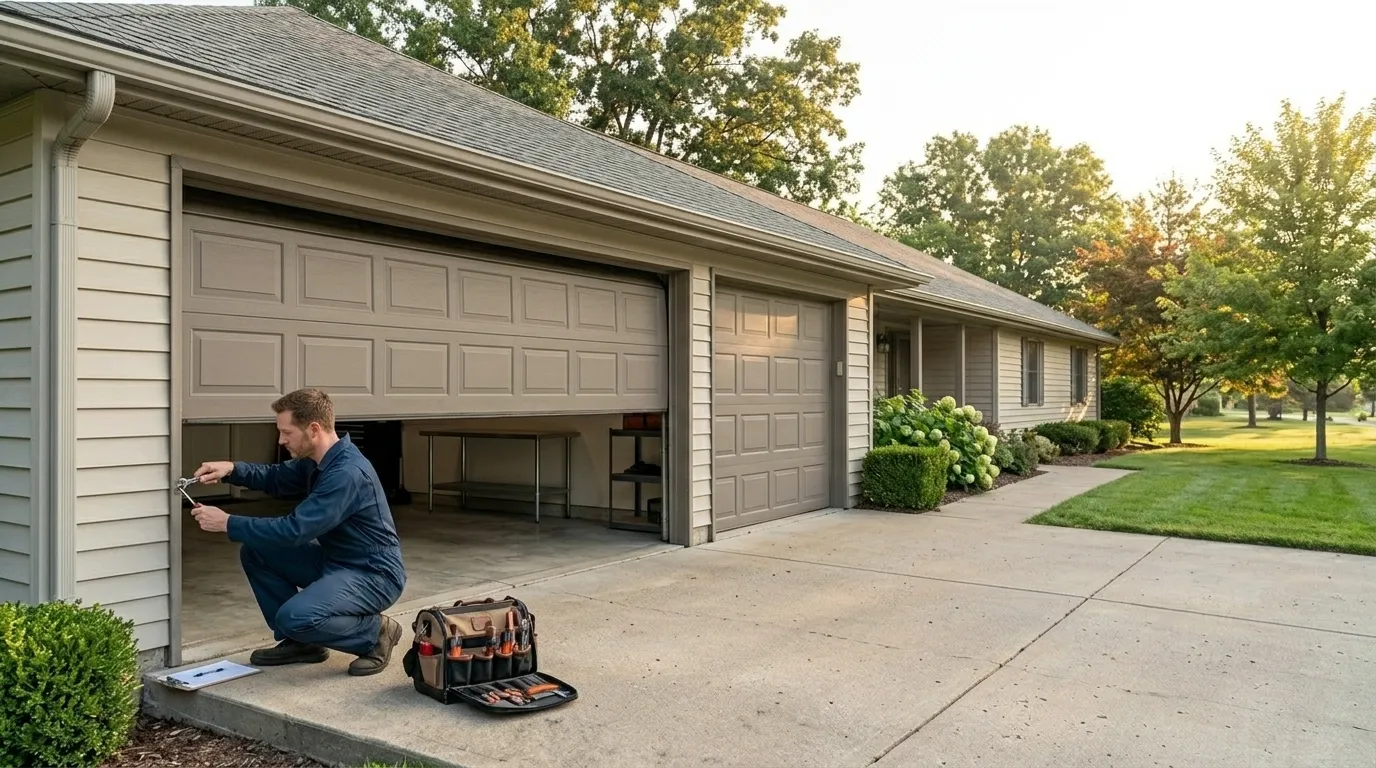
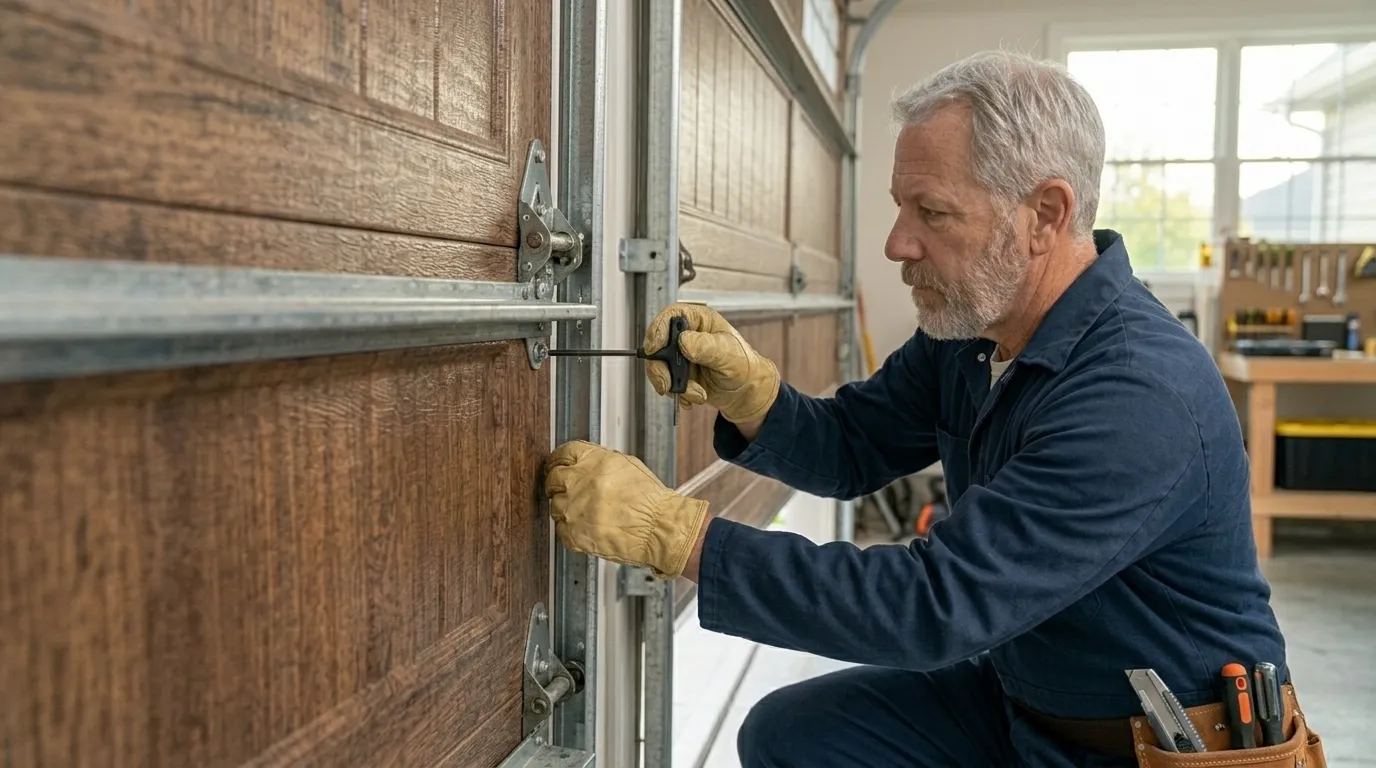
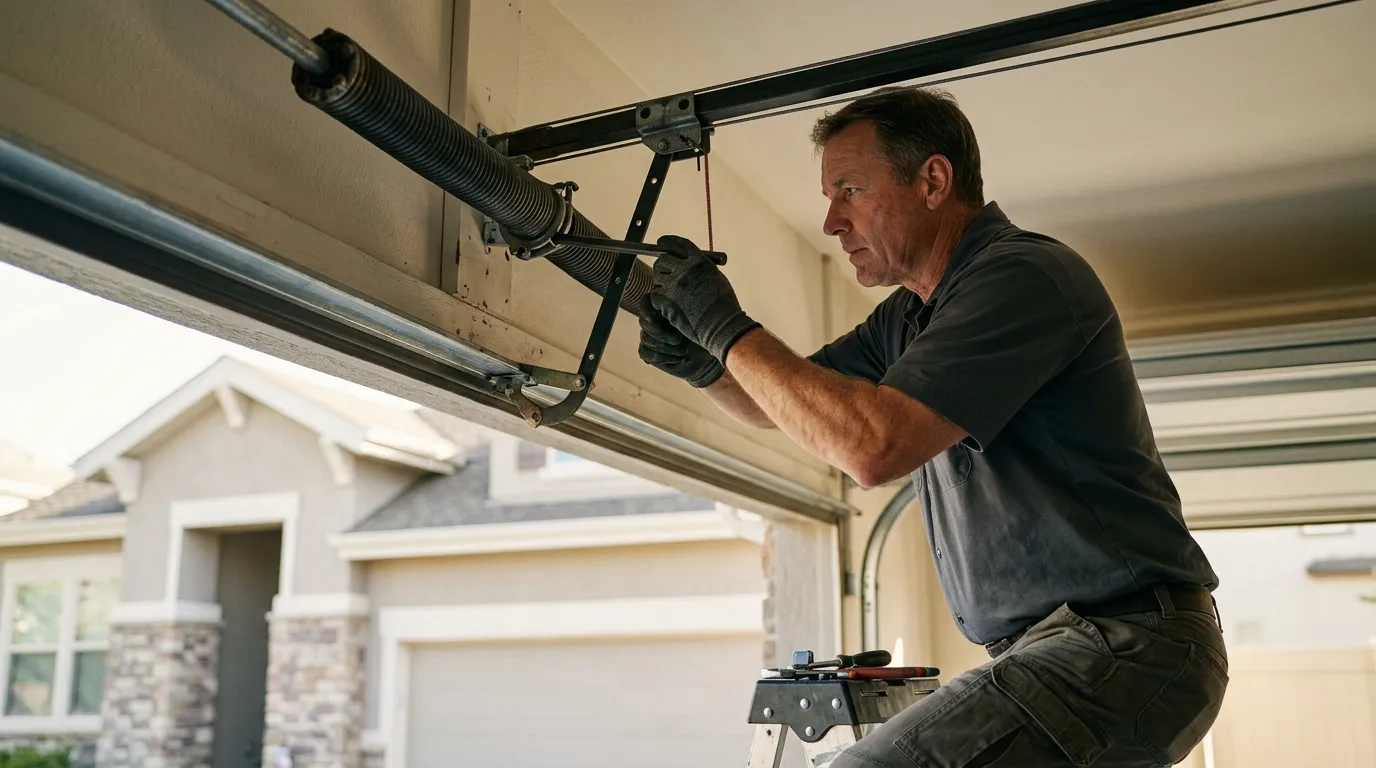
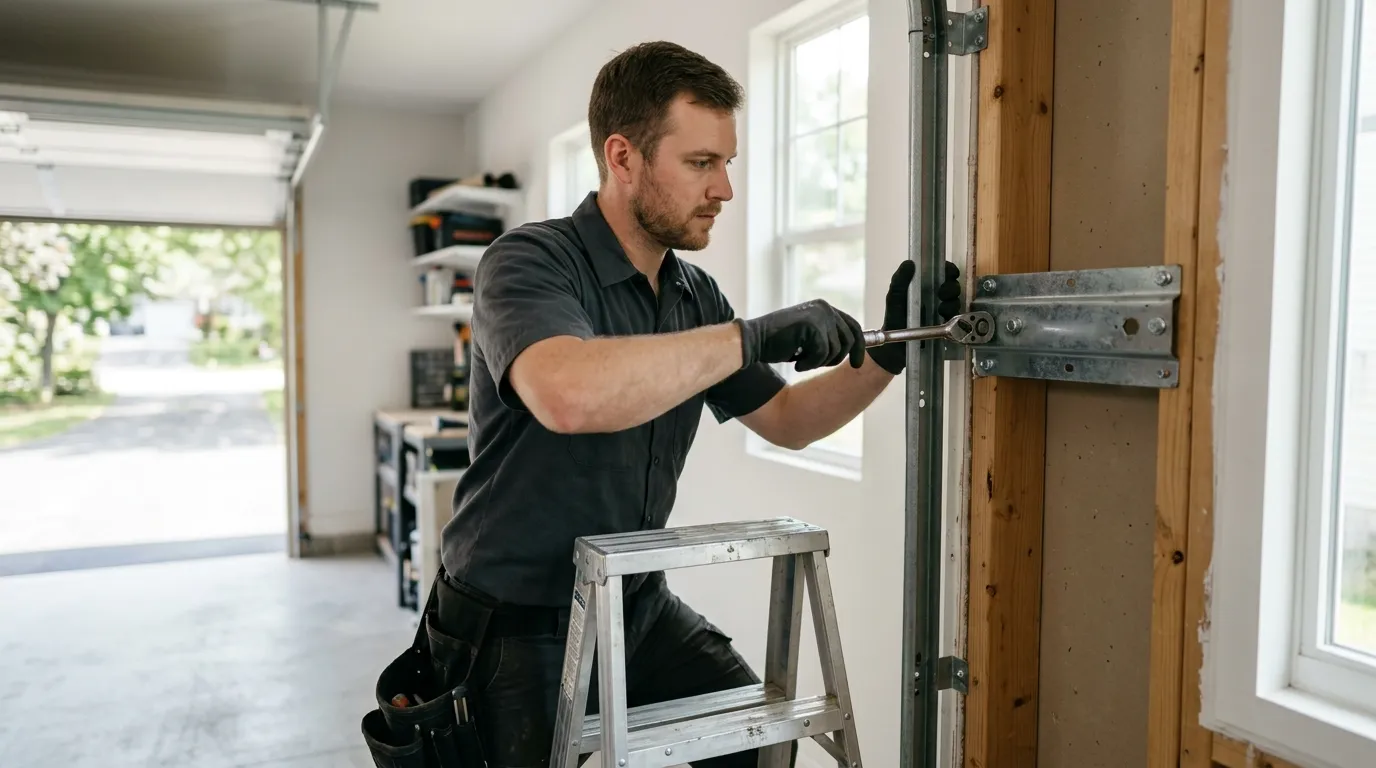
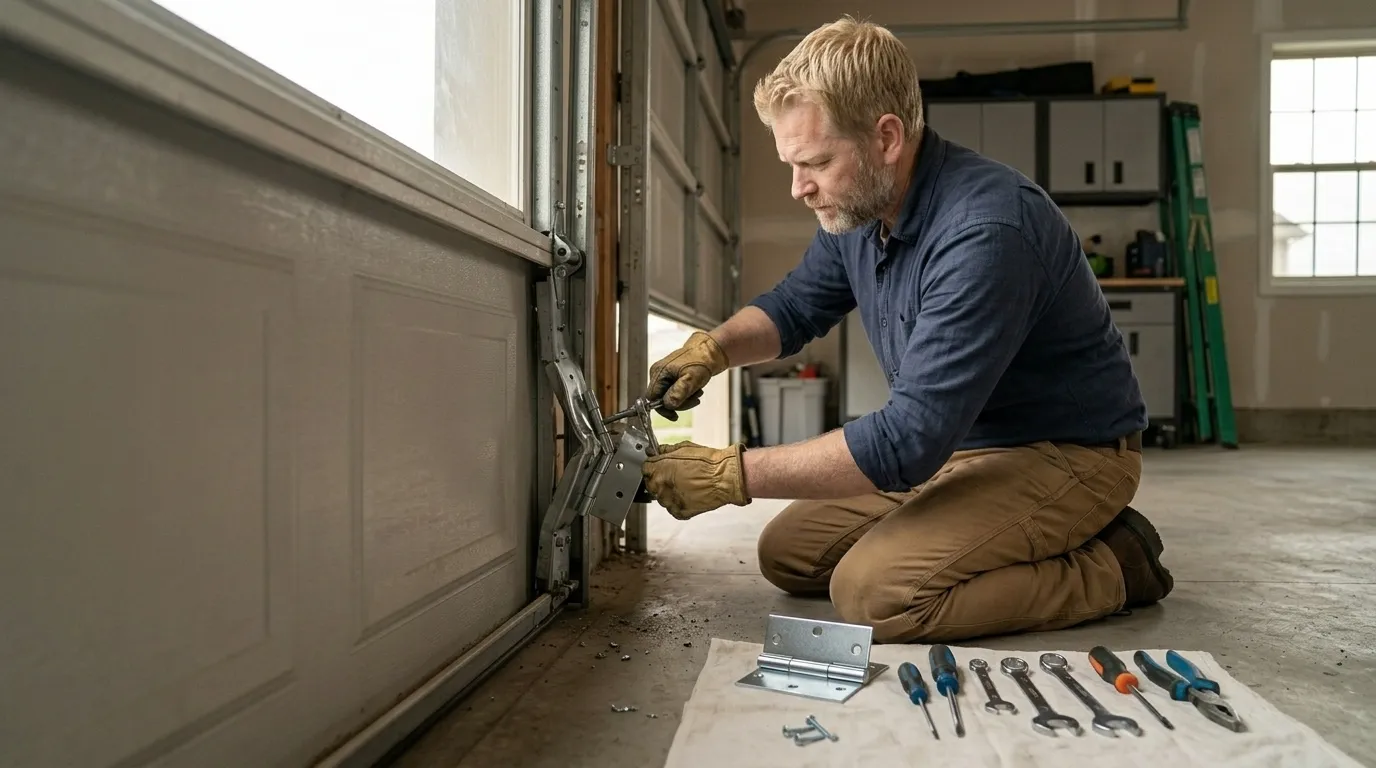
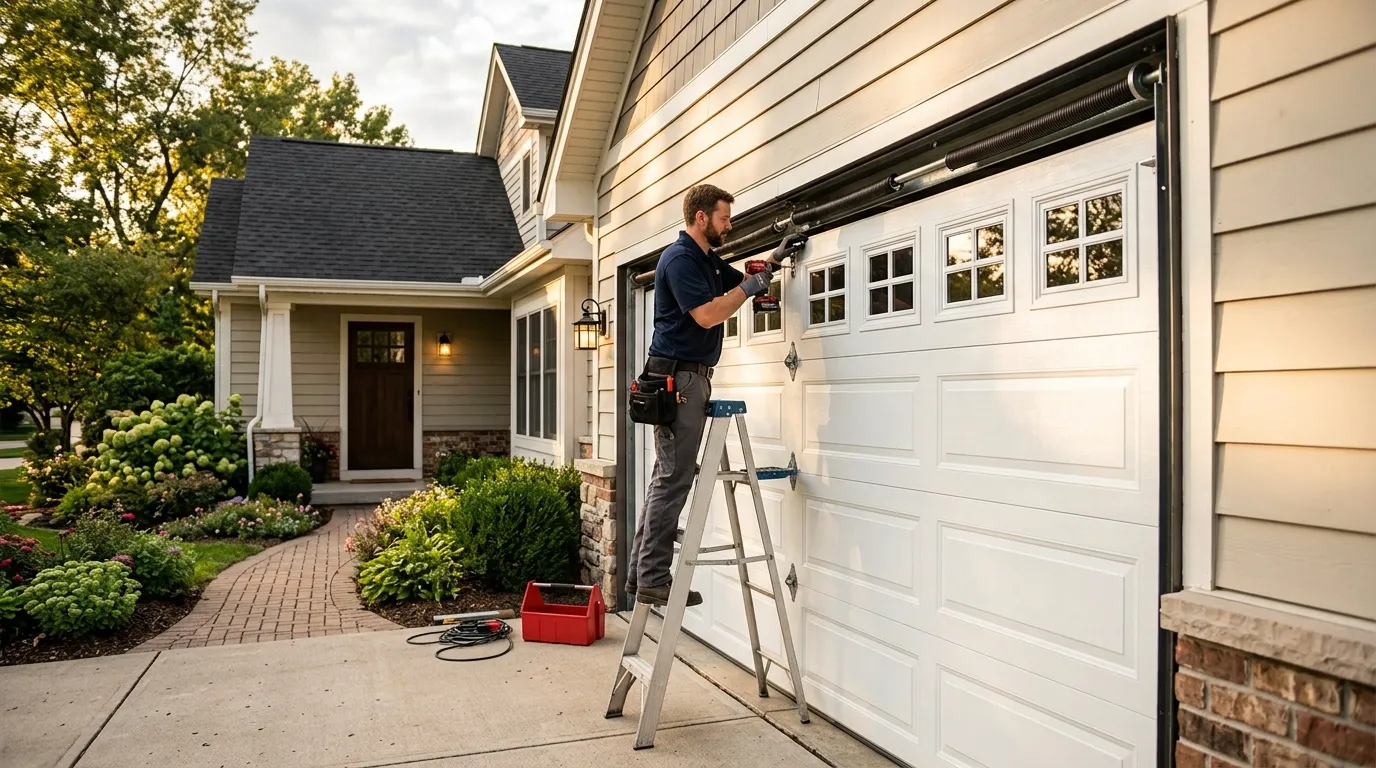
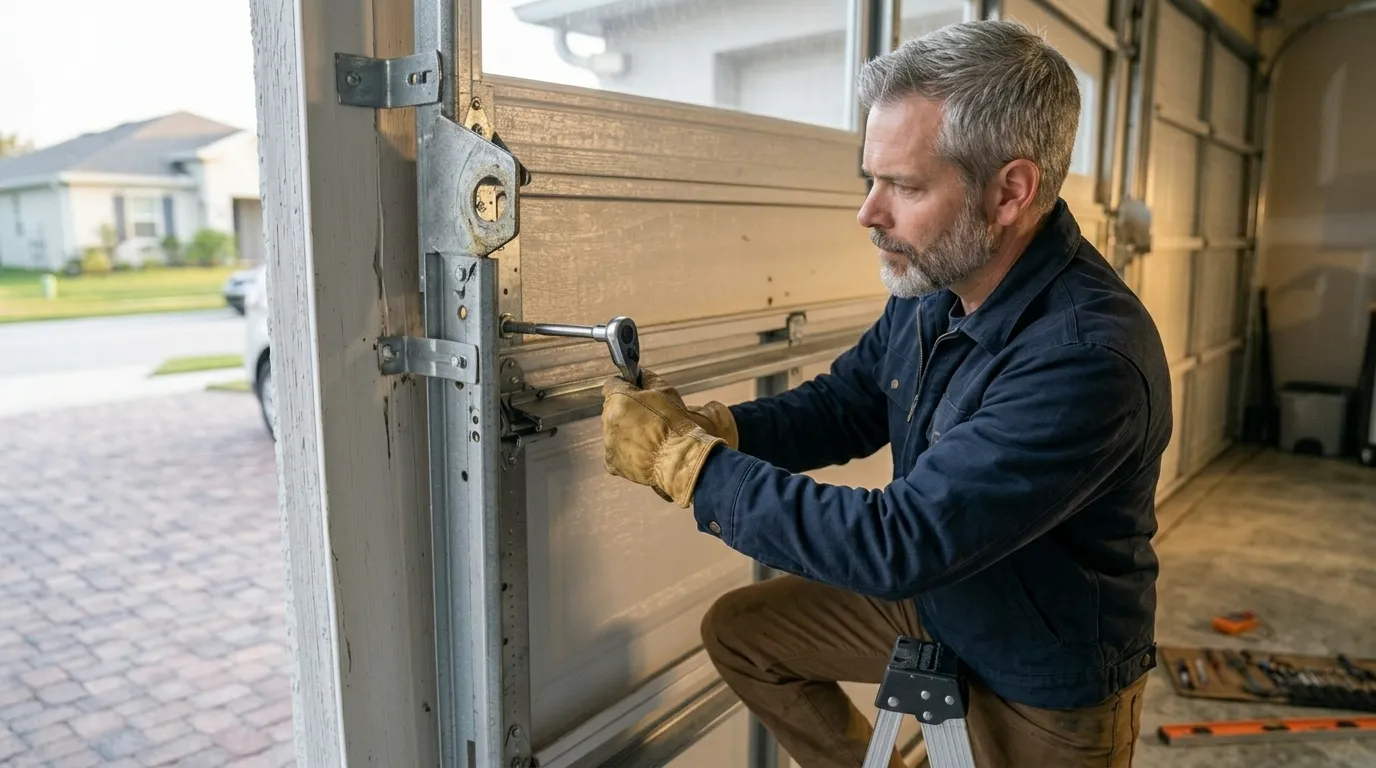
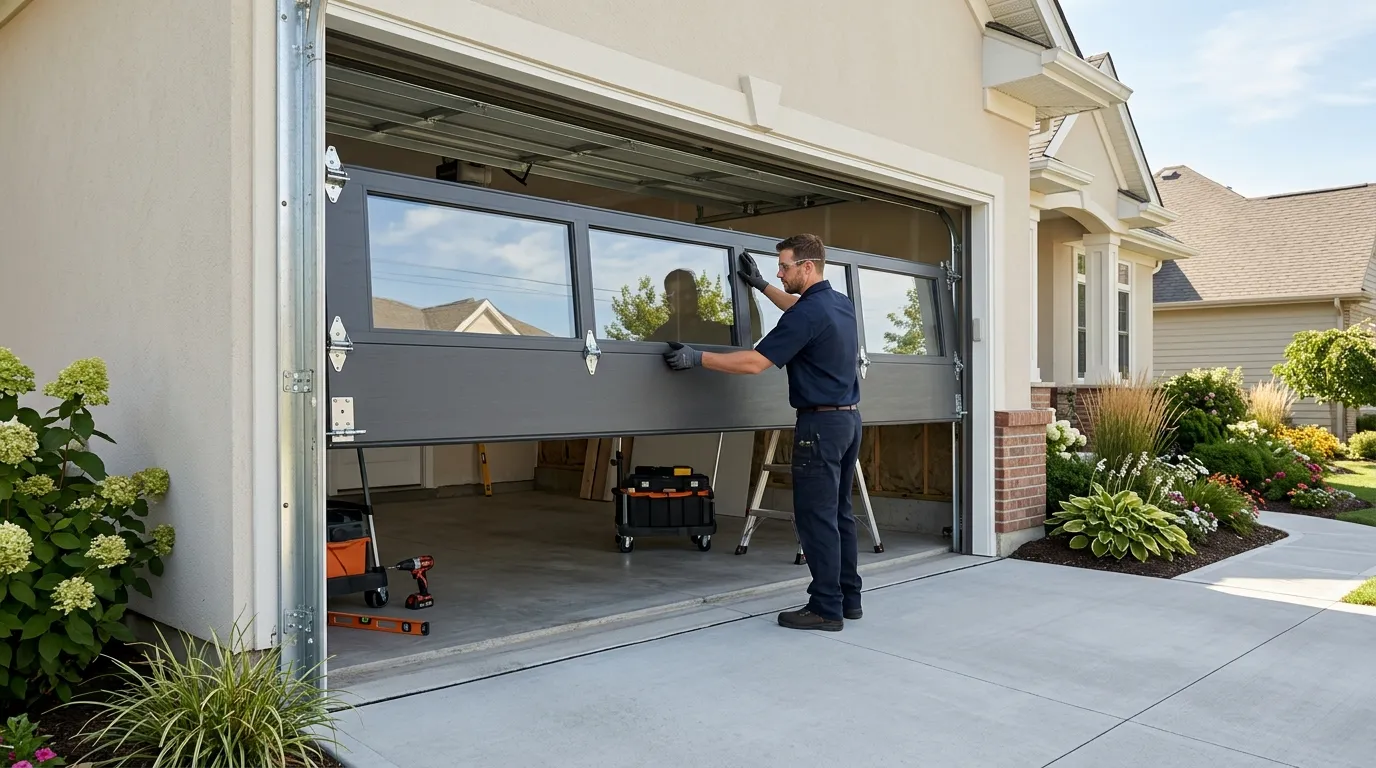
A garage door cable job is almost never just the cable. We carry lifting cables in the diameters and lengths that match the torsion and extension setups found on doors built through the 1959-2001 run that makes up most of the housing stock out here. That means matching drums, since a cable that's jumped its drum groove usually means the drum itself is scored and needs to go with it. We also stock the fasteners, cable clips, and safety cables that extension-spring doors need - the kind that keeps a broken spring from turning into a projectile.
What we don't stock on the truck is every obscure aluminum or fiberglass panel hardware set from a builder that's long out of business. If your door is one of the less common styles, we'll tell you that up front rather than making you wait on a part we don't have, and we'll order it instead of guessing.
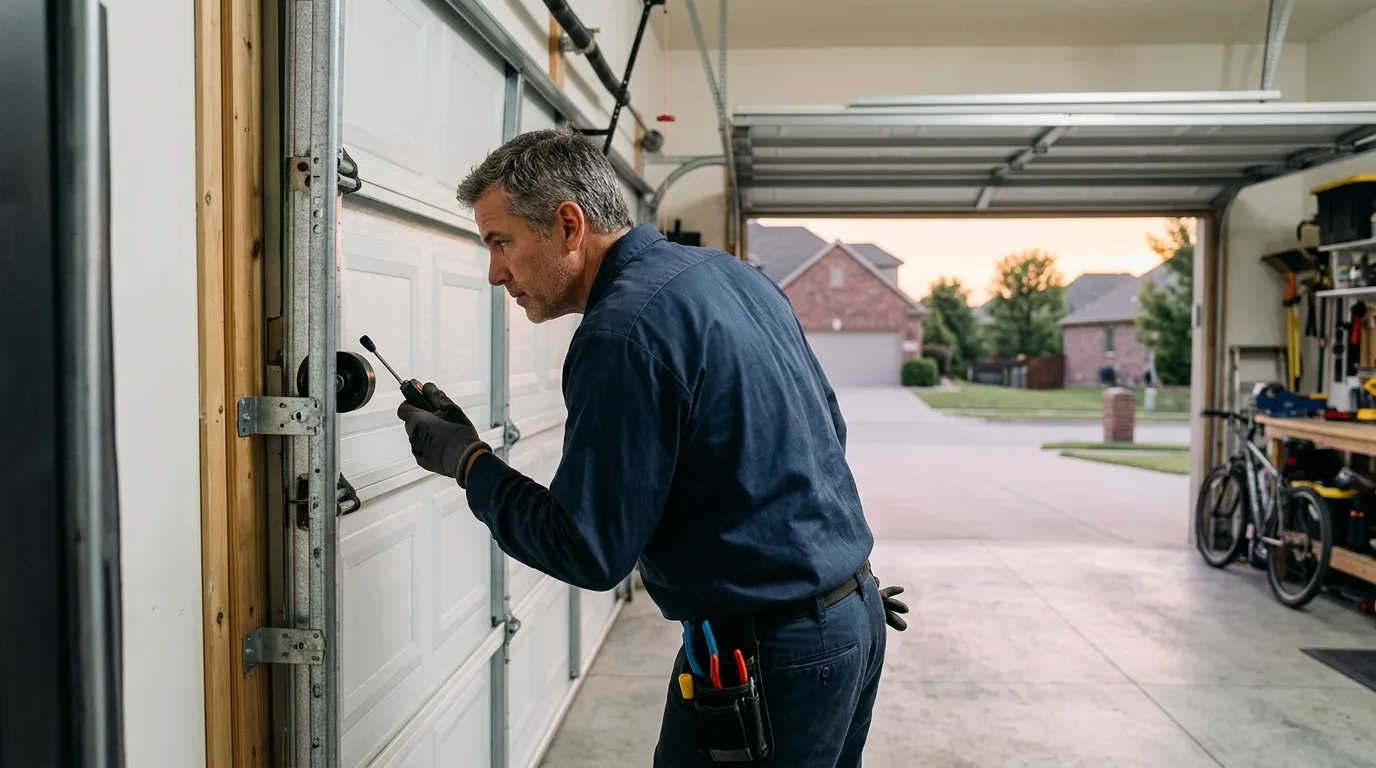
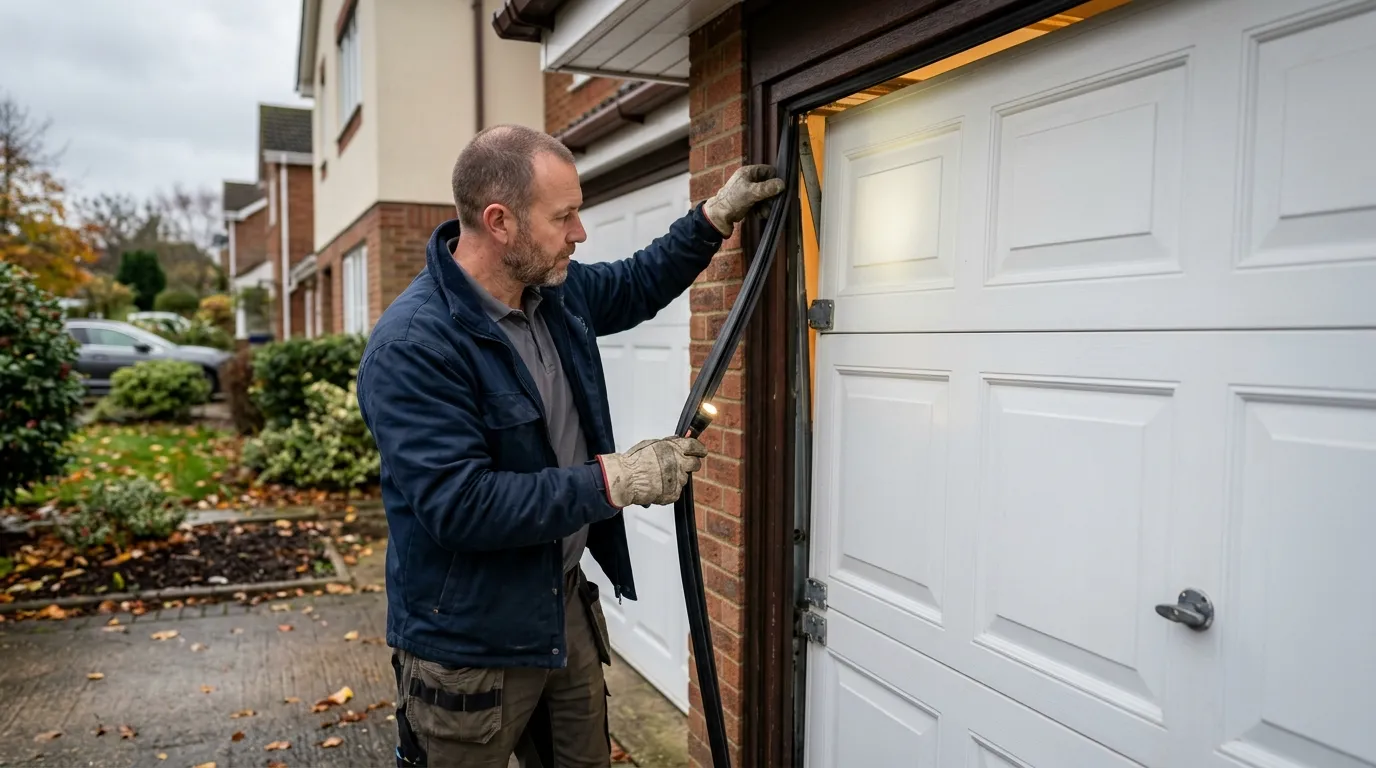
Most jobs are straightforward: two cables, one on each side of the door, run through a pulley or drum system that unwinds evenly as the door travels. When one side wears faster than the other - which is common - the door starts to hang crooked before it ever snaps.
The Cost of This Job
Cable repair is one of the more affordable garage door calls, but the honest answer is that the final number depends on what the cable took with it when it went. A clean cable snap on a torsion door, caught before the drum or track gets damaged, is a smaller job than one where the door came off its rollers or bent a track panel on the way down.
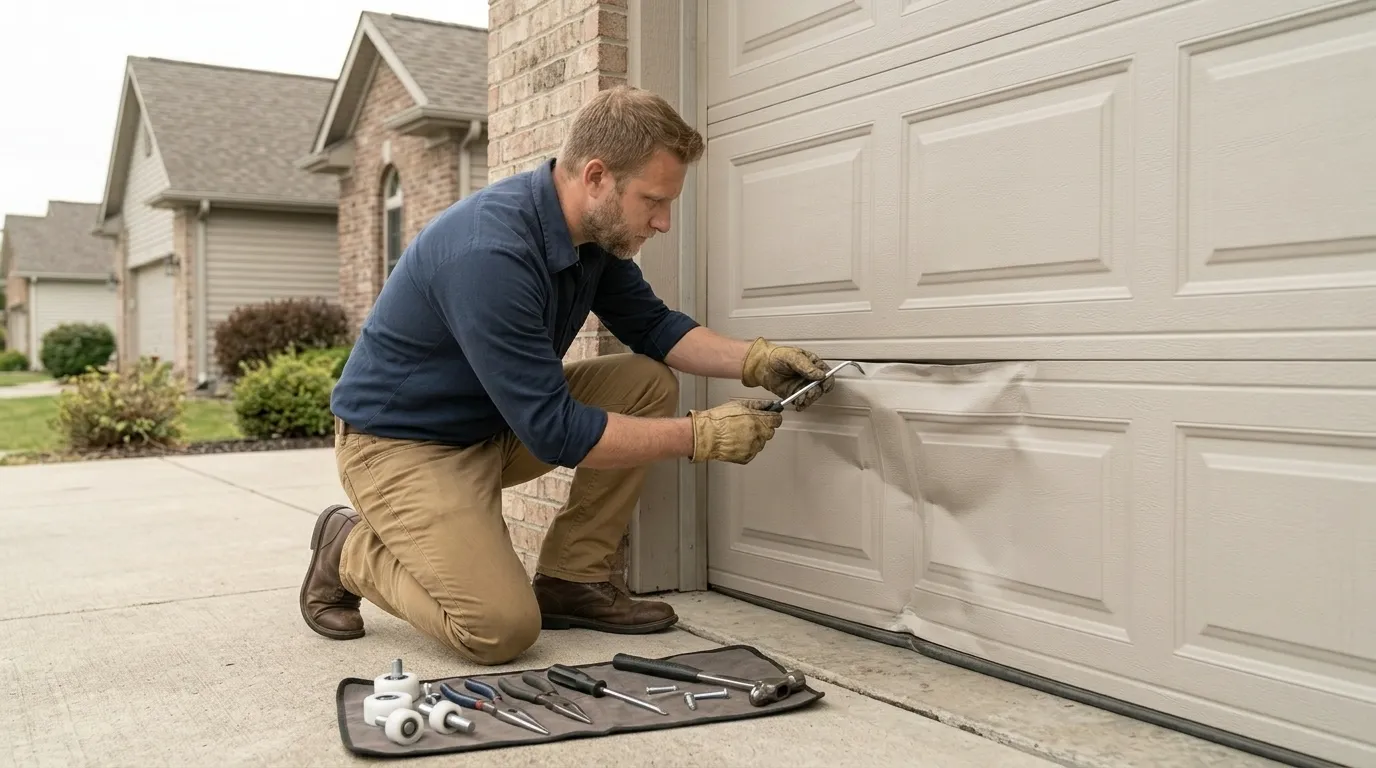
We don't quote a flat number sight unseen, because a two-car door with heavier springs carries more load per cable than a single, and a door that's been running on a frayed cable for months has usually chewed up the drum groove or bent a bracket along the way. What we can tell you is that replacing a cable early - at the first sign of fraying, not after it snaps - is always the cheaper visit. Once a cable lets go under load, it can take a bottom bracket or a section of track with it, and that turns one part into three.
If your door is old enough that the opener, springs, and cables are all original, we'll walk you through whether patching the cable makes sense or whether the door's due for a fuller rebuild.
How It Shows Up
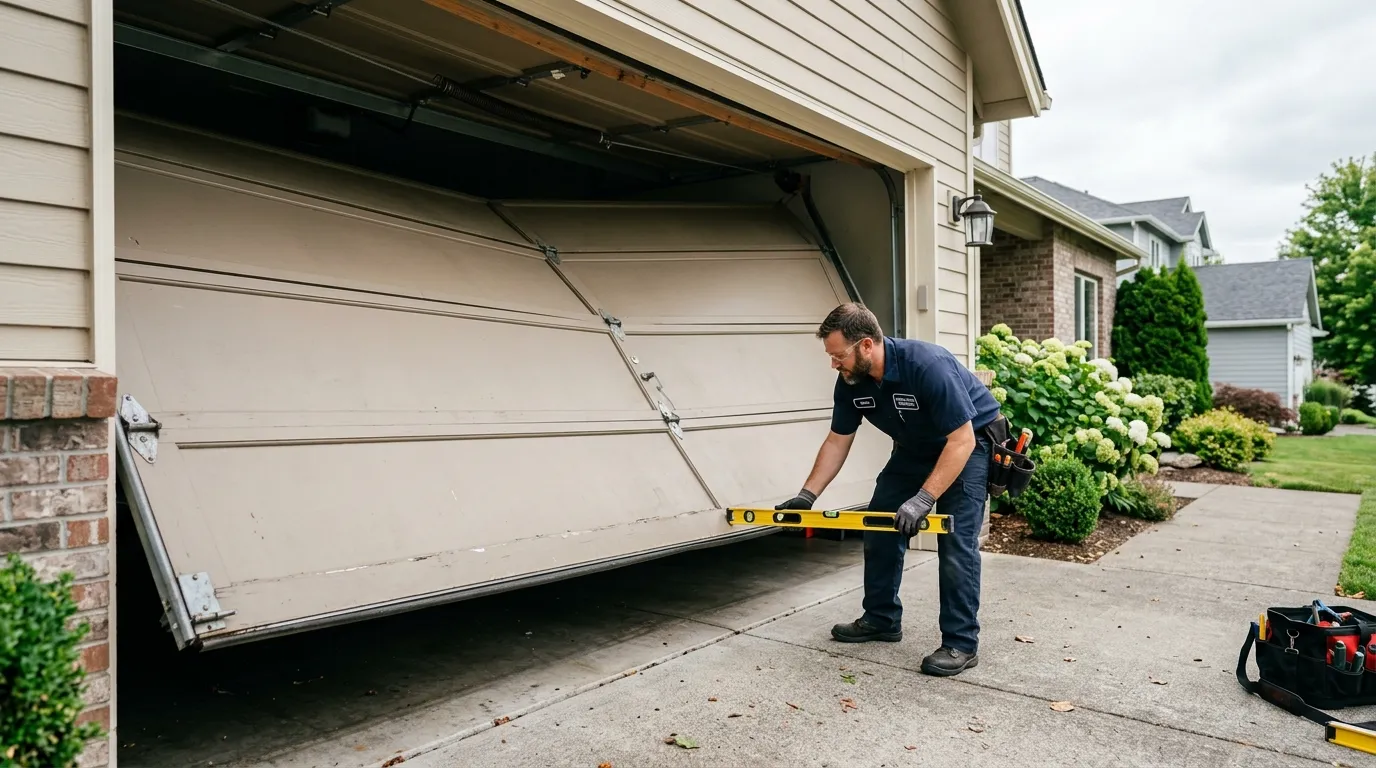
A cable rarely just snaps out of nowhere - it tells you first. The most common sign is a door that starts to hang crooked, higher on one side than the other, because one cable has stretched or slipped on its drum while the other hasn't. You'll also hear it before you see it: a popping or clicking sound as the door travels, which is usually strands starting to separate under load.
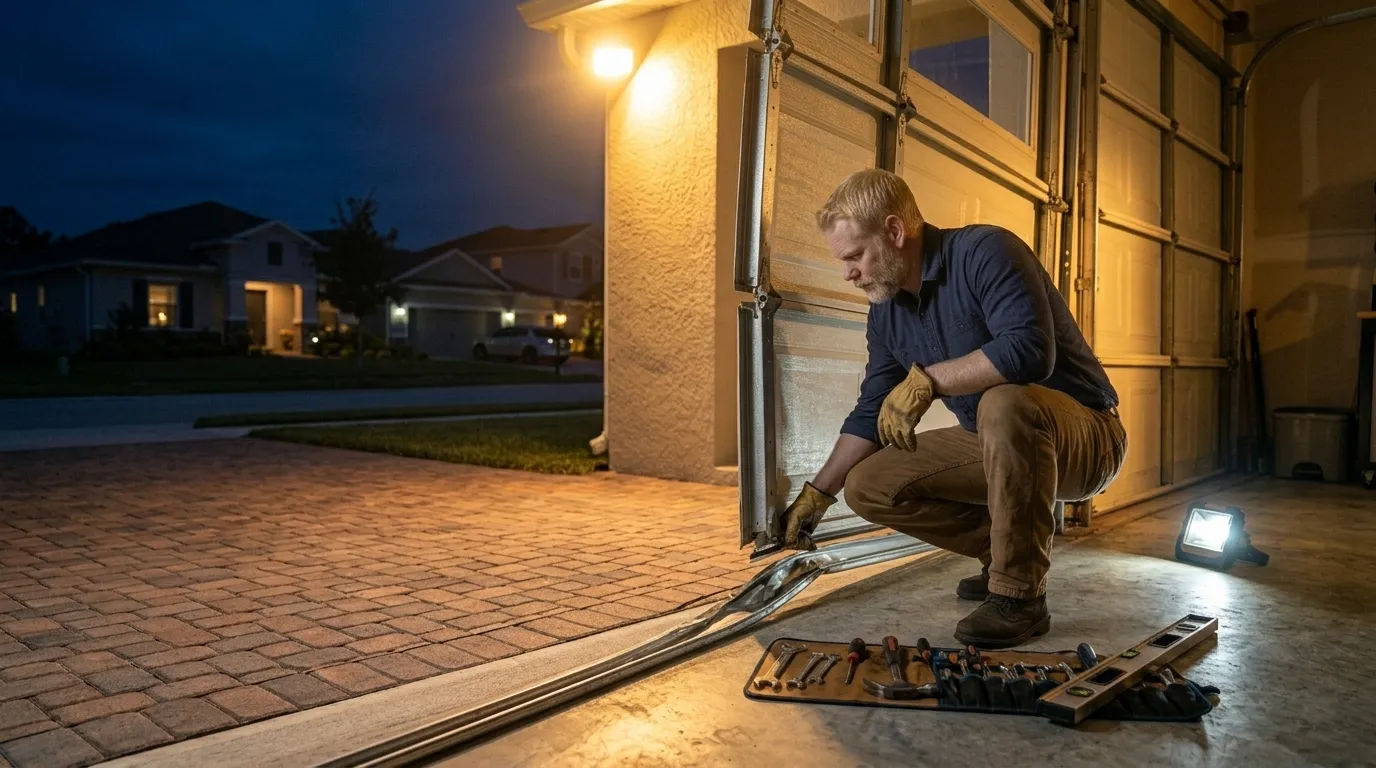
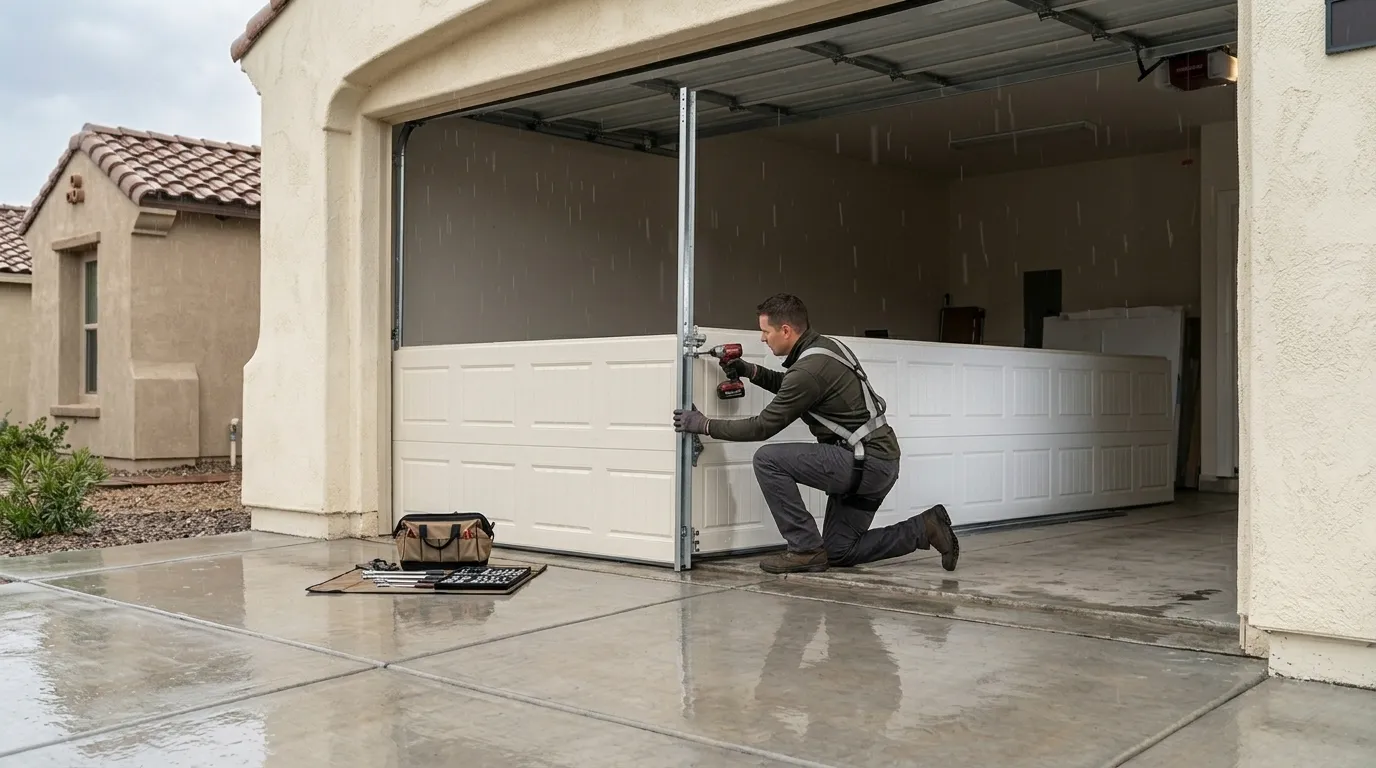
If you see visible fraying - little wire hairs sticking out from the main cable line, especially near where it wraps the drum - that door is close to a full break, and every cycle after that point pushes it closer. Once a cable actually snaps, the door will drop suddenly on one side, sometimes jamming in the track, sometimes coming off the rollers entirely if it happens mid-cycle.
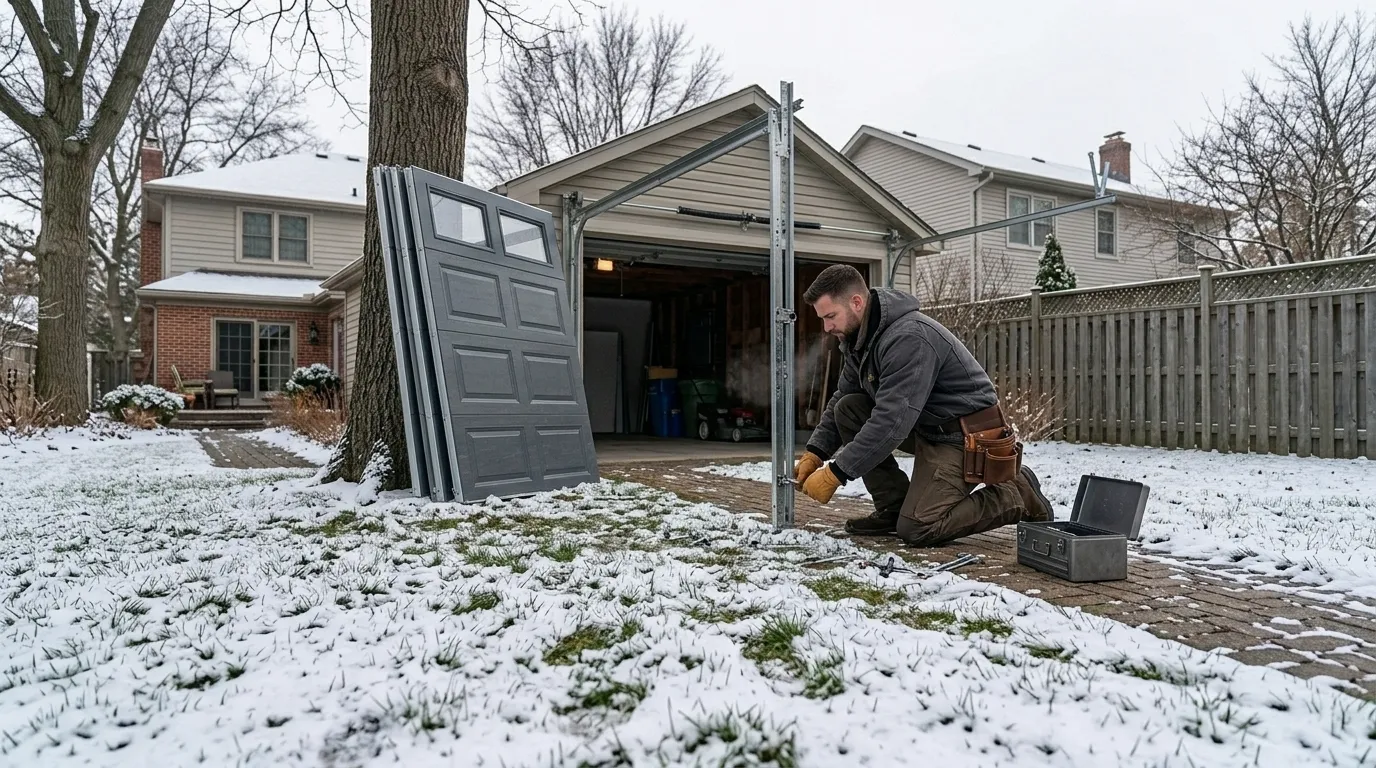
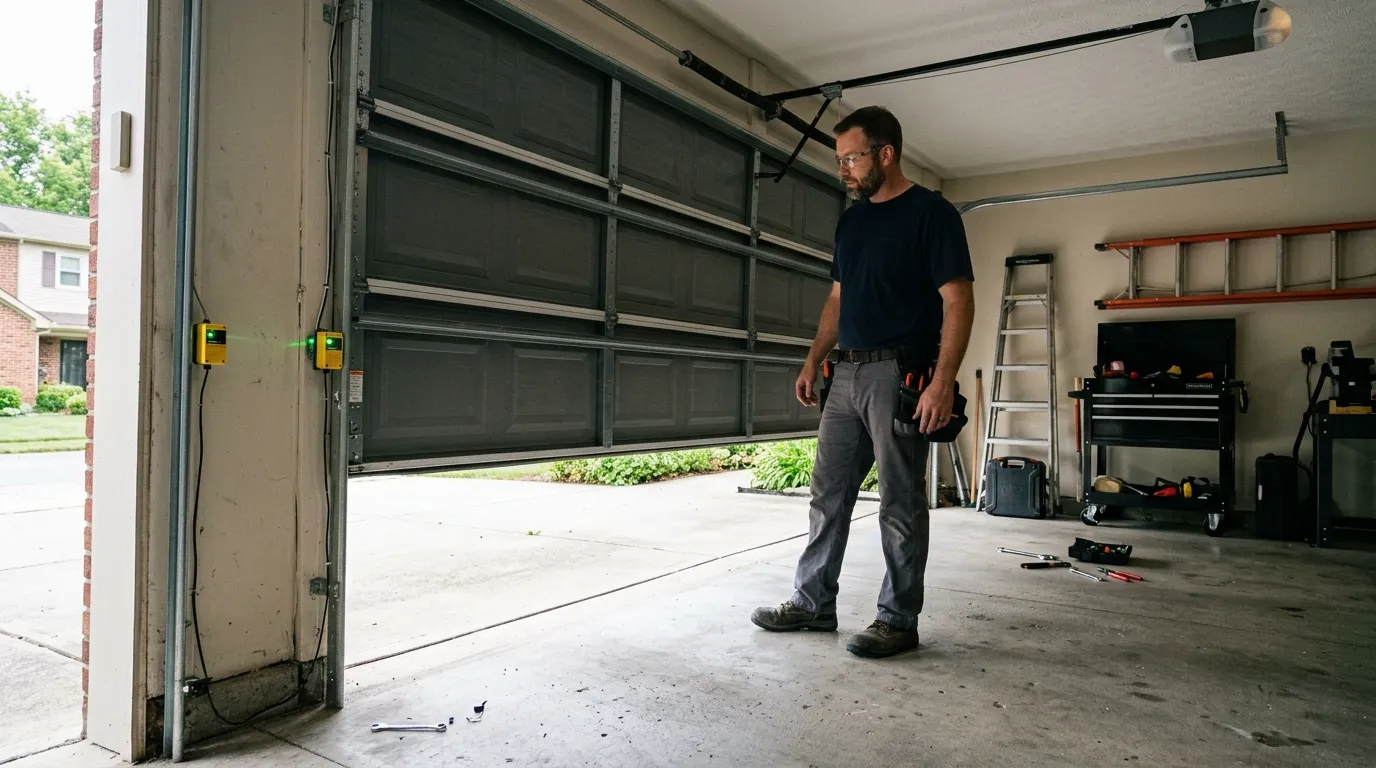
Don't run the opener once you notice any of this. Trying to force a crooked door through one more cycle is what turns a cable job into a track-and-bracket job. Across the 69,753 households and 34,734 owner-occupied houses we cover in this area, cable wear is one of the most common calls we get in the coldest months, right alongside spring failure - the two problems often show up together on the same aging door.