Parts We Carry
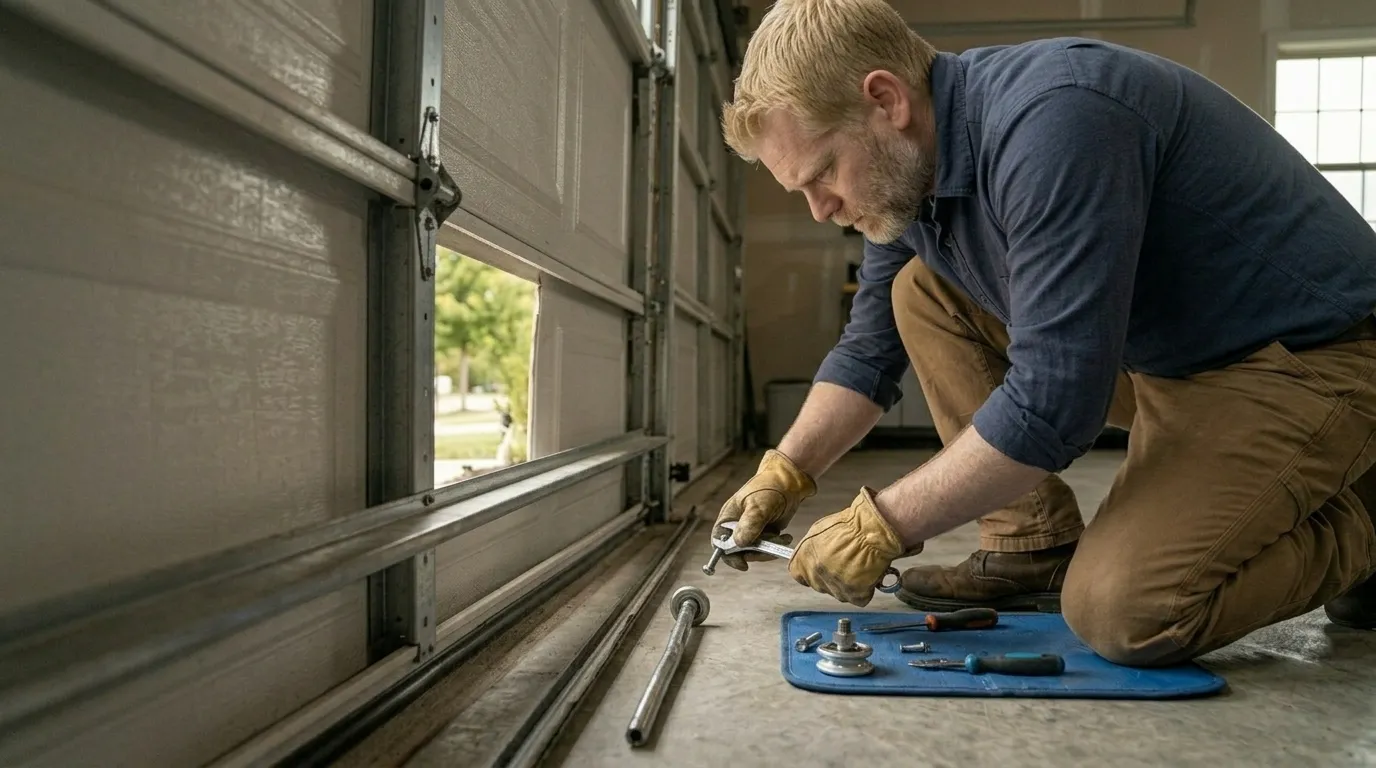
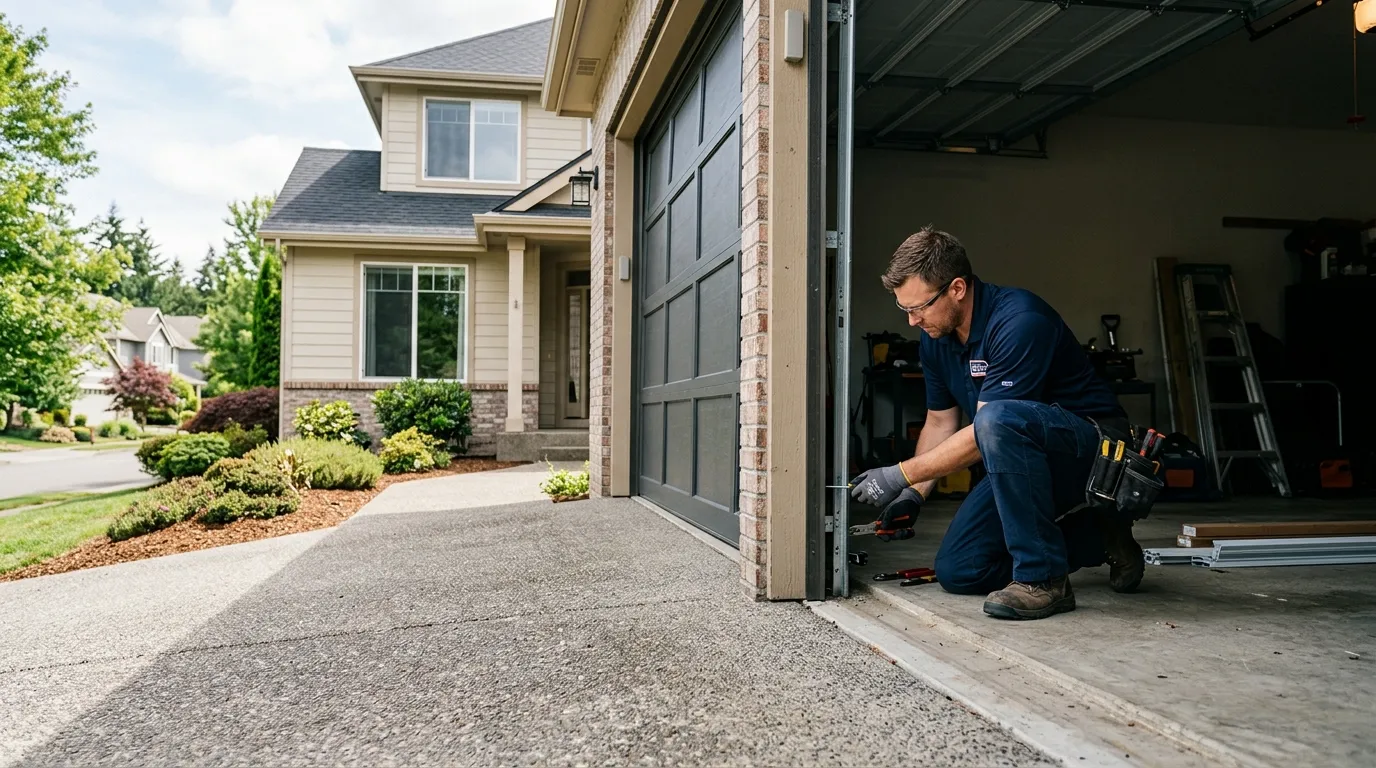
Most of the doors we get calls about in this area went up somewhere between 1959 and 2001, with the bulk of that stock dating to the 1980s and 90s across the thirty or so named areas we cover. That means two roller types show up again and again: 7-ball and 10-ball stem rollers on 2-inch stems for the older builds, and 1-inch or short-stem rollers on the lighter steel doors that came later in that build window. We stock both, in nylon with sealed bearings and in plain steel.
Nylon is the one we push for most homes here. It runs quiet, it doesn't need the track lubricated every season, and it holds up better when the temperature swings hard from summer to winter, which it does in this part of Wisconsin. Steel rollers are cheaper and they're still what came stock on a lot of the older doors, so if you're matching an existing set on a budget repair we'll put steel back in, but we'll tell you up front that nylon will outlast it.
One limit worth knowing: we don't stock every stem length and wheel diameter a manufacturer ever made. If your door has an odd factory roller from a builder-grade kit, we may need to order the exact match rather than swap it same-visit. Standard stem and ball-bearing sizes we carry on the truck.
The Cost of This Job
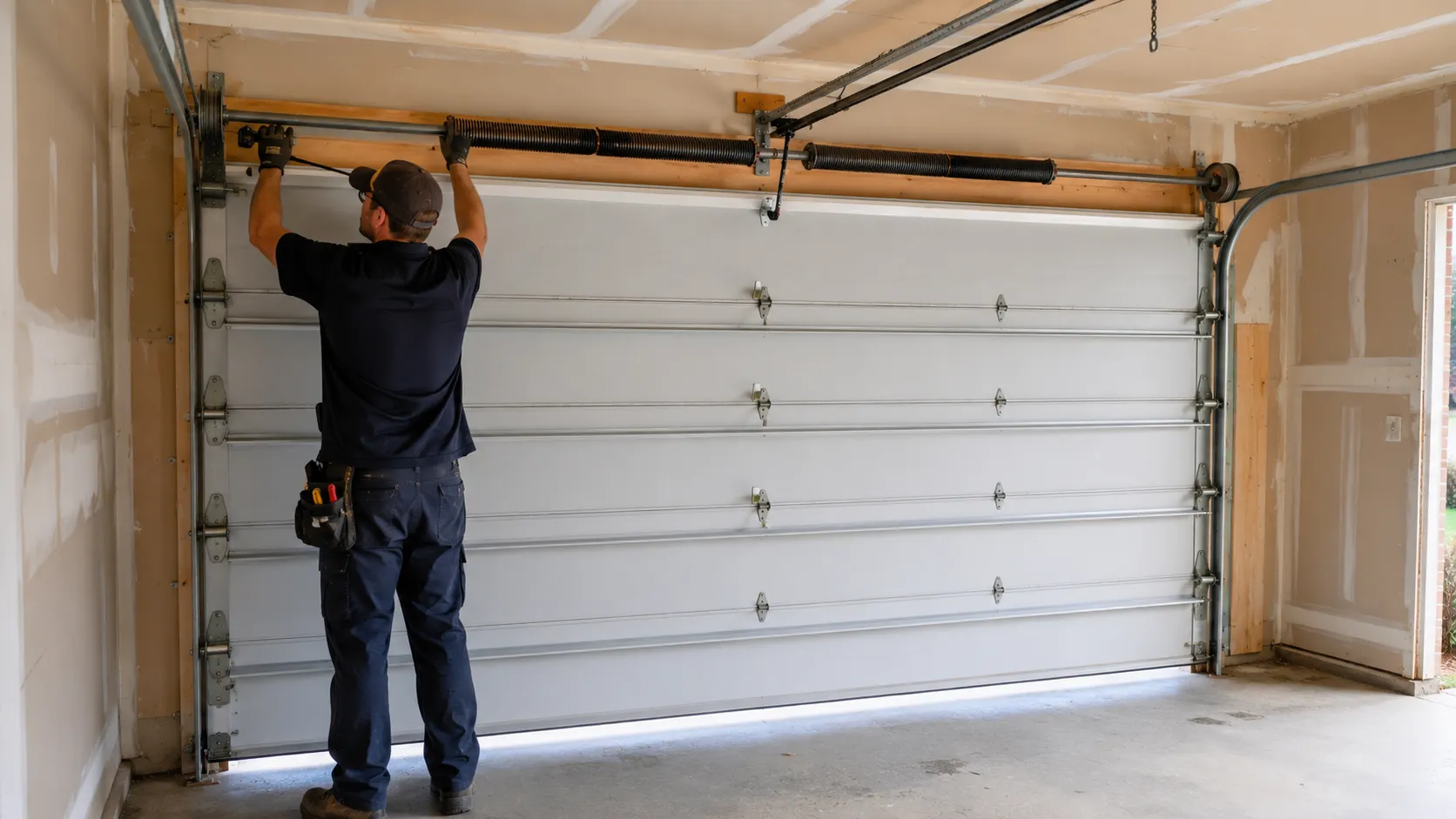
We don't quote a roller job over the phone without seeing the door, because the price swings on how many rollers are bad, whether the track is bent, and whether the bearings inside are shot or just the nylon wheel is worn flat on one side. A full set replacement is a different job than swapping three rollers on one side.
What we can tell you: this is one of the more affordable repairs we run, because it doesn't touch the spring system or the opener. If you're hearing grinding or seeing chipped nylon on the rollers you can reach, that's usually a roller-only fix, not a track or hardware replacement. The cost climbs if a bent track has already chewed up the roller bearings, since then you're paying for track straightening or replacement on top of the rollers themselves.
Household income across the area runs well above the state median, and most owners here choose the sealed-bearing nylon upgrade rather than the bare steel replacement once they hear the difference in noise and lifespan. We'll show you both prices on-site before we start.
How It Shows Up
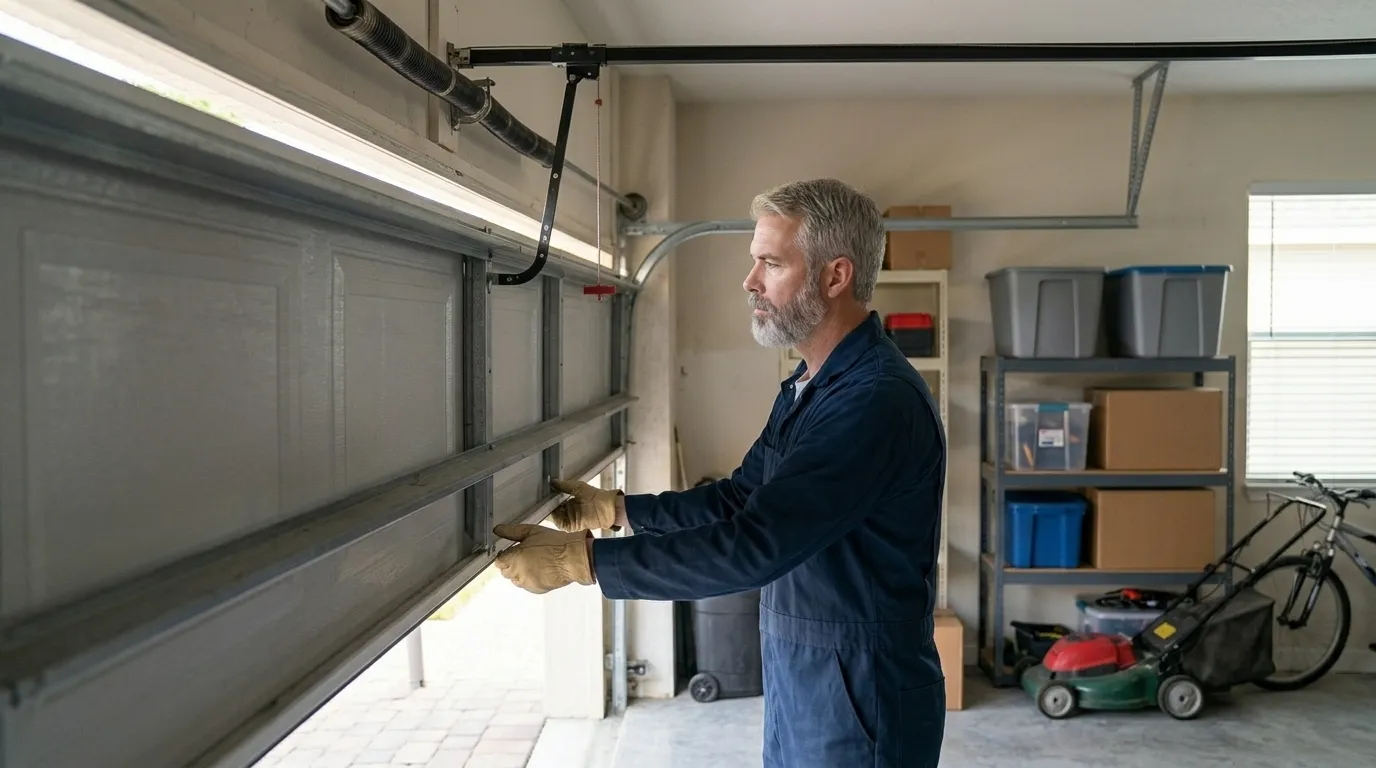
The first sign is usually sound, not a stuck door. A rhythmic squeak or a grinding scrape as the door travels, worse at the top or bottom of the run where the roller passes through the curved section of track. That curve is where a flat-sided or cracked roller catches hardest.
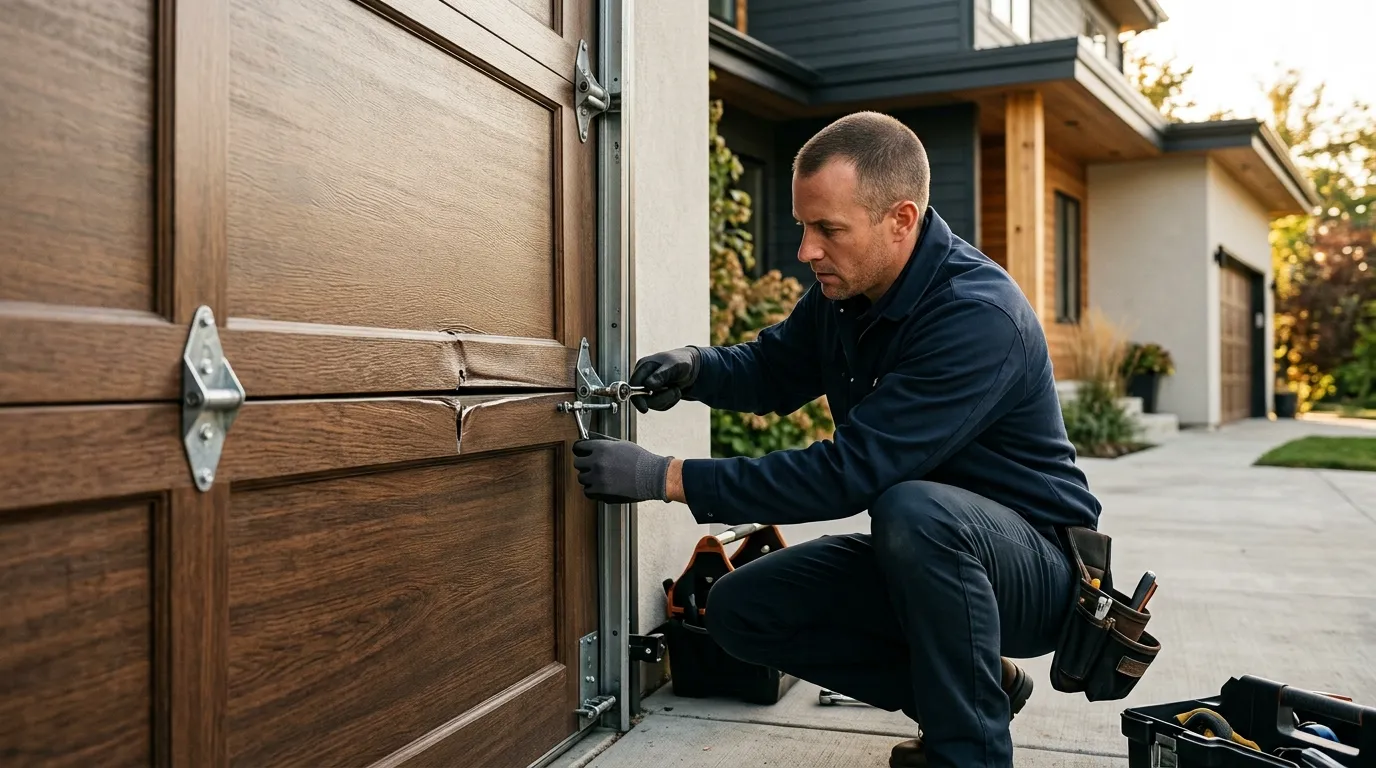
Next comes visible wear if you look at the rollers through the track - chipped or split nylon, or a steel wheel that's gone from round to slightly oval. If one side of the door drags more than the other, or the door tips a little as it opens, that's often uneven roller wear between the two tracks rather than a spring problem, which is a common misdiagnosis.
Left alone, a bad roller eventually jumps the track or seizes solid, and at that point the opener will strain against it or the door will stop mid-travel. Catching it at the grinding-noise stage is a straightforward roller swap. Catching it after the roller's already bent the track is a bigger job. If you're hearing that scrape on a door that's original to a house built in the 80s or 90s, it's worth having it looked at before winter really sets in.