Parts We Carry
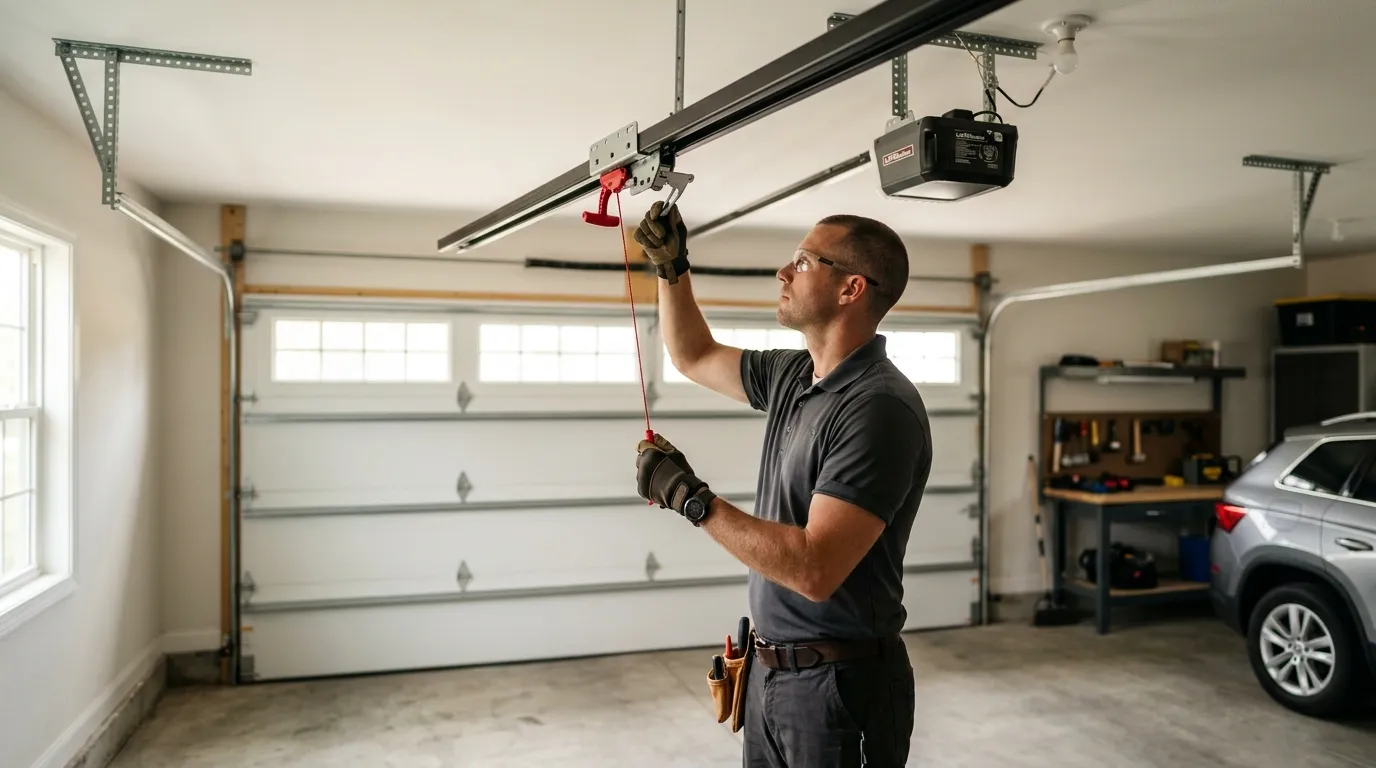
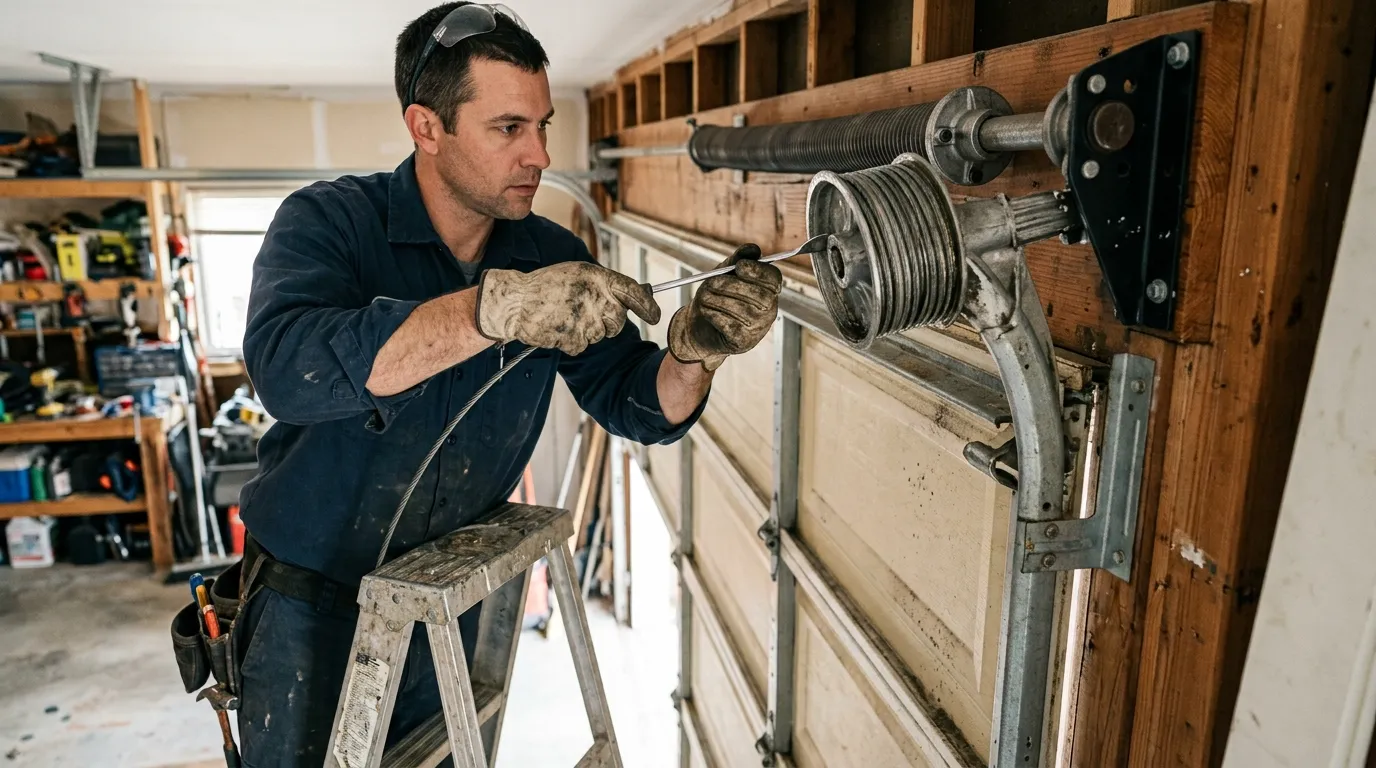
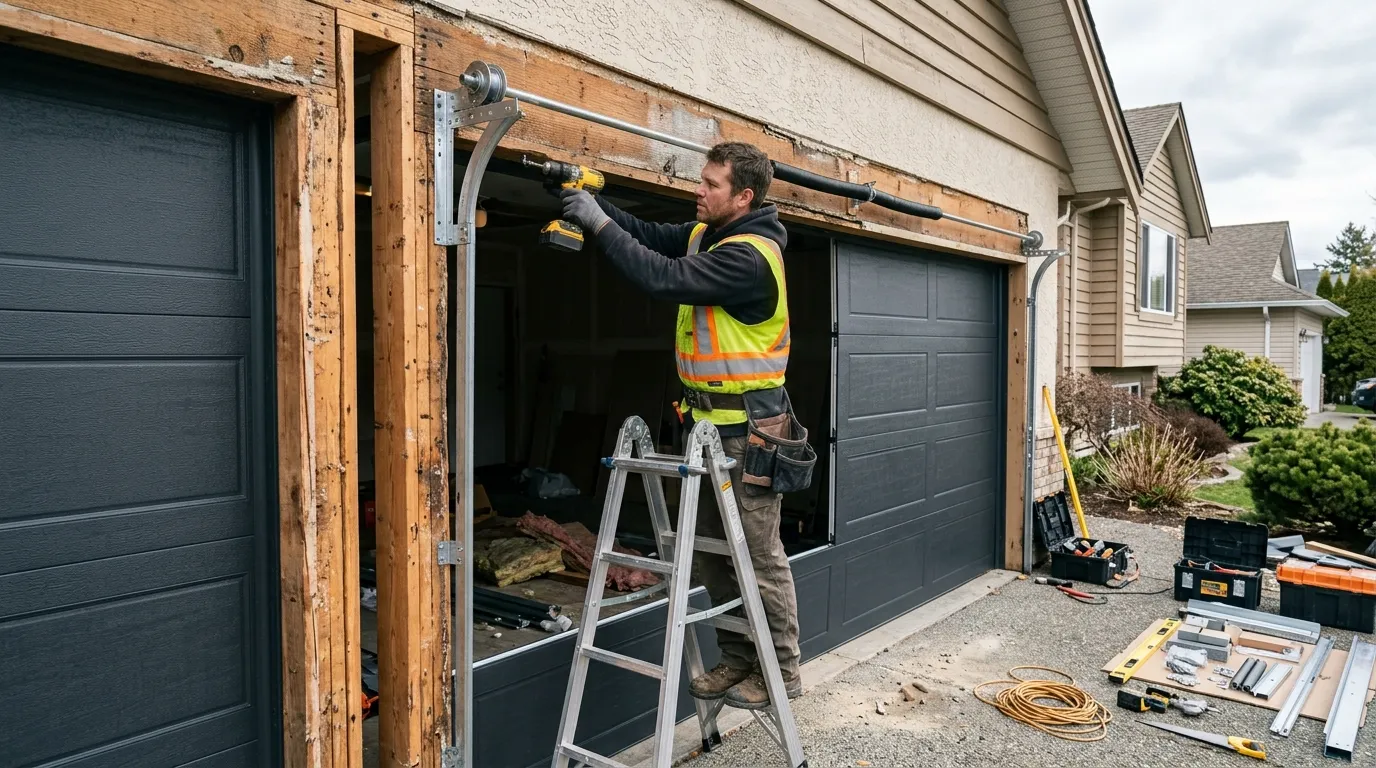
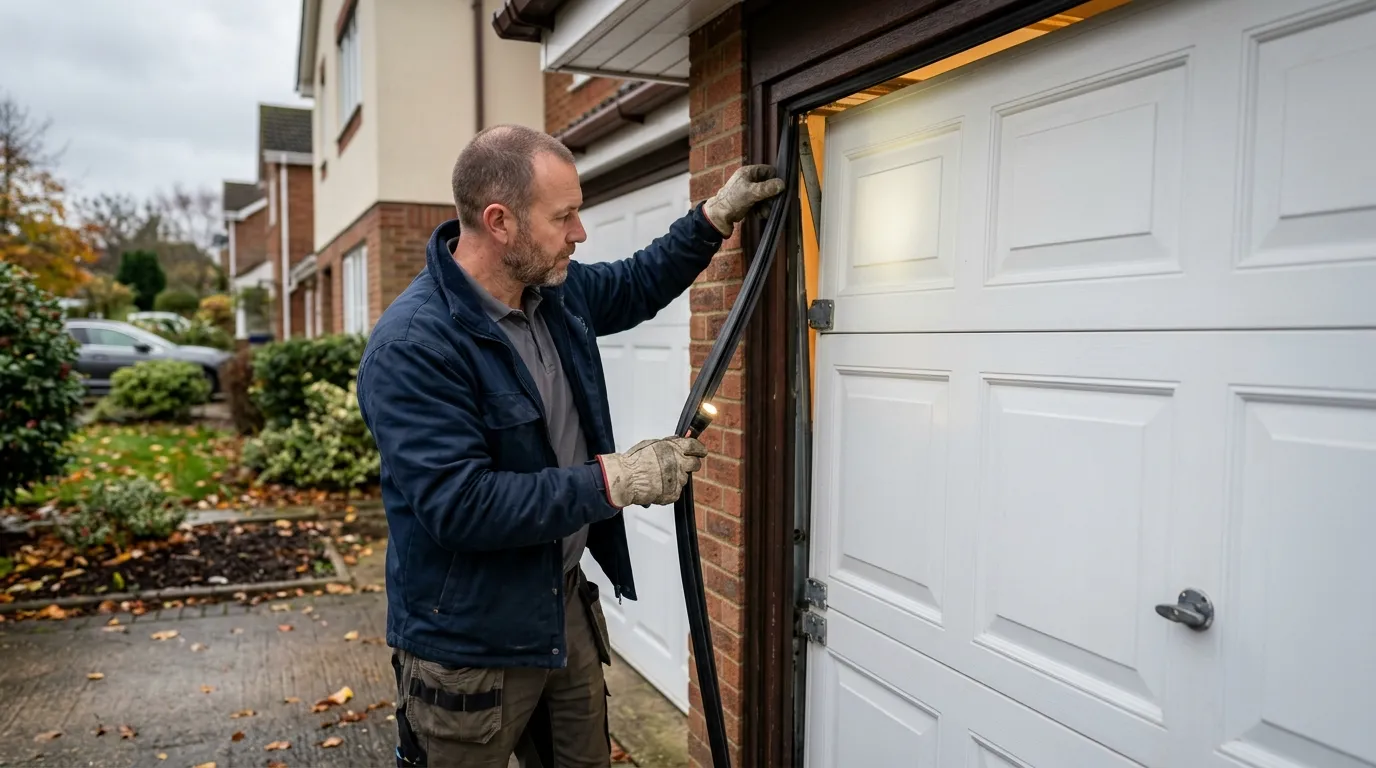
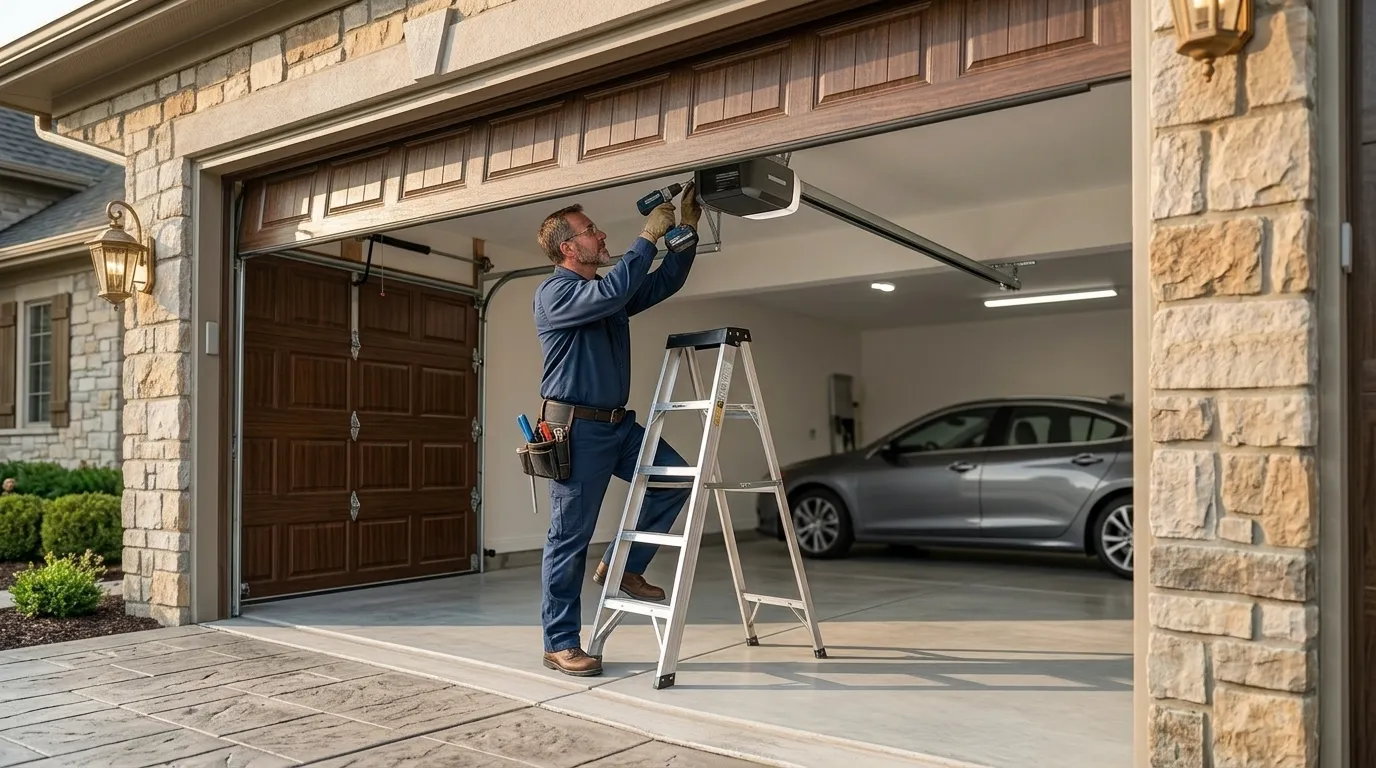
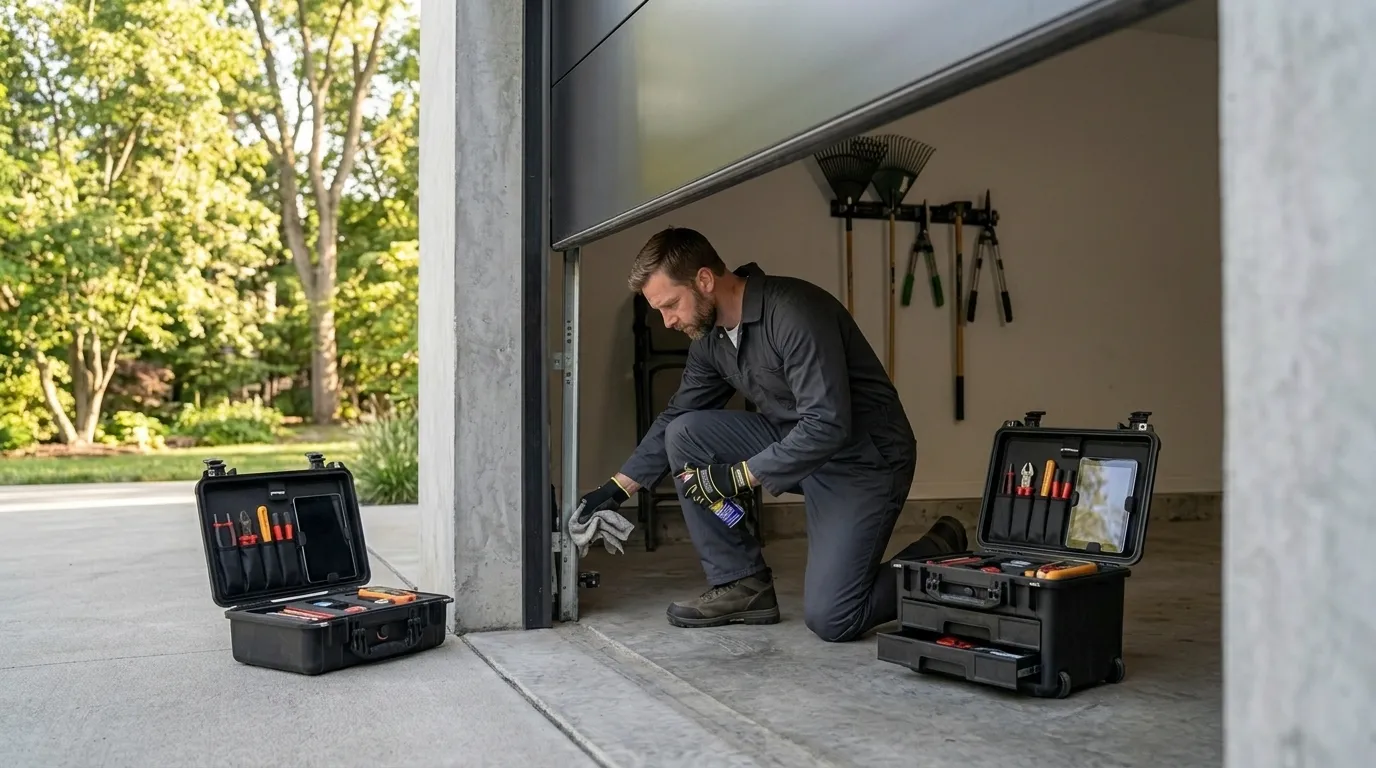
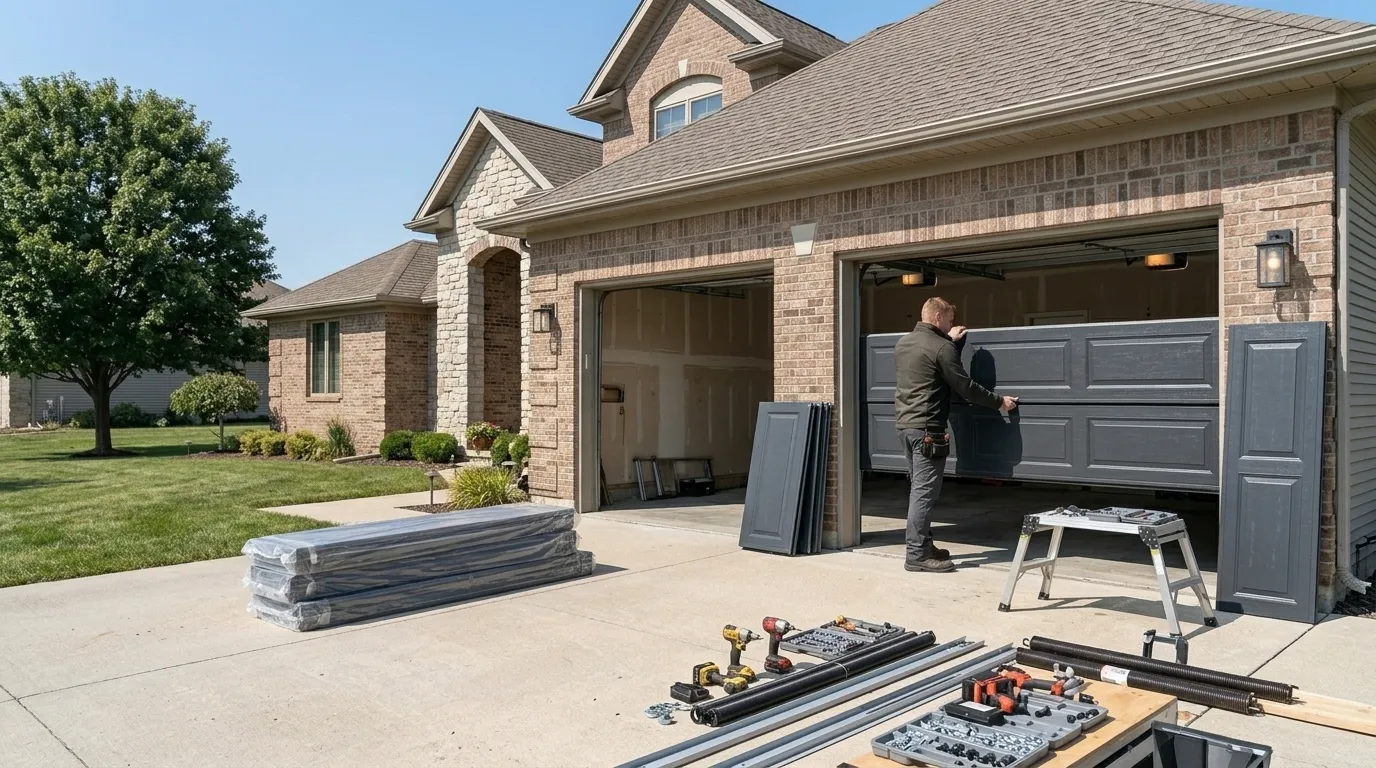
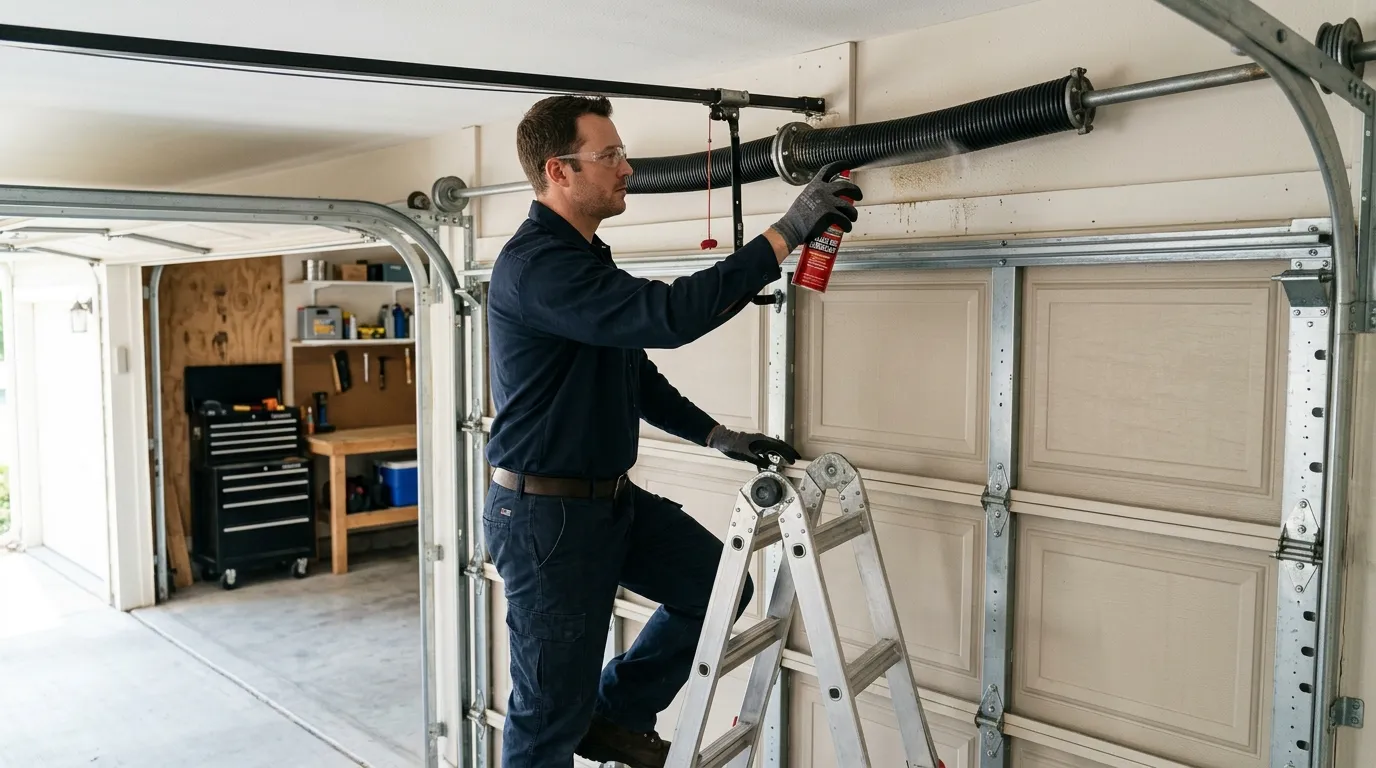
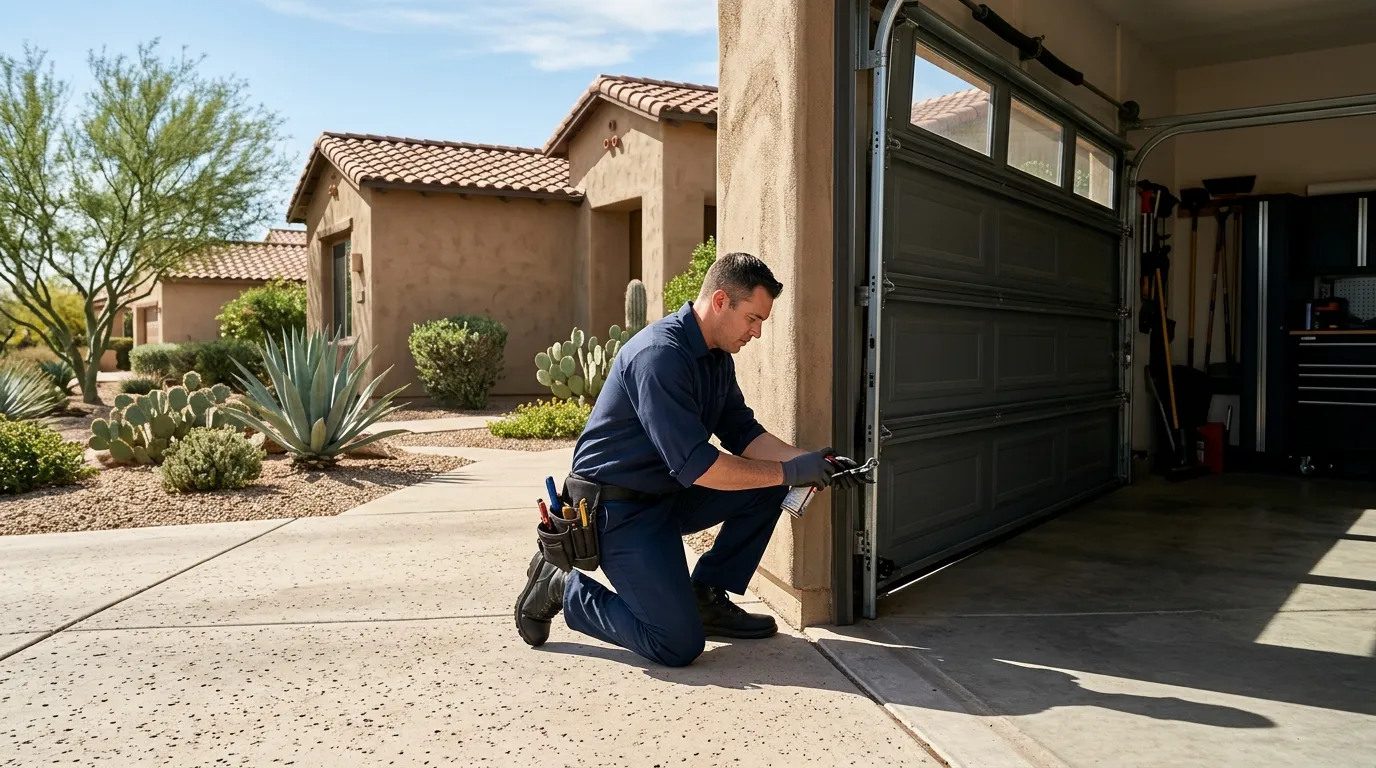
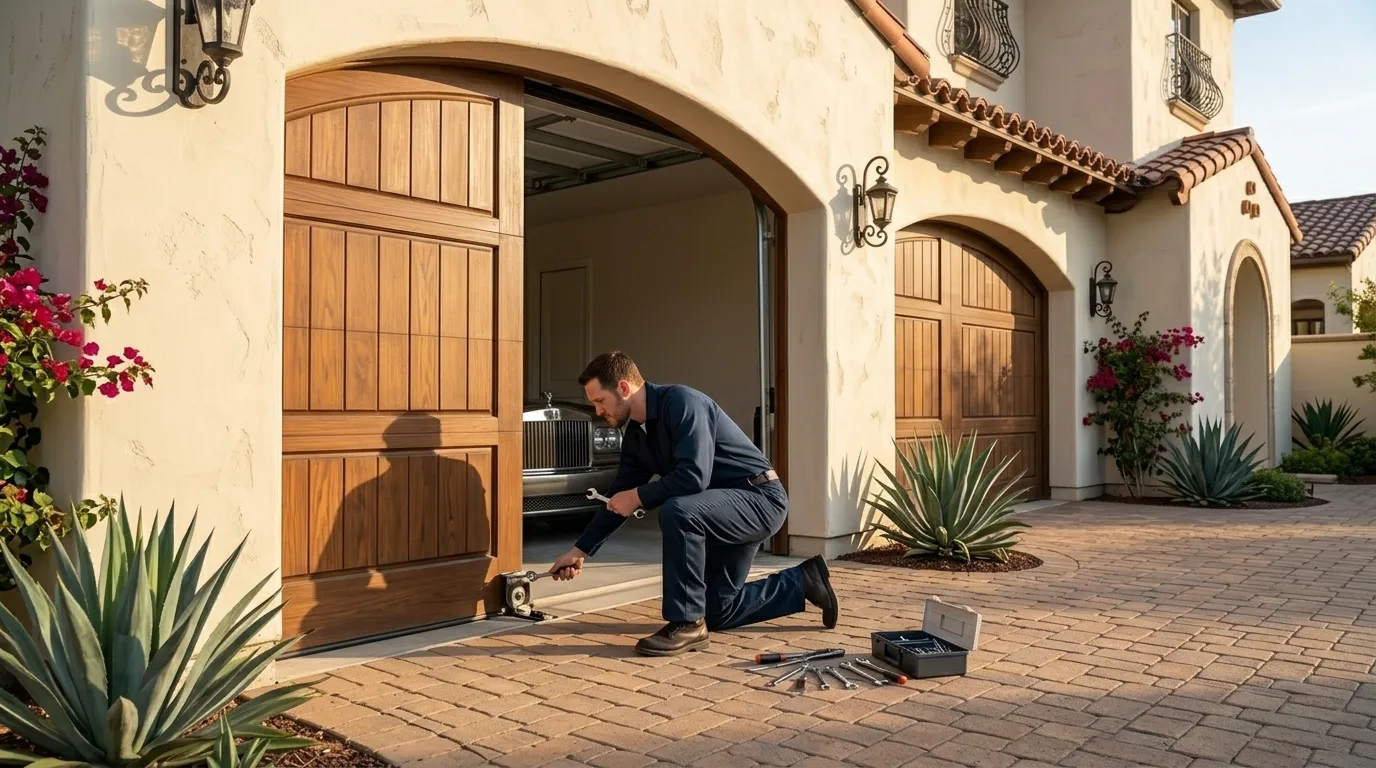
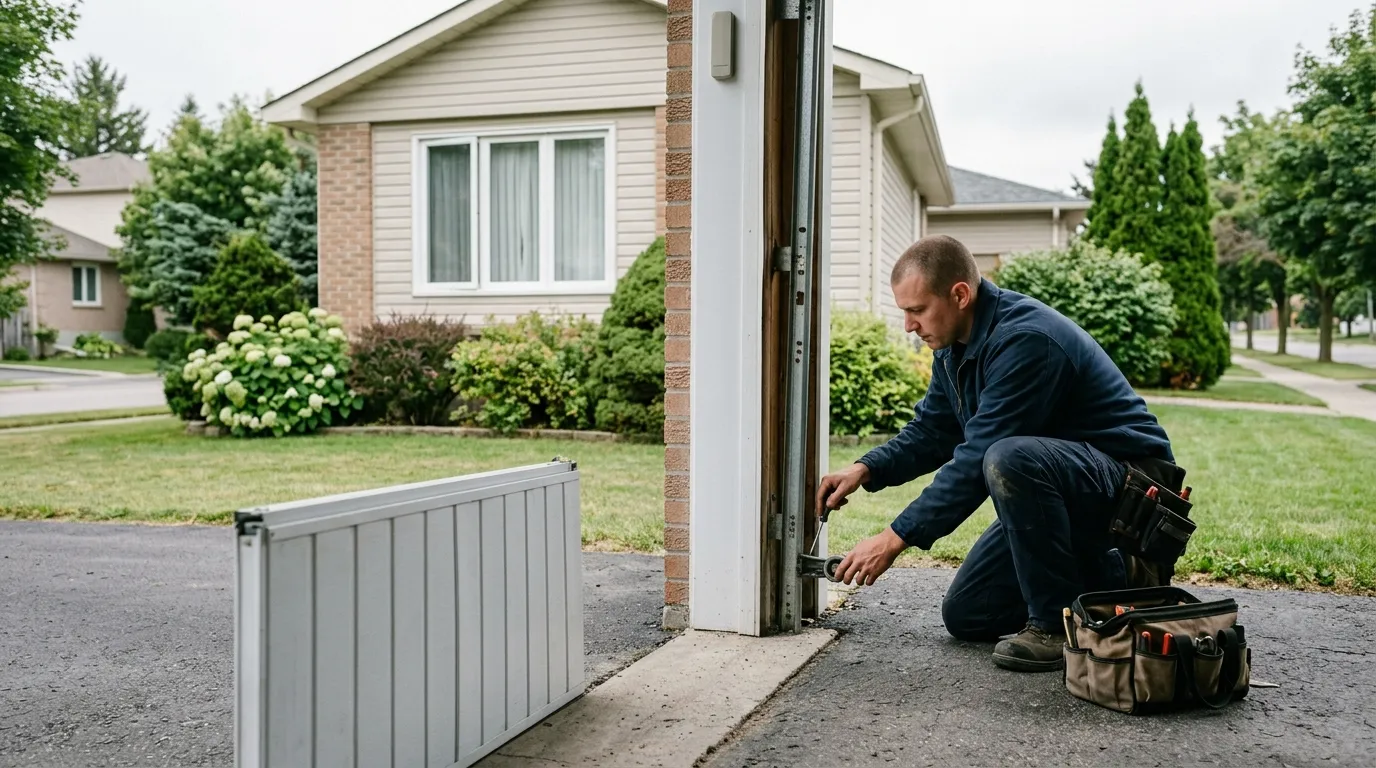
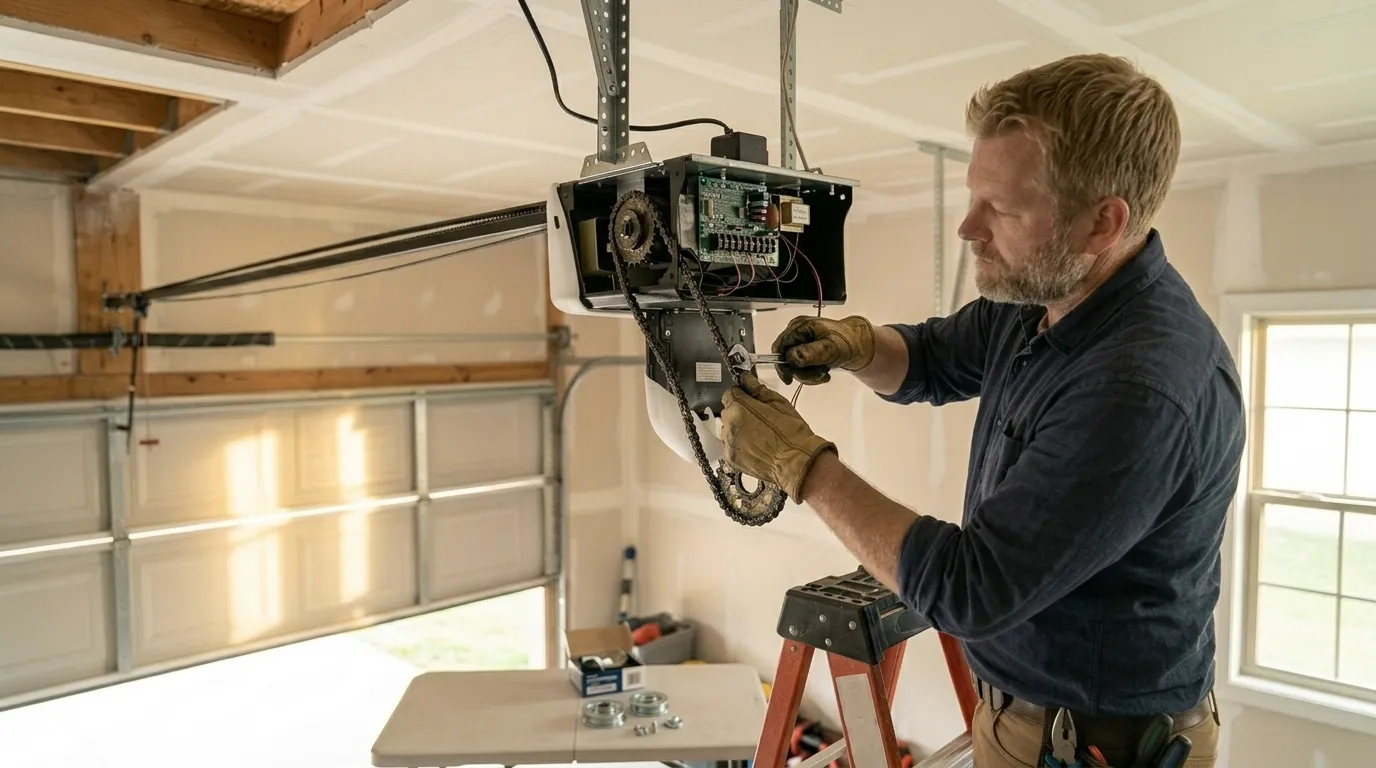
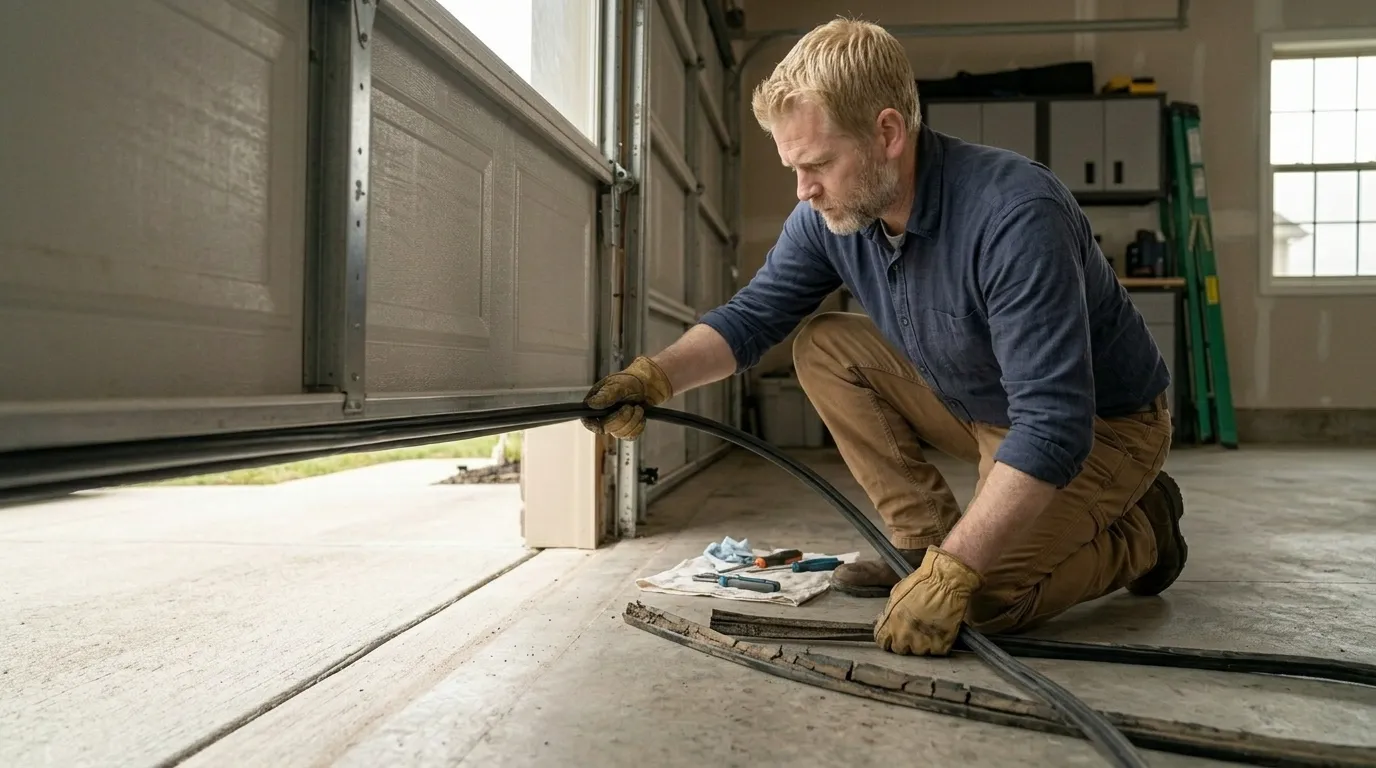
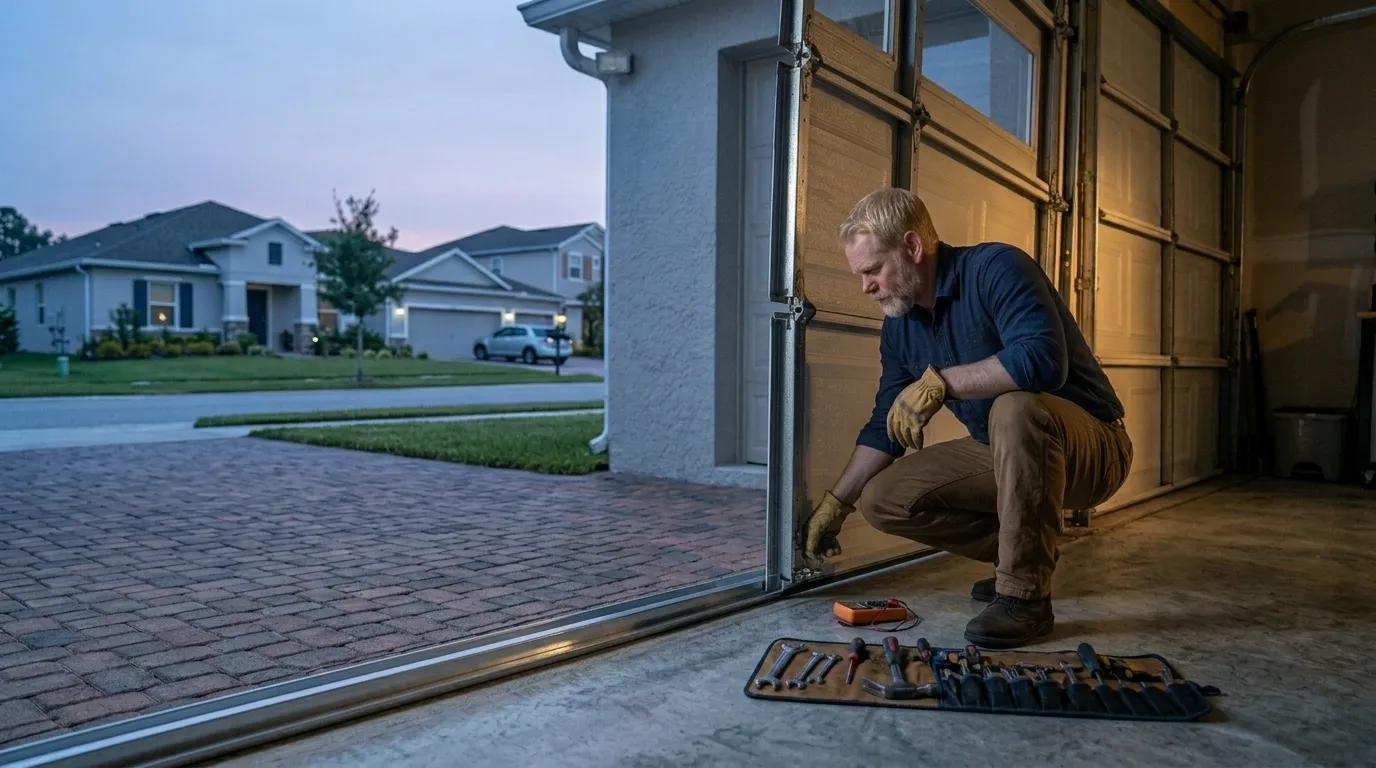
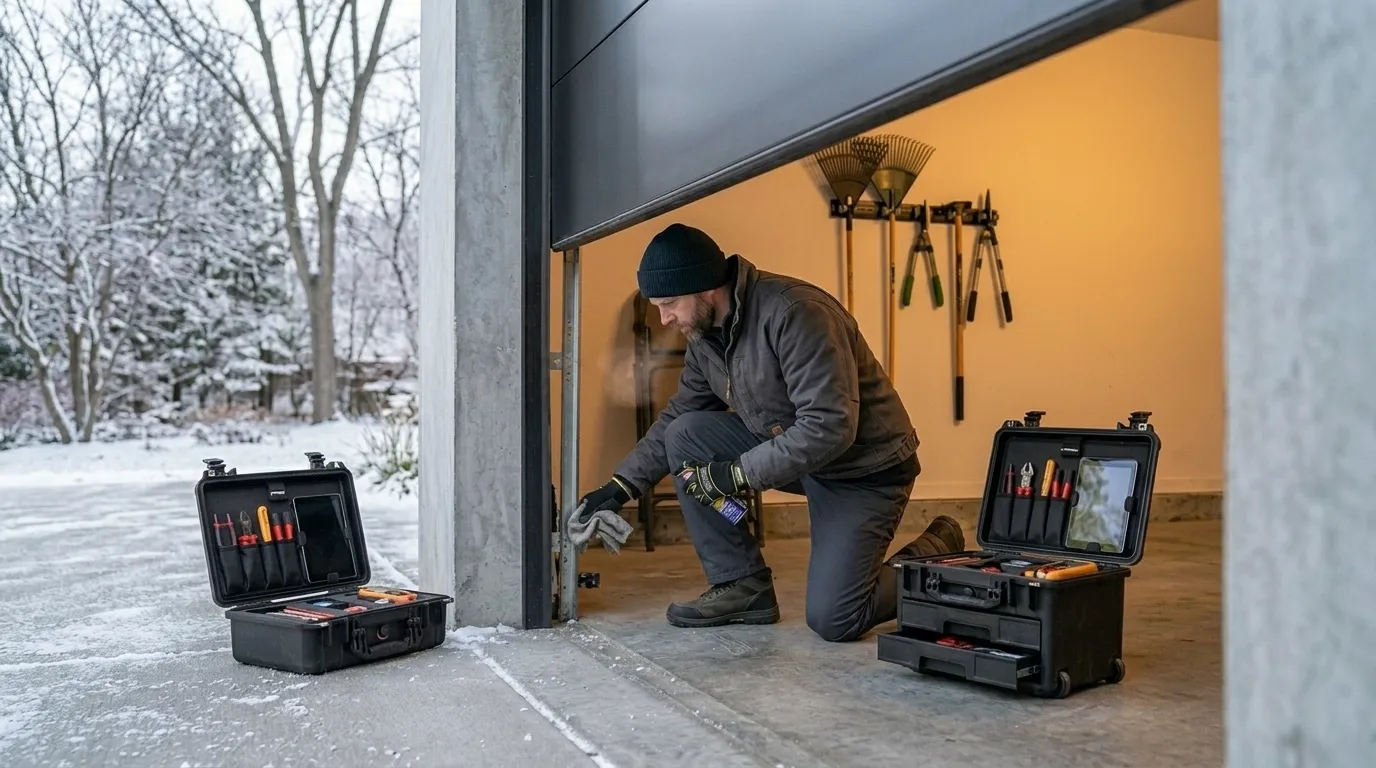
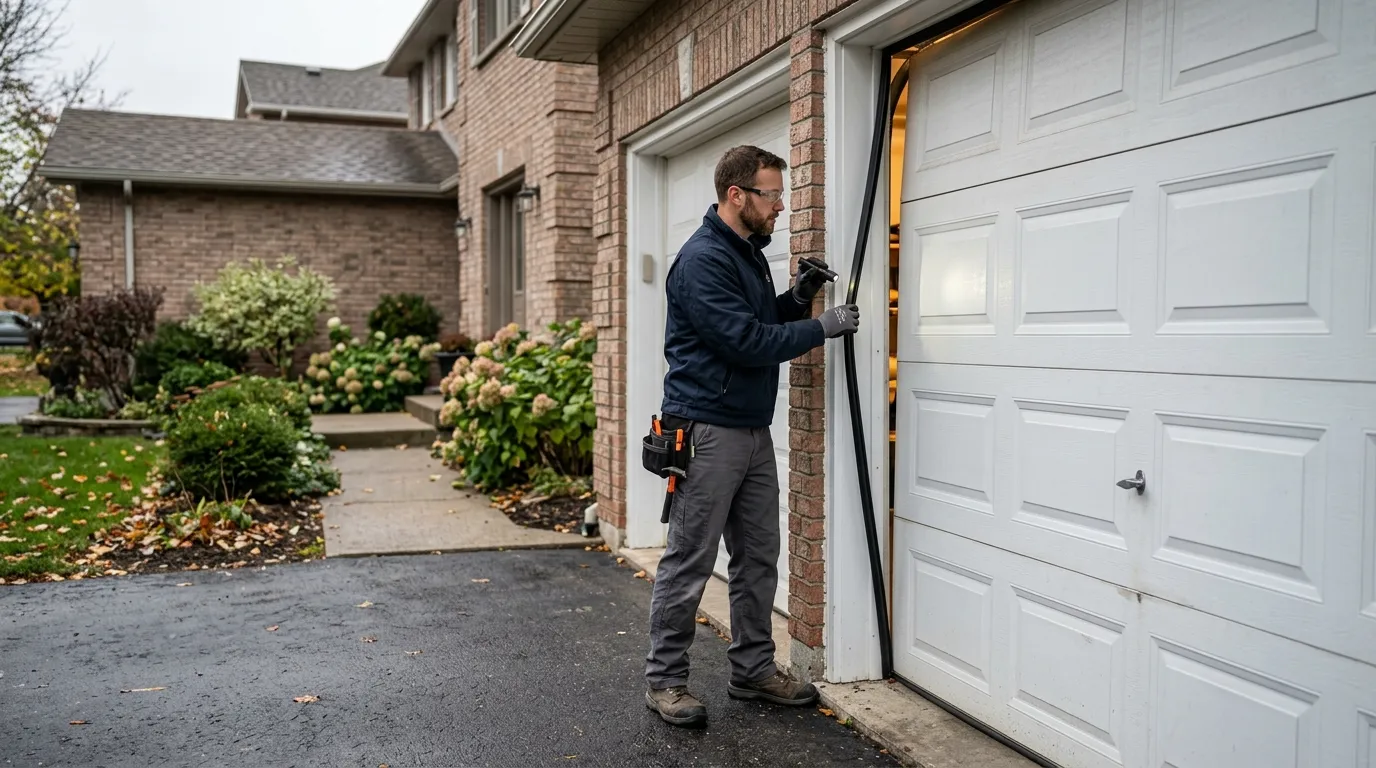
A maintenance visit isn't just a squirt of oil and a handshake. We're checking and, when needed, swapping torsion springs, end bearing plates, rollers (nylon or steel, depending on what's already on the door), lift cables, hinges at every fold point, and the weatherstripping along the bottom panel and jambs. On homes from the 1959-2001 stretch that makes up most of this area's housing stock, we also see a lot of original galvanized track that's pitted from decades of temperature swings, and openers old enough that the safety reversal sensors are due for a real check, not just a glance.
We carry standard-size torsion springs and rollers on the truck for common door widths, since that covers most of what we run into across the 30-plus communities in this service area. What we don't carry, and won't pretend to: oddball custom panel sizes or discontinued opener logic boards. If your door needs one of those, we'll tell you straight rather than jury-rig a fix that fails again in six months. That's the one limitation worth saying up front - some parts have a lead time we can't shorten.
The Cost of This Job
We're not going to hand you a number here, because a maintenance visit on a door with a healthy spring and a door where the spring is a week from snapping cost different amounts, and we haven't seen your door yet. What we can tell you is how the math tends to work in this area: with a median household income of $98,943 across the service area, most owners we talk with treat a routine tune-up as cheap insurance against the bigger bill - a full spring failure, a burned-out opener motor, a bent track that's stressed the whole frame.
Maintenance is the lower number. Waiting until something breaks is the higher one, almost always, because a failed spring under load can take a cable, a roller, or a track bracket with it. If your door is already grinding, sagging on one side, or the opener is straining, that's not a maintenance call anymore - that's a repair call, and it's priced differently. We'll tell you which one you actually need before we start, not after.
How It Shows Up
The first sign is usually sound, not failure - a door that used to be quiet starts making a metallic scrape on the way up, or the opener strains for an extra second before the door moves. That's often a roller riding rough in an old track, or a spring that's lost a bit of tension and is making the opener do work it shouldn't have to.
Second sign is balance. Disconnect the opener and lift the door by hand - if it doesn't stay roughly where you put it, or one side drops faster than the other, the spring or the cable on that side is going. On the older stock common across this service area, we see this most in doors that haven't had the springs touched since installation.
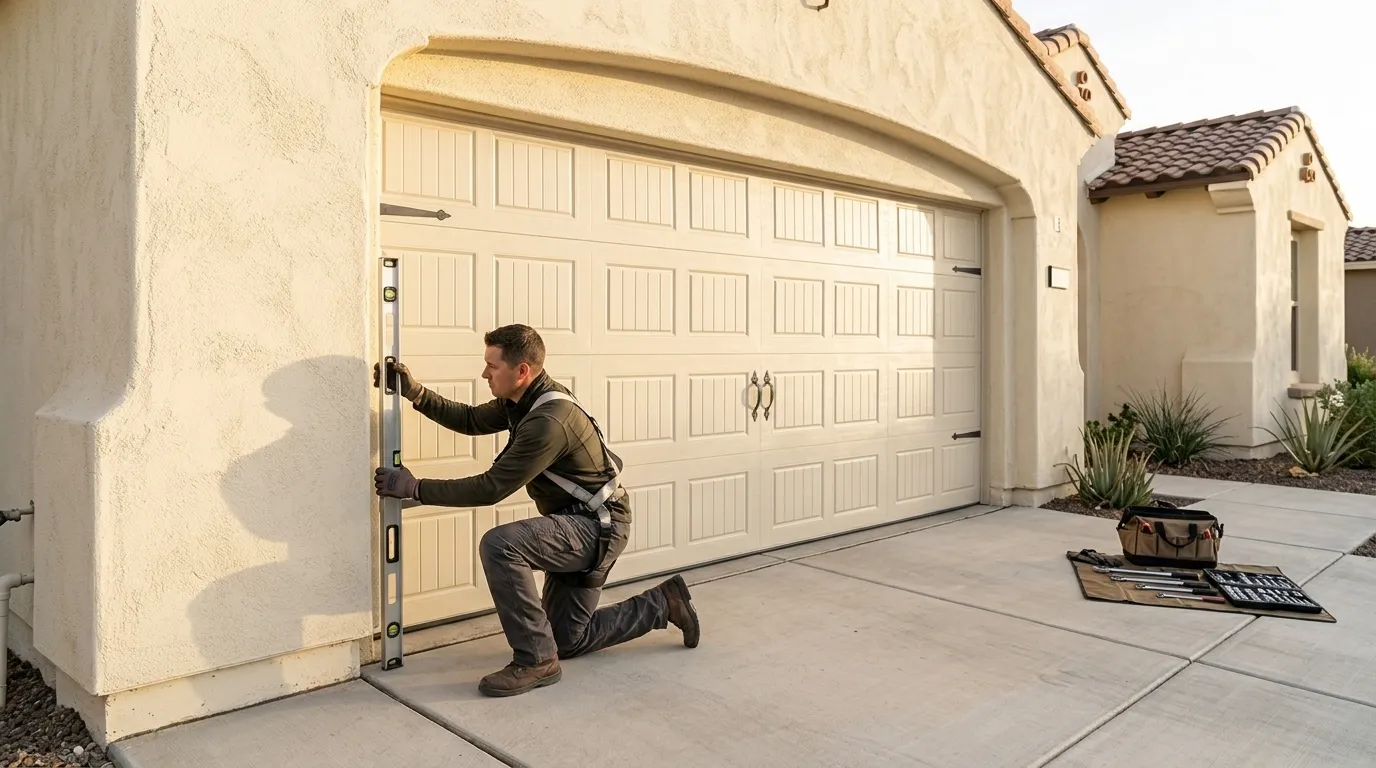
Third is the door closing crooked, catching on one side, or the opener reversing on its own partway down. That's frequently a track that's shifted slightly out of plumb from years of freeze-thaw movement in the slab or frame. None of these are emergencies the day they start. All of them get worse through a full winter if left alone.