Getting Here
Windsor sits about 5 miles from our shop in Sun Prairie, a short run up the highway with no reason to tack extra time onto a call. We don't keep a building in Windsor itself and won't pretend otherwise - the truck comes from Sun Prairie every time, loaded before it leaves. That five-mile stretch is close enough that a spring job in the morning doesn't eat the whole day, and it's close enough that we can bring the right spring cable or roller size on the first trip instead of guessing and coming back. Windsor homeowners calling us are getting a crew that knows the area's housing pattern, not a dispatch center guessing at what's behind your door panel. The area's proximity also means our estimates for driving time are honest ones - we're not routing through three other towns to reach you, we're coming straight from base.
How That Shows Up in the Door
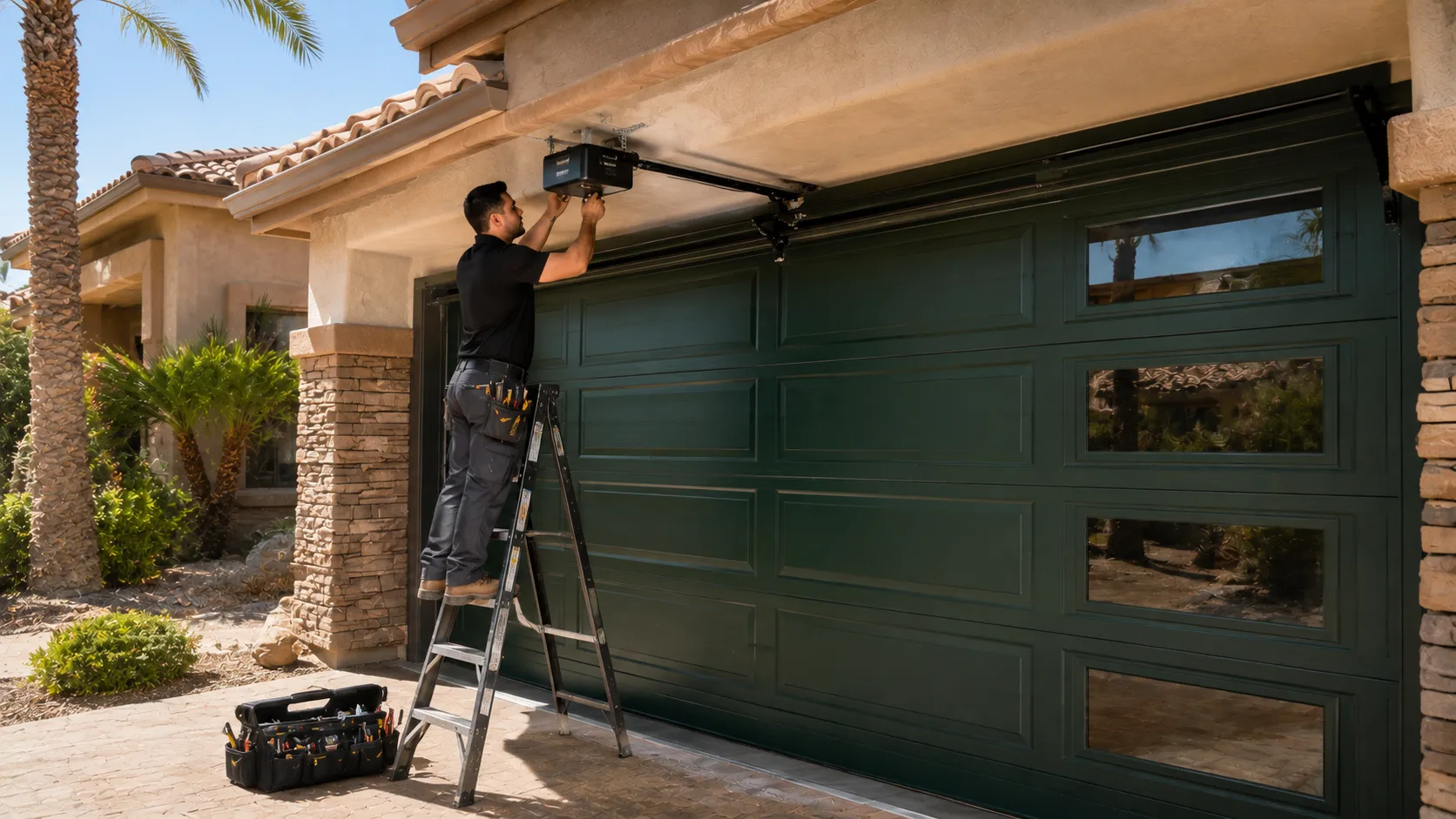
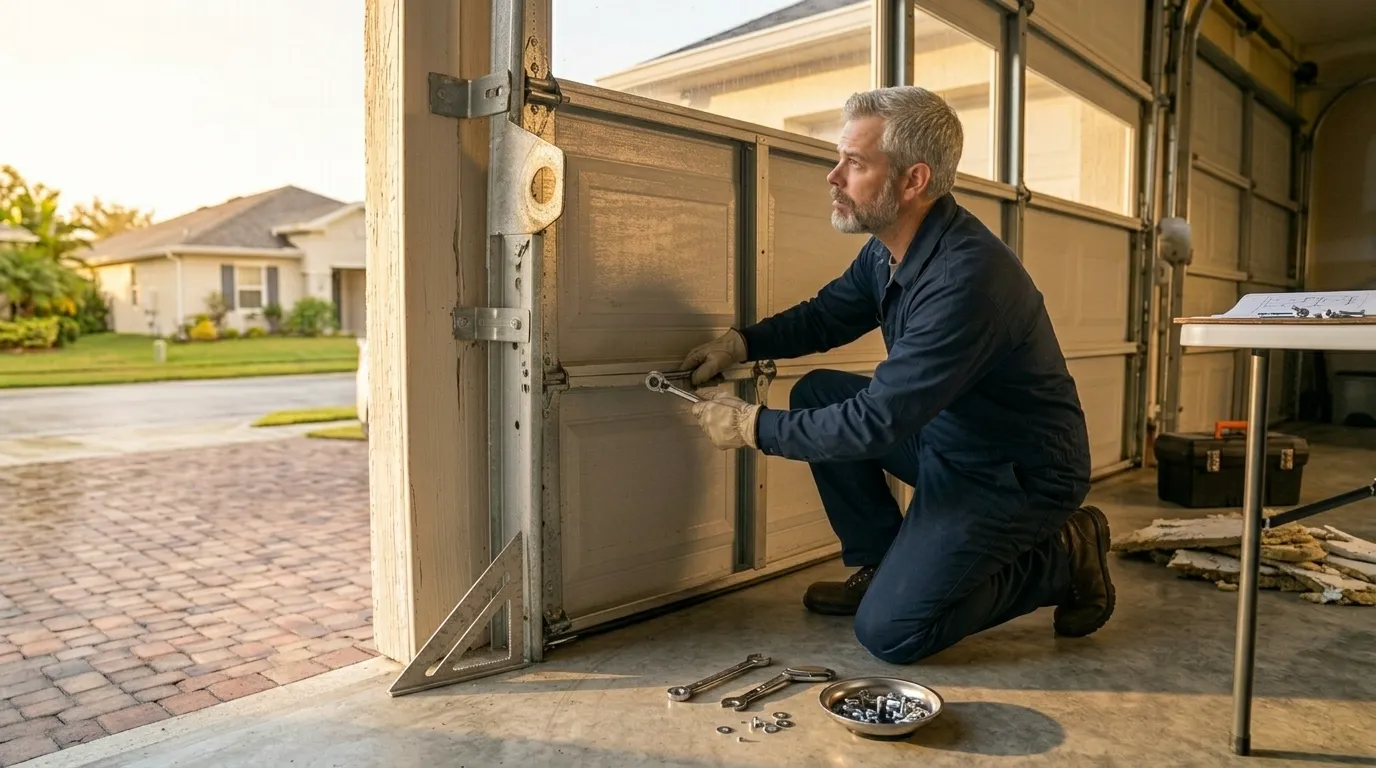
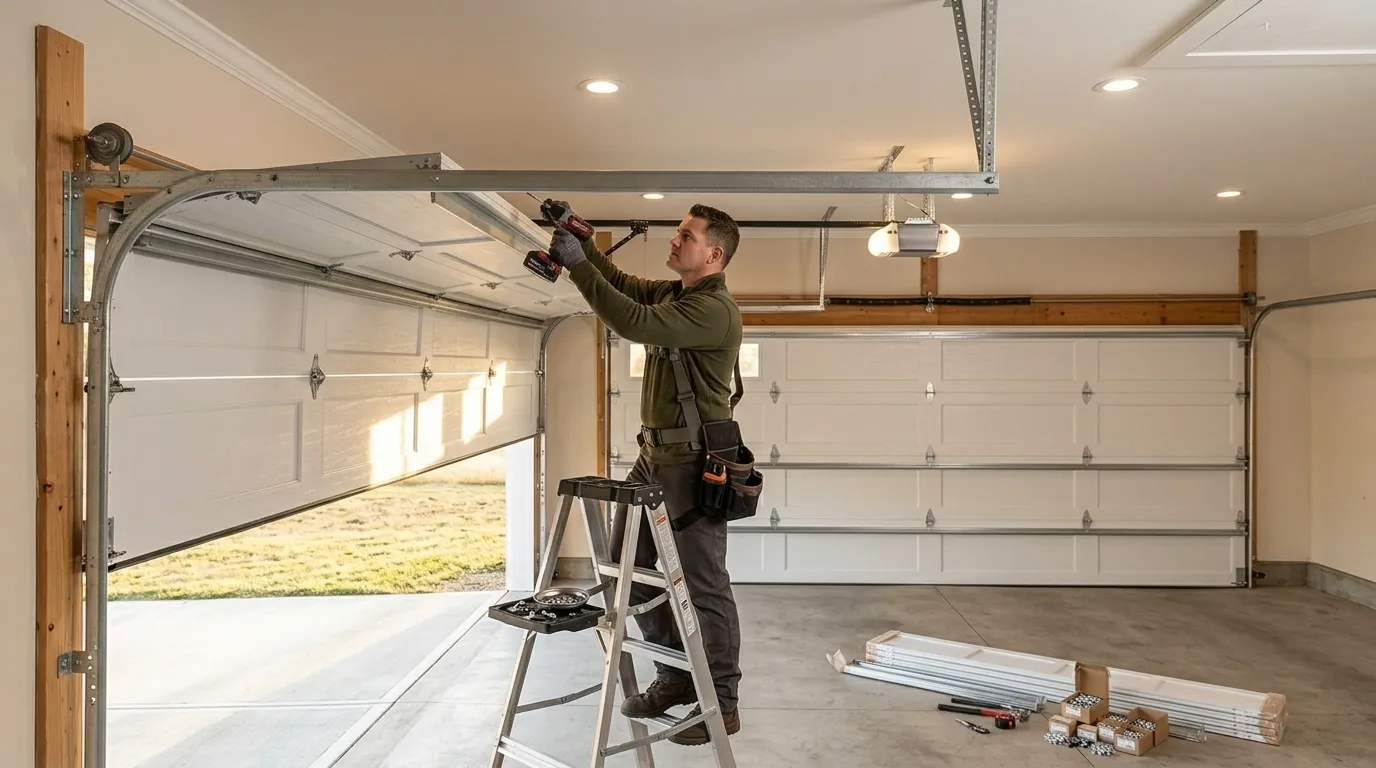
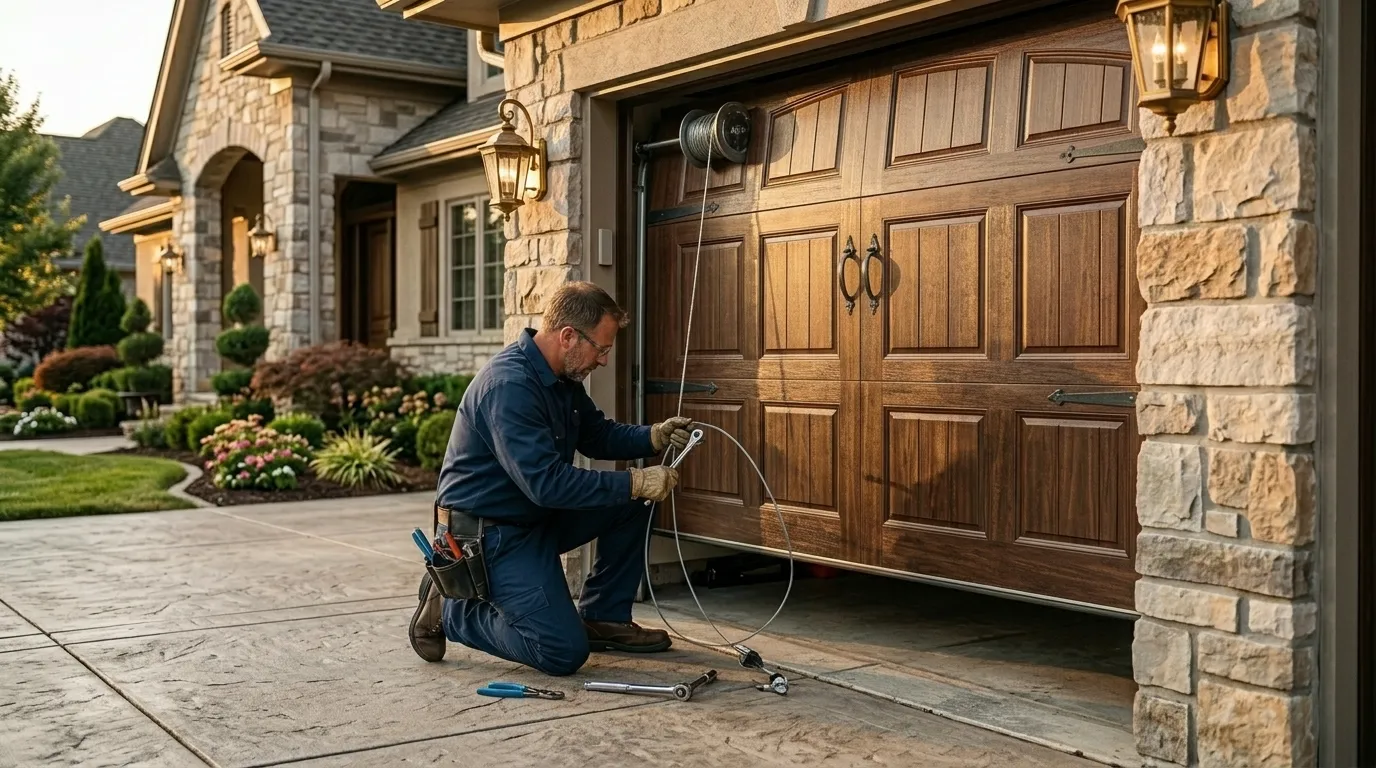
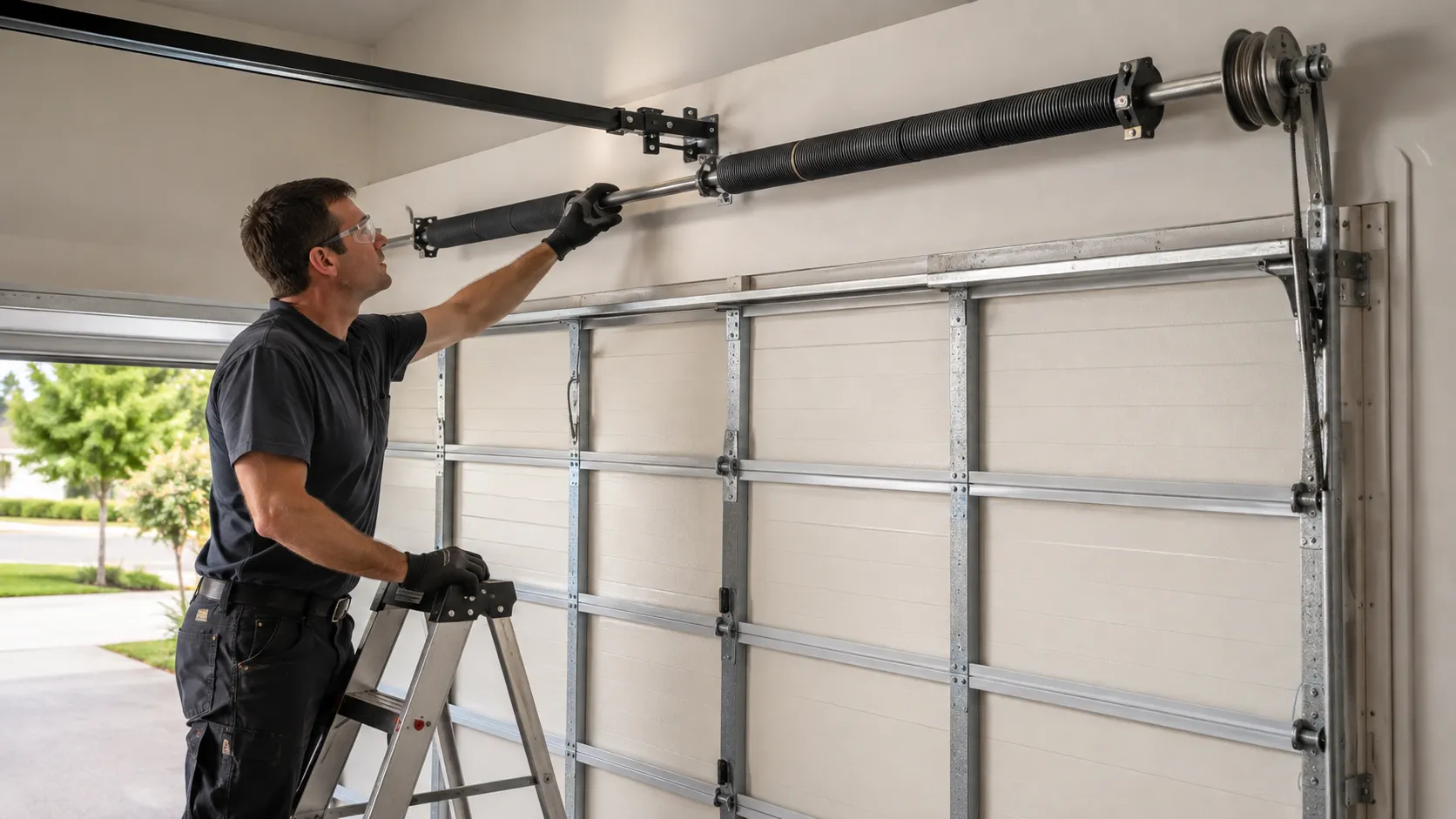
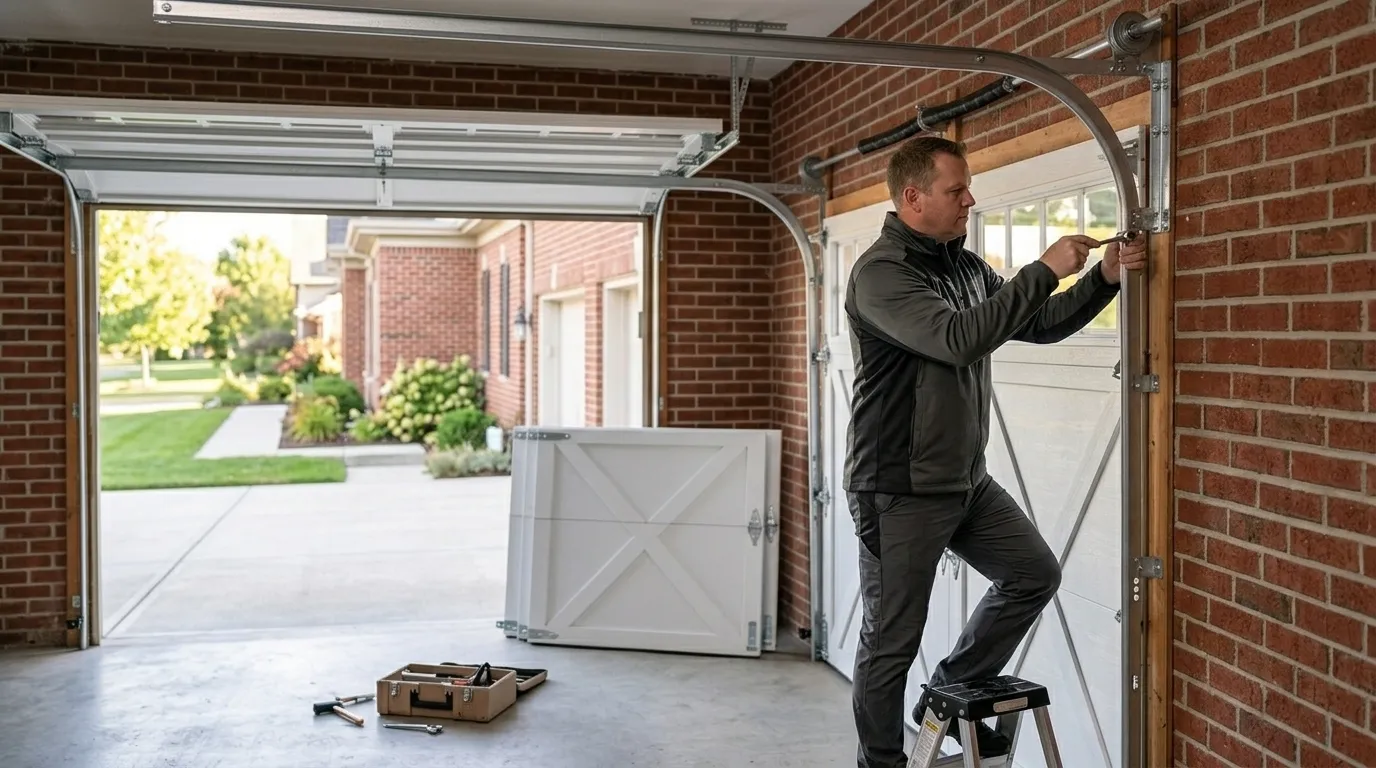
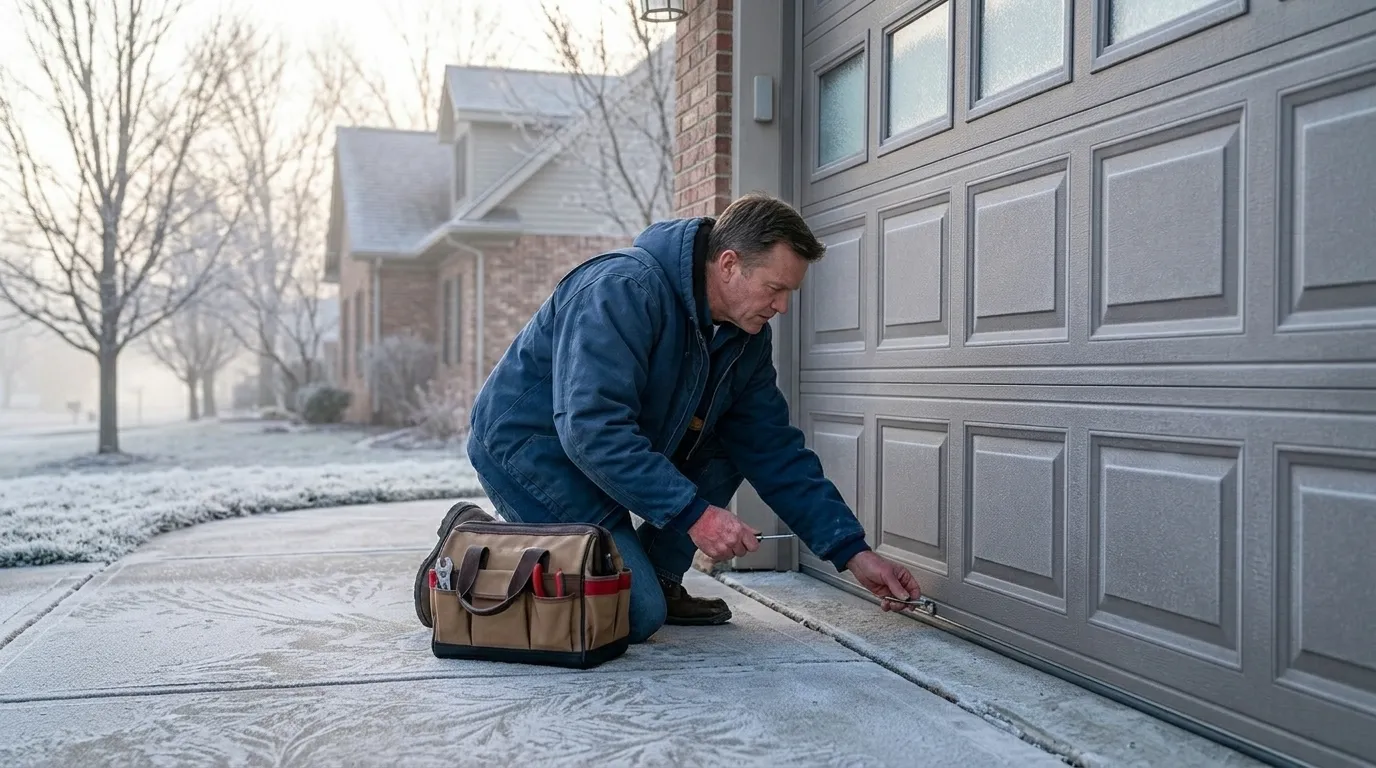
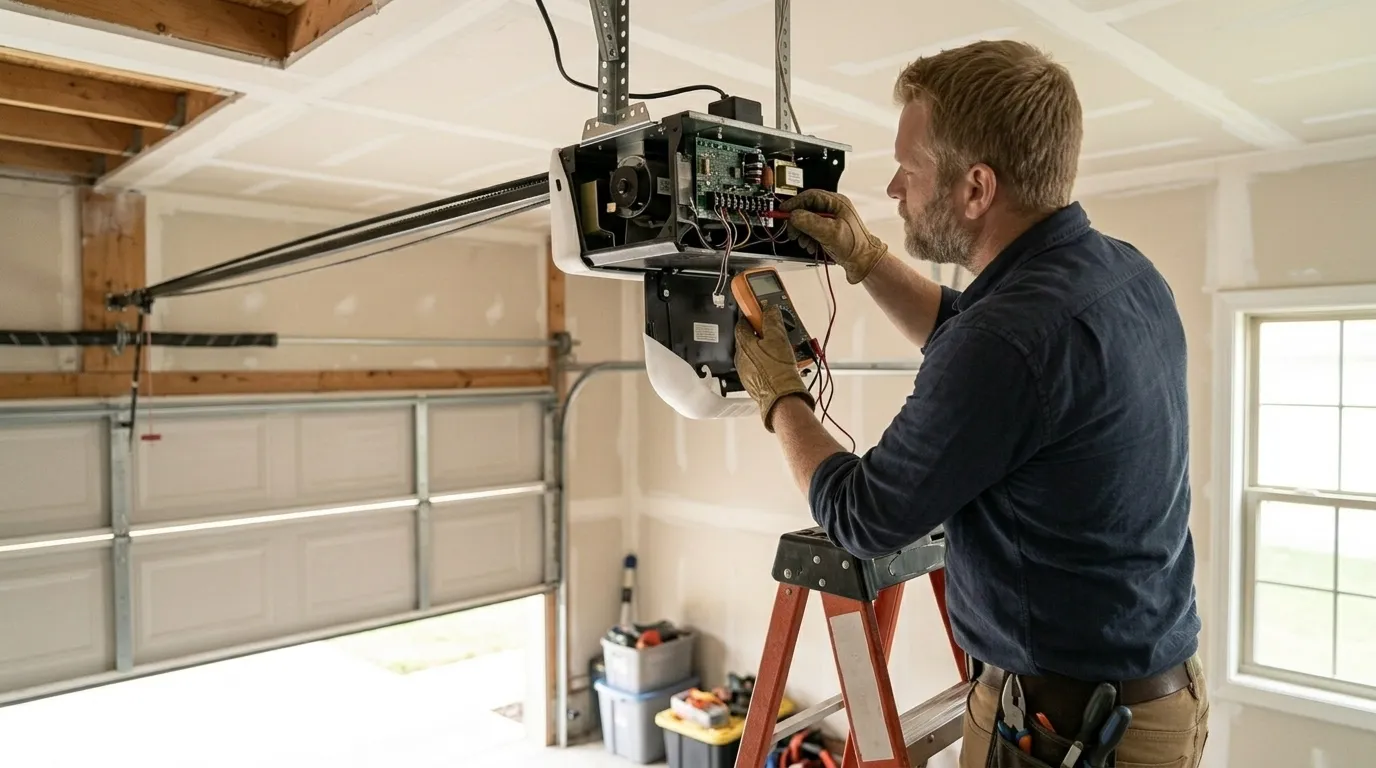
Windsor's housing runs newer than a lot of what we see across the wider service area. The median year built here is 1991, several years past the 1986 midpoint for the region as a whole. That matters for the hardware behind the door. A house built in 1991 is more likely to have a steel raised-panel door on a torsion spring system with an early chain-drive or belt opener, not the older extension-spring setups you still find on houses from the 1960s and 70s elsewhere in the coverage area. The winding cones, the drum sizes, even the bracket spacing on a 1991 door track differently than what we pull hardware for on an older build. Cold-climate stress is still the same across the region - this is a severe cold band, and steel doors here take the same freeze-thaw cycling on hinges and rollers as anywhere else we cover. But the age of the stock changes which parts fail first: on Windsor jobs we're more often replacing a worn opener gear or a stretched cable than rebuilding a whole spring assembly on ancient extension coils.
This Area's Housing
Windsor has about 3,272 households and a median income of $115,111, noticeably higher than the roughly $98,943 median across the broader service area. That income level tends to show up in the doors themselves - more insulated steel and composite doors, fewer bare single-layer panels, and openers upgraded rather than left to fail outright. Combined with a median build year of 1991, this puts Windsor's housing stock toward the newer end of what we work on day to day, most of which across the region falls between 1959 and 2001. It's not new construction, but it's not the oldest stock either - old enough that original hardware is aging out, new enough that most of what we find is standard and easy to source. That combination of higher income and newer builds means Windsor jobs more often end in a straightforward opener swap or hardware upgrade than in wrestling with an obsolete track system.