
The Cost of This Job
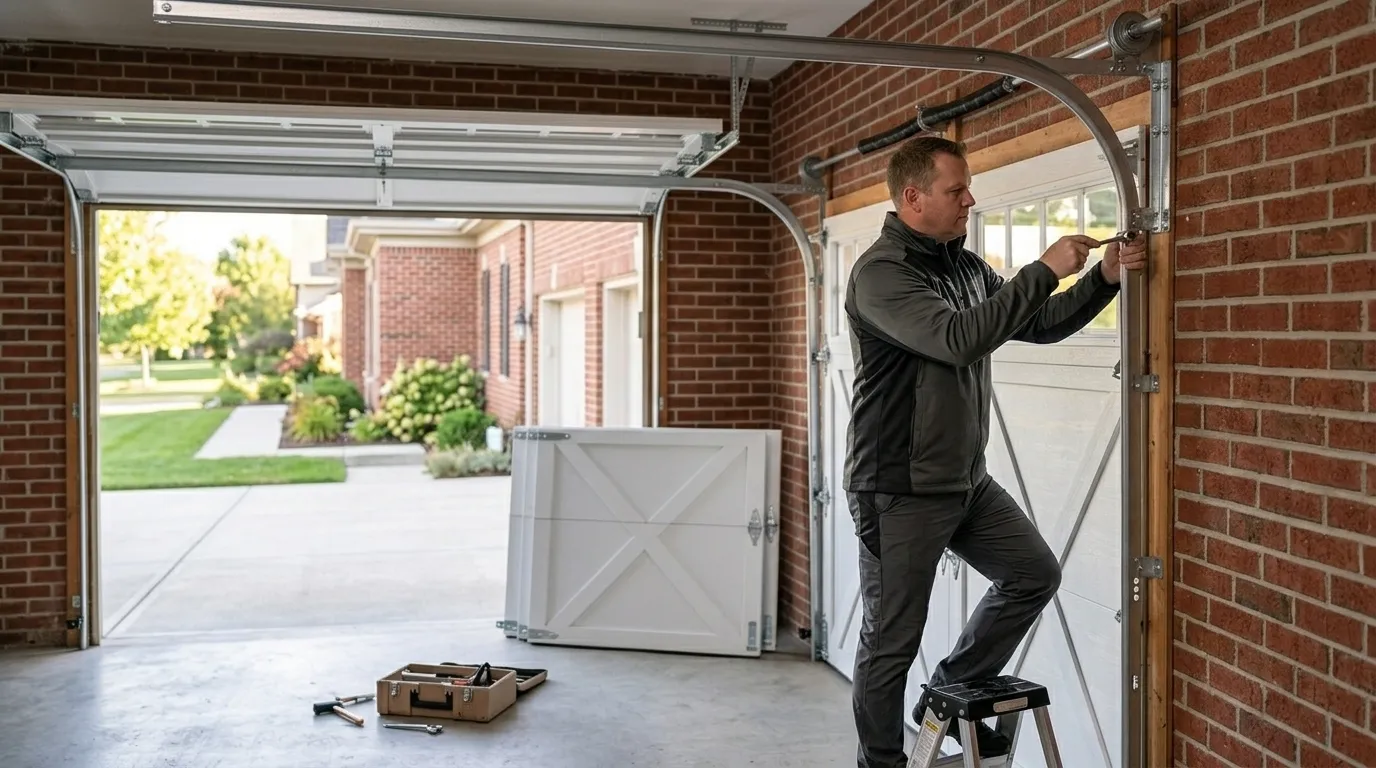
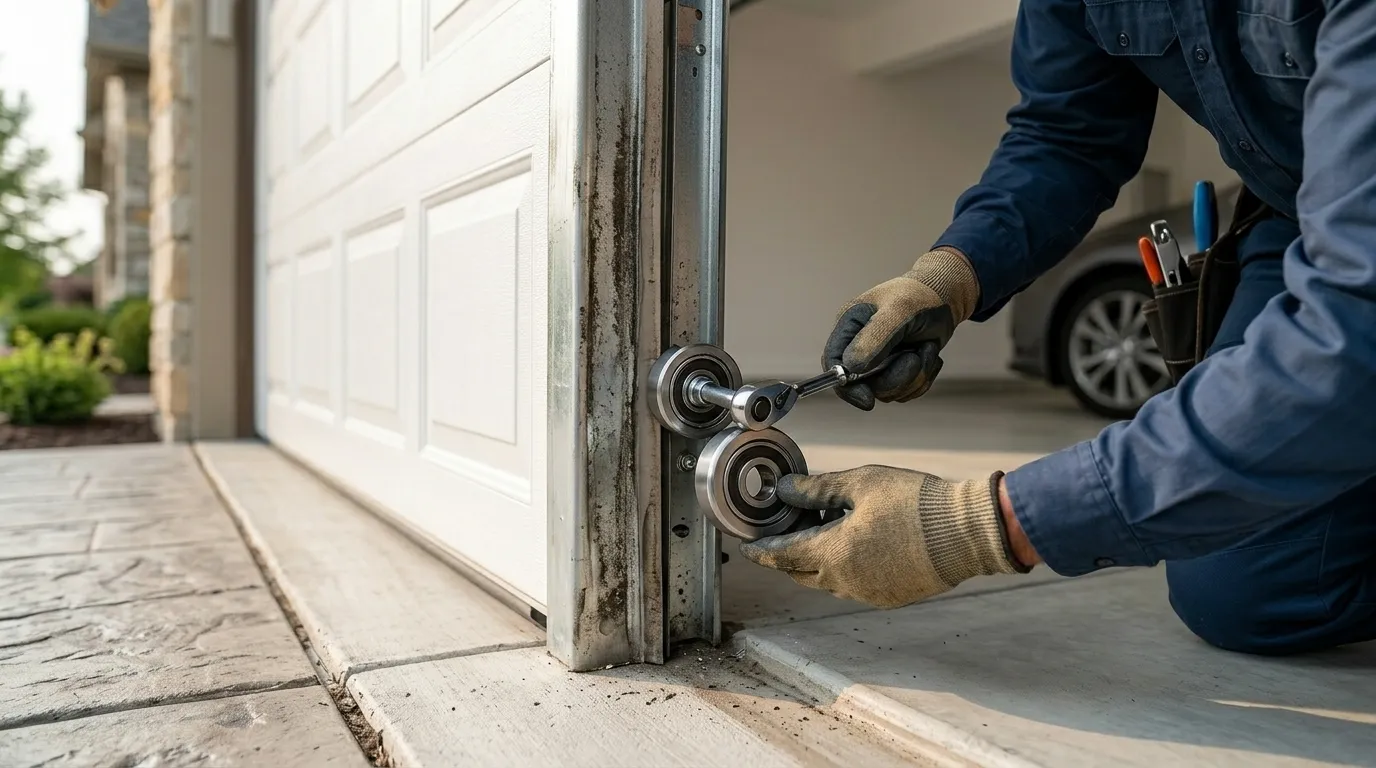
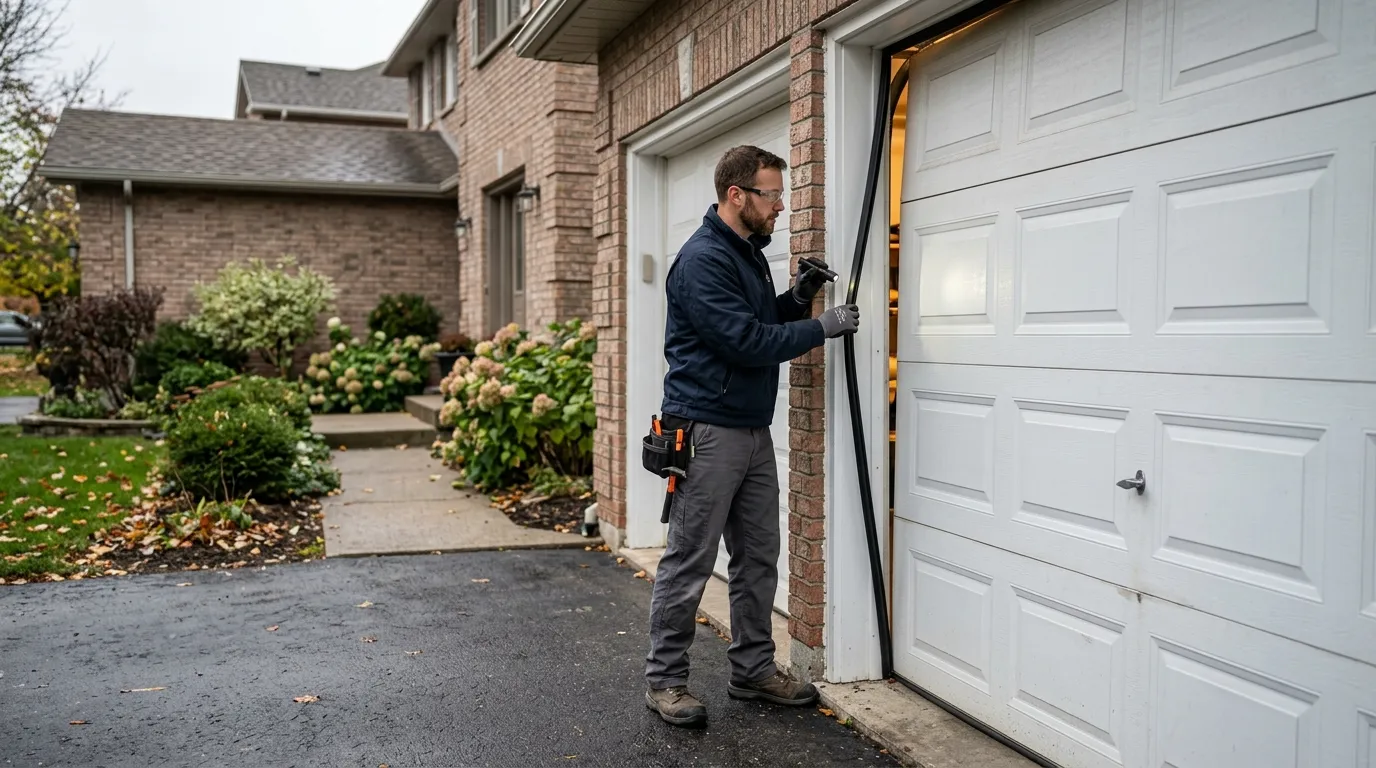
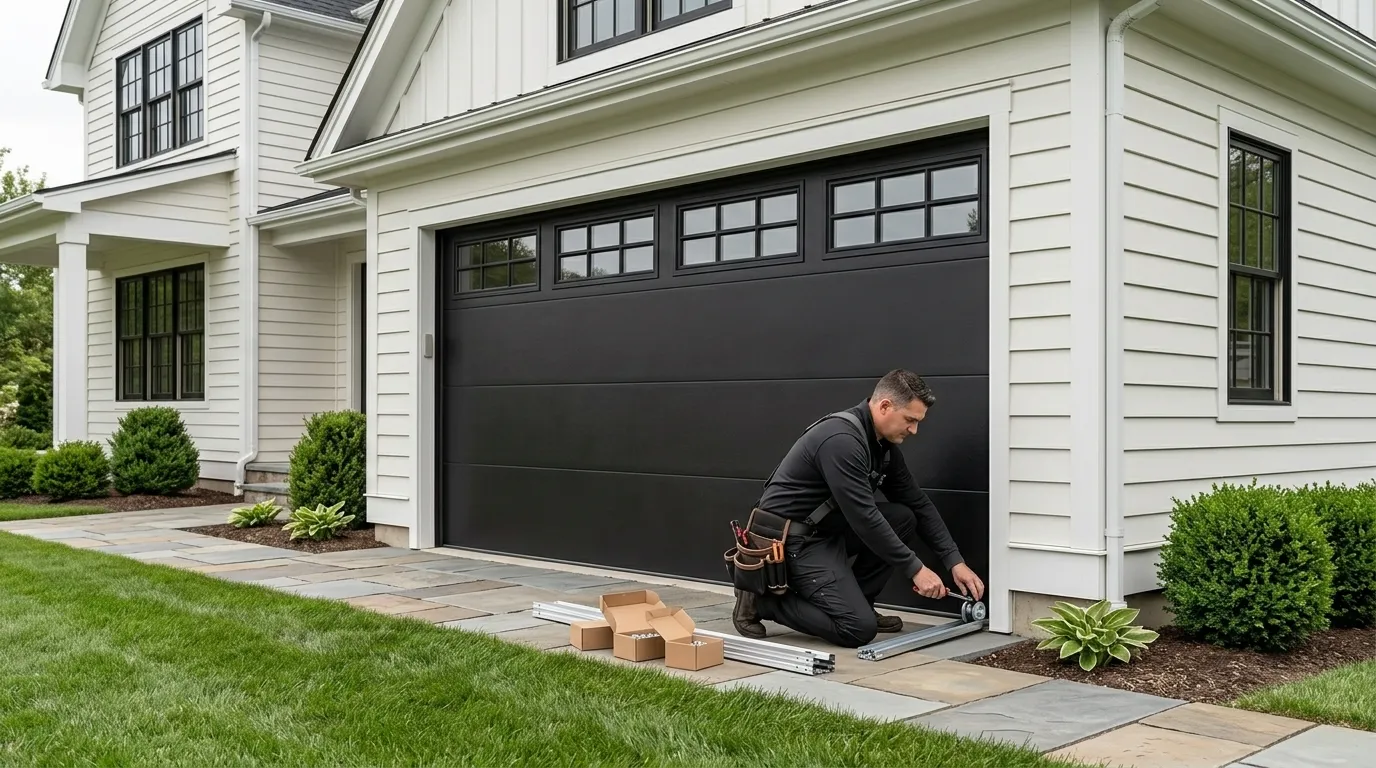
A cable job here usually means one of two things: a single lift cable has frayed off the drum, or both cables need replacing because the door dropped crooked and bent the tracks on the way down. On a standard double door with torsion springs, that's a different job than a single cable snap on a lighter single door. What drives the price isn't the cable itself, which is cheap - it's whether the drums, the bottom brackets, or the tracks took damage when the door came off true. Windsor's housing stock, mostly put up around 1991, still carries a lot of original torsion hardware, so we're often replacing 30-year-old drums along with the cable rather than just the cable. We won't quote a number here we can't back with a visit, but we'll tell you on-site whether you're looking at a cable swap or a cable-plus-hardware job before we start.
Parts We Carry
We carry galvanized and aircraft-grade lift cables in the sizes that fit torsion-spring setups from the early 90s builder era, along with the matching drums, bottom fixture brackets, and safety cables for extension-spring doors on older outbuildings or additions. What we don't stock on the truck is anything custom - odd-length cables for a hand-built door, or drums for an obscure opener-and-track combo that never sold in volume. If your door needs one of those, we'll order it and tell you the wait up front rather than pretend we have it in the bin. Most Windsor jobs don't need that; the housing here is consistent enough that standard stock covers the majority of calls.
Can You Do This Yourself
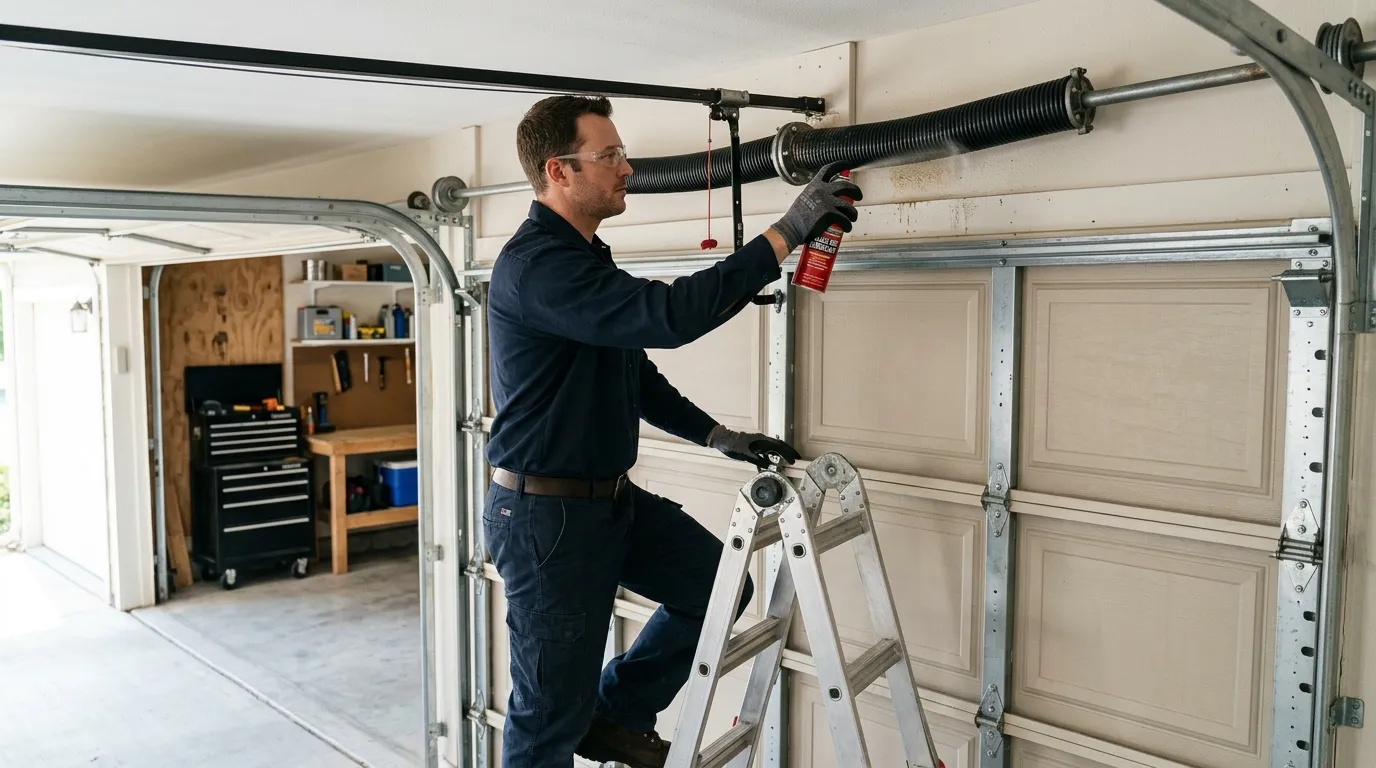
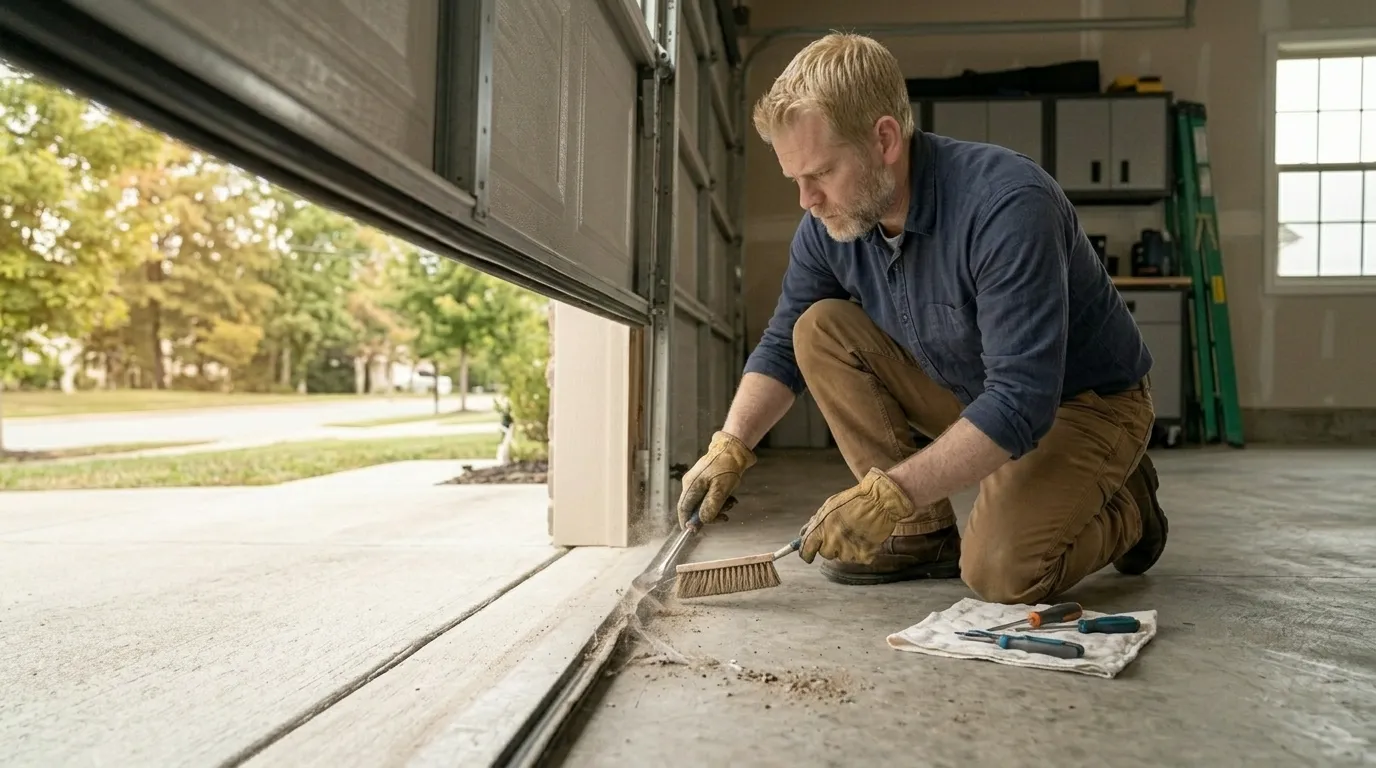
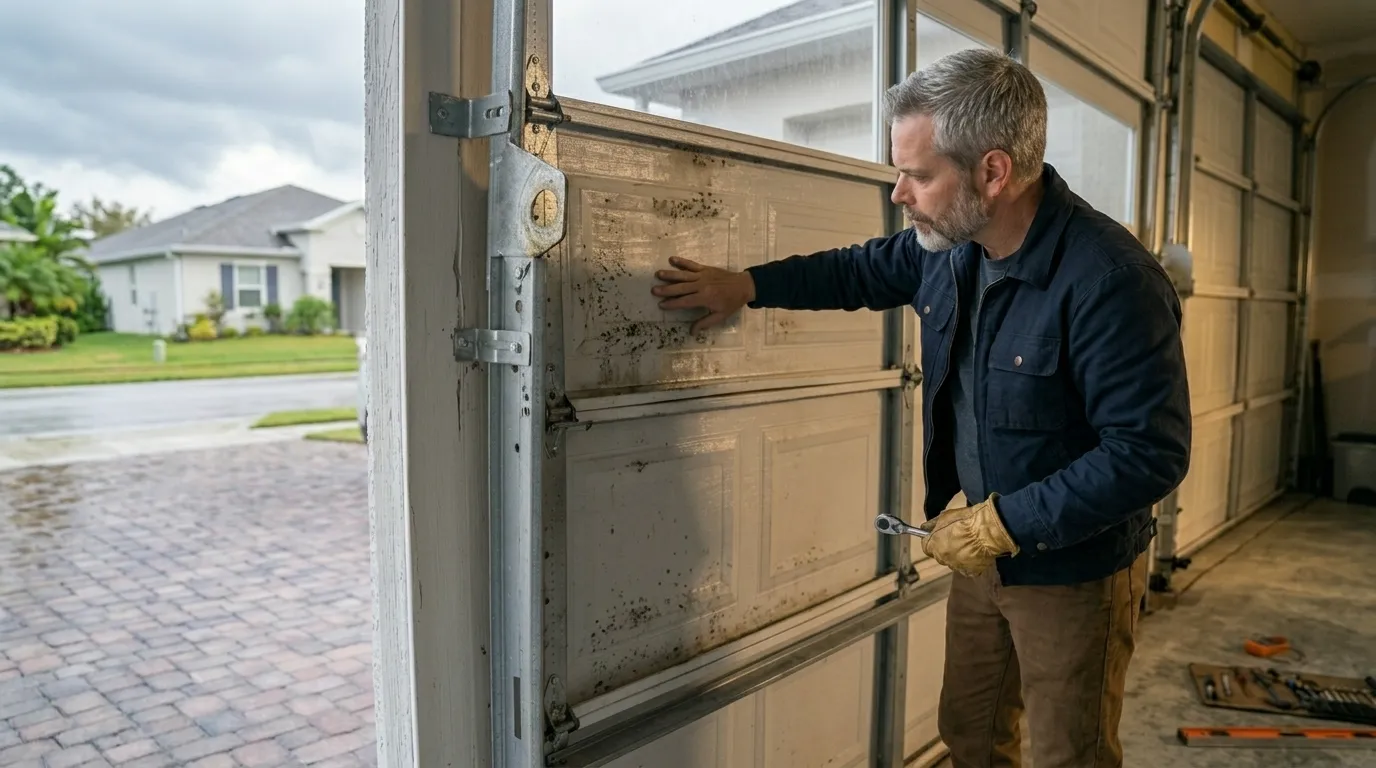
Replacing a lift cable on a torsion-spring door means working near a spring under load, and that's not a job to learn on your own garage. Extension-spring cables are a bit more forgiving, but even those put real tension through a bracket that can let go fast. If the door is already down and disconnected from the opener, you can safely inspect the cable for fraying, rust, or a bent drum without touching anything under tension - that's useful information to have ready when you call. Past that, we'd rather you wait for someone with the bar and the vise grips than end up needing a hand injury fixed instead of a door.
Why It Happens Here
Windsor's houses mostly went up around 1991, which puts this area right in the middle of the region's broader building run of 1959 to 2001, centered on 1986. That means original torsion-spring hardware with cable-and-drum setups is still common on doors that have never been touched. This area also sits in a cold-climate band with severe winter conditions, and cold does two things to a cable: it stiffens the coating that keeps rust off the strands, and it makes the drum bind slightly tighter on a cold morning, which puts extra load on a cable that's already thirty years into its life. Put an early-90s cable through enough sub-zero mornings and the fraying starts at the drum end, right where you can't see it without pulling the door apart. That's the failure pattern we see across this stretch of houses more than a snapped cable out of nowhere.