The Cost of This Job
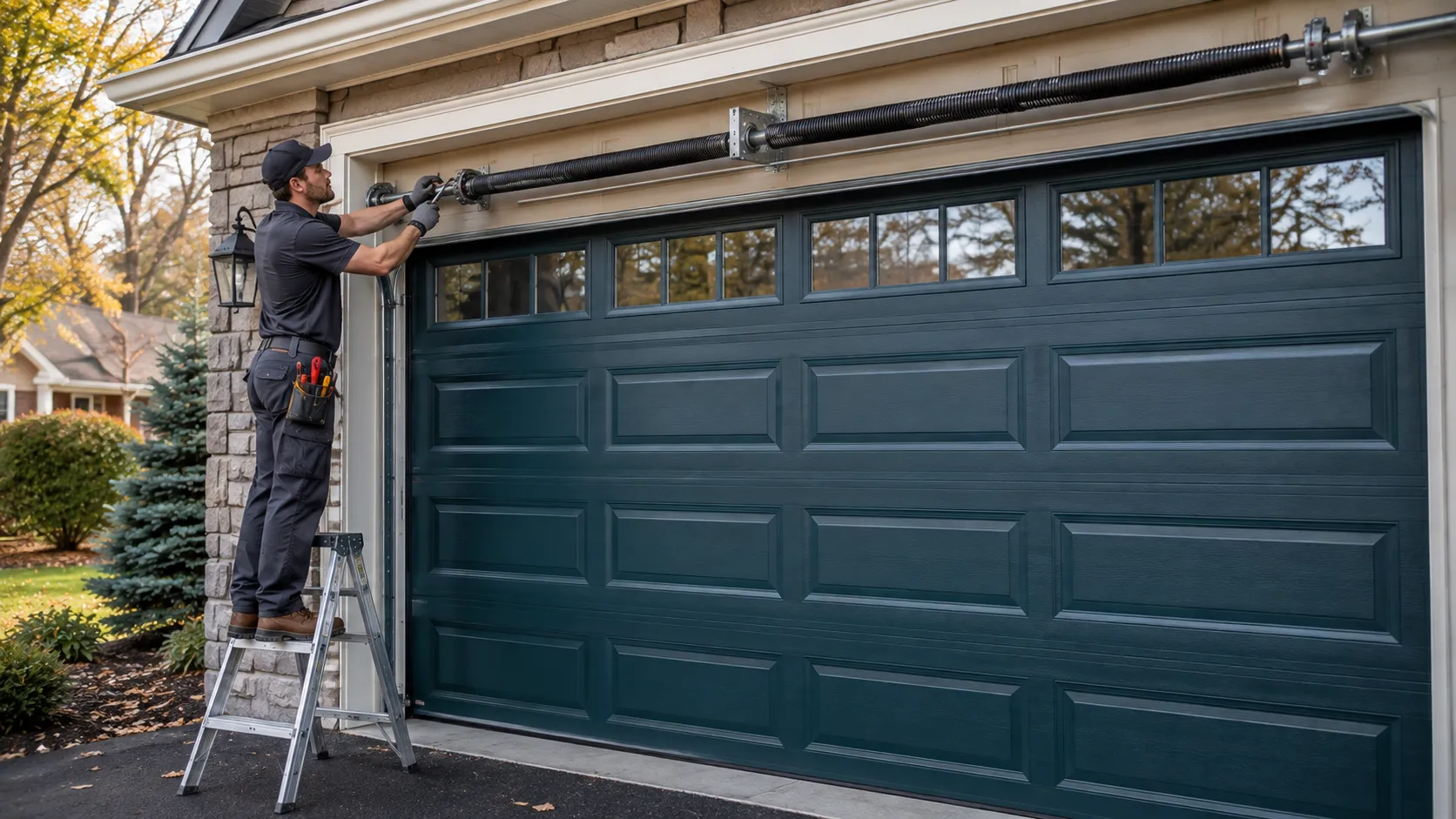
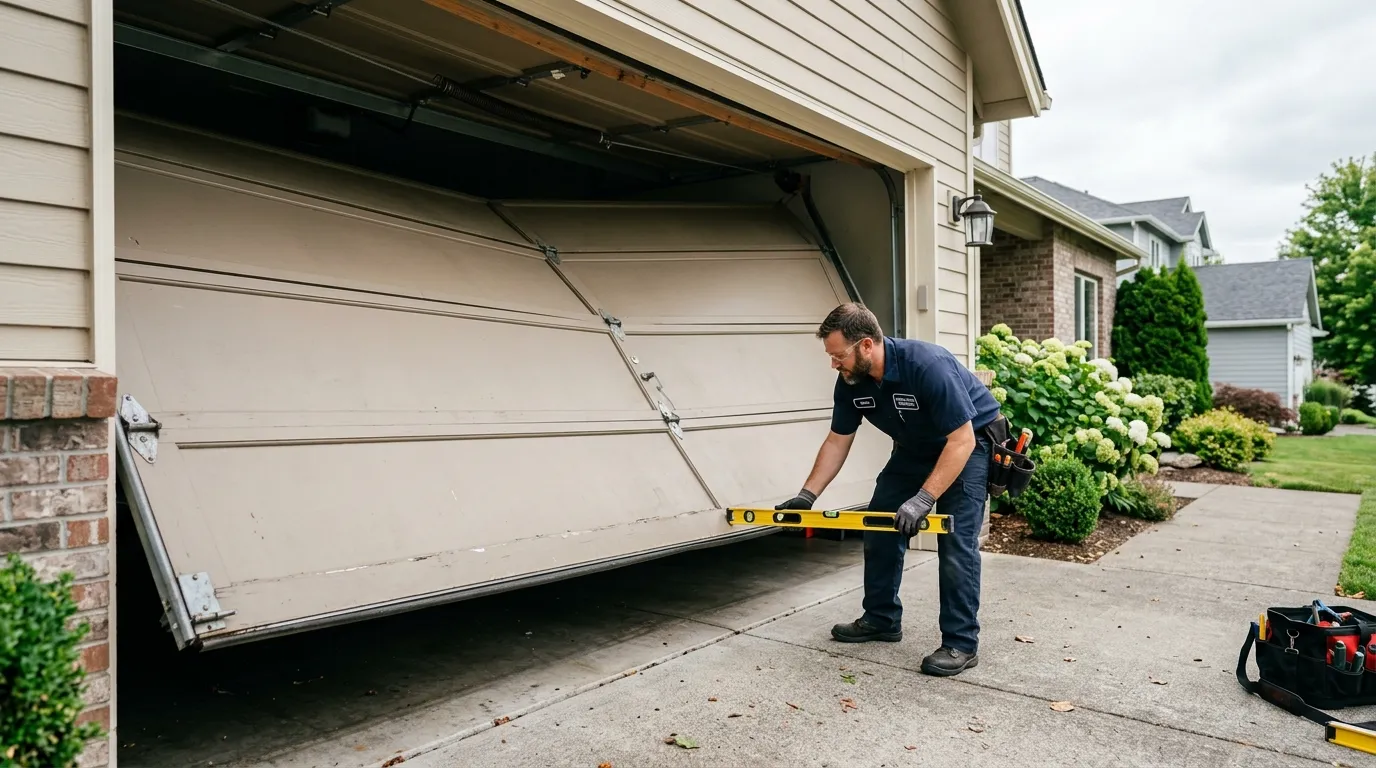
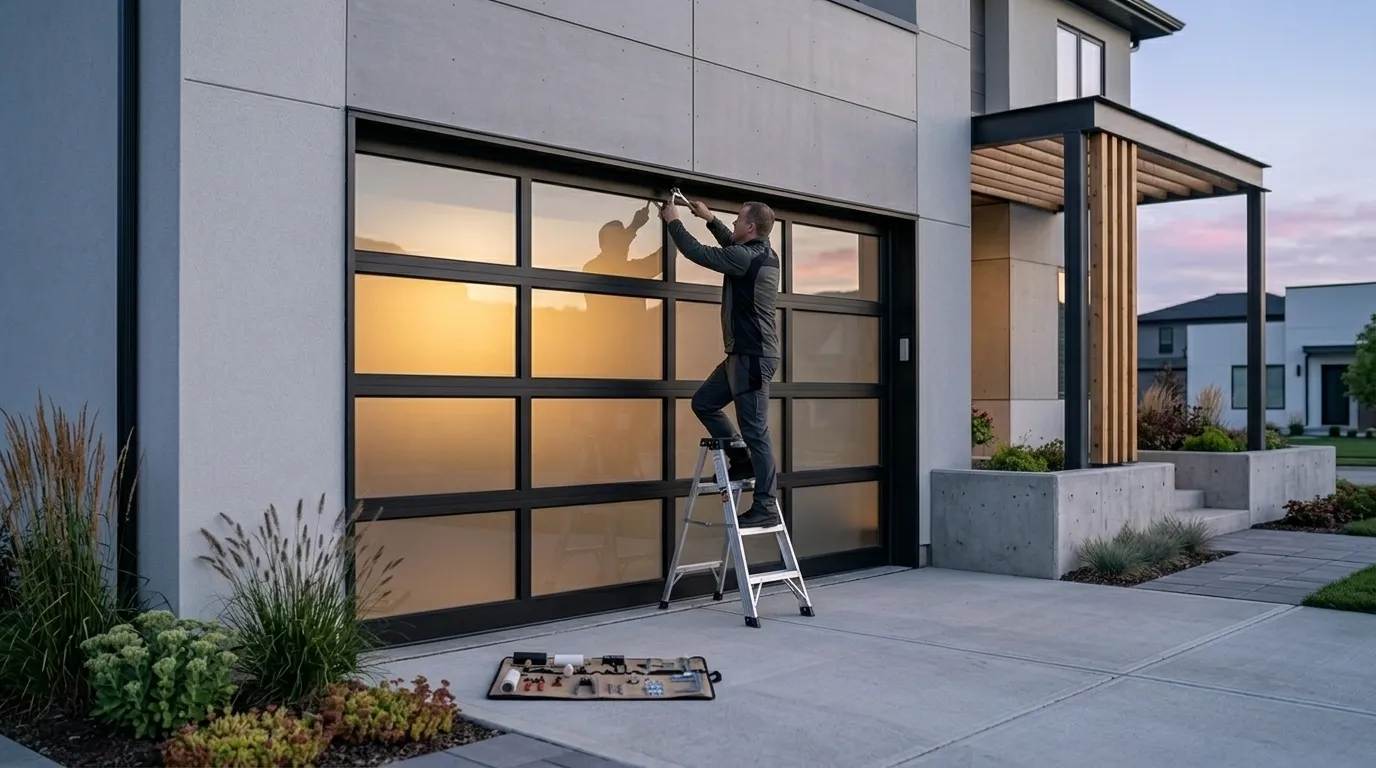
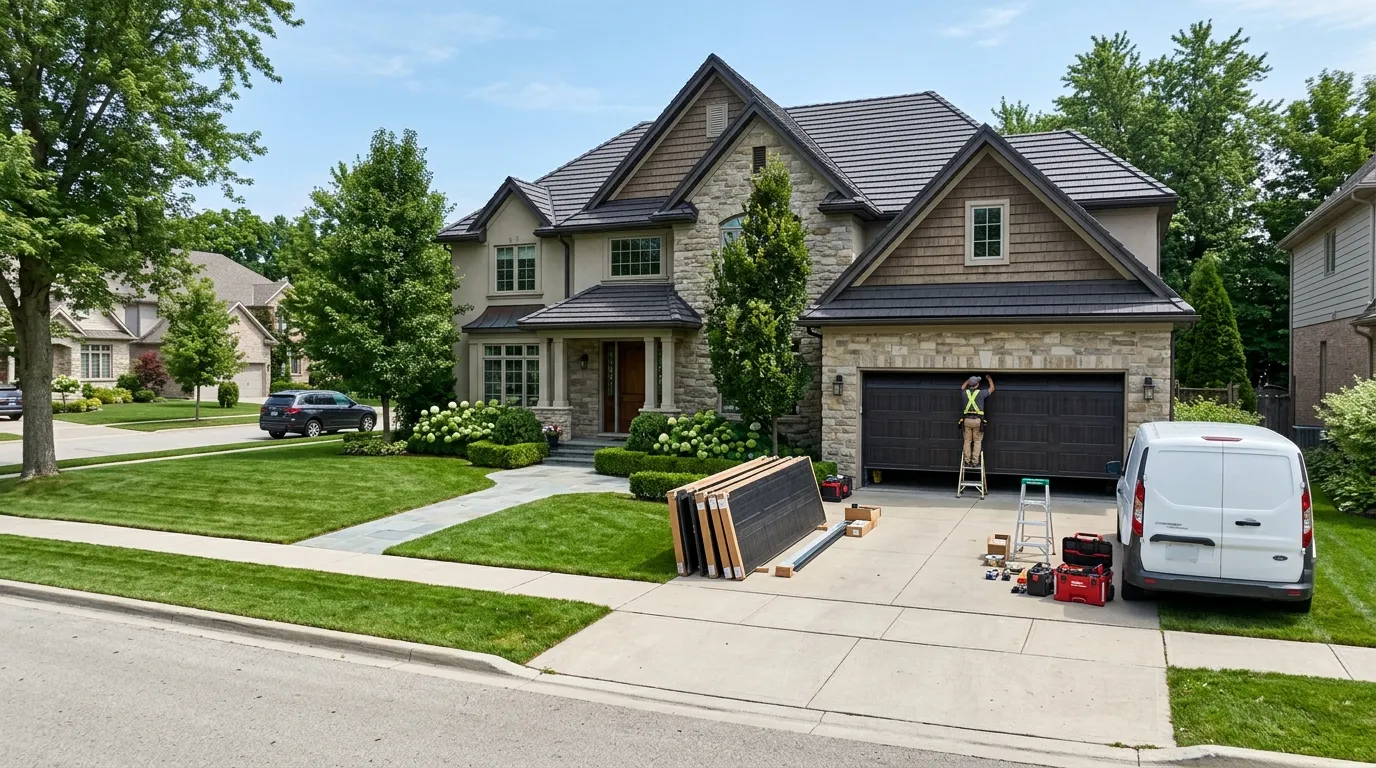
The number that decides the bill here is the age of the door, not the size of the house. Windsor's housing stock centers on 1991, which puts most original torsion springs on their third or fourth wind cycle by now - springs are rated for a set number of open-close cycles, and a door used twice a day for thirty years has burned through several sets already. A spring swap on a double door costs less than an opener replacement, and an opener replacement costs less than a full door and track job. What pushes a job to the expensive end is usually not the part itself but what it damaged on the way out - a snapped cable that let a panel drop, or a jumped track that bent a hinge. We quote after we look, because a door that sounds like a spring problem on the phone is sometimes a bent track problem in person, and those two repairs are not priced the same.
Parts We Carry
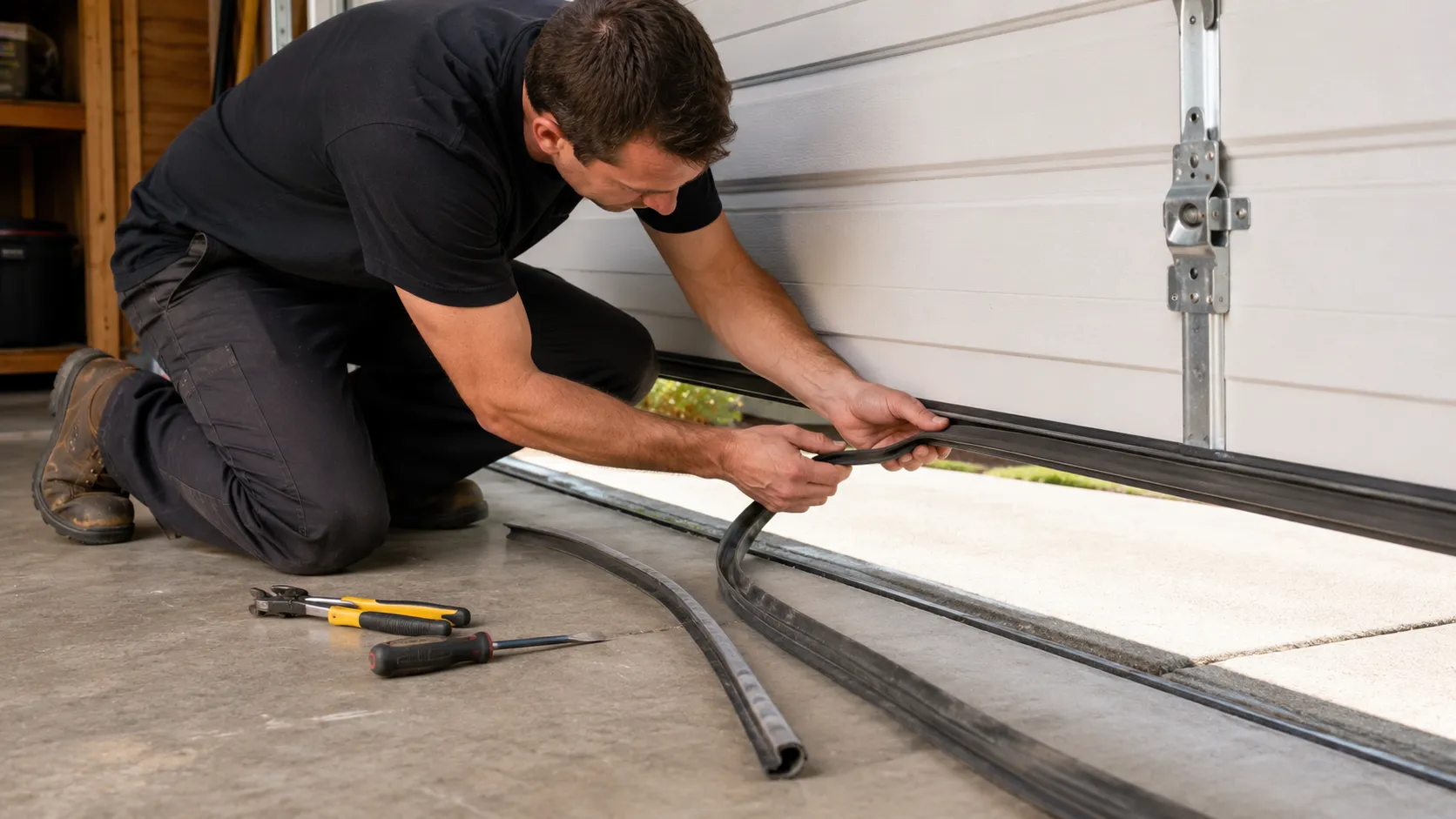
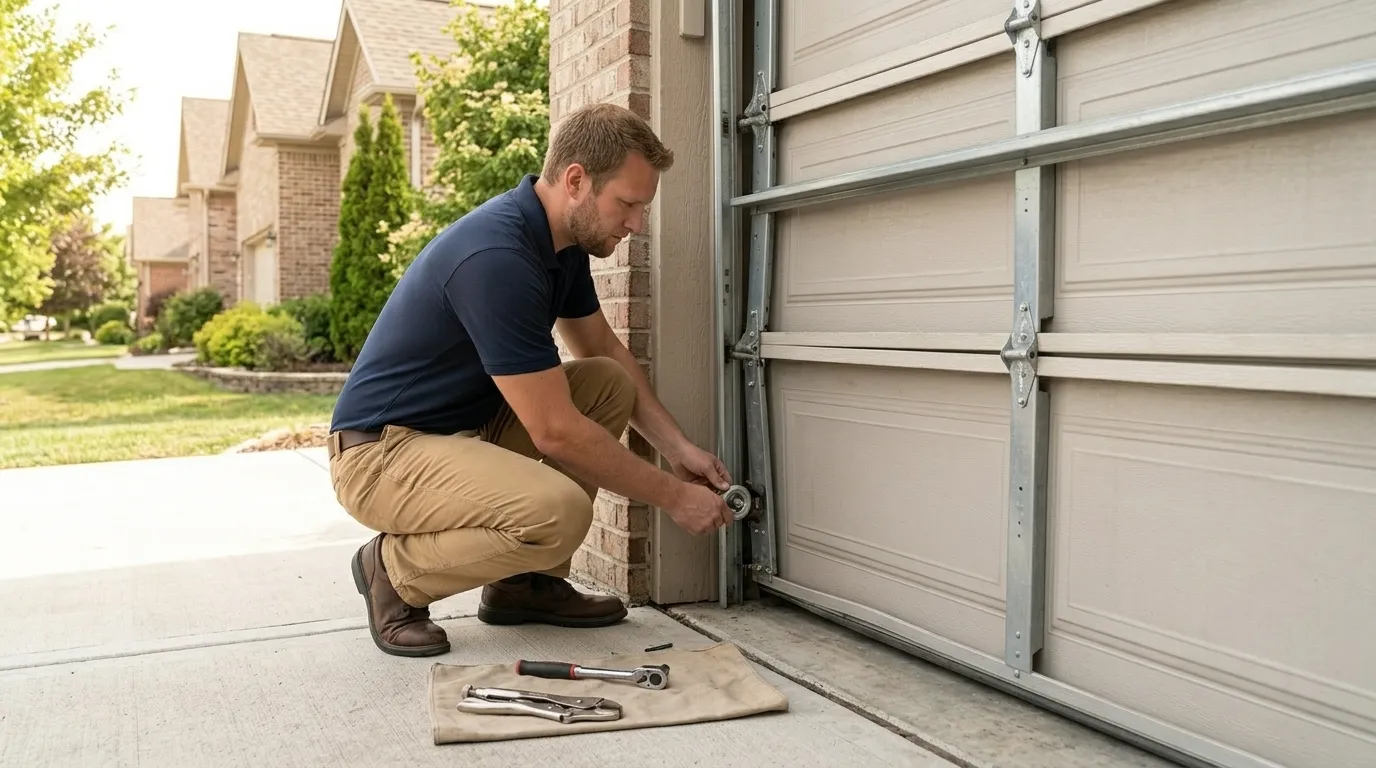
For a town built mostly in the late 1980s and 1990s, the common failure parts are predictable: torsion springs sized for a standard 7-foot steel door, extension spring pairs for the older single-car garages that predate the build wave, and nylon rollers to replace the steel ones that were standard when these houses went up and that get noisy and stiff in cold weather. We stock standard torsion springs, safety cables, galvanized tracks, and door-brand-agnostic openers, so most jobs don't wait on a special order. What we don't stock on the truck is a match for a discontinued panel from a door that's been out of production for twenty years - if a single panel needs replacing on an older door and the manufacturer's stopped making it, we'll tell you straight that a full door might be the better call before we spend your money chasing a part that doesn't exist anymore.
Can You Do This Yourself
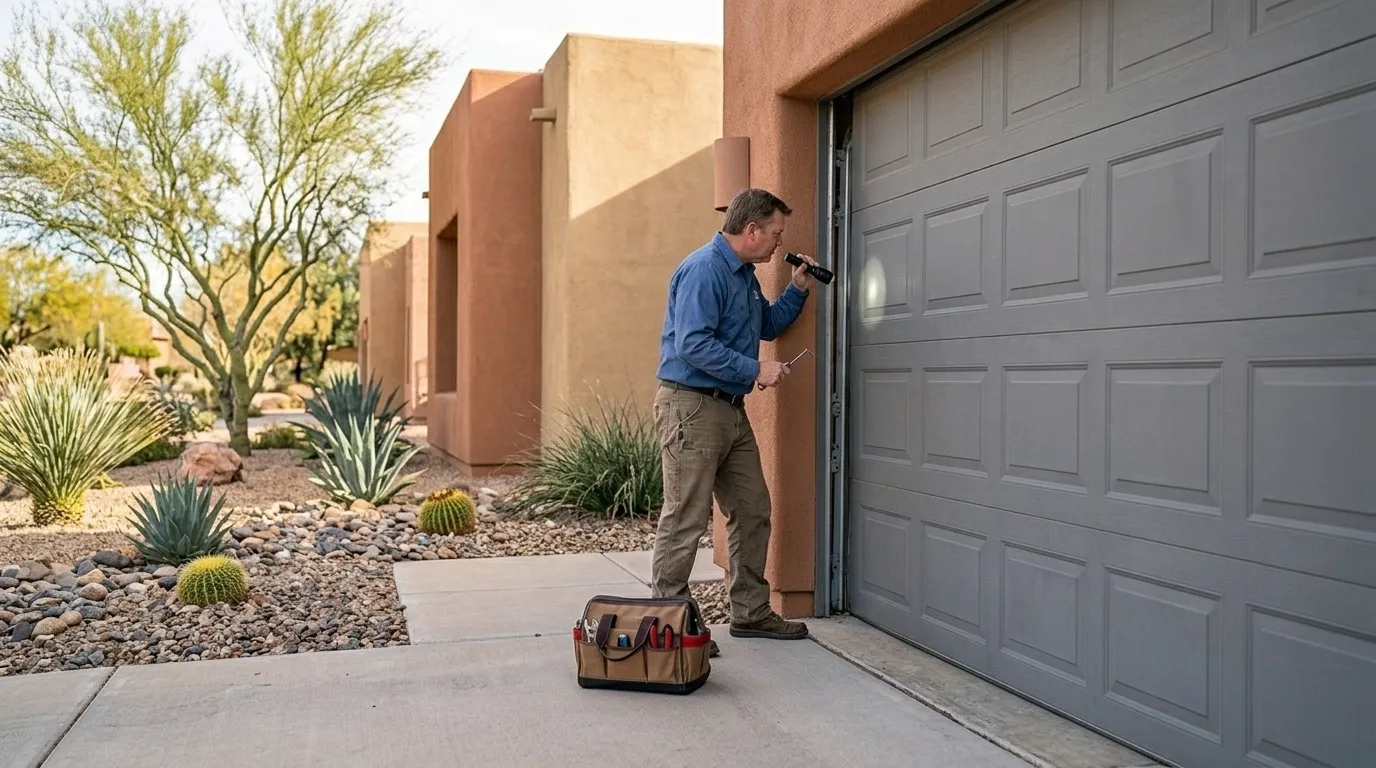
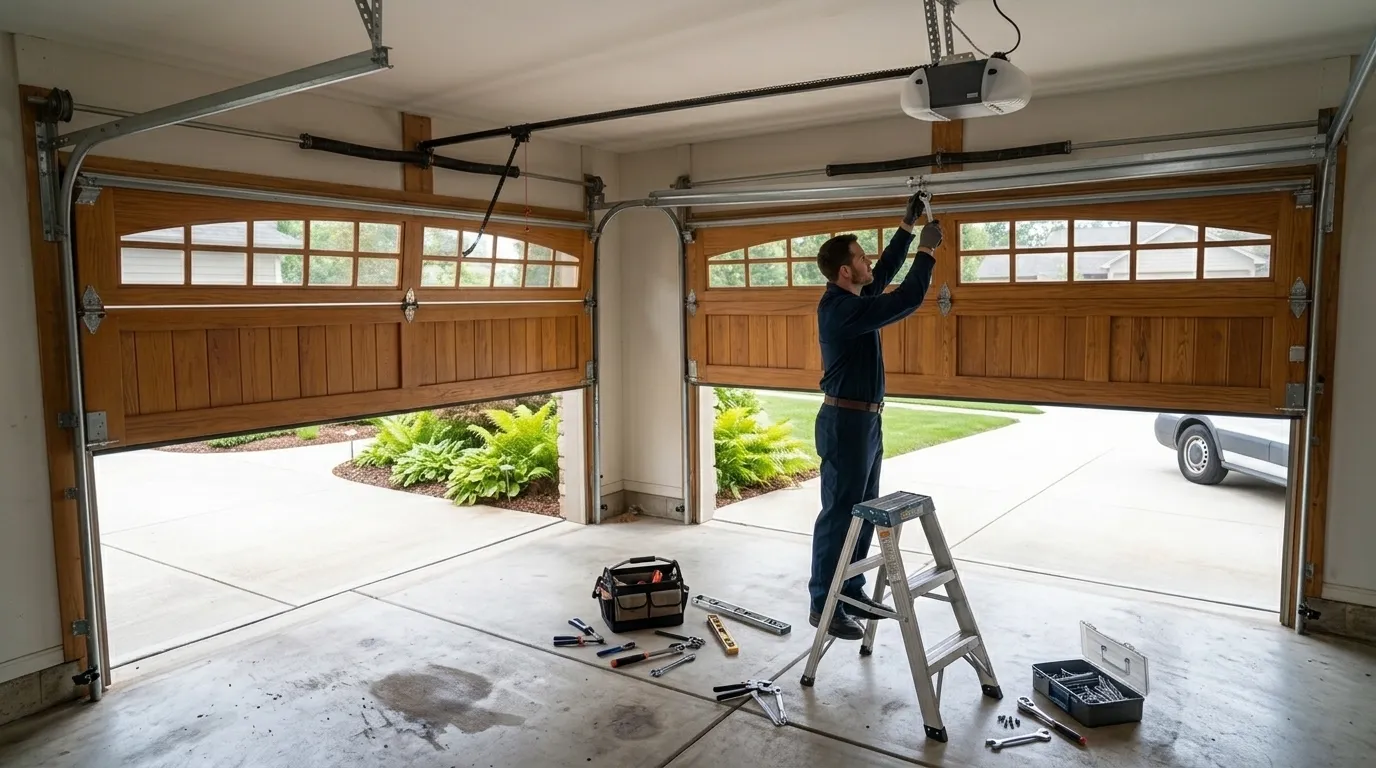
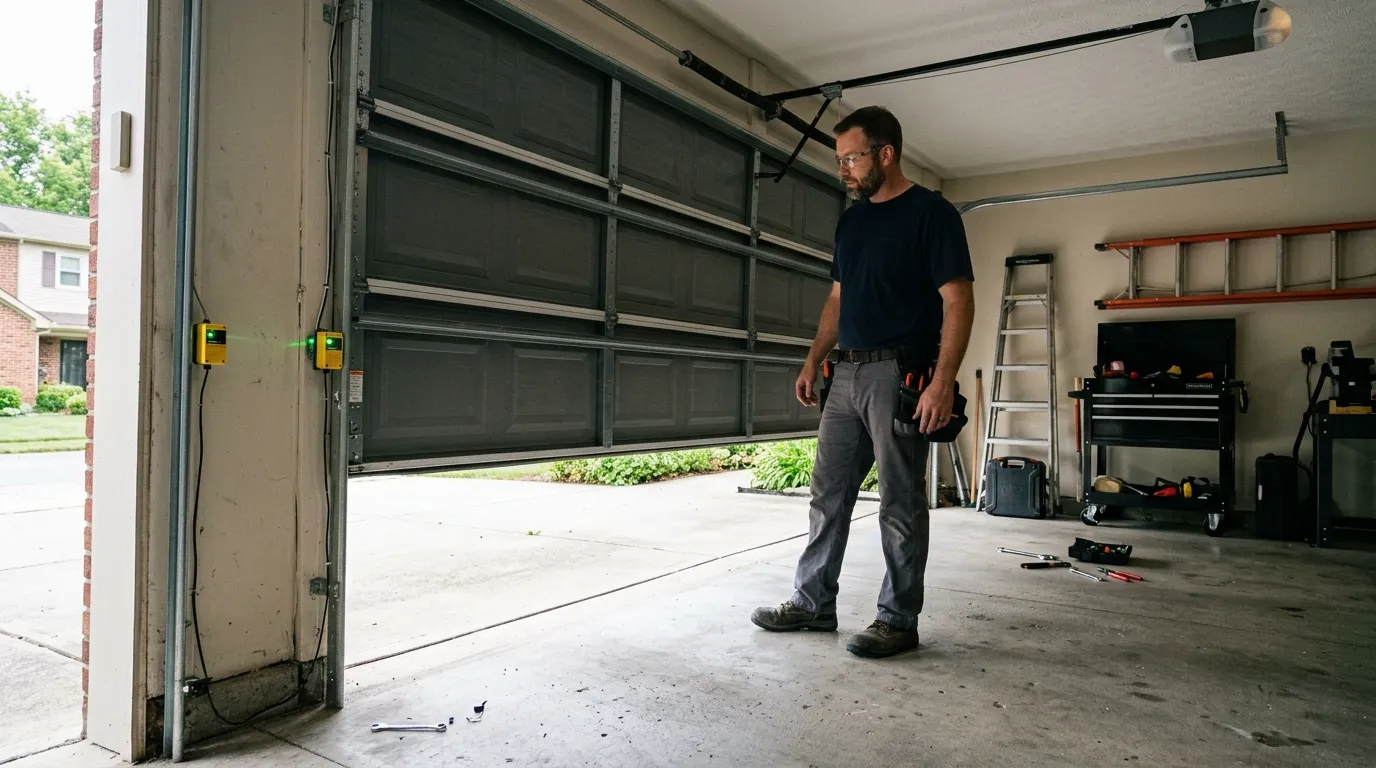
Changing rollers or lubricating a track is reasonable weekend work, and if that's all your door needs, we're not going to talk you into paying us for it. Torsion springs are a different matter - they're wound under enough tension to break a bone or worse, and the tools to wind them safely aren't something most garages have sitting around. If your door is from the early-1990s wave common in Windsor and it's dropping fast, making a loud bang, or won't stay open on its own, that's a spring under load, not a bolt to tighten. We'll walk you through what's safe to check yourself - the balance test, the track alignment, the sensor eyes - before you call, because half the service calls we get turn out to be a five-minute fix once someone points at the right thing.
Why It Happens Here
Windsor's houses cluster tightly around a 1991 build date, which means a large share of the doors, springs, and openers in this area are the same age, wearing out on roughly the same schedule. That's different from a town with a spread of housing eras, where failures are scattered. Here, when one 1991-built house calls about a dying opener, the house three doors down built the same year is often not far behind. Add Wisconsin's severe cold band on top of that shared age, and you get a fairly narrow set of recurring problems: springs at end of cycle life, steel rollers stiffened by cold, and openers with drive gears worn from three decades of daily use. It's a small, well-off area - household income here runs well above the regional median - so most owners choose to replace aging hardware before it fails outright rather than run it into the ground.