
The Cost of This Job
Start with the money, because it decides more than people expect. Windsor's median household income runs $115,111, well above the $98,943 median across the rest of the service area we cover out of Sun Prairie. That gap matters on a roller call: at higher income levels, homeowners here are more likely to ask for the full nylon roller set with sealed bearings up front, rather than patching one broken roller and leaving the rest of a fifteen-year-old set to fail one at a time over the next two winters. We don't have a fixed price to quote you in this format, but the shape of the decision is consistent - a single roller swap on one panel is a small job, replacing a full set of ten across an aging door is a bigger one, and the second is usually the smarter spend once two or three rollers on the same door have already gone. If your opener is straining, listen for it, or grinding against the track, that's the set telling you it's done, not just the one roller that finally snapped.
Parts We Carry
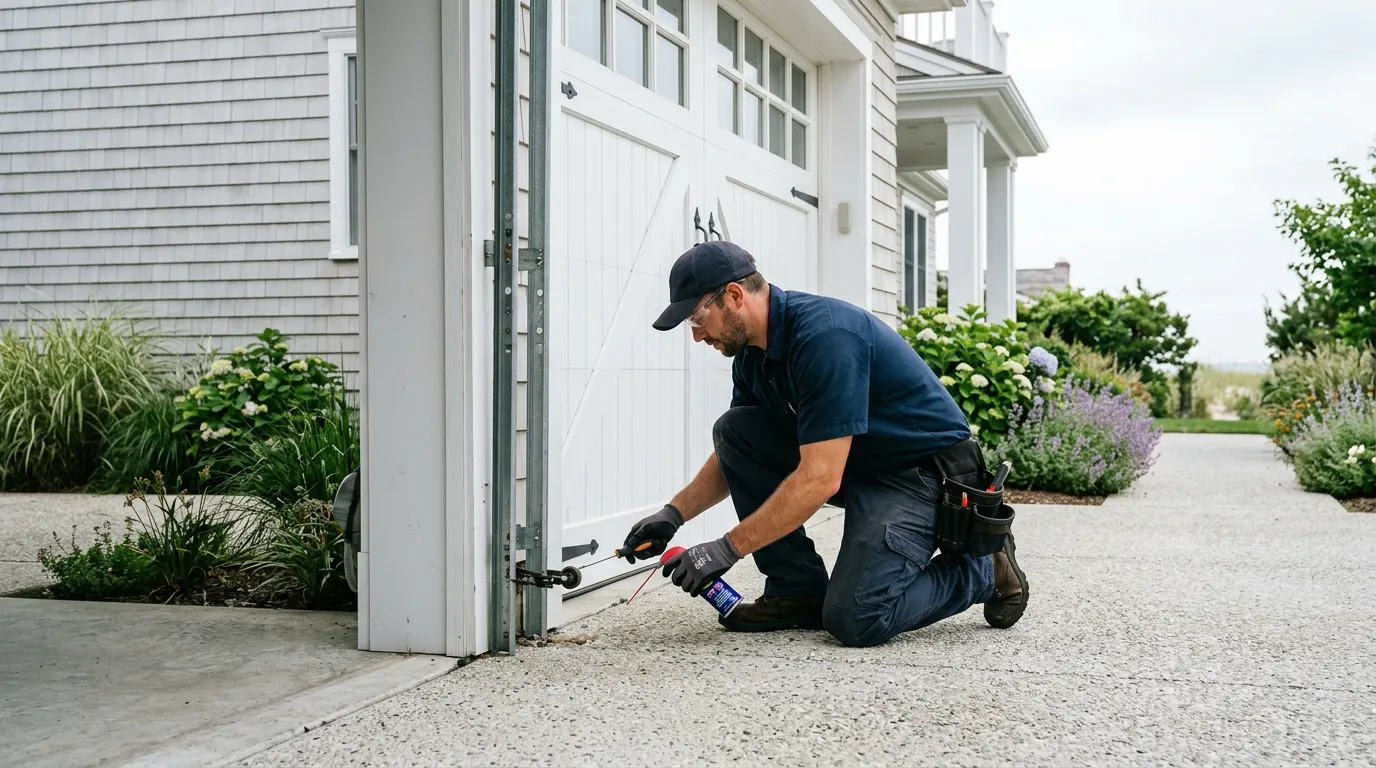
Steel rollers on plain bearings were standard on doors built through the 1980s and into the early 90s, which covers a good share of Windsor construction given the local median build year of 1991. Plain-bearing steel rollers are loud, they wear a groove into the track over time, and in a cold-climate area like this one, the thin lubrication inside them stiffens hard once temperatures drop. Nylon rollers with sealed ball bearings are the more common replacement part now - quieter, and they don't need re-greasing every season. We carry both 7-inch and 10-inch stem lengths, since garages built at different points in that 1980s-2001 window used different bracket depths, and the stem length has to match the bracket or the roller binds in the track. We don't stock every obsolete roller size still riding on the oldest doors in the wider area, so on an unusual stem length, expect us to confirm the part before we show up rather than guess.
Can You Do This Yourself
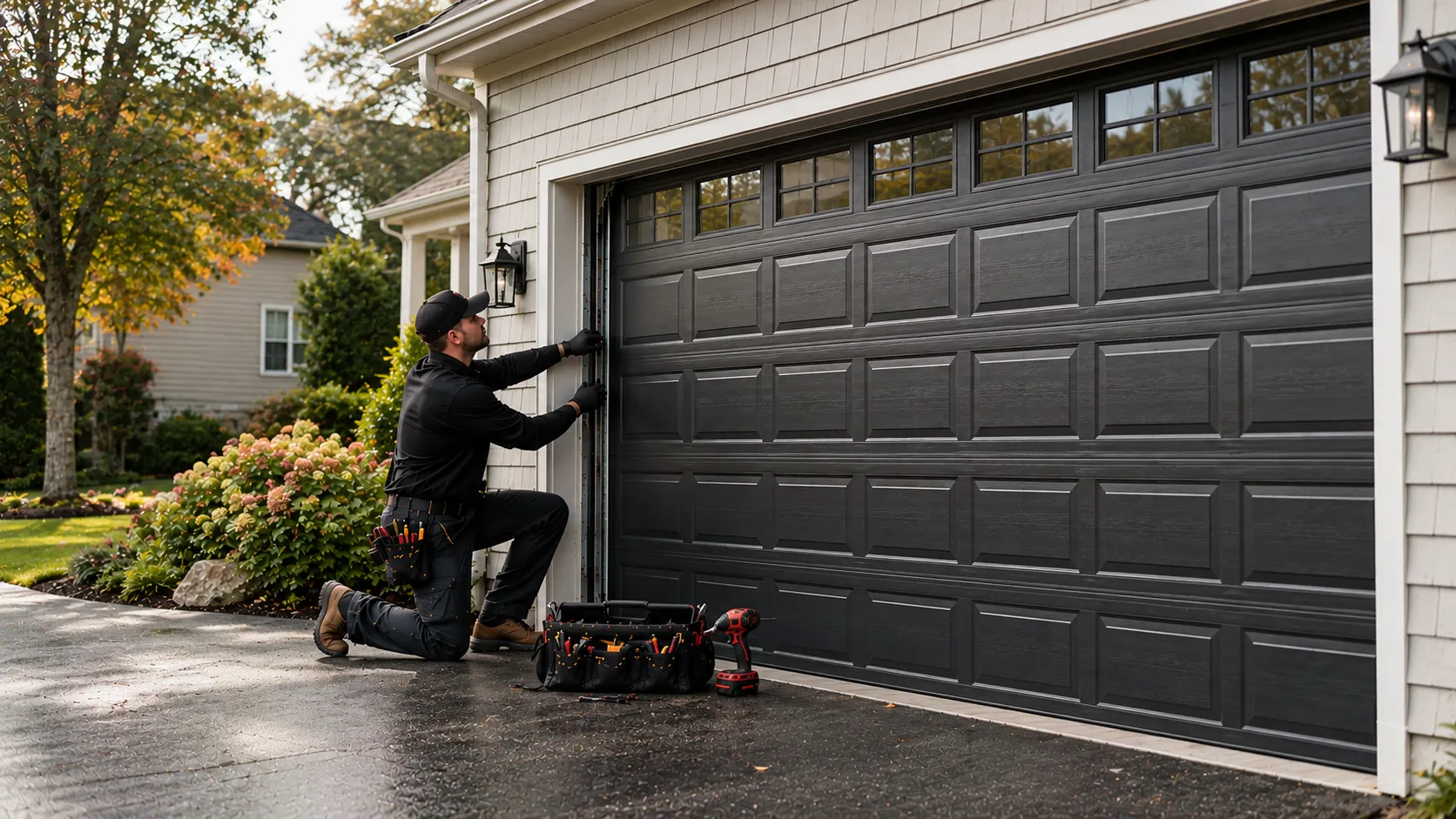
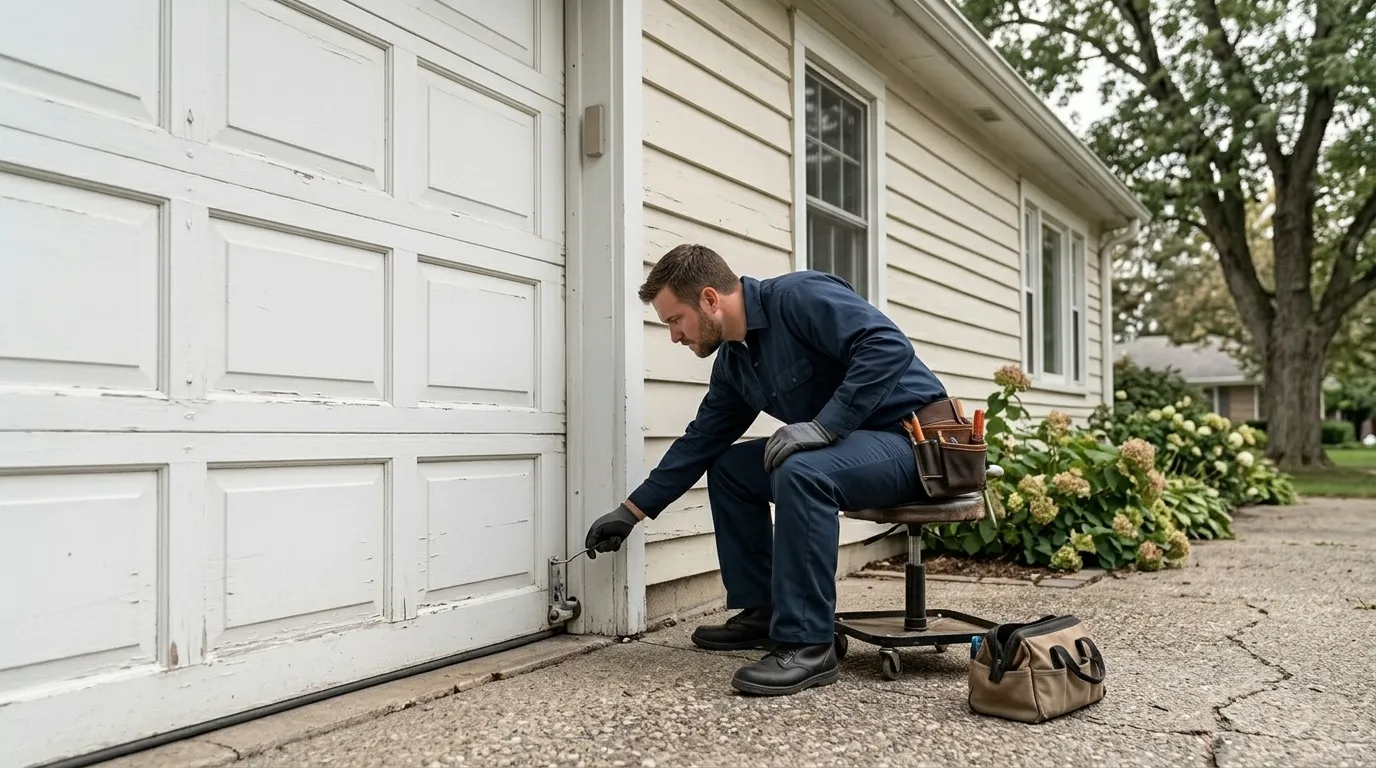
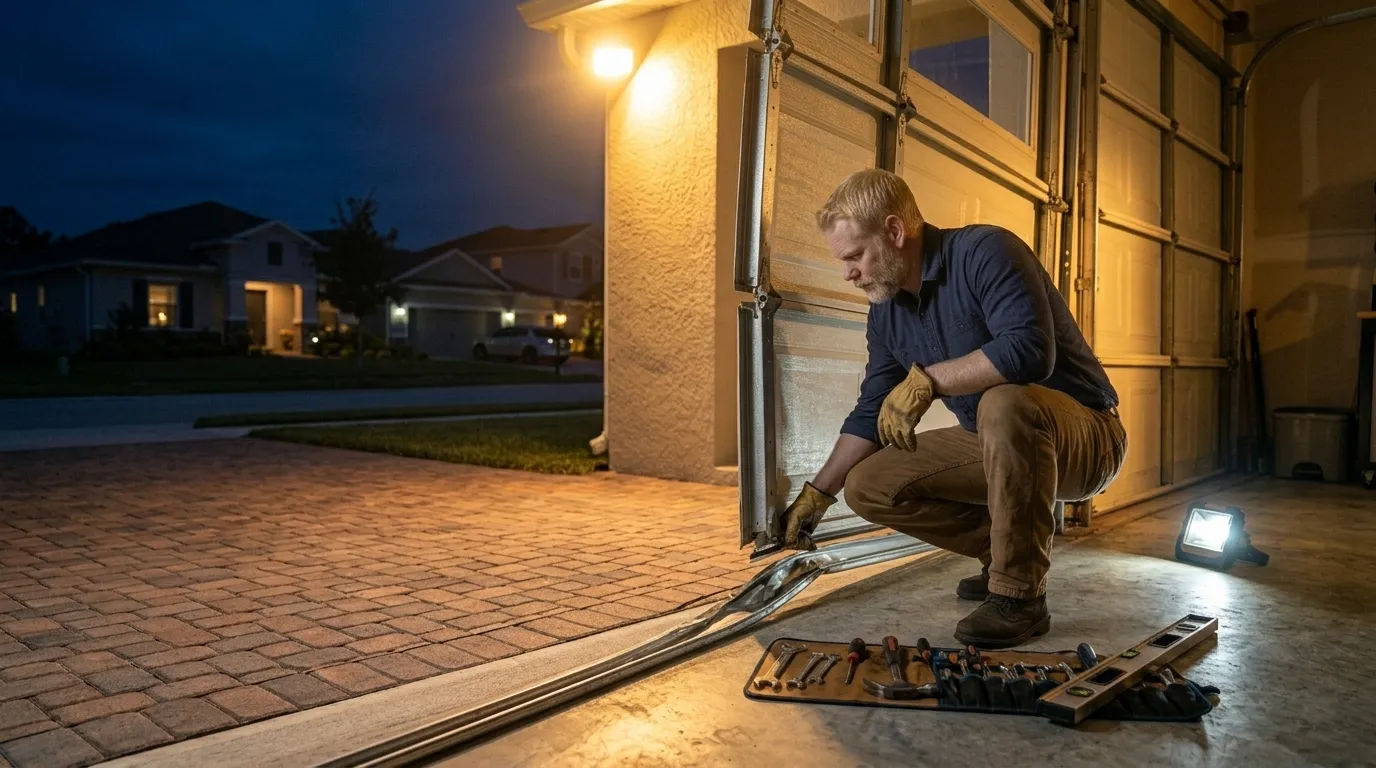
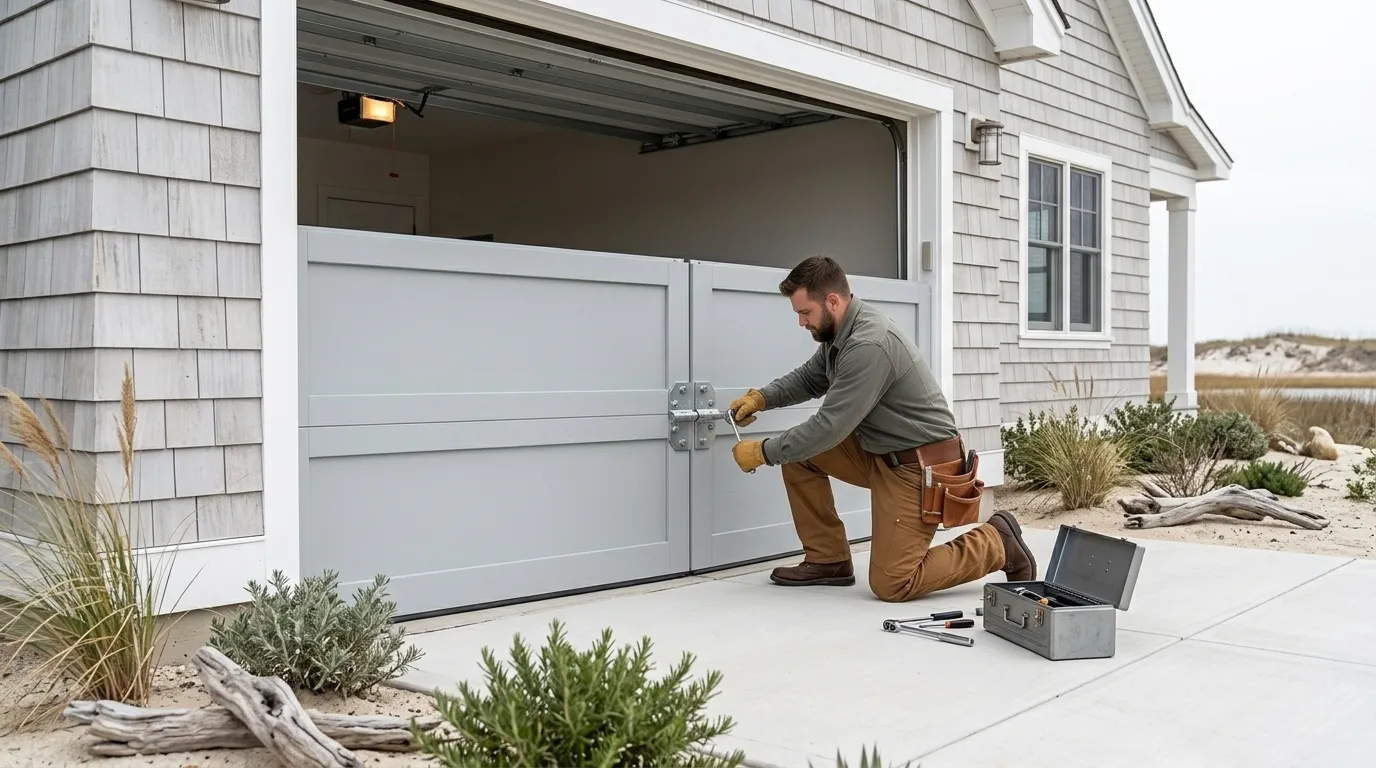
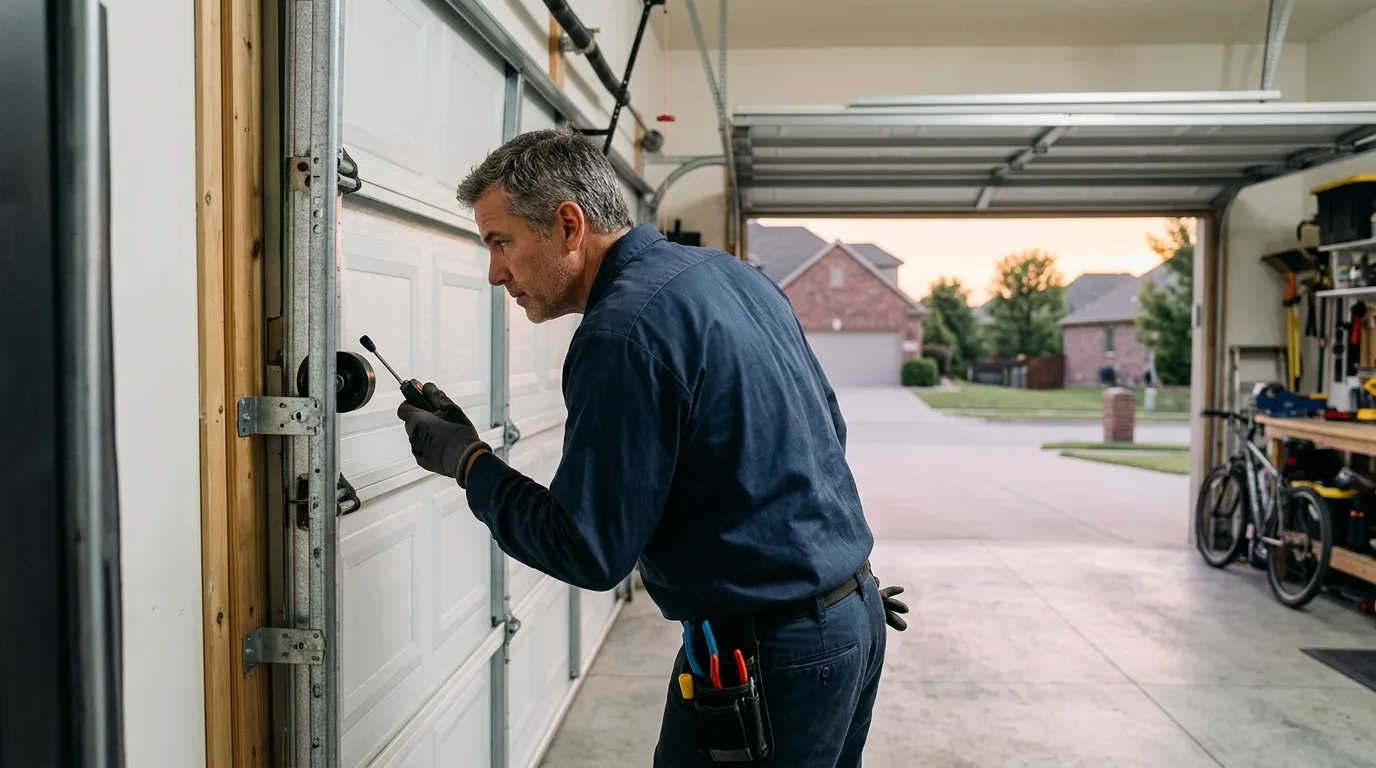
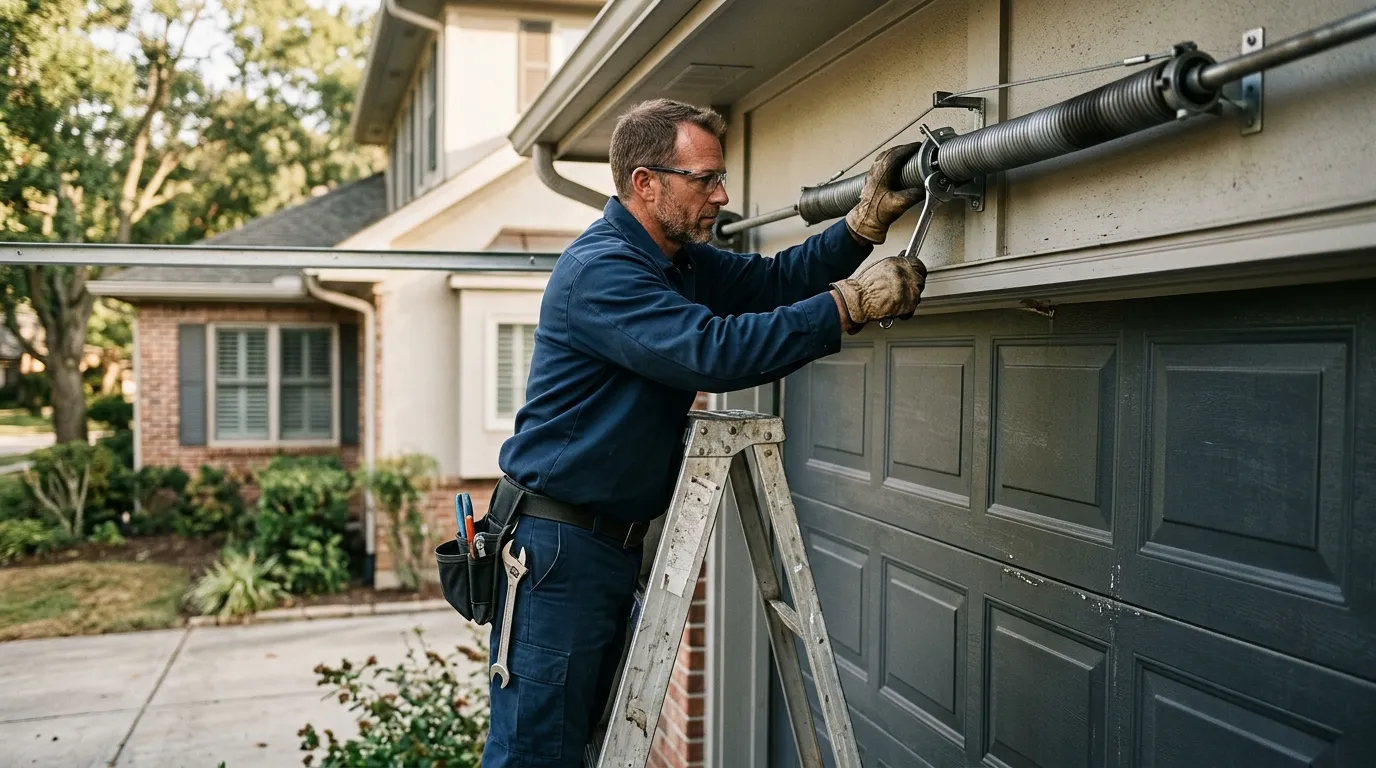
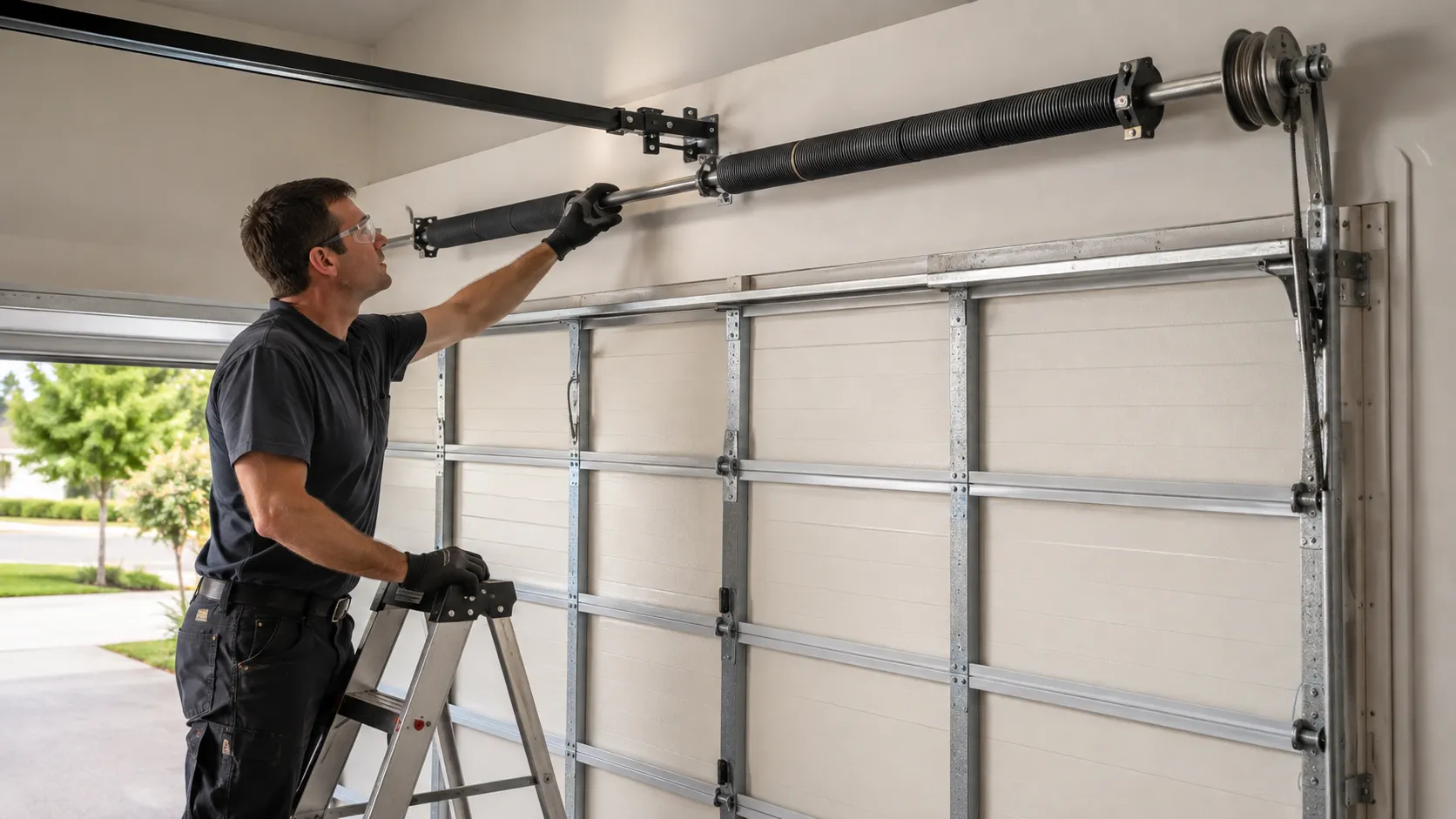
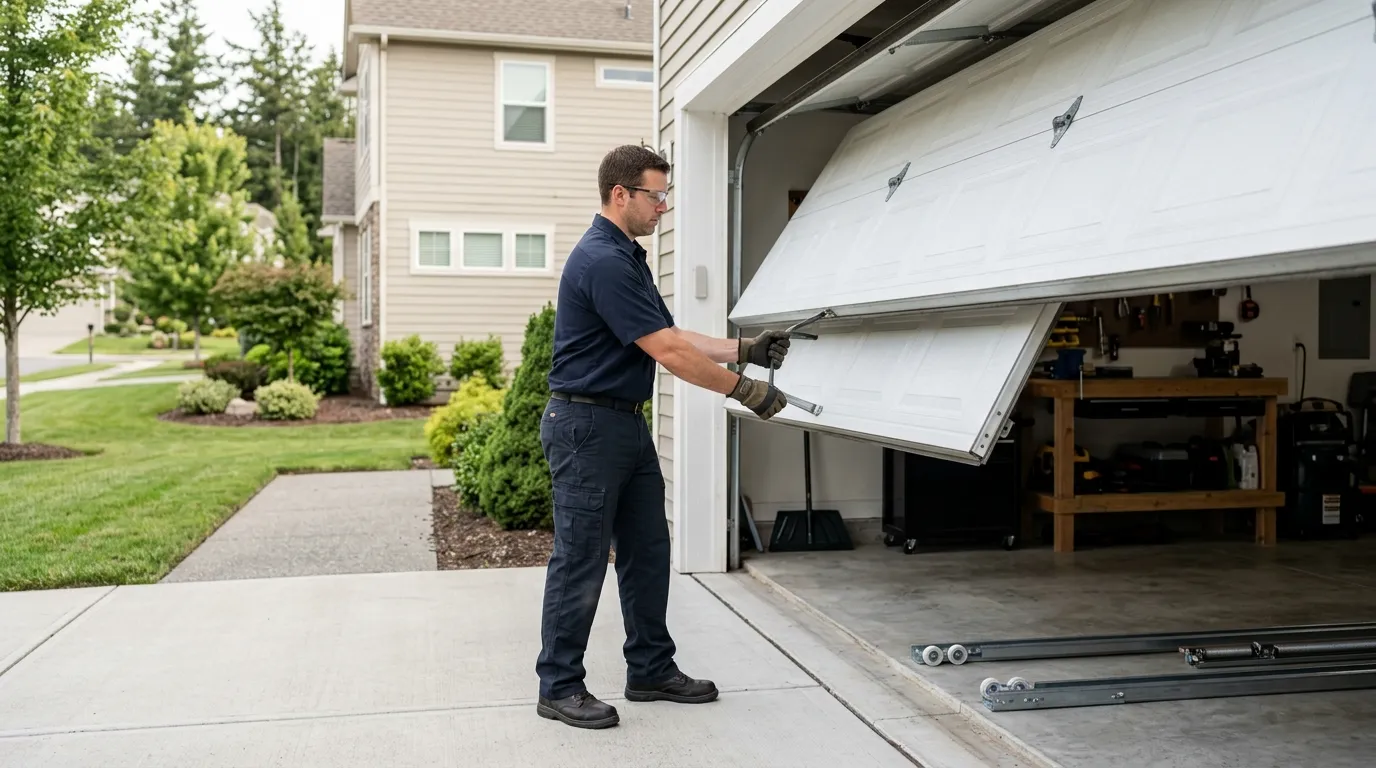
A single roller on the bottom panel, with the door down and the opener disconnected, is within reach for a careful homeowner with the right pliers and a little patience. Rollers on the top two panels are a different matter - they sit close to the torsion spring assembly, and that spring holds real force even when the door looks still. We're not going to talk anyone out of the bottom-panel job, but we will say plainly that top-roller work next to a loaded spring is where DIY roller jobs turn into ER trips, and it's also where a bent track from the complication above gets missed by someone who's never seen one before. If the door binds, jerks, or won't move smoothly after a DIY roller swap, that's usually the track, not the new roller, and it's worth a second look before you force it.
Why It Happens Here
Windsor's housing sits at a median build year of 1991, a bit newer than the 1986 median across the broader service area, which puts a fair number of local doors right at the tail end of the steel-roller era before nylon became standard. Combine that with a cold-climate rating for this whole area and you get a specific failure pattern: steel rollers with old grease stiffen on the year's coldest mornings, bind in the track, and shear off at the stem under load from the opener. It's not a defect in the door - it's what steel-on-steel does after two or three decades of hard freezes. Newer doors in Windsor built closer to 2000 or after usually already have nylon rollers from the factory and see far fewer roller calls than the older third of the local stock.