Serving Sun Prairie, WI & nearby
(608) 534-3640
Sun Prairie, WI

Installing a New Garage Door in Windsor, WI

New garage door installation for Windsor, WI homes, most built around 1991, five miles WNW of Sun Prairie, sized for Wisconsin's severe cold winters here.

Installing a New Garage Door in Windsor, WI
Sun Prairie, WI
8 services
5 service areas
Diagnosis first, then the fix

The Cost of This Job

Before we talk numbers, look at what's actually hanging in the opening. Windsor's housing stock runs newer than a lot of the towns around Sun Prairie - the area's median build year sits around 1991, which puts most original doors in the late-80s to mid-90s builder-grade category: steel sectional, single layer, no foam core, sized for a 16x7 or 9x7 opening that was framed to code for that decade and hasn't been touched since. That door was never built to hold heat, and in a cold climate band like this one, that shows up on a heating bill long before the door itself fails.

Cost on a new install comes down to three things: door size, insulation level, and whether the opener and track need to change with it. A single steel skin door swapped for a same-size steel skin replacement costs less than swapping into an insulated two- or three-layer door, and going insulated costs more again if the framing needs shimming to take a thicker panel. We don't have a flat number to quote you here - every opening in this area is close in age but not identical in condition - but we'll give you a real figure once we've measured the actual opening, not a guess off the year the house went up.

Parts We Carry

For a house in this build era, the parts that matter most are the ones sized to the door, not generic stock. We carry torsion springs wound to the weight of the panel going in - an insulated door weighs more than the single-layer steel it's replacing, and an undersized spring on a heavier door is one of the fastest ways to burn out an opener motor or snap a cable inside a year.

We stock galvanized track sections and end bearing plates sized for both the older narrow track common on 1990s builds and the wider track that newer insulated doors need for clearance. Rollers come in nylon and steel, and for a cold-climate install we lean nylon - quieter in low temperatures and less prone to the surface pitting steel rollers pick up over a Wisconsin winter. Weatherstripping and bottom seals rated for sustained cold are part of every new install here, not an upsell - a door that doesn't seal at the slab in a severe cold band lets more into the garage than noise.

One honest limit: we don't stock every decorative panel style or custom window insert on the truck. Anything outside standard steel or insulated steel profiles goes on order, and that adds lead time to the install.

The Complications

The complication we run into most in Windsor isn't the door - it's the opening around it. Framing from the early-90s building code era is generally square and sound, but headers were sized for the openers and door weights common then, which is lighter than what most homeowners want installed now. Stepping up to an insulated door sometimes means adding blocking or a reinforced header bracket before the new door goes in, not after.

The other complication is less visible: tracks and springs original to a 1991 install are now over three decades old. Torsion springs have a working life measured in cycles, not years, and a spring that's been quietly weakening since installation can let go without warning mid-swap if we're not careful pulling the old door.

We also see openers original to the house that predate current safety-reversal requirements. Swapping the door without addressing an outdated opener isn't a complication we can ignore - it's a safety call, and we'll flag it before the job starts, not after the invoice.

Can You Do This Yourself

A garage door install is not a weekend project with a socket set and a video. The torsion spring alone stores enough force to break bones or worse if it's wound or released wrong, and that's true whether the door is new or forty years old. Setting the track plumb, balancing the door against the spring, and getting the opener's force and travel limits right all depend on each other - get one wrong and the door either won't seal against a cold-climate winter or it'll slam down on whatever's underneath it.

What you can reasonably do yourself: swap out weatherstripping on an existing door, replace a cracked window insert, or handle basic opener maintenance like lubricating the chain. What you shouldn't: touch the torsion spring, resize the opening, or wire a new opener into an outdated safety-reversal system. If you're set on doing the panel swap yourself, at minimum have a second person and the right winding bars - not a screwdriver - and know that we won't warranty labor we didn't do.

Why It Happens Here

Windsor's homes cluster tightly around a 1991 median build year, which means a large share of original garage doors are now well past the 25 to 30 year mark most steel sectional doors are rated for. Springs fatigue, seals crack, and steel skins that were fine in 1995 start showing rust at the seams by now - normal wear, not a defect, but it adds up on a schedule.

Cold-climate stress speeds that timeline. A door that flexes and contracts through a severe winter season year after year works its hardware harder than the same door would in a milder region, and original single-layer doors here were never built with today's insulation standards in mind.

Windsor's household income, running higher than the wider Sun Prairie service area, also shows up in the kind of install requests we get - more homeowners here are replacing an aging single-layer door with an insulated one outright rather than patching the old one, treating it as an upgrade rather than a stopgap.
What the Repair Takes

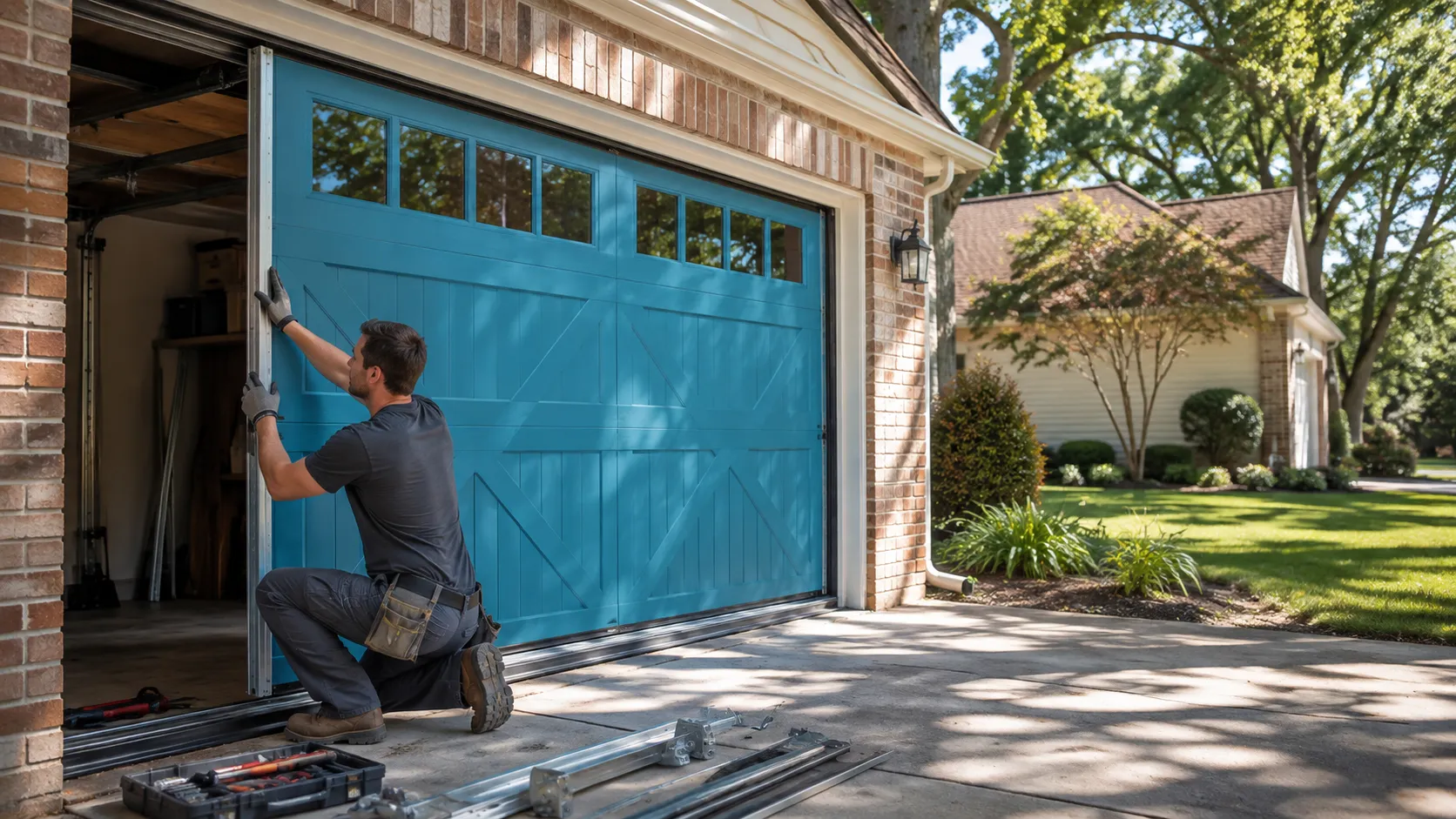
An install starts with measuring the actual opening - width, height, headroom above the door, and backroom depth for the track - because a house built in 1991 doesn't always match the stock dimensions from that era exactly. From there we pull the old door and track, inspect the jambs for rot or shift, and reinforce the header if the new door's weight calls for it.

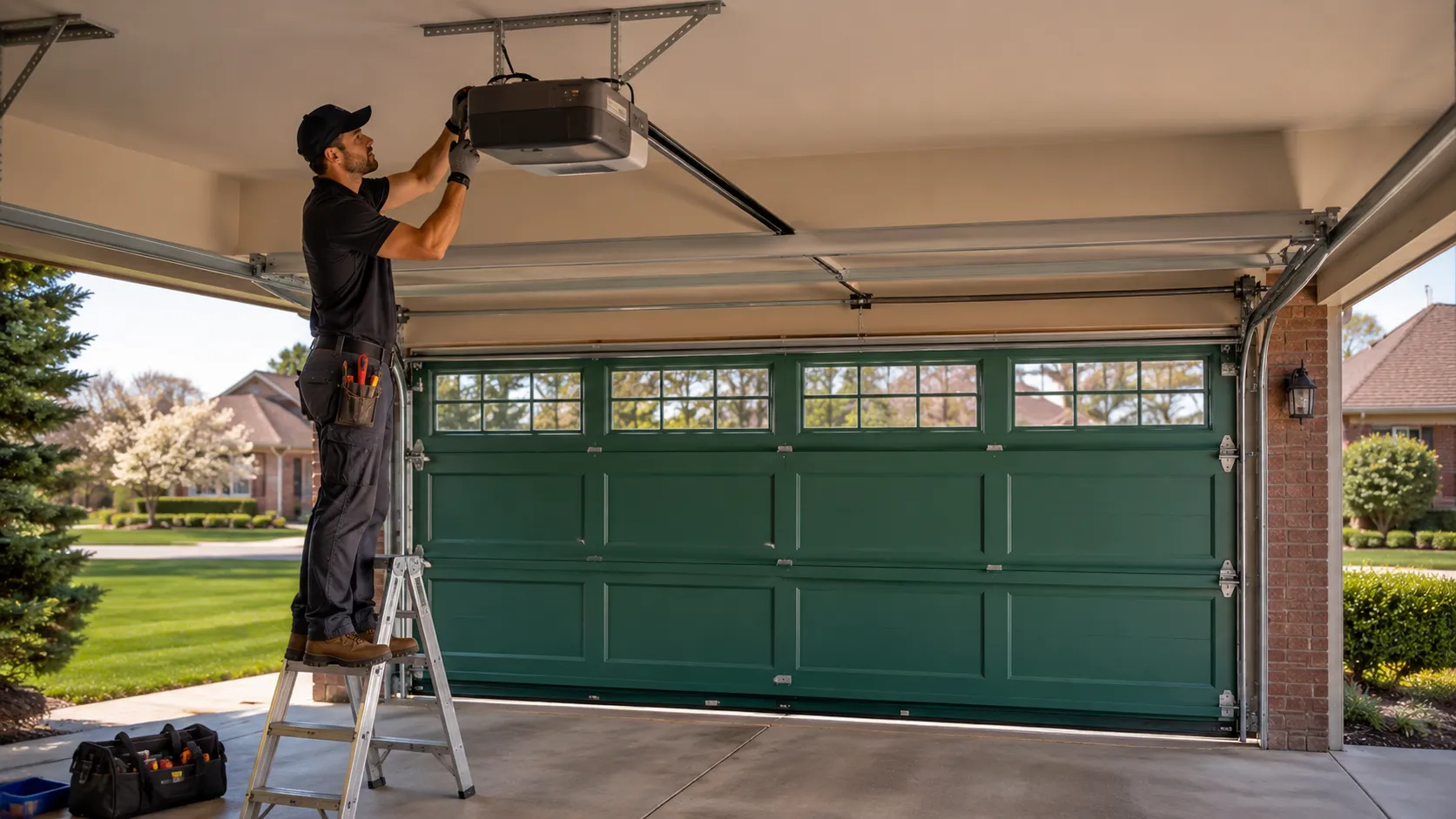
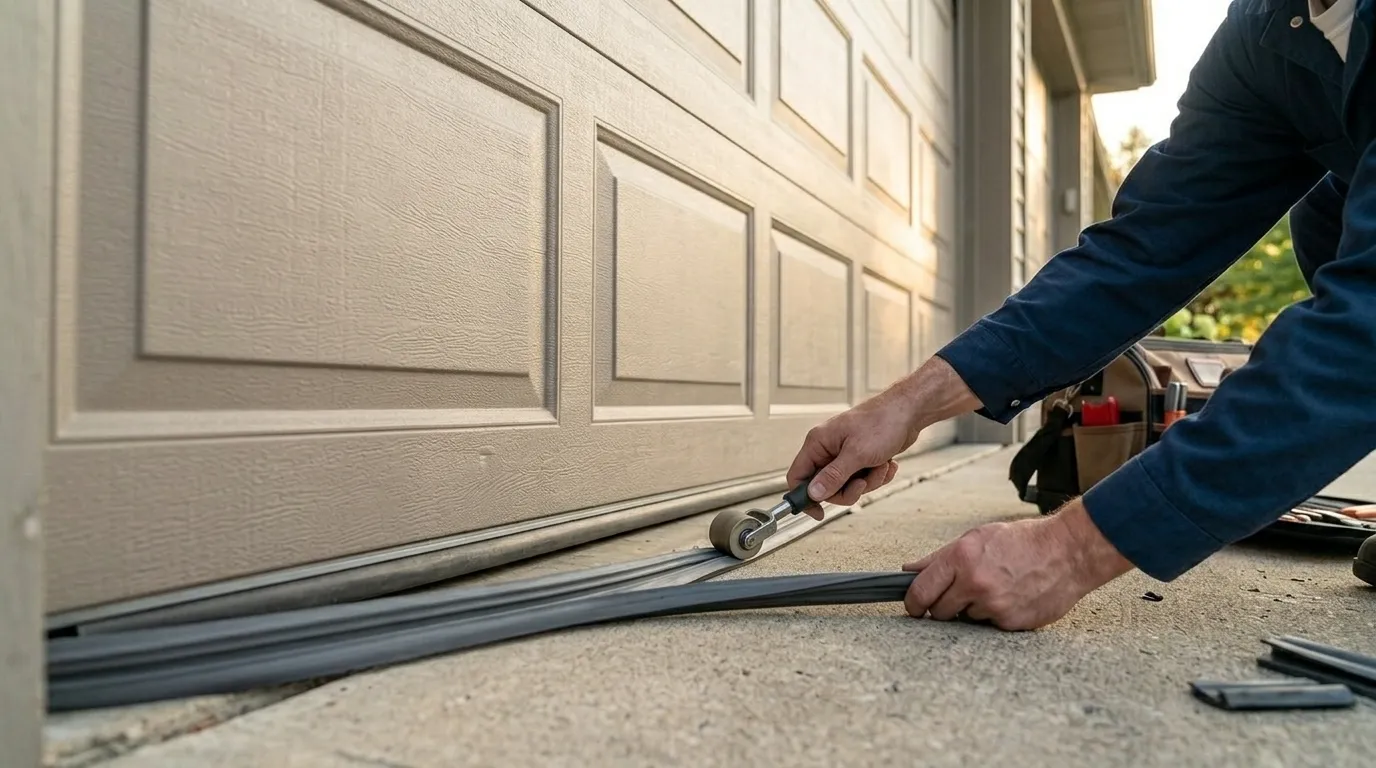
New track goes in plumb, torsion spring gets wound to the specific weight of the panel we're installing - not a generic size - and the opener gets set for that door's travel and force, whether it's a new opener or one being reused. Weatherstripping and the bottom seal go on last, sealed tight enough to matter in a severe cold winter.

We don't cut corners on the final balance check - a door that isn't balanced puts constant strain on the opener from day one, cold-climate or not. It's the step most DIY jobs skip, and it's the one that decides whether the door lasts three years or thirty.

How it works

From “it’s stuck” to “it’s fixed”

Tell us what’s wrong - Sun Prairie garage door service

Tell us what’s wrong

Describe the symptom - won’t open, loud bang, opener runs but the door won’t move.

On-site diagnosis - Sun Prairie garage door service

On-site diagnosis

A technician tests the door under power and by hand and finds what actually failed.

Clear, up-front plan - Sun Prairie garage door service

Clear, up-front plan

You get the fix that’s needed and what drives the cost - before any work starts.

Repaired & tested - Sun Prairie garage door service

Repaired & tested

The repair is done, the door is set true and tested, and the work area left clean.

Next step

Serving Sun Prairie, WI - tell us what your door’s doing and we’ll take it from there.

How we work

What to expect

Diagnosis first

Every visit starts by finding what actually failed - not a pre-written parts list.

The right part for the door

Springs and openers matched to the door’s weight and age, so the fix holds up.

Straight answers

When a repair makes more sense than a replacement - or the reverse - you hear it plainly.

Clean, careful work

Tension released safely, hardware set true, the door tested under power before we leave.

32,365Residents in Sun Prairie
8Garage door services
5Neighborhoods & suburbs
WIServing Sun Prairie, WI
Questions

Frequently asked

Straight answers about garage door repair in Sun Prairie. Still unsure? Ask us directly.

How old does my garage door need to be before replacement makes more sense than repair?

Most steel sectional doors run 25 to 30 years before hardware fatigue and seal failure make repair a losing bet. With Windsor's housing dating mostly to 1991, a lot of original doors here are already past or near that mark, especially ones that have never had the torsion spring replaced.

Do you have a branch in Windsor?

No. We're based in Sun Prairie and drive out to Windsor for installs, about five miles WNW. There's no separate depot or local crew here - one truck, one company, covering the surrounding towns from Sun Prairie.

Is an insulated door worth it for a house built in 1991?

If your original door is a single-layer steel panel, which is typical for that build era, switching to an insulated door usually pays off in a severe cold climate like this one - less temperature swing in the garage, and less strain on the opener from a lighter, more balanced panel.

Can you match my existing opener to a new door?

Often yes, if the opener is in good shape and meets current safety-reversal standards. If it predates those standards or the new door's weight is outside what it was set up for, we'll tell you before the install rather than force a mismatch.

Ready to get your garage door sorted?

Tell us what it’s doing and where you are in Sun Prairie - we’ll take it from there.

Request a QuoteCall