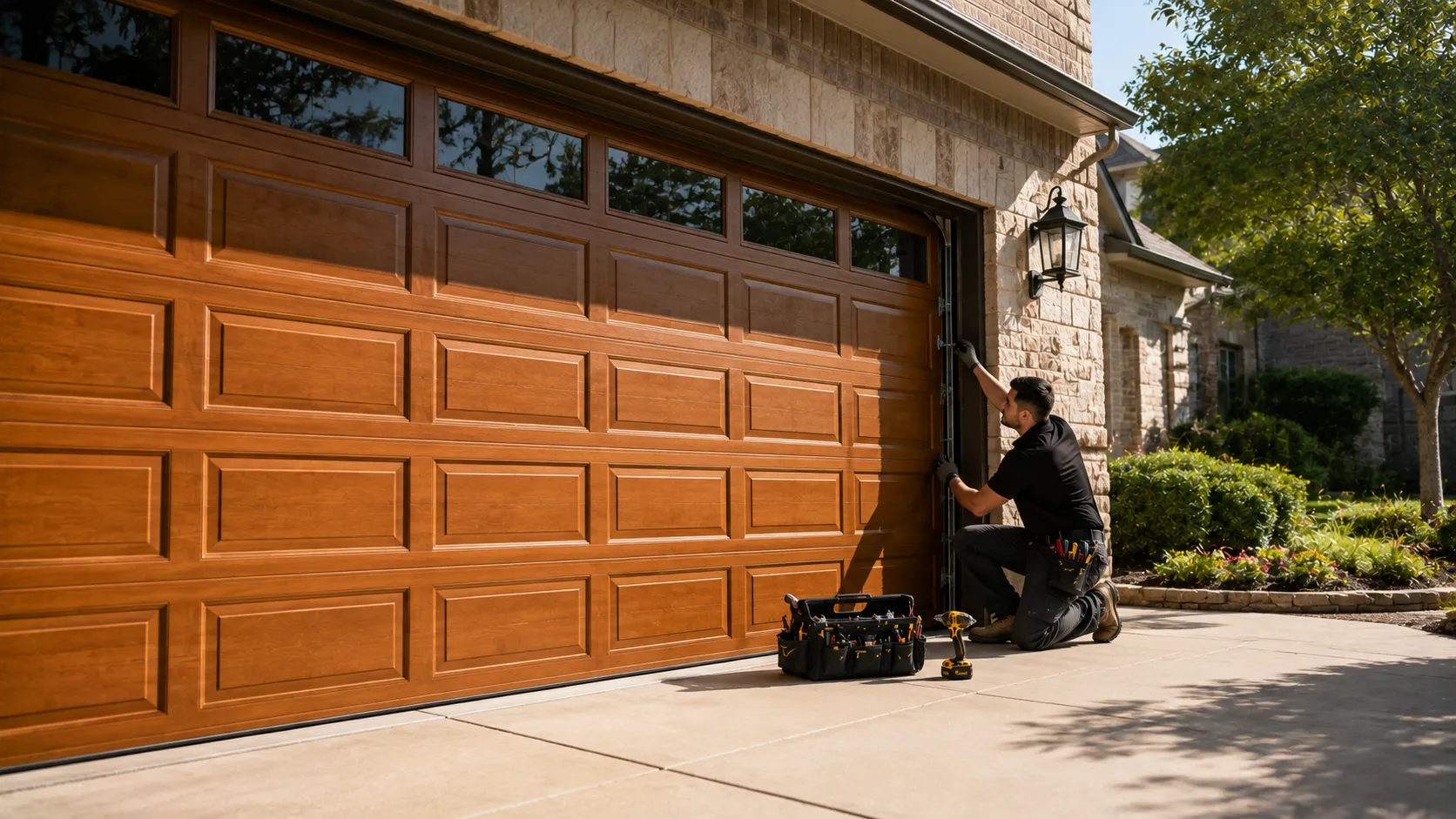
The Cost of This Job
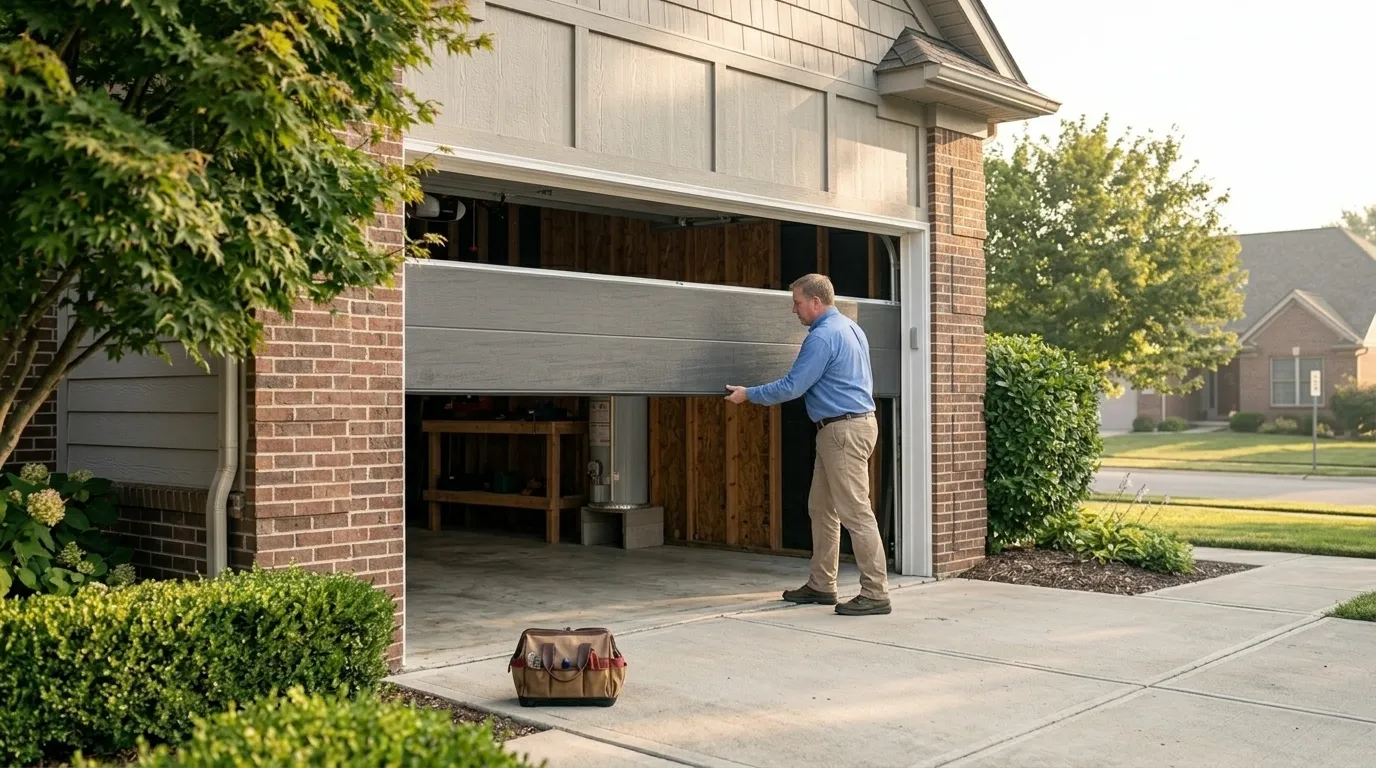
We don't have a fixed number to hand you here, and we're not going to invent one. What we can tell you is what drives the price: whether you've got one spring or a matched pair, the door weight, and how the drums and cable drop are set up. Windsor's houses skew newer than the wider service area median of 1986 - most of this town went up around 1991 - so a fair share of the springs we replace here are the original factory-wound torsion springs on standard 7-8 foot doors, not the older extension-spring setups you still find on houses built before the 1980s further south. That newer, more standardized hardware usually means the job is more straightforward to price once we're looking at the door, because the parts are common sizes rather than something we have to special-order. We quote after we see the door and the spring, not before, because guessing at a number over the phone helps nobody.
Parts We Carry
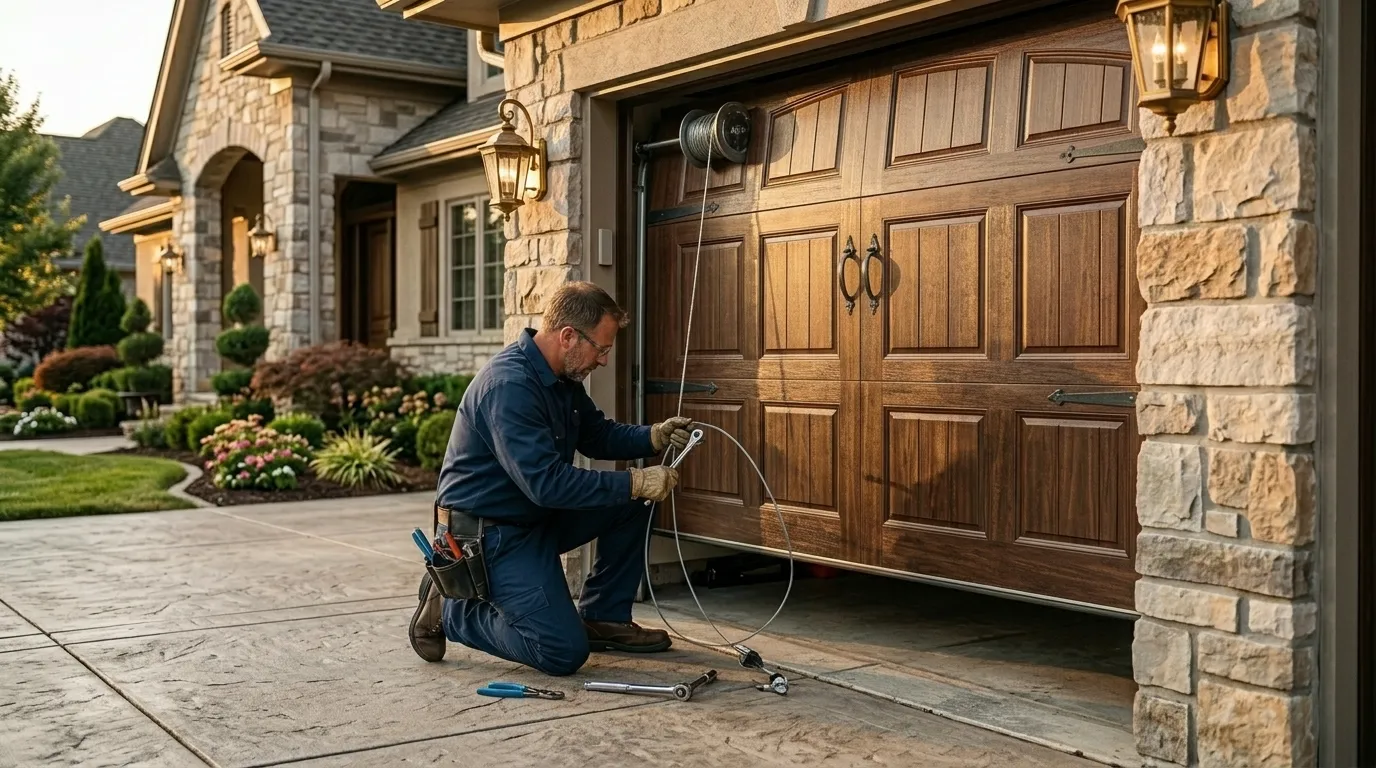
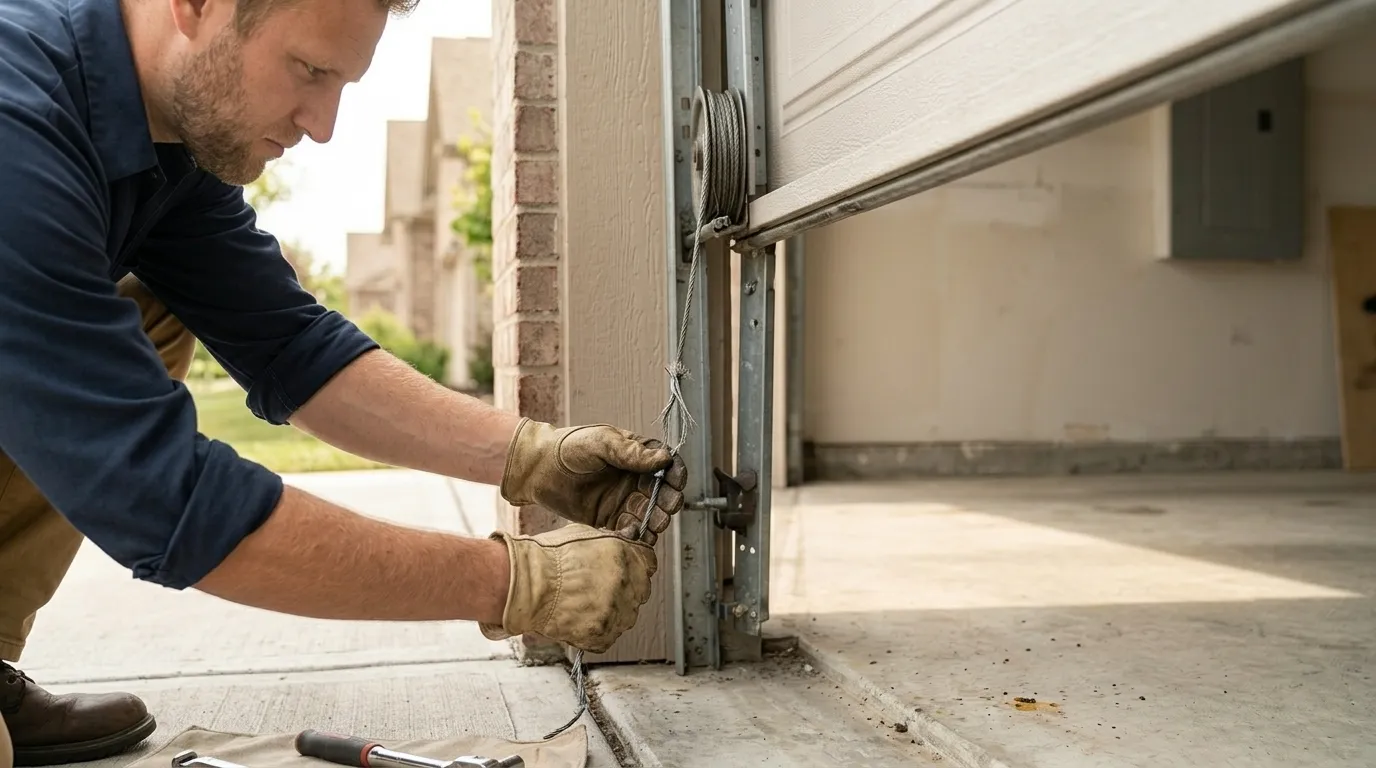
For the torsion springs common to 1980s-and-later construction - which describes most of Windsor's housing - we carry standard wind and wire gauge sizes on the truck. Extension springs and older side-mounted torsion hardware from pre-1980 builds are less common here than in some of the older pockets of the service area, so those parts sometimes take longer to get. We stock the cable, drums, and bearing plates that pair with the spring sizes we replace most, because a spring swap with worn cable or a cracked bearing plate left in place is a callback waiting to happen.
Can You Do This Yourself
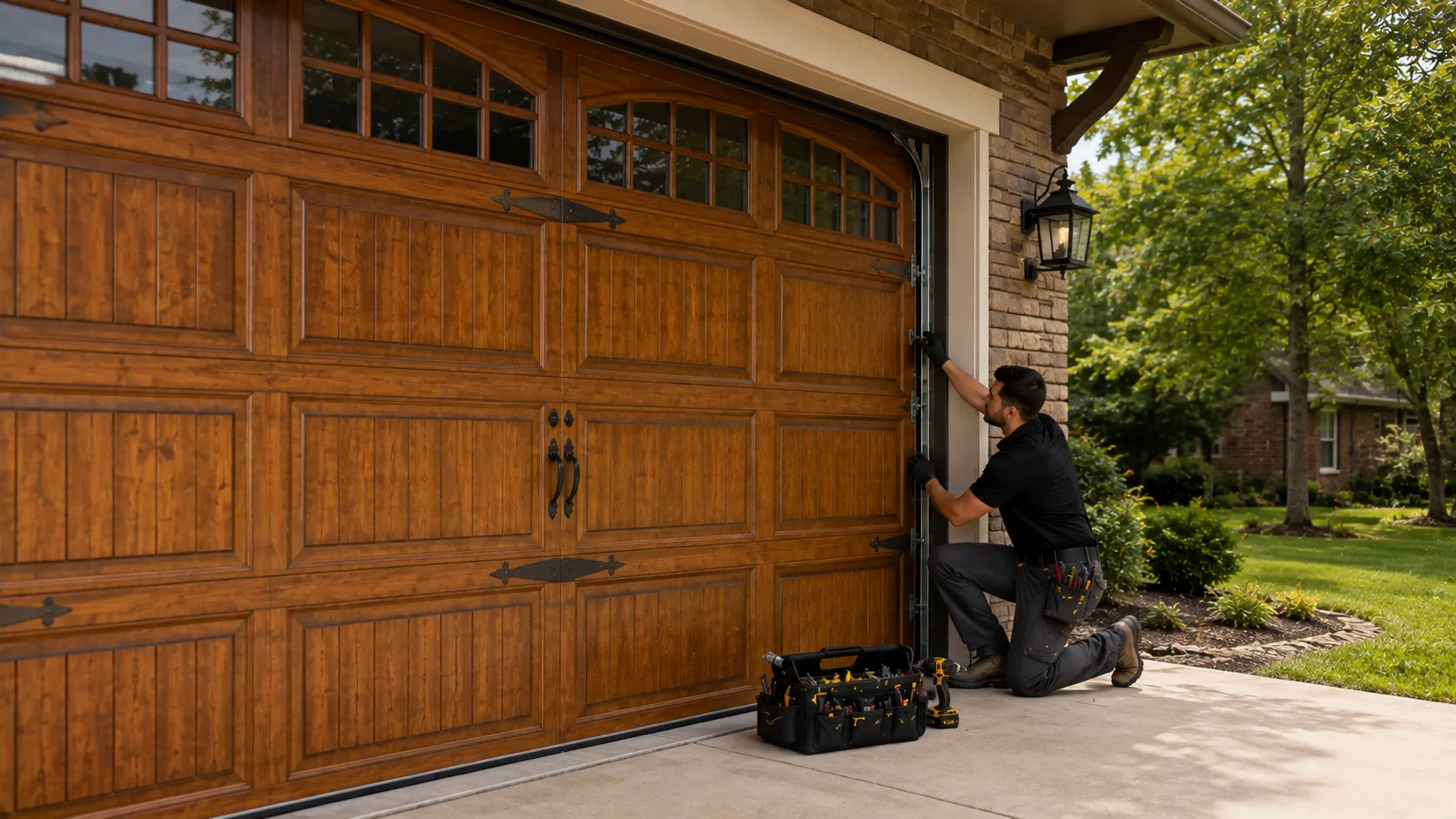
We'll say it straight: don't do this one yourself. A wound torsion spring holds enough stored force to break bones or worse if the winding bars slip, and that risk doesn't change because the house is newer or the town is small. Extension springs are less violent but still snap under tension and can whip a cable loose. If the door won't open, or opens and won't stay up, that's a spring problem, and it's a call-a-pro problem, not a Saturday project. Where a homeowner can help themselves is knowing when NOT to call - if the door is just noisy or slow, that's more likely a roller or track issue, which is a cheaper fix and doesn't need us rushing out for a full spring job.
Why It Happens Here
Windsor's housing stock, built mostly around 1991, sits at the newer end of the broader service area's 1959-2001 span. That means fewer of the failures we see are from decades-old, over-cycled original springs, and more come down to the severe cold-climate stress this area shares with the rest of the region. Steel spring wire loses fatigue life faster through repeated hard freezes, and a spring rated for a certain number of cycles under moderate conditions won't hit that number here. With 3,272 households in Windsor and a median income of $115,111, this is also a market where people tend to fix the spring properly rather than patch it - replacing both springs on a double door when one goes, instead of waiting for the second to fail too.