Can You Do This Yourself
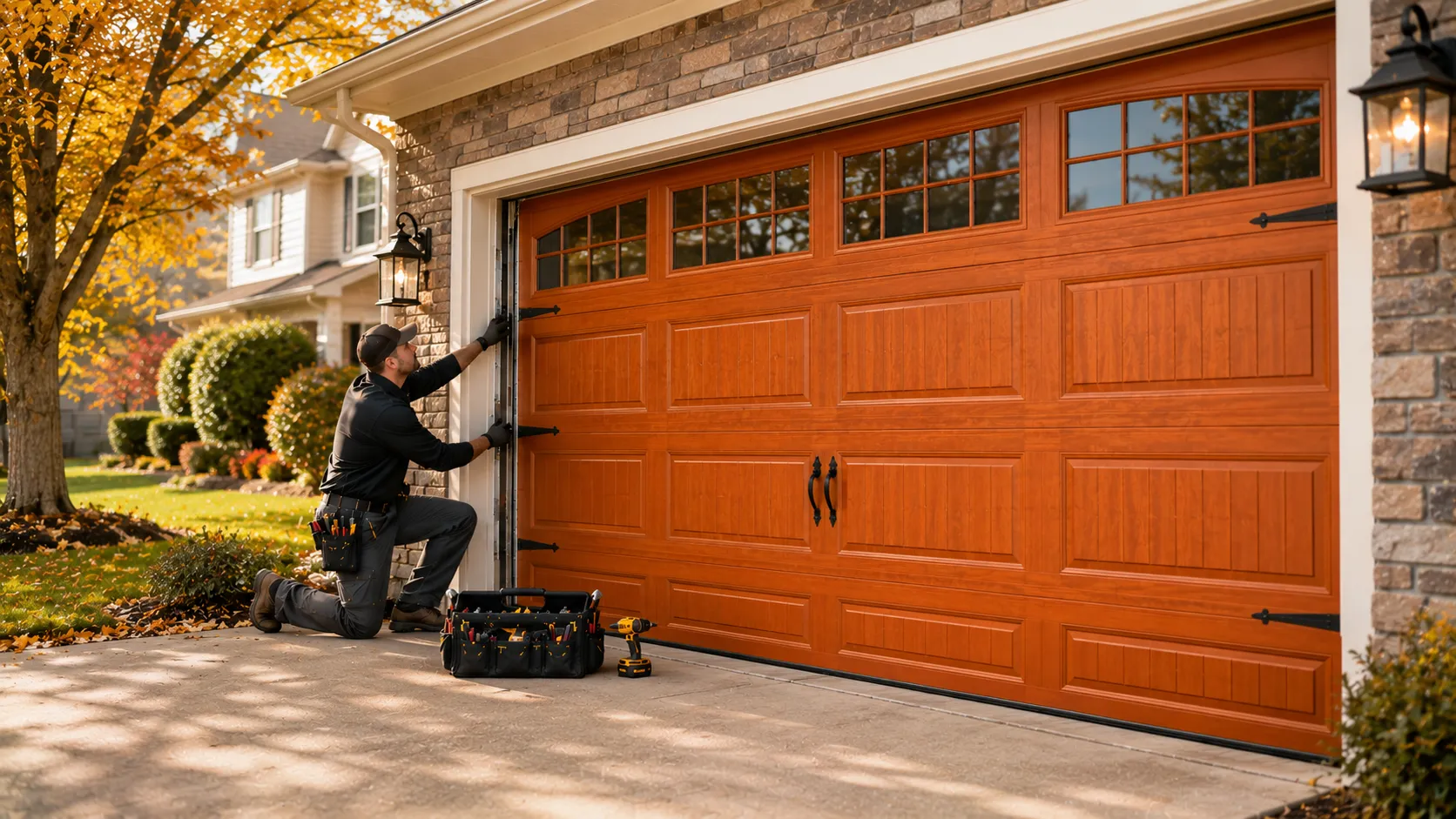
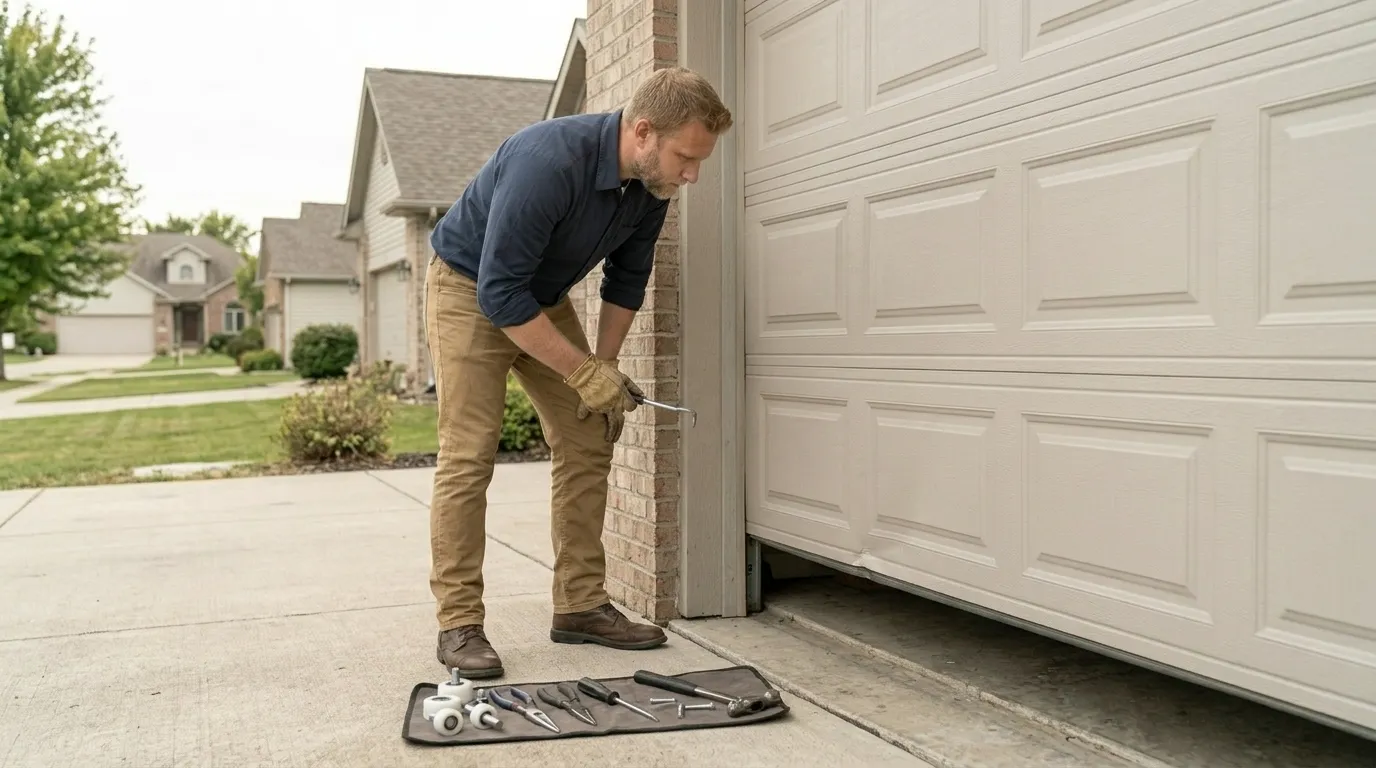
A broken lift cable looks simple - it's just a wire - but it's almost never the whole story. On a door built around 1965, which is the median build year for houses in Waterloo, the cable is usually paired with an extension spring and a pulley system, not a torsion drum. That means the spring is still holding tension even after the cable snaps, and it's sitting right where your hands would go to fix it. We've seen homeowners get partway into swapping a cable, then find the drum grooved or the pulley bracket rusted through, and now it's a bigger job than the one they started. If your door has torsion springs mounted on a shaft above the opening, the tension involved is enough to break fingers or worse. Our honest take: if you're comfortable removing panels and working with basic hand tools, you can inspect and sometimes replace a cable on a lower-tension extension-spring setup. Anything involving a torsion spring, or a door that won't budge at all, isn't a good DIY candidate. We'd rather tell you that upfront than sell you a service call for a five-minute swap.
Parts We Carry
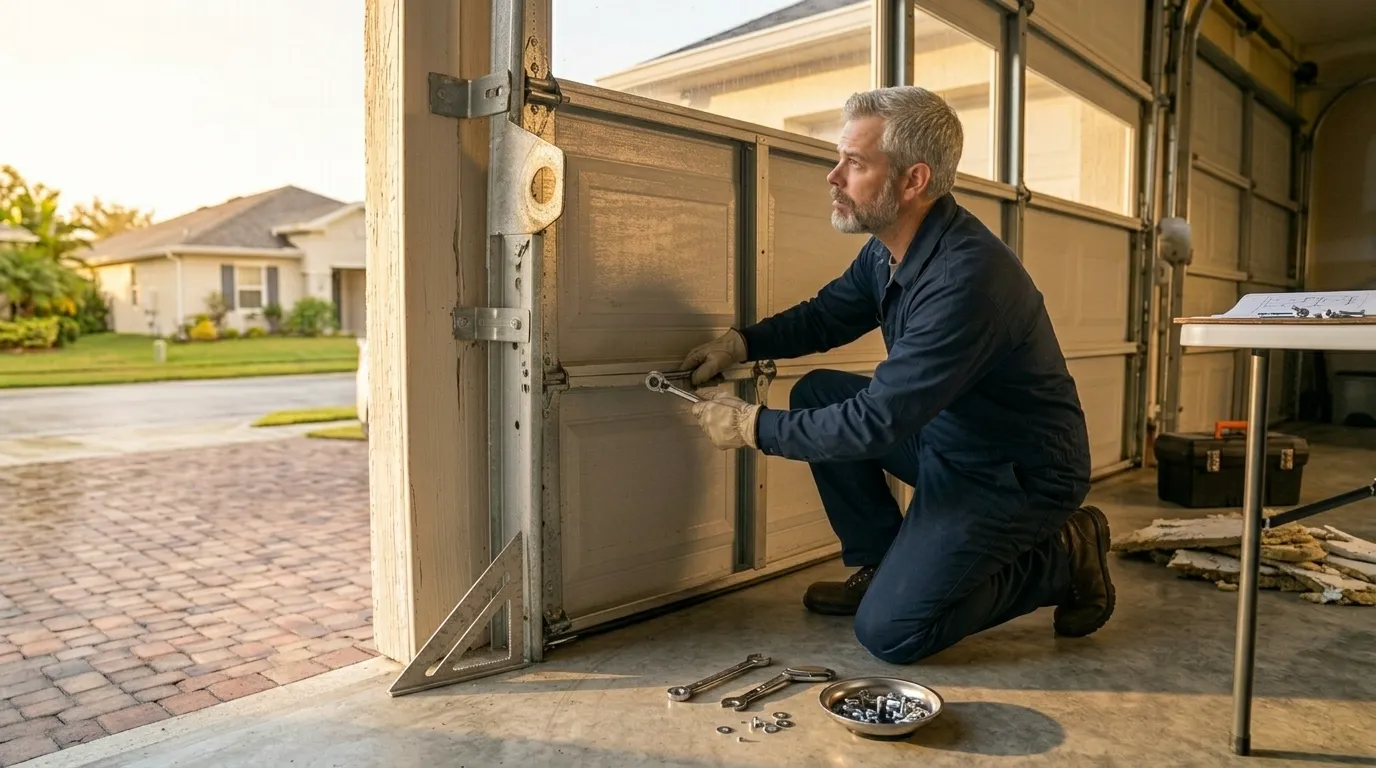
We stock galvanized aircraft cable in the gauges and lengths that fit both older extension-spring doors and newer torsion setups, since Waterloo has a mix depending on when a given door was last replaced. That includes standard 1/8-inch lift cable for lighter residential doors and heavier gauge for double-car doors on older tracks. We also carry replacement drums, cable end fittings, and safety cables for extension-spring systems - that last one is often missing entirely on homes from this era, since it wasn't standard practice when these doors went up. We don't stock every specialty cable length for uncommon door heights or commercial-grade hardware; if your door needs something unusual, we'll tell you at the time of the call rather than make you wait for a part we don't have on the truck. Bringing the right cable the first time matters more here than in newer subdivisions, because a lot of what we find in Waterloo isn't the same length or termination style as what ships standard on a big-box replacement kit.
Why It Happens Here
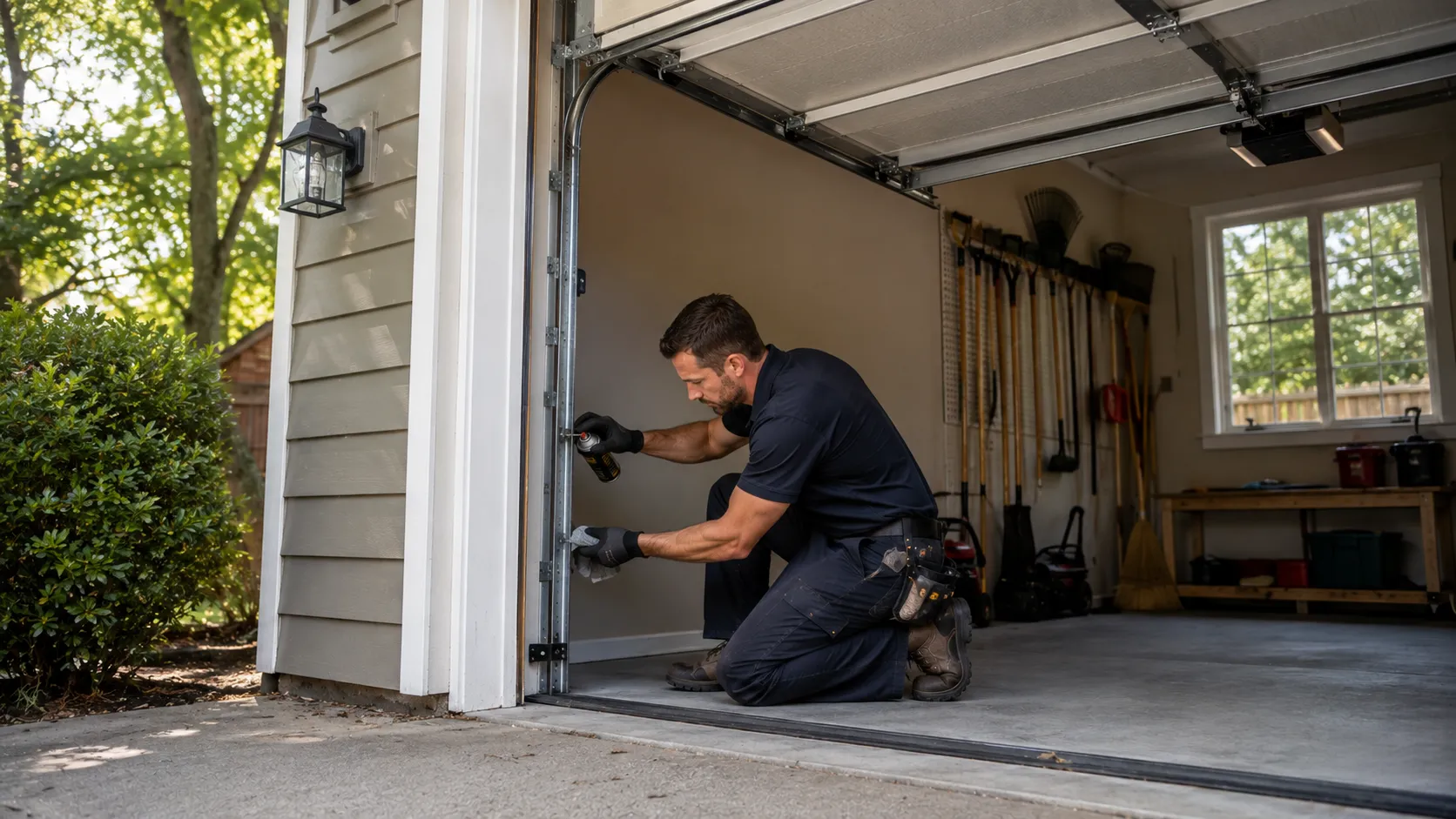
The service area we cover runs from housing built as early as 1959 up through 2001, with a median around 1986. Waterloo sits well on the older end of that range - most houses here went up around 1965. Sixty years is a long time for a cable to sit exposed to a Wisconsin winter, and the cold band we're in is a severe one, which matters because galvanized cable strands corrode faster where they flex around a rusted pulley or drum edge. On original hardware, that's usually the drum groove, since decades of the same cable riding the same spot wears a channel that starts fraying new cable faster than it should. We also see more full spring-and-cable failures together on these older setups than on newer torsion systems, since the components were never upgraded as a set - someone replaced a cable in isolation years back without touching the spring it's paired with, and now both are due at once.
Time on the Job
We run this call from Sun Prairie, about 12 miles from Waterloo. There's no branch or drop location here - every job means a truck making that drive, so we schedule around the route rather than promising a same-hour arrival. Once we're on site, a standard two-cable replacement on a residential door usually wraps in under an hour, assuming the drums and pulleys don't need replacing too. Waterloo is a smaller town by household count - roughly 1,560 households against close to 70,000 across the whole area we cover - so we're not running multiple trucks through here on a given day. That's worth knowing if you're calling with a job that isn't urgent: we'll give you a realistic window rather than squeeze you into a slot that doesn't fit the drive.