Can You Do This Yourself
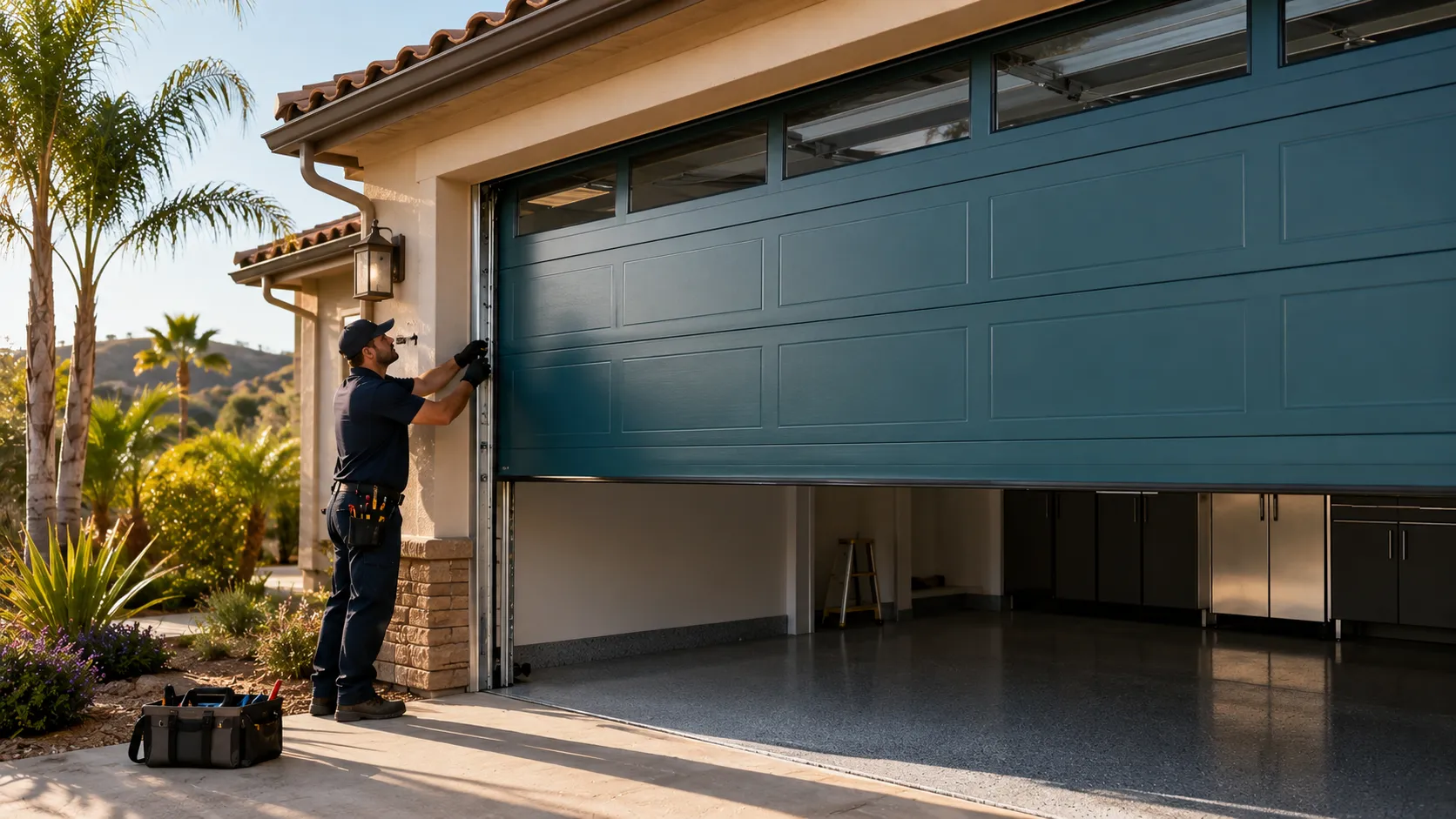
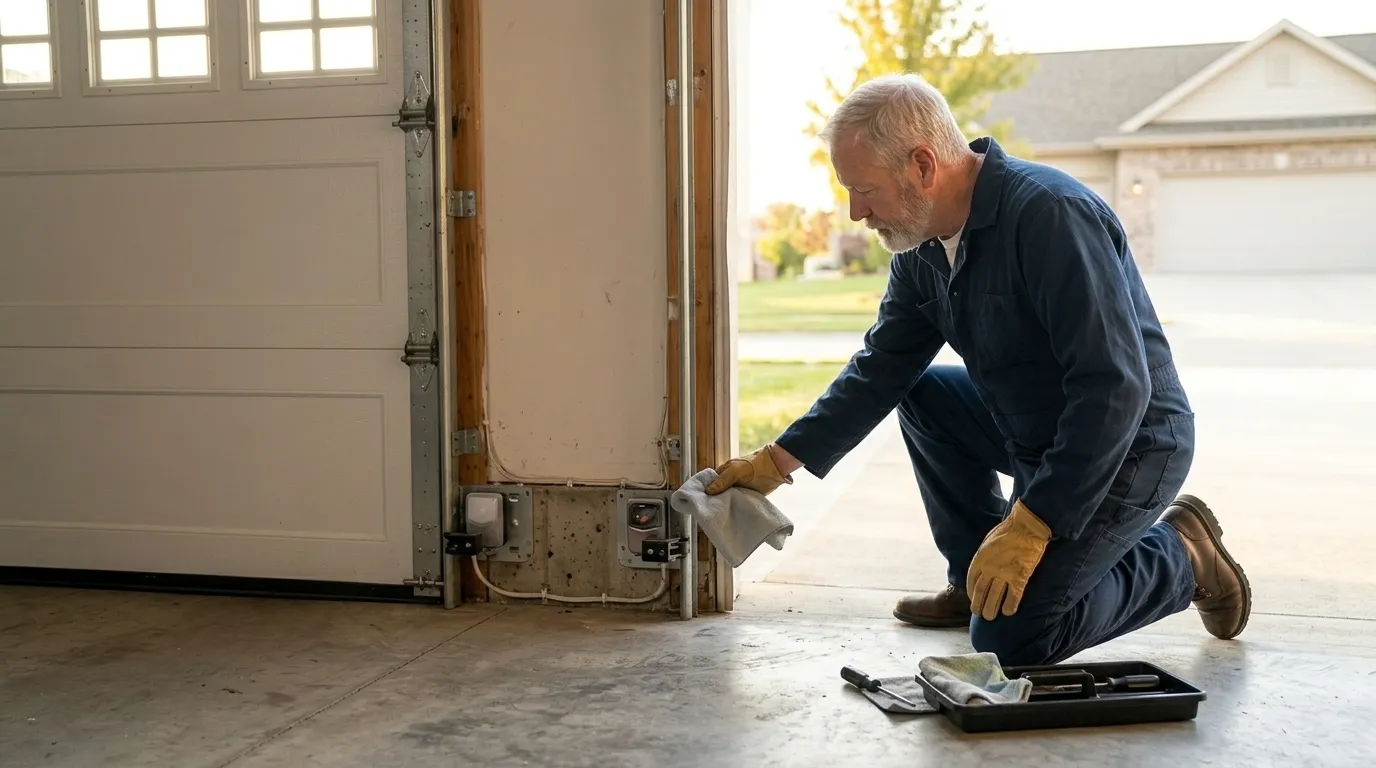
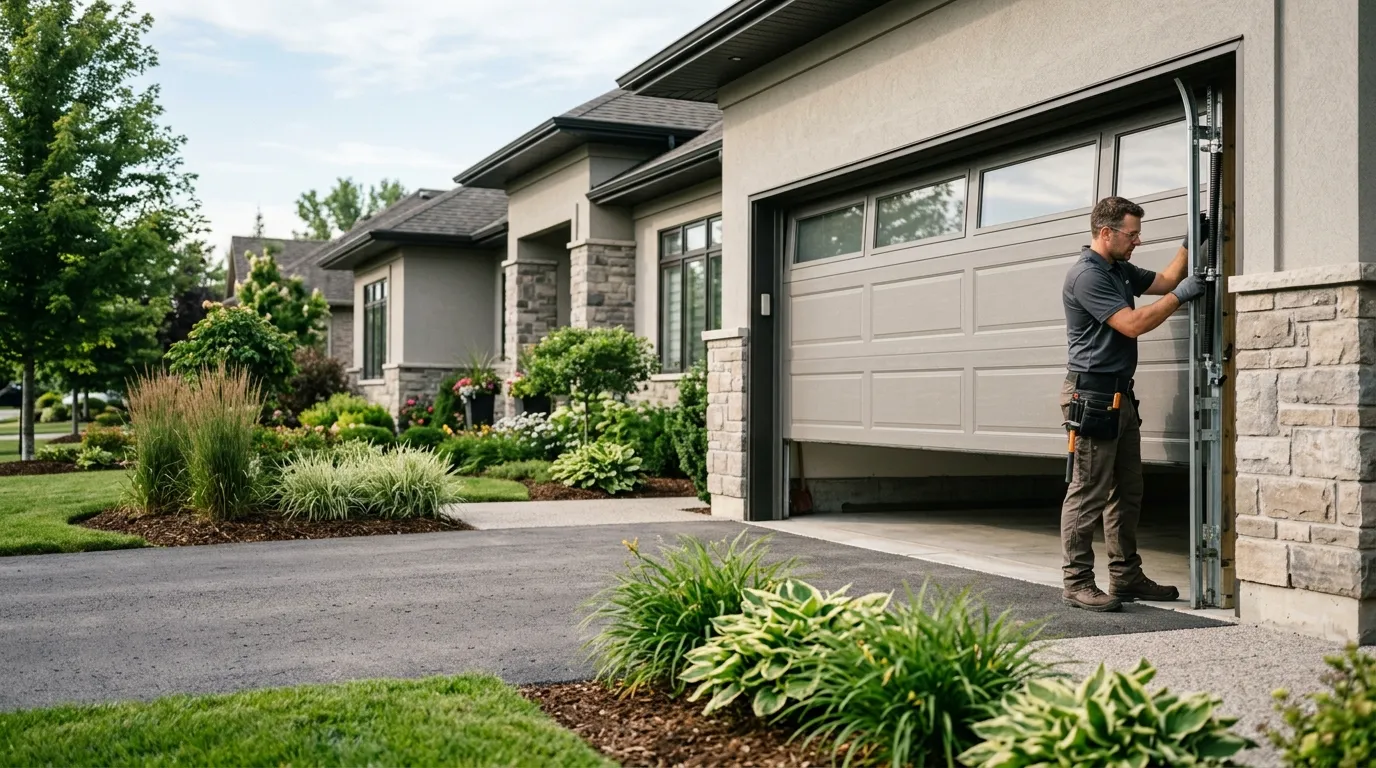
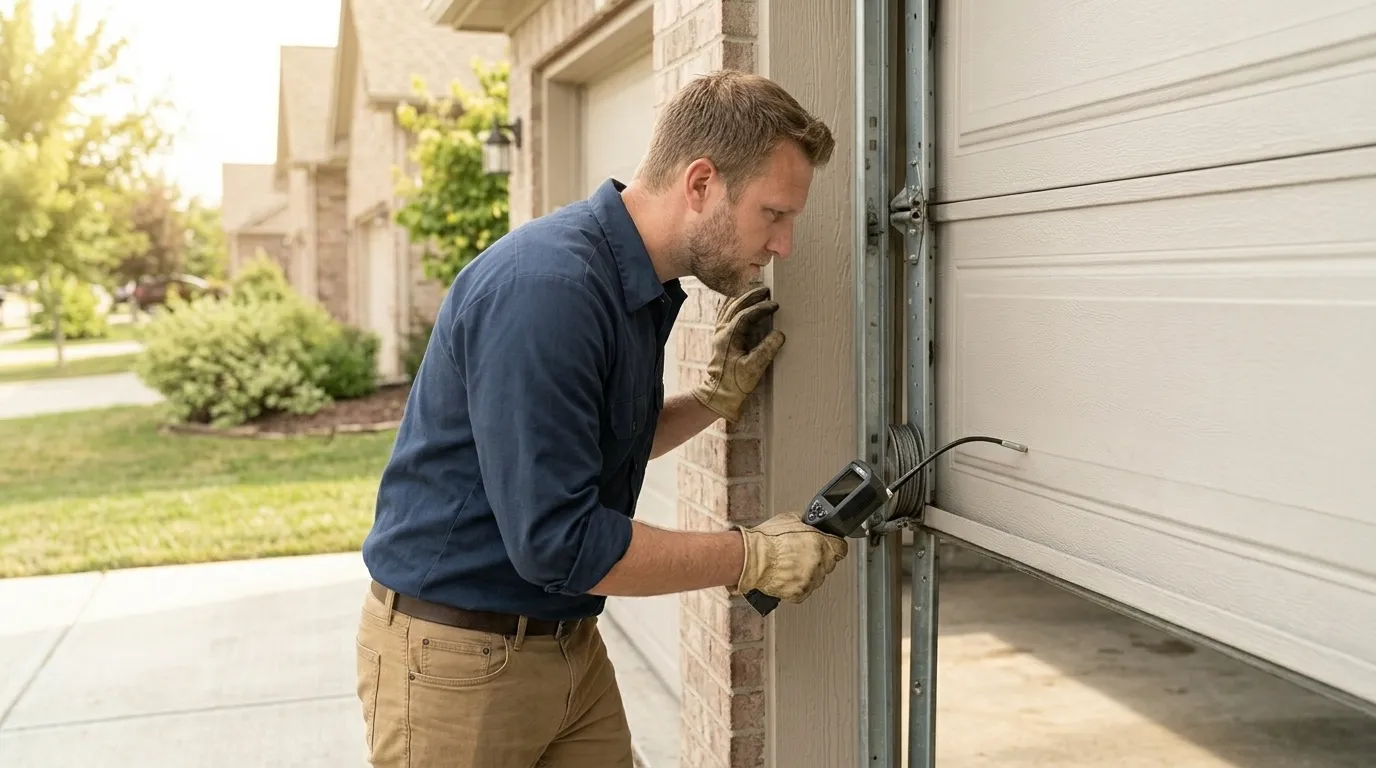
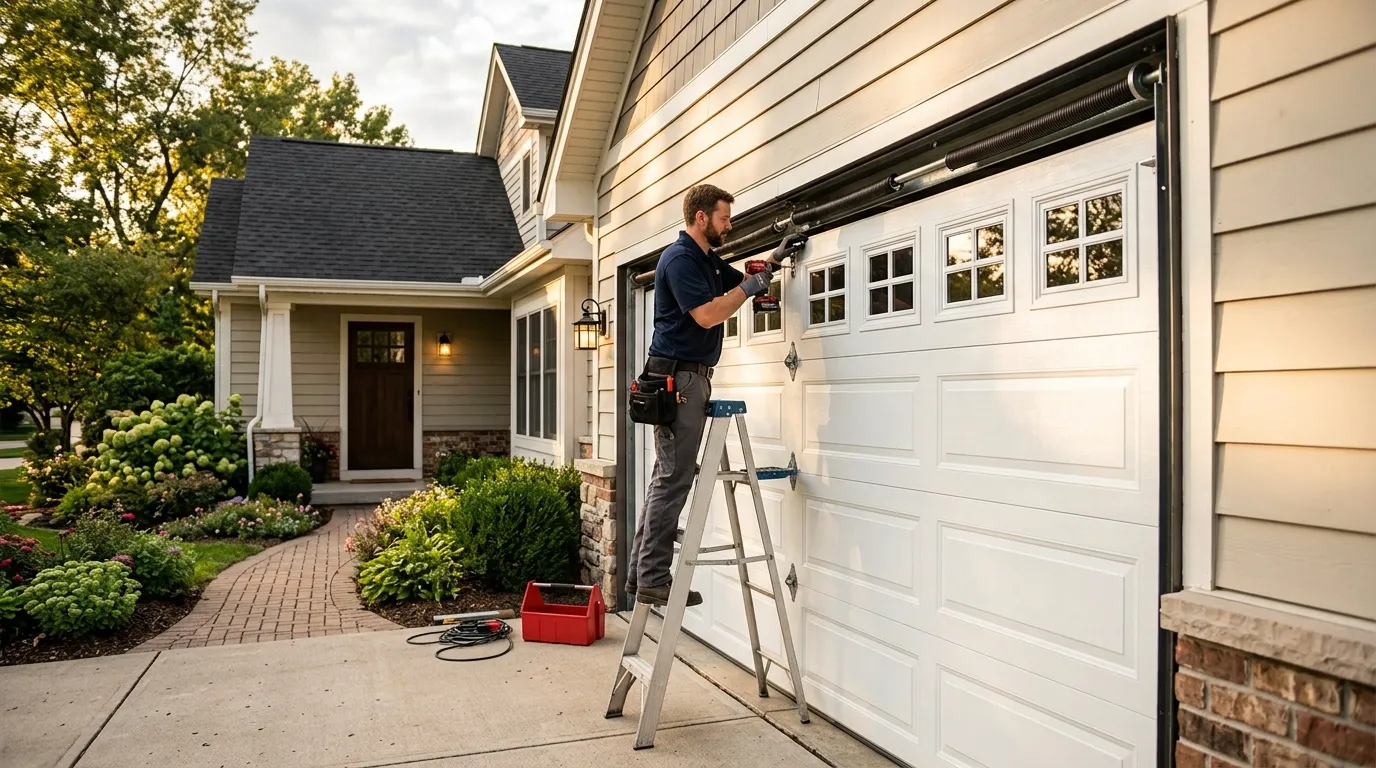
A garage door spring holds enough tension to break a bone or worse if it lets go while you're working on it. That's true everywhere, but it matters more on a house built around 1965, which is Waterloo's median build year and a good ten to twenty years older than a lot of what we see closer to Sun Prairie. Older doors often carry the original torsion or extension hardware, and that hardware wasn't always installed to the winding standards we use now. If you don't know what a winding bar is or you're eyeing a YouTube video and a pipe wrench, stop. We're not going to tell you it's easy because we drove 12 miles to be here - we're telling you because a spring under load doesn't care how far you drove. Where you can help yourself: check whether the door is a single wide panel or a sectional with rollers, and note if it's one spring or two. That saves time when you call. Beyond that, leave the winding cone and the tension to someone with the bars and the clamps built for it.
Parts We Carry
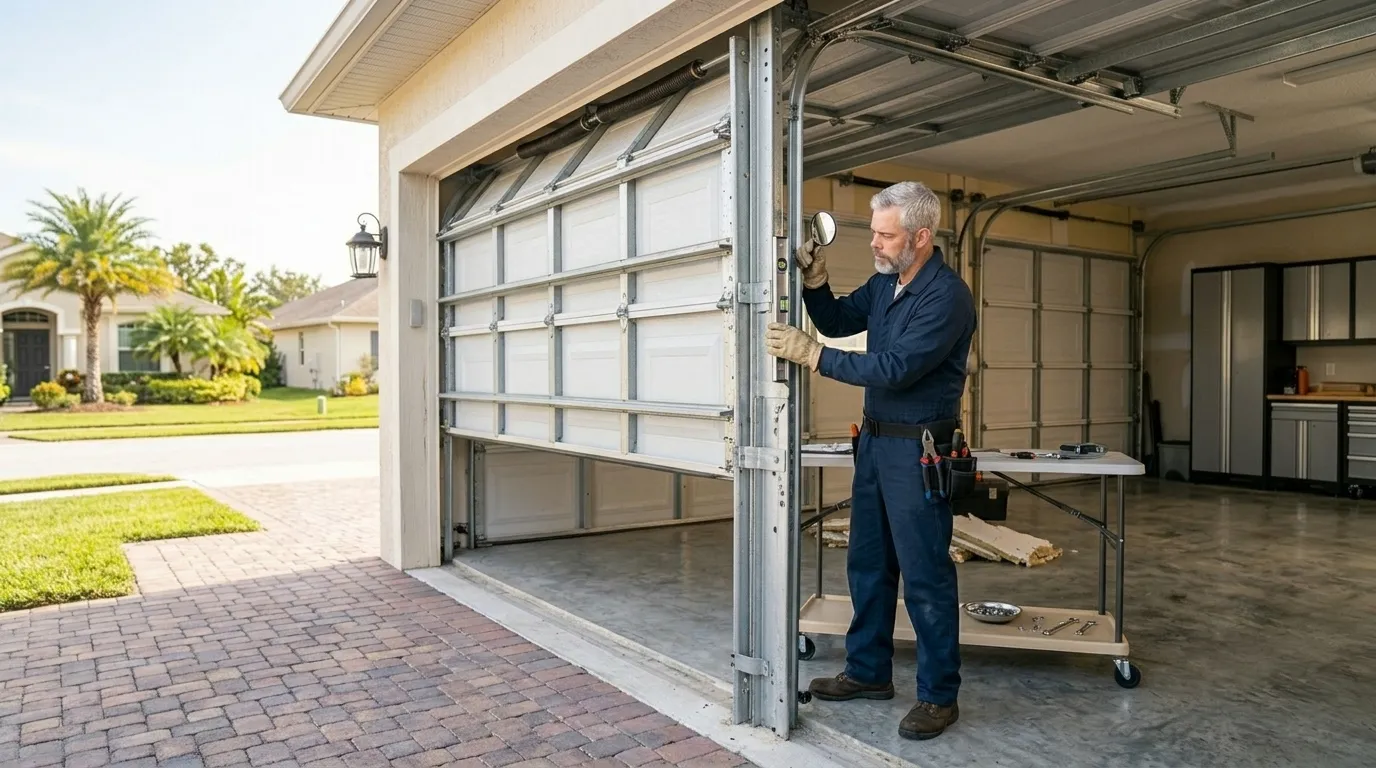
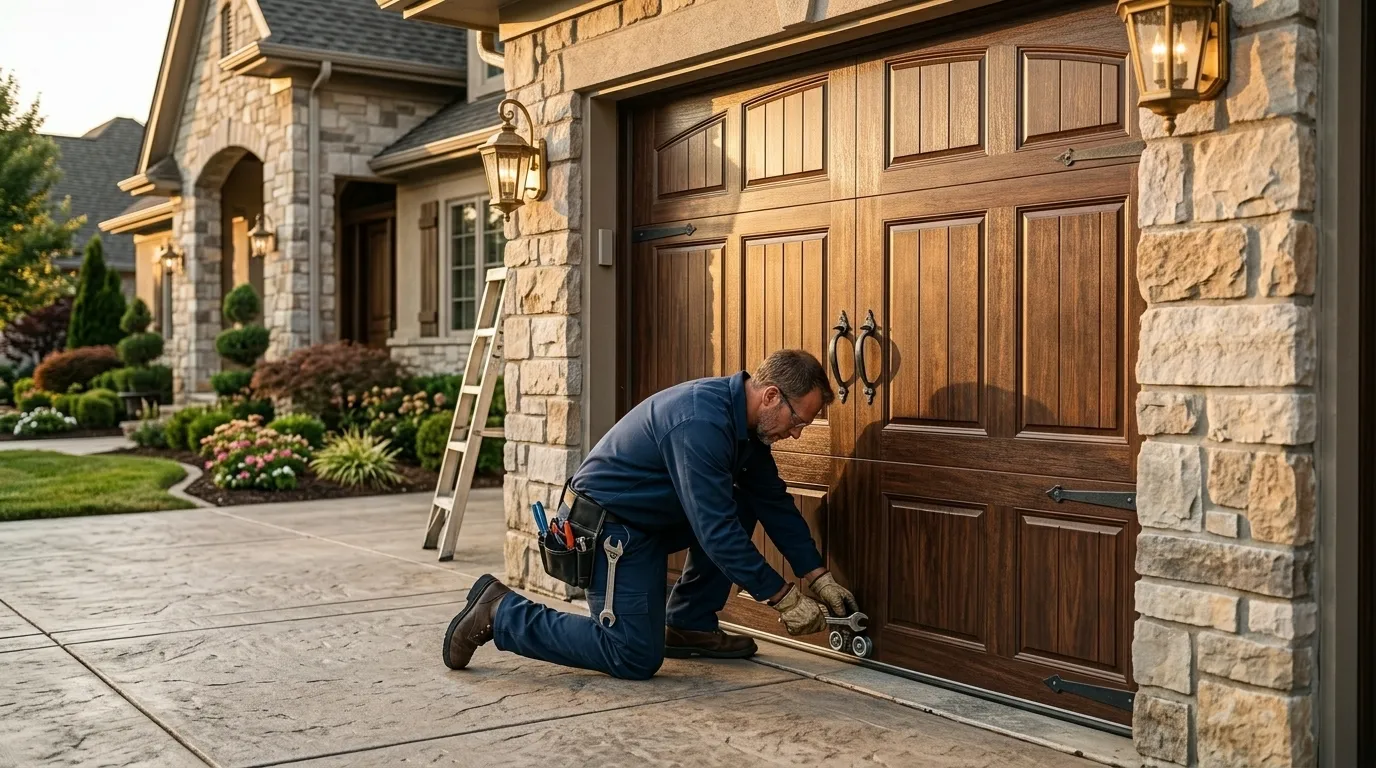
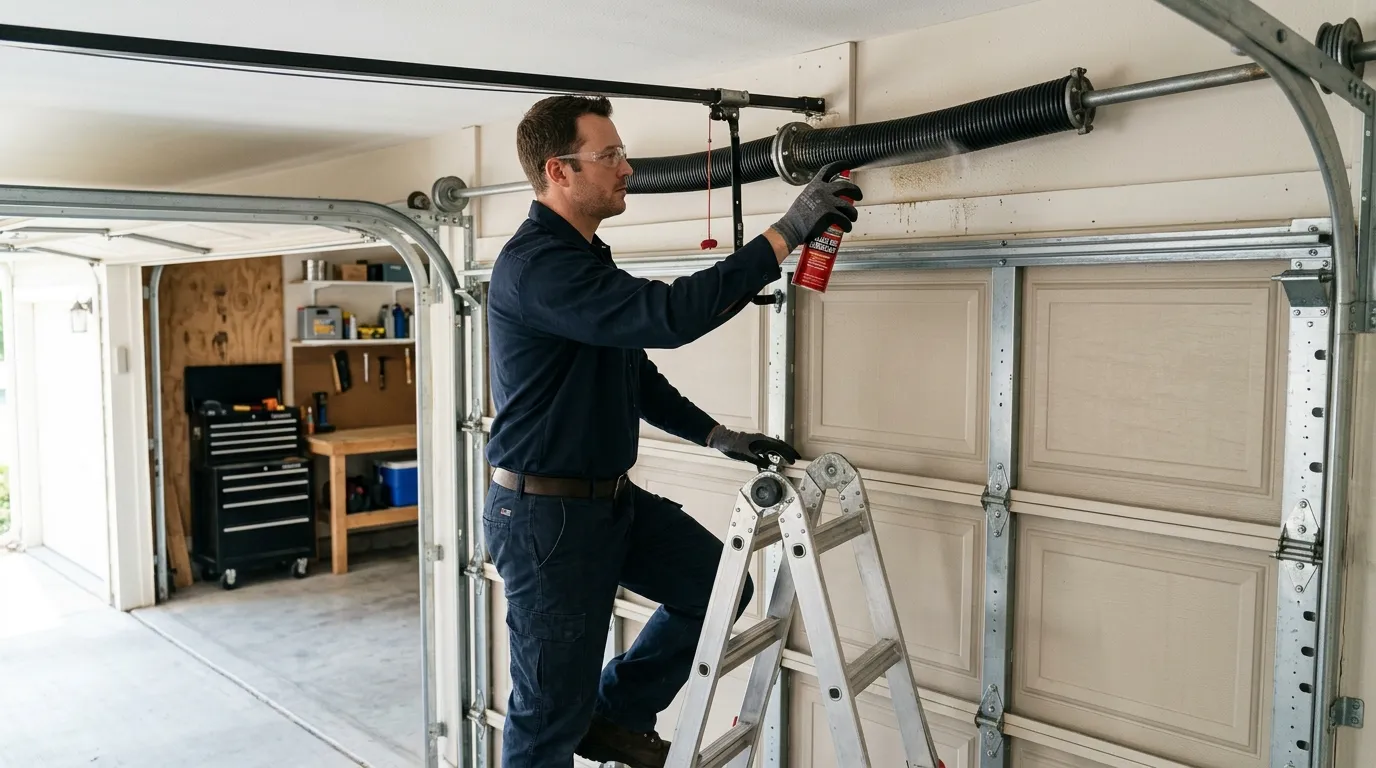
We stock torsion springs sized for both older single-spring setups and the newer dual-spring sectional doors, plus standard extension springs for the pull-up style doors that still show up on Waterloo's older garages. Given the 1965 median build year here, we expect more of the older torsion-on-a-single-shaft configuration than we'd see on a house built in the 1980s or 90s, which is closer to the norm across the rest of the service area. We carry the cable and drum sets that usually need replacing alongside a spring on a door that age, since the two wear together. What we don't carry on the truck: oddball custom springs for doors that were resized or modified from their original opening. Those get ordered, and that's a lead time we're upfront about rather than pretend around.
Why It Happens Here
Springs fail from cycle count and from cold, and Waterloo gets both. The service area sits in a severe cold climate band, and a spring that's already fatigued from age snaps faster once steel gets brittle in a hard winter. With a median build year of 1965, houses here have had roughly fifteen to twenty more years of door cycles than the newer stock built across the broader 1959-2001 range that covers the rest of the service area. More years, more winds and unwinds, more fatigue in the coil. Household income here runs $78,103, noticeably below the wider area's $98,943 median, which we mention because it's part of why we try to be straight about repair versus replace - on an older door, sometimes the spring is the cheap part and the real cost is somewhere else in the hardware.
Time on the Job
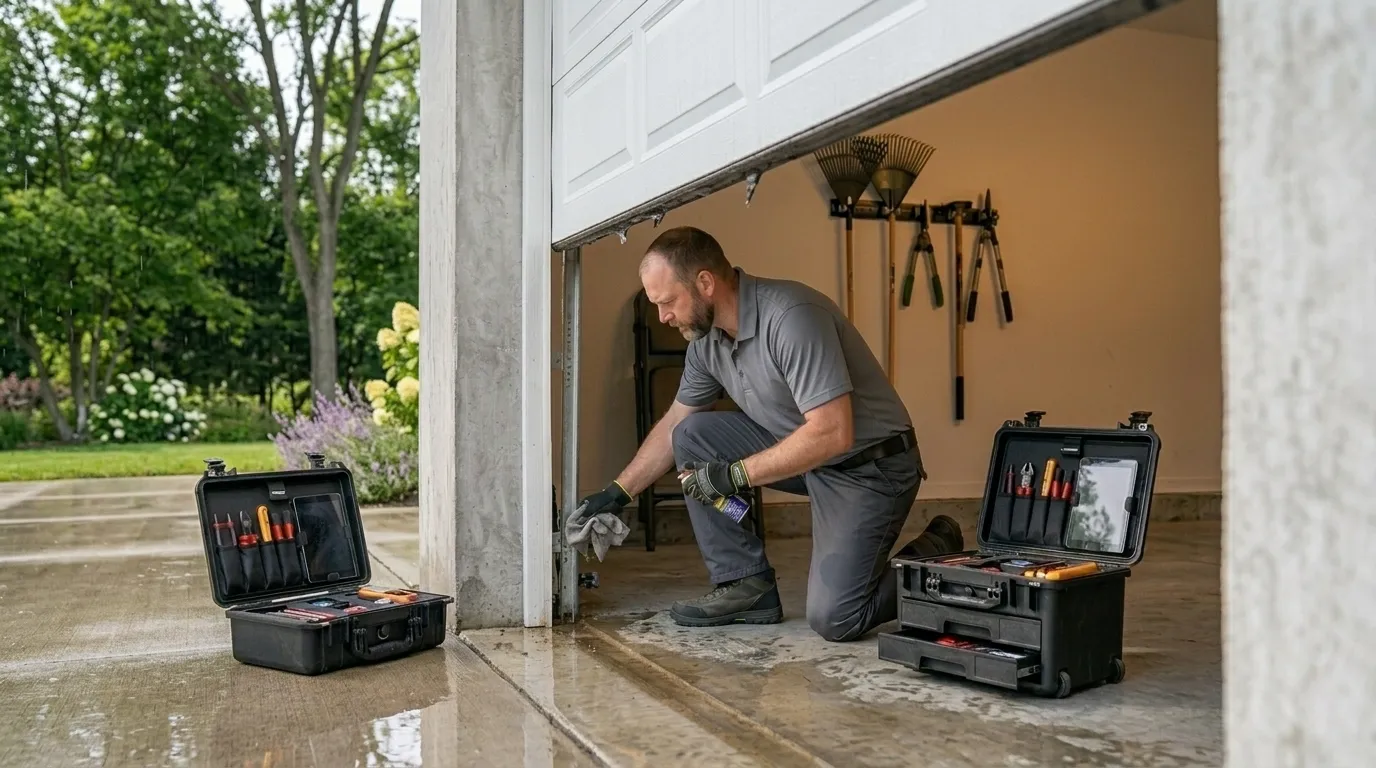
We're not based in Waterloo - we come from Sun Prairie, about 12 miles out, so we don't promise a same-hour drop-in the way a shop sitting on the block might. Once we're on site, a single-spring torsion swap on a standard door usually takes under an hour, including the safety check on cable and drums. A two-spring job or one where we find the mounting hardware needs attention runs longer. We'd rather tell you it might take an extra thirty minutes to do it right on an older bracket than rush it and have you calling again in a year.