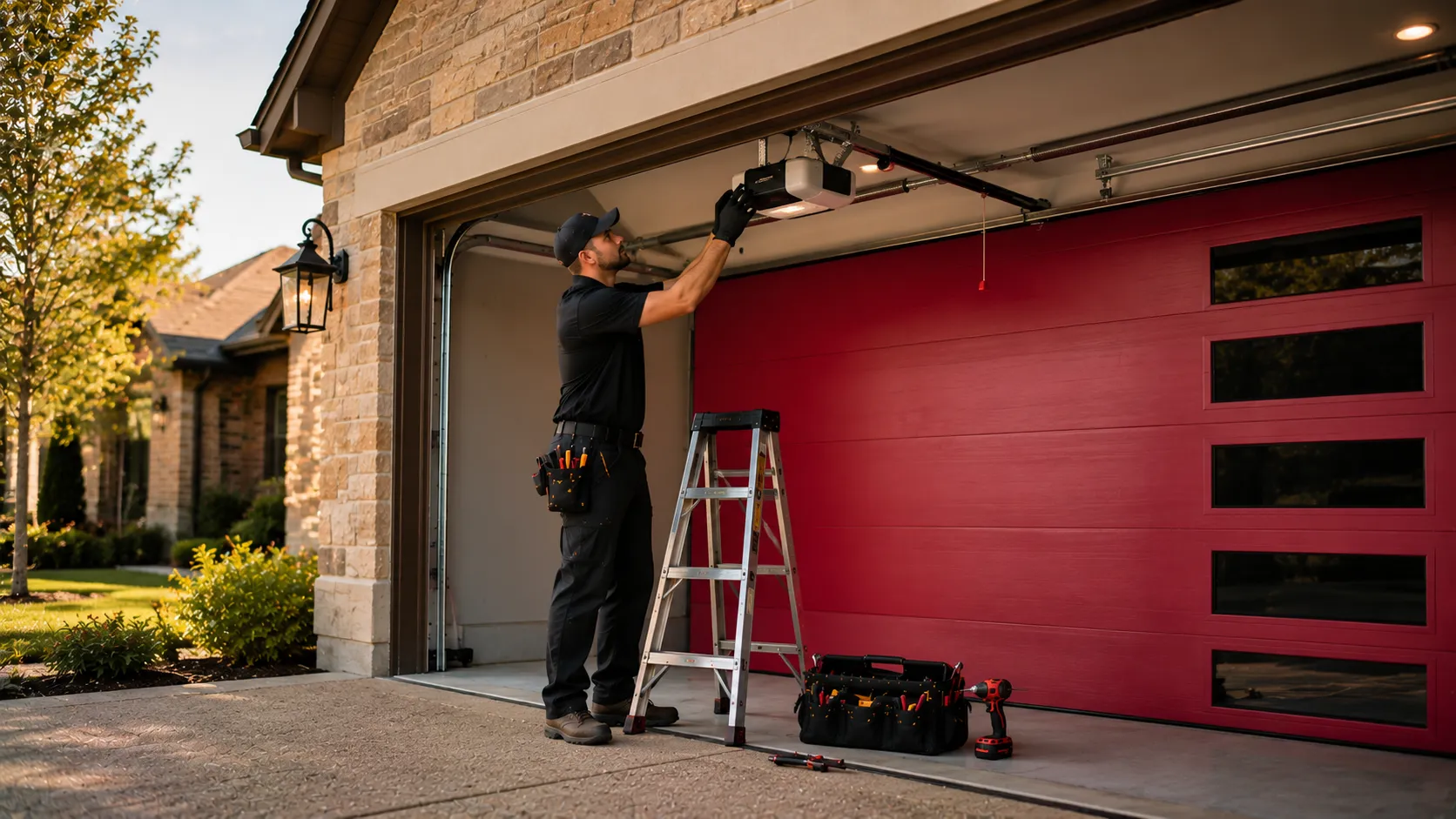
Can You Do This Yourself
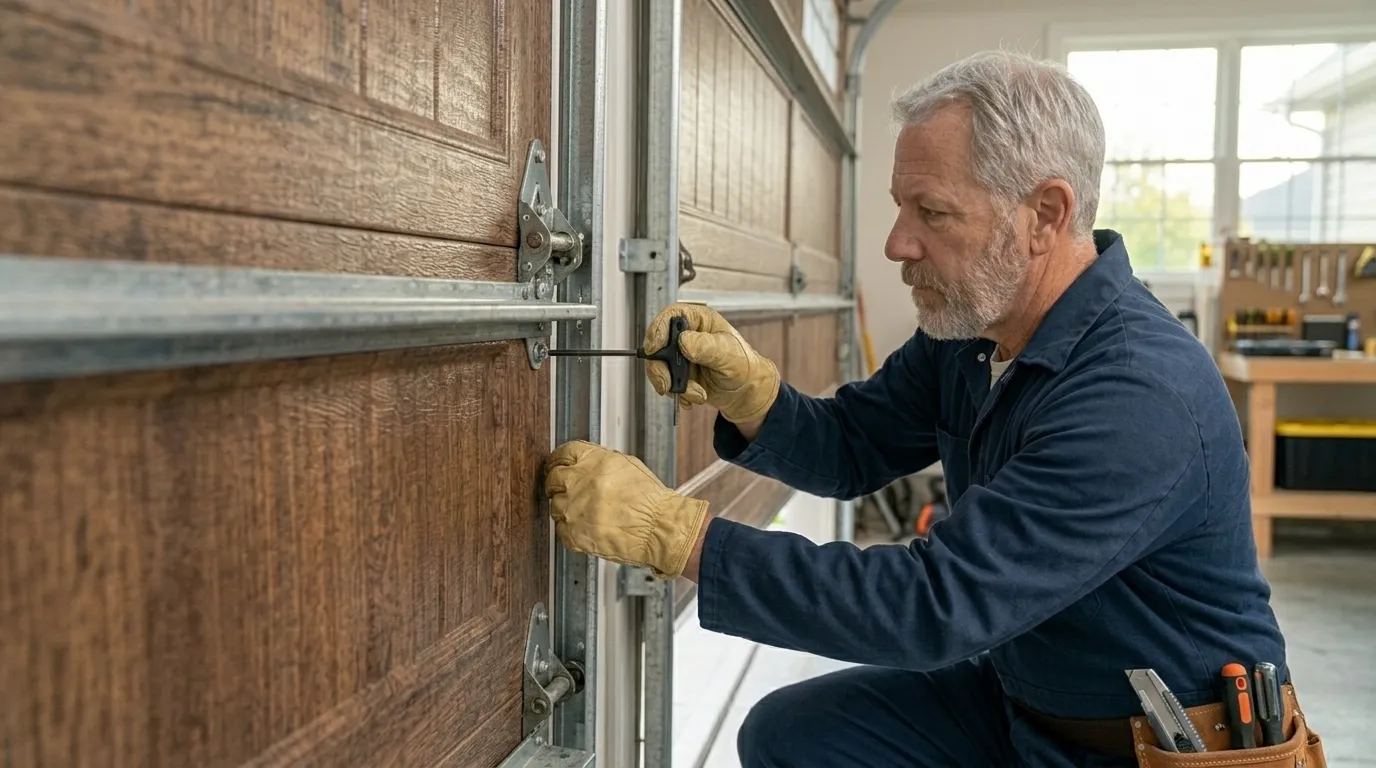
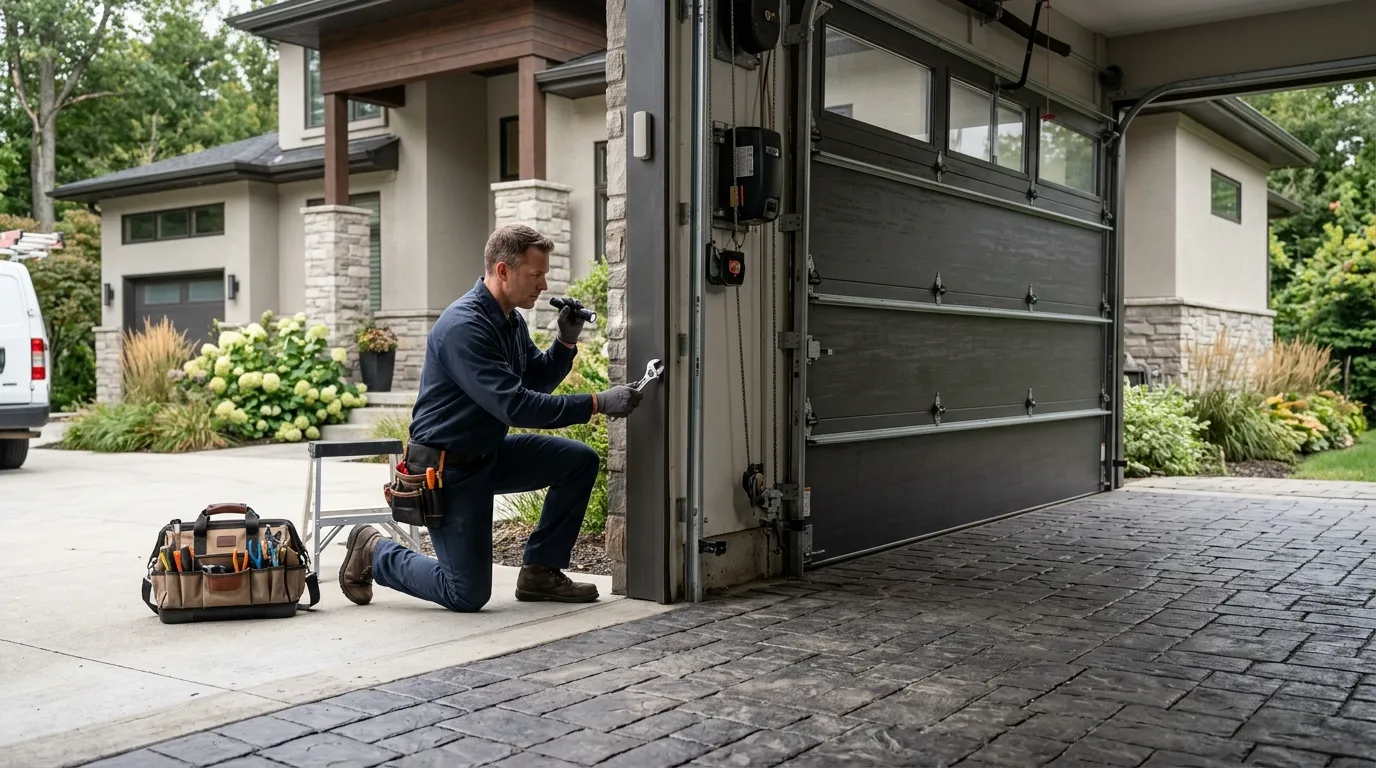
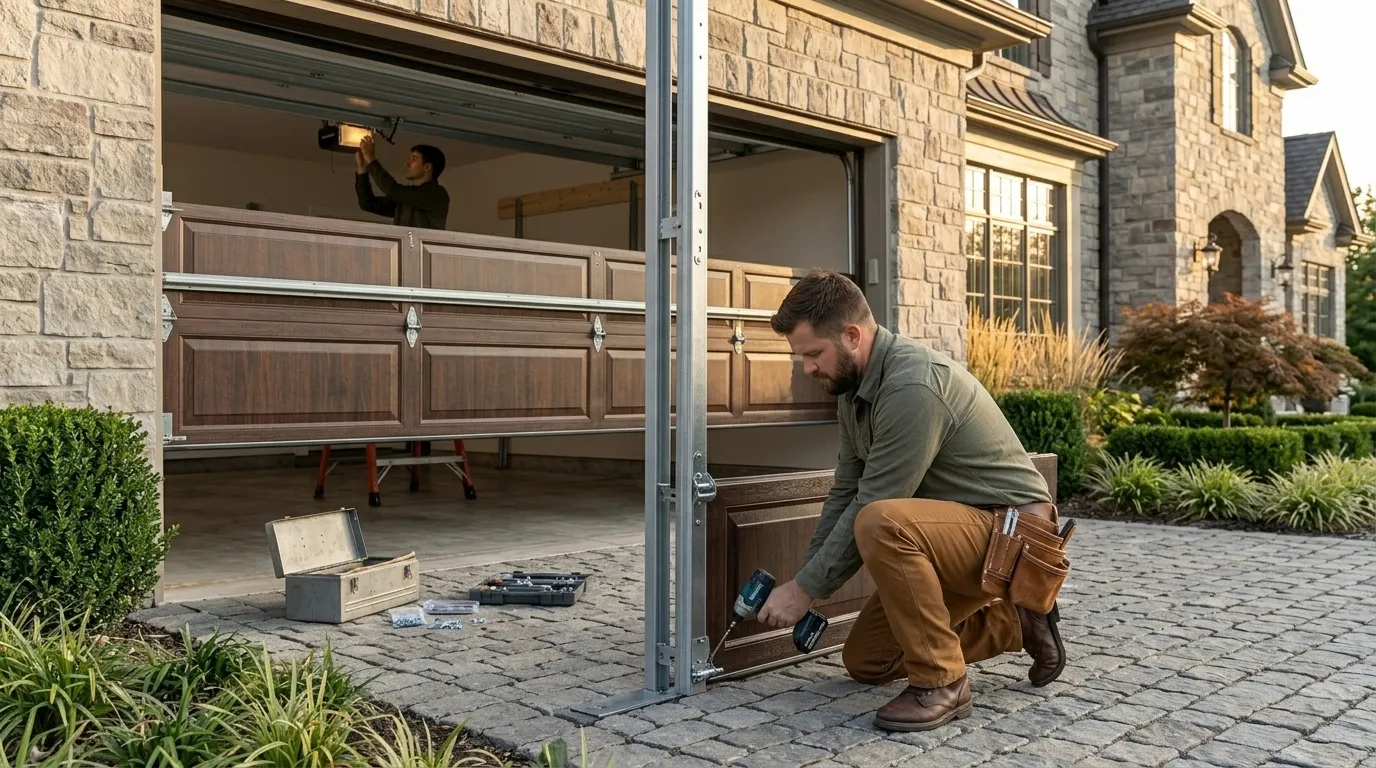
A torsion spring that's lost its coil tension or a track that's pulled loose from the jamb is not a weekend fix, and it's not safe to treat like one. Waterloo's housing stock centers on 1965 construction, which means a lot of these doors are running original steel tracks with decades of paint and rust holding them together. Trying to re-tension a spring on hardware that old, without knowing what year it was actually installed, is how people end up in the ER with a broken wrist or worse.
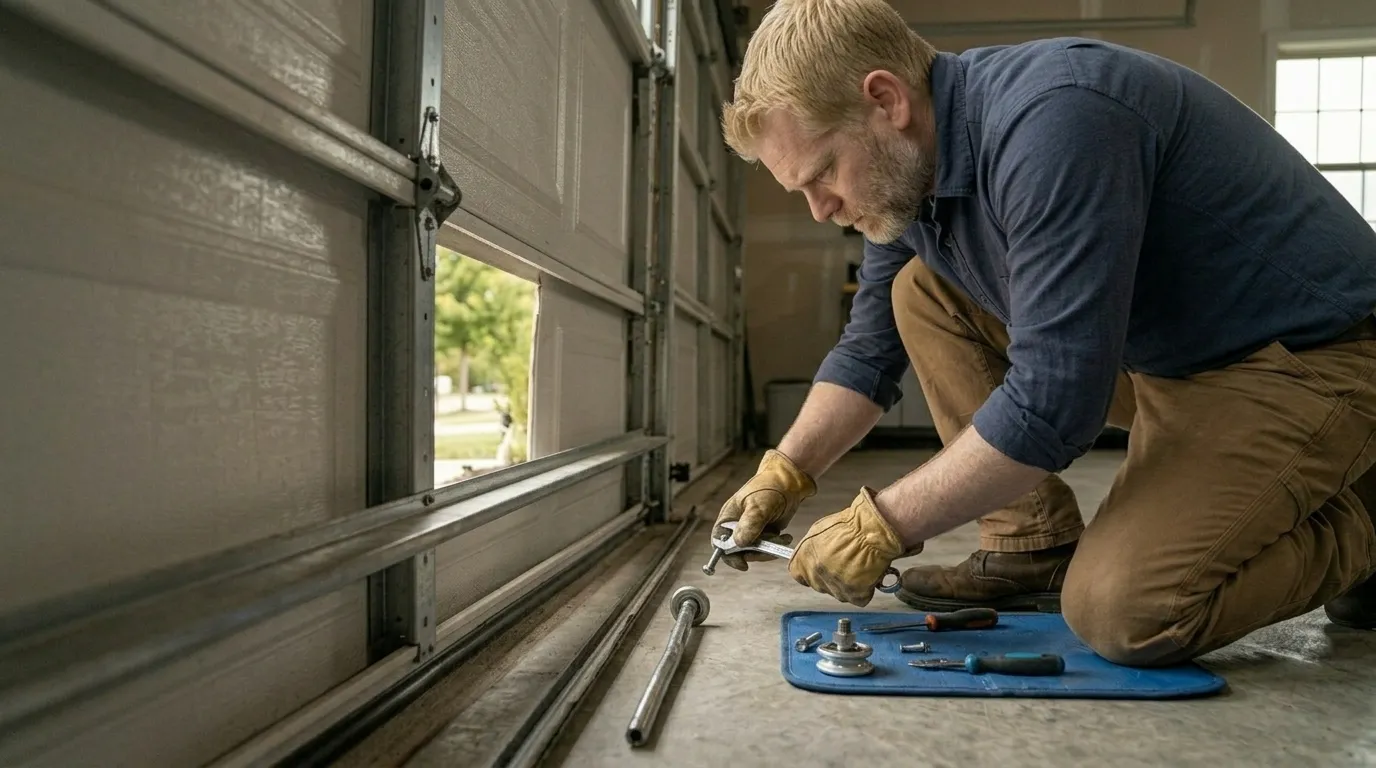
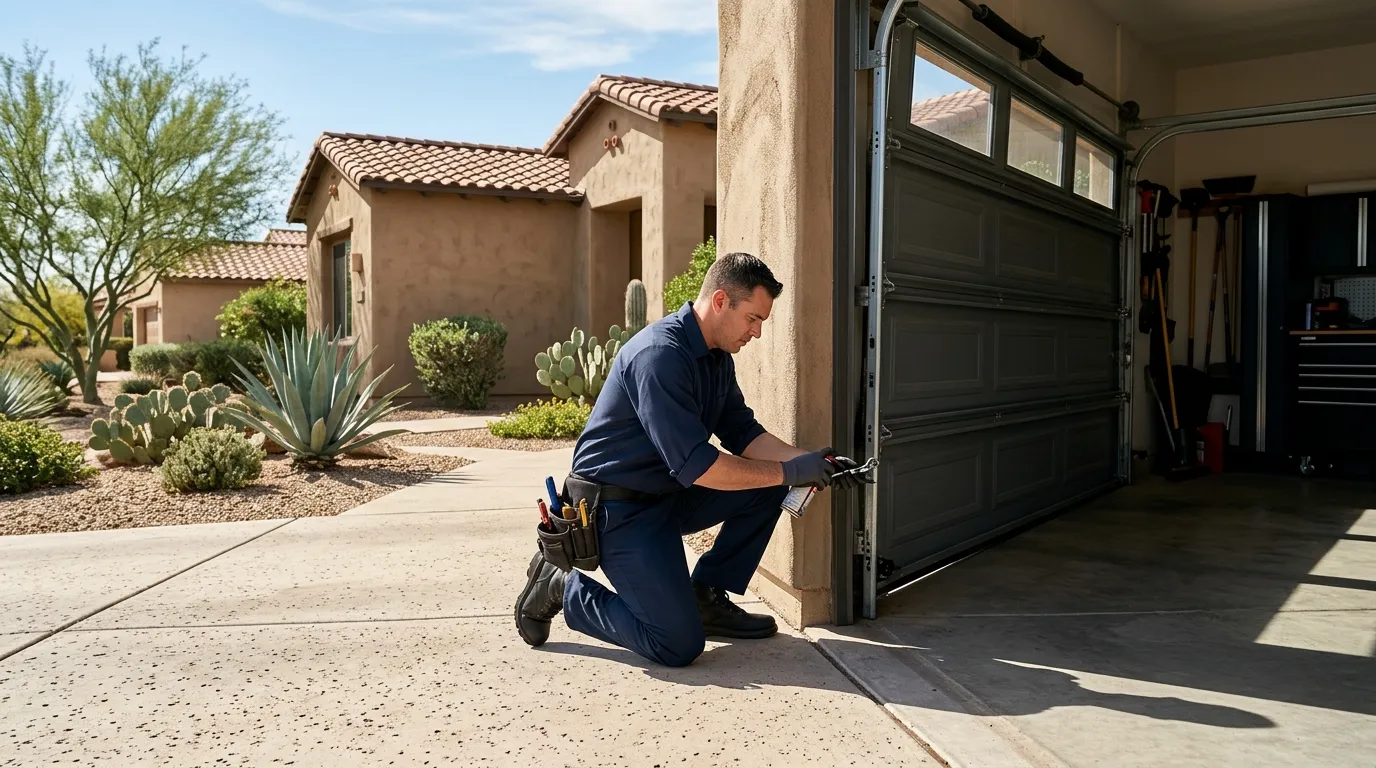
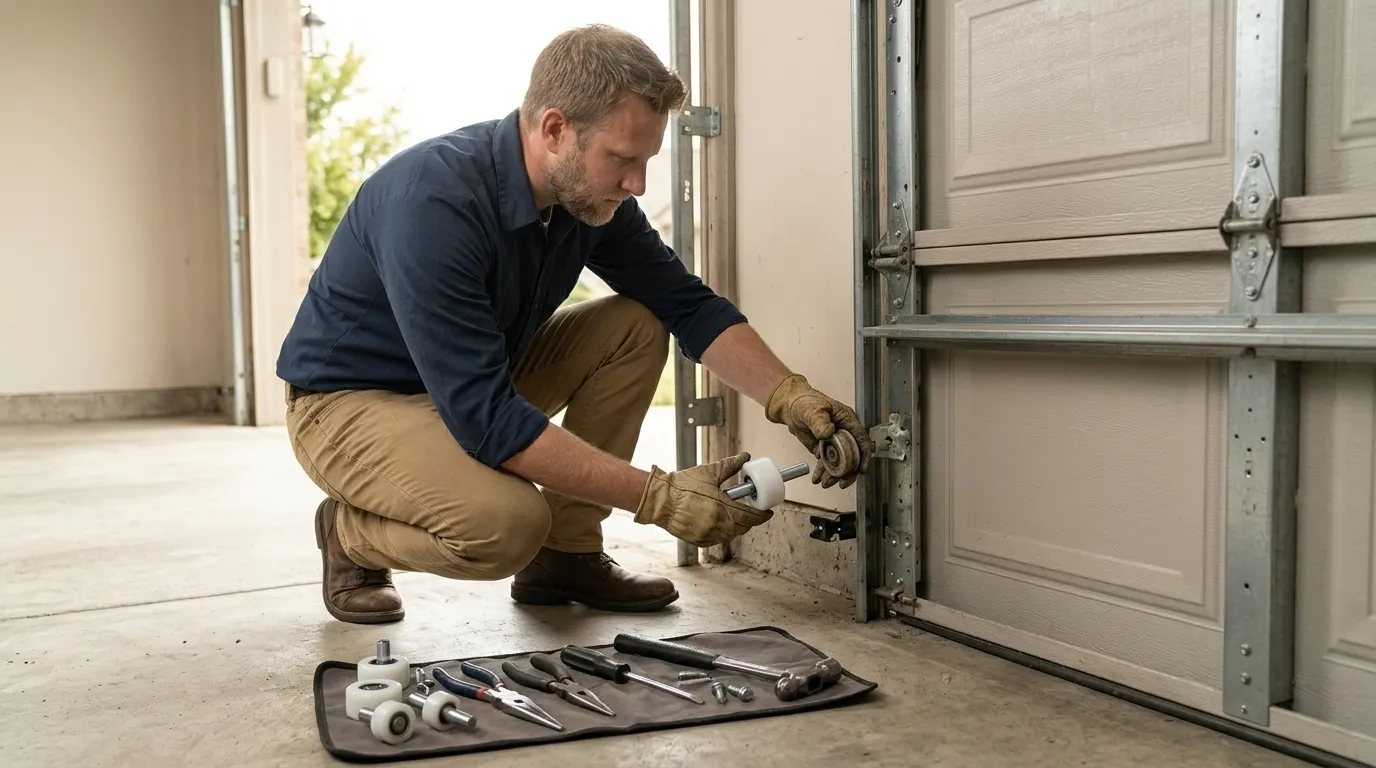
What you can safely do yourself: check that the tracks are clear of debris, tighten loose hinge bolts by hand, lubricate rollers with a garage-door-specific spray, and test the auto-reverse safety feature by placing a 2x4 flat under the door and seeing if it reverses on contact. Anything involving the spring, the cable, or removing a panel is a call, not a project. We're honest about that limitation because it matters more than looking capable.
Parts We Carry
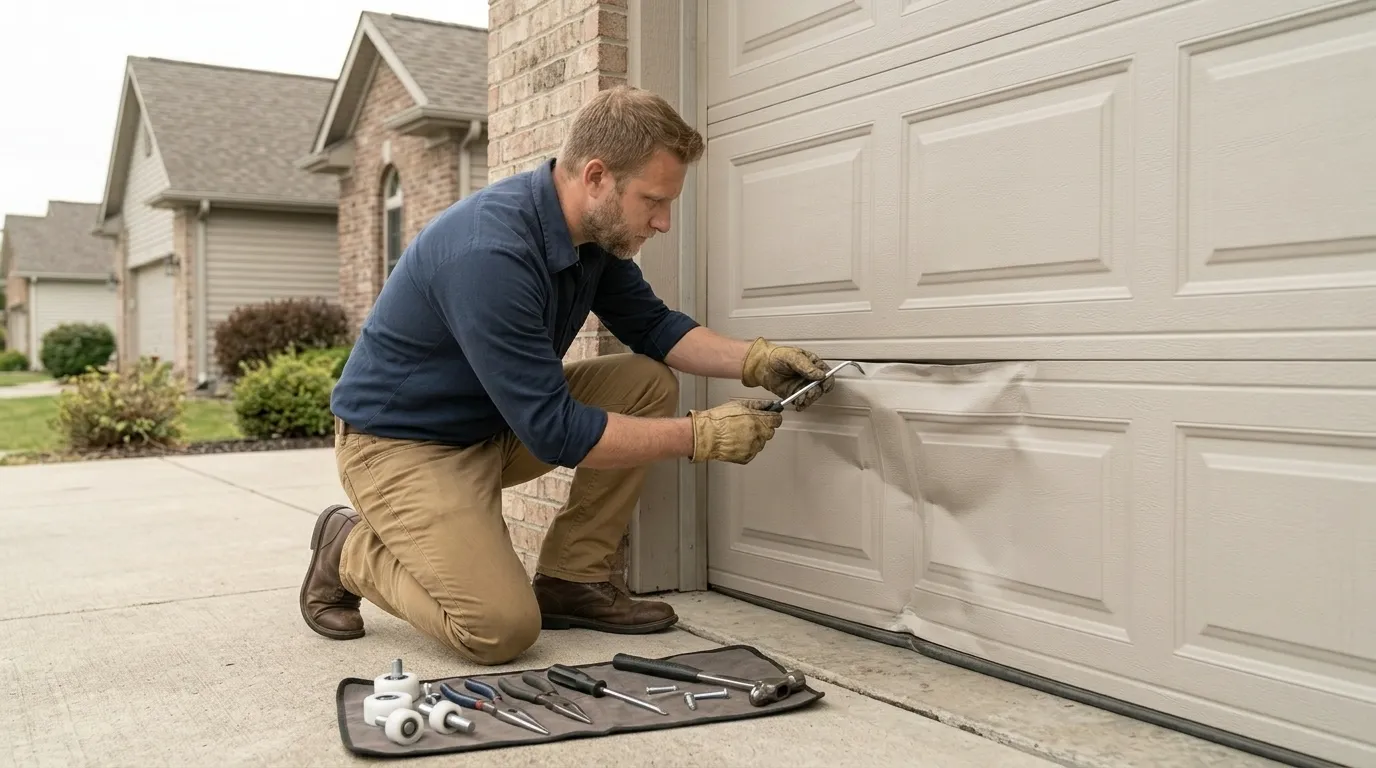
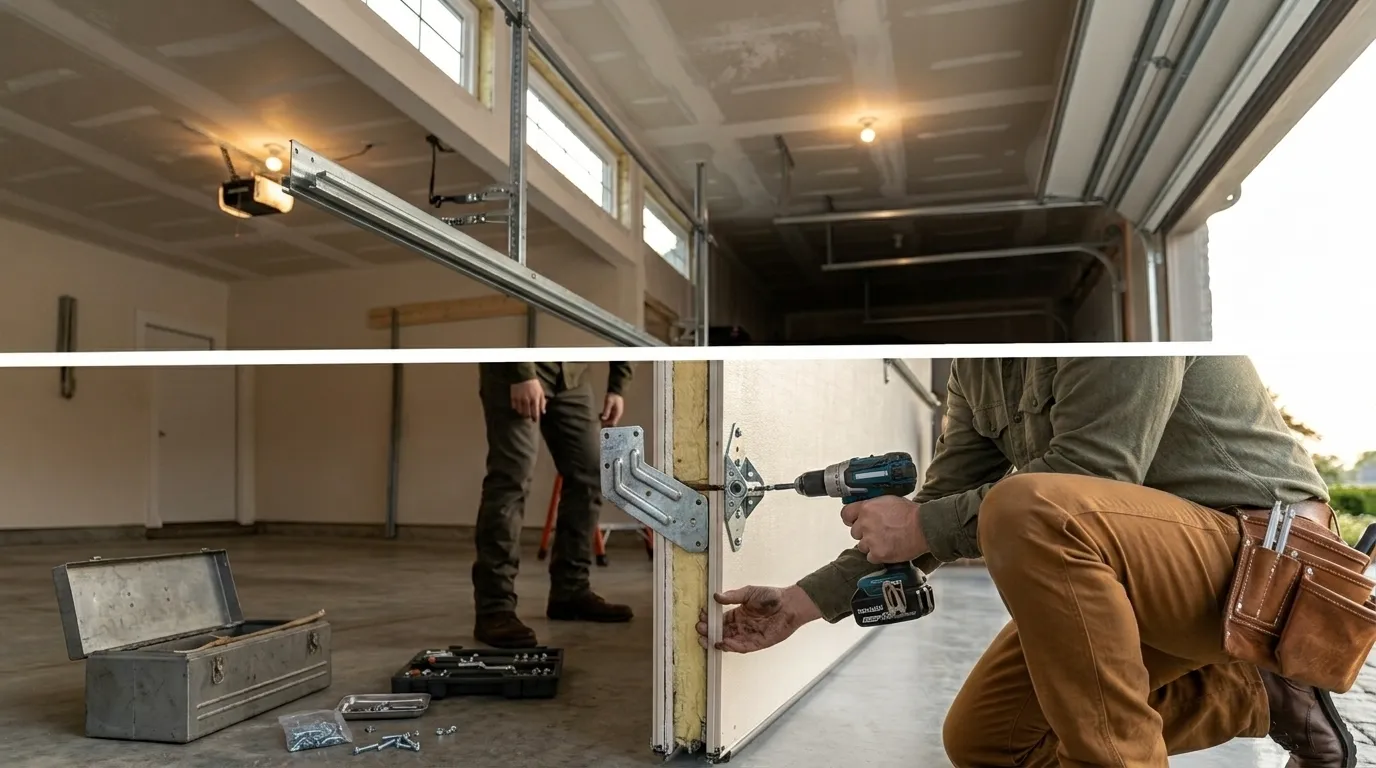
We stock torsion springs, extension springs, rollers, and cable in the sizes that match doors from the 1960s through the 1990s, since that spans what's actually on the ground across this part of the service area. For a house built around 1965, that often means a heavier torsion spring than what you'd see on a door installed in the last fifteen years, because older doors tend to run thicker panel stock.
We carry standard-lift and low-headroom track hardware, both, since we don't know in advance which config a given Waterloo garage was built with. What we don't keep on the truck is anything custom-milled or a discontinued opener logic board from a defunct brand - those get ordered, and that adds days, not hours. If your opener is old enough that the manufacturer no longer makes parts for it, replacement usually beats waiting on a special order.
Why It Happens Here
Waterloo's median year built sits around 1965, which puts a meaningful share of garage doors and their original hardware past the point where springs are rated to last. A torsion spring is built for a set number of open-close cycles, typically somewhere around 10,000, and a door installed when Kennedy was still president has cycled through that number more than once, whether or not it's been replaced.
The area also sits in a cold, severe winter climate - the kind where a spring that's already fatigued from age gets an extra shove toward failure when steel contracts hard in a January cold snap. That combination - older hardware plus real winter - is why a disproportionate share of the calls we get from Waterloo are spring failures rather than opener or sensor issues, which tend to show up more on newer installs elsewhere in the service area.
Time on the Job
With around 1,560 households in Waterloo, this isn't a town where we're running multiple trucks a day. That means when you call, we're scheduling a drive out from Sun Prairie, not dispatching from around the corner - worth knowing up front so you're not expecting a same-hour arrival.
Once we're there, the job itself moves at the same pace it would anywhere: diagnose, quote what we find (not what we guessed on the phone), then do the repair. A median household income here around $78,103 also shapes what we recommend - for a lot of Waterloo homeowners, fixing a serviceable door with new hardware makes more financial sense than replacing it outright, and we'll say so when that's the honest answer, not the sale.