Can You Do This Yourself
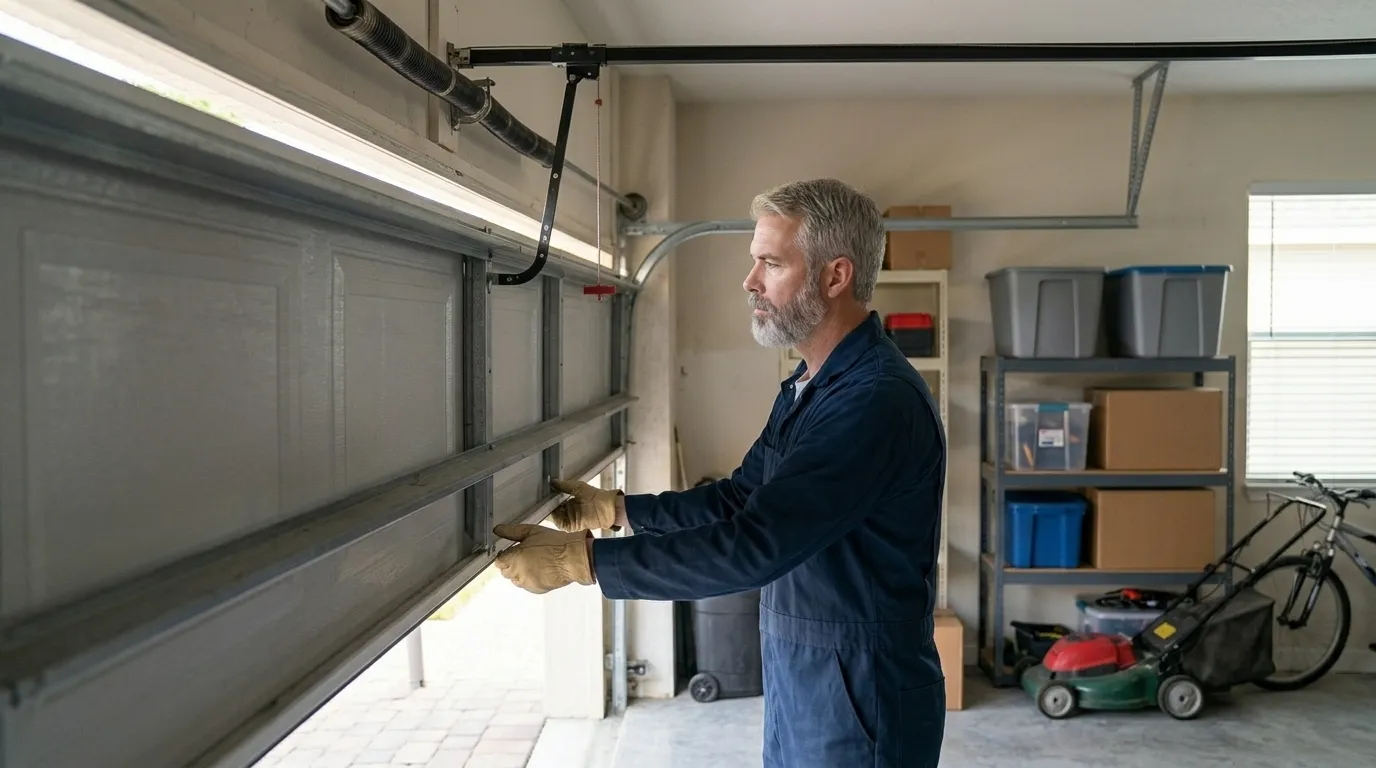
With about 1,560 households in Waterloo, this isn't a job that comes up on every block every week, which is exactly why most homeowners here have never dealt with it before and don't have a feel for how dangerous it is. A door that's jumped its track is under spring tension even when it looks still. If a cable has slipped along with the rollers, the door can drop the moment you touch it.
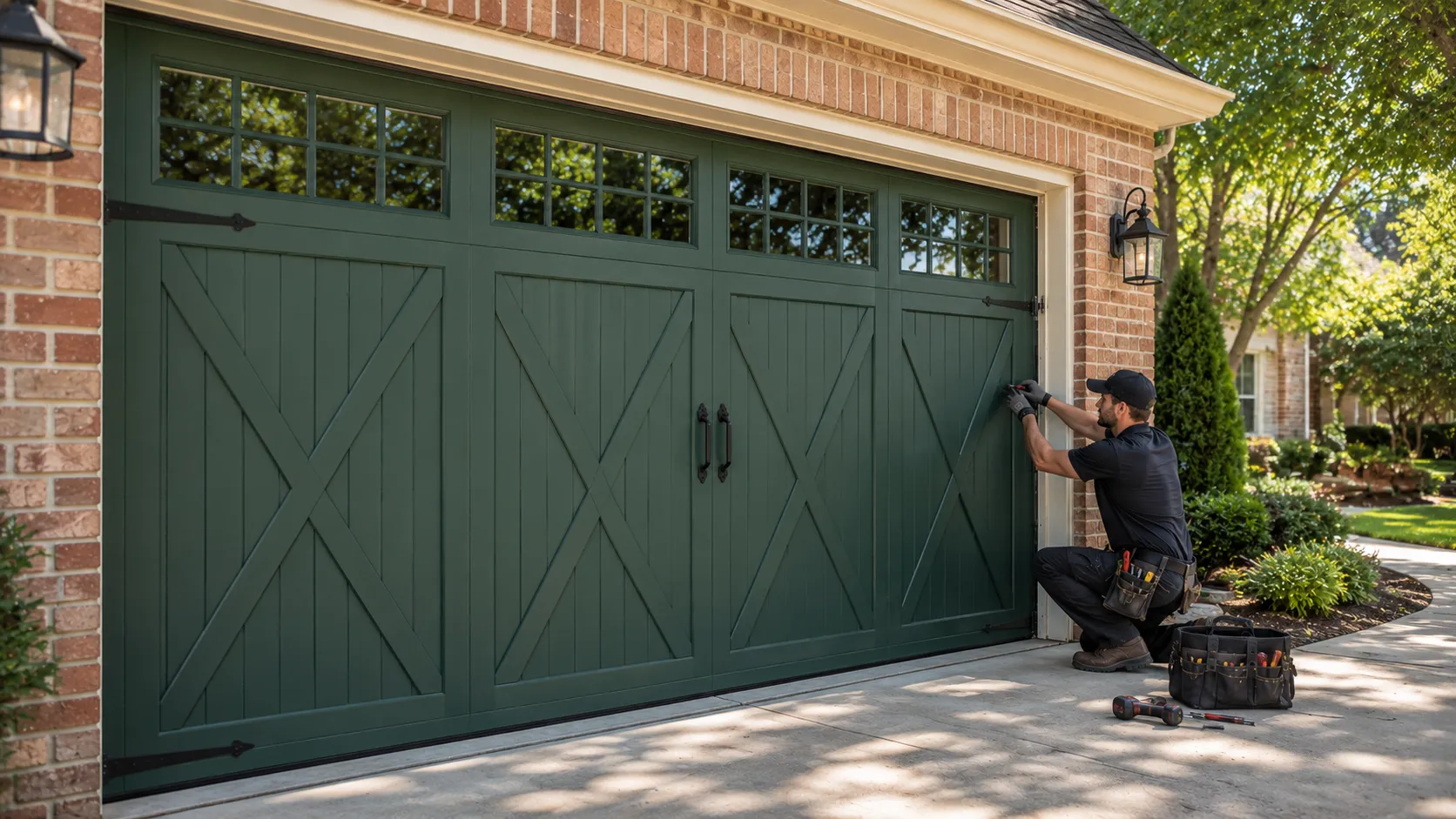
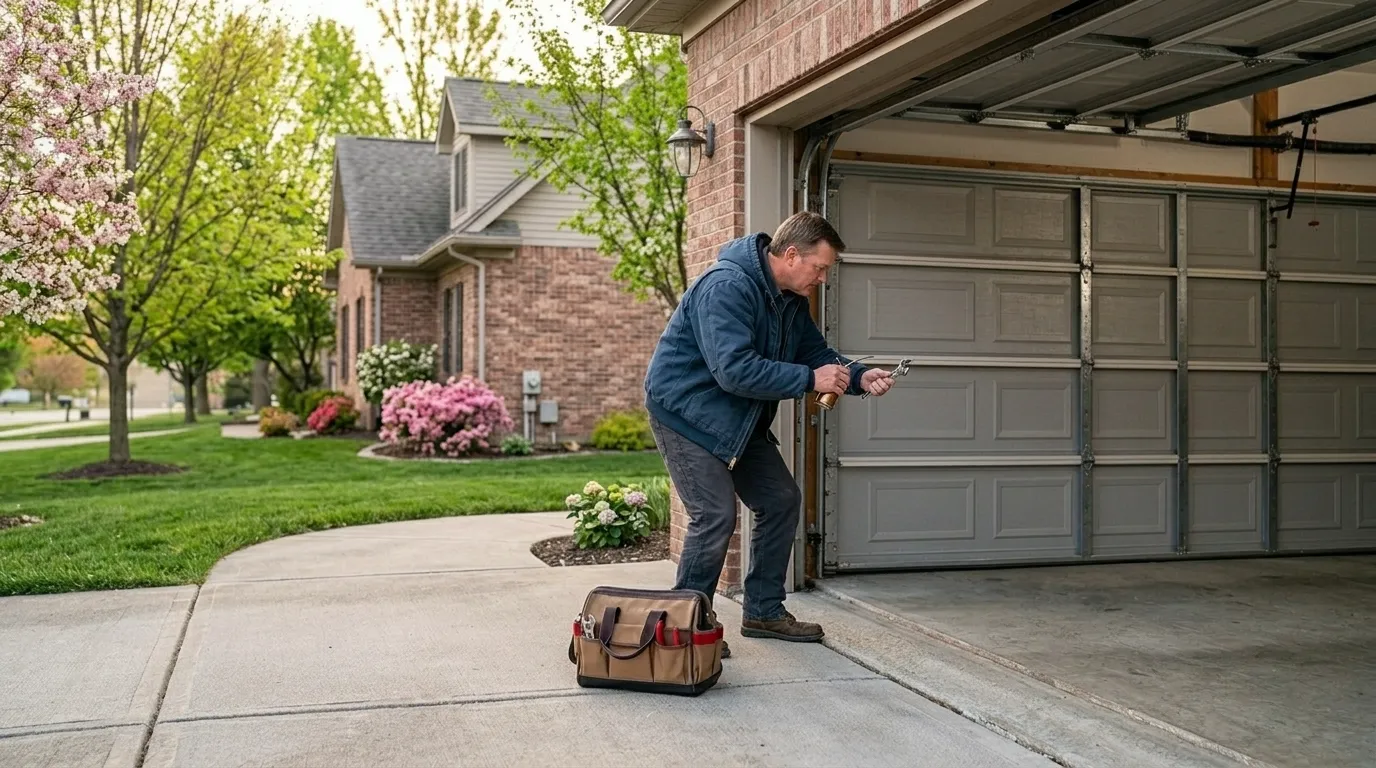
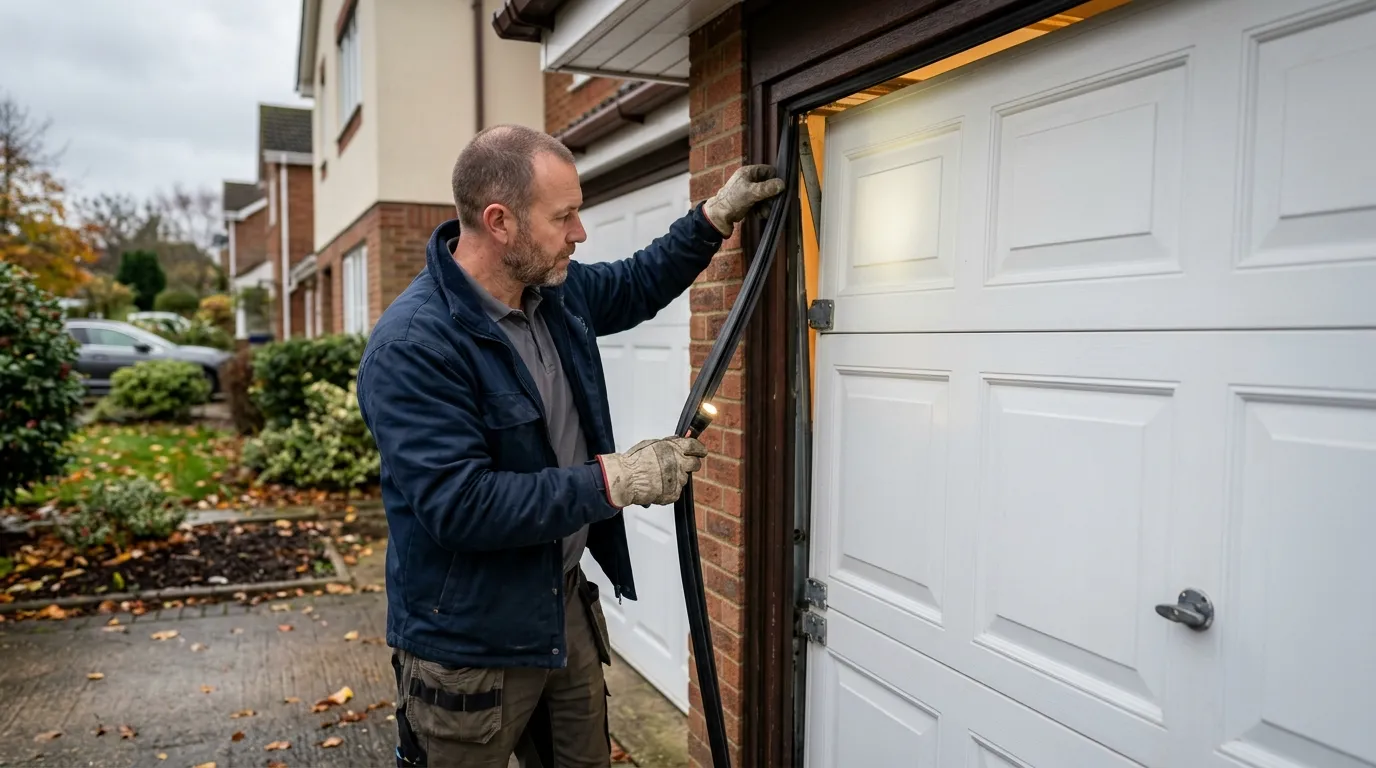
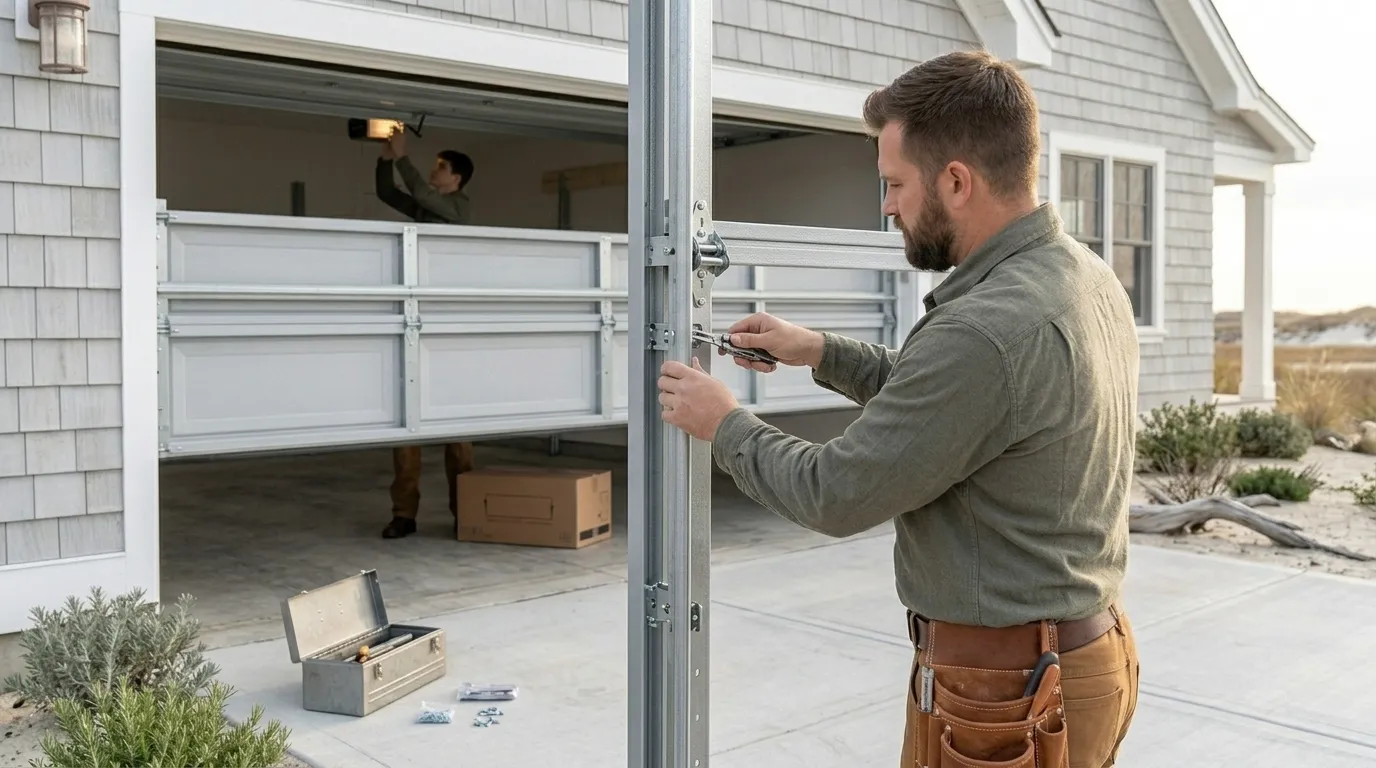
You can safely do a few things: unplug the opener so it doesn't try to run the door, leave the door where it sits, and check whether the track itself is bent or just knocked loose from its bracket. If the track is straight and the rollers simply popped out, that's sometimes a job for someone patient with a pry bar and a ladder. If the track is bent, kinked, or pulled away from the wall, stop there. Bent track almost always needs replacing, not bending back, and forcing a door along a bad track wears out rollers and hinges fast.
We're honest that we're not a five-minute-away outfit for Waterloo - we run the 12 miles from Sun Prairie, so this isn't a same-hour walk-up call. It's a scheduled visit, and that's worth knowing before you decide how urgent your fix needs to be.
Parts We Carry
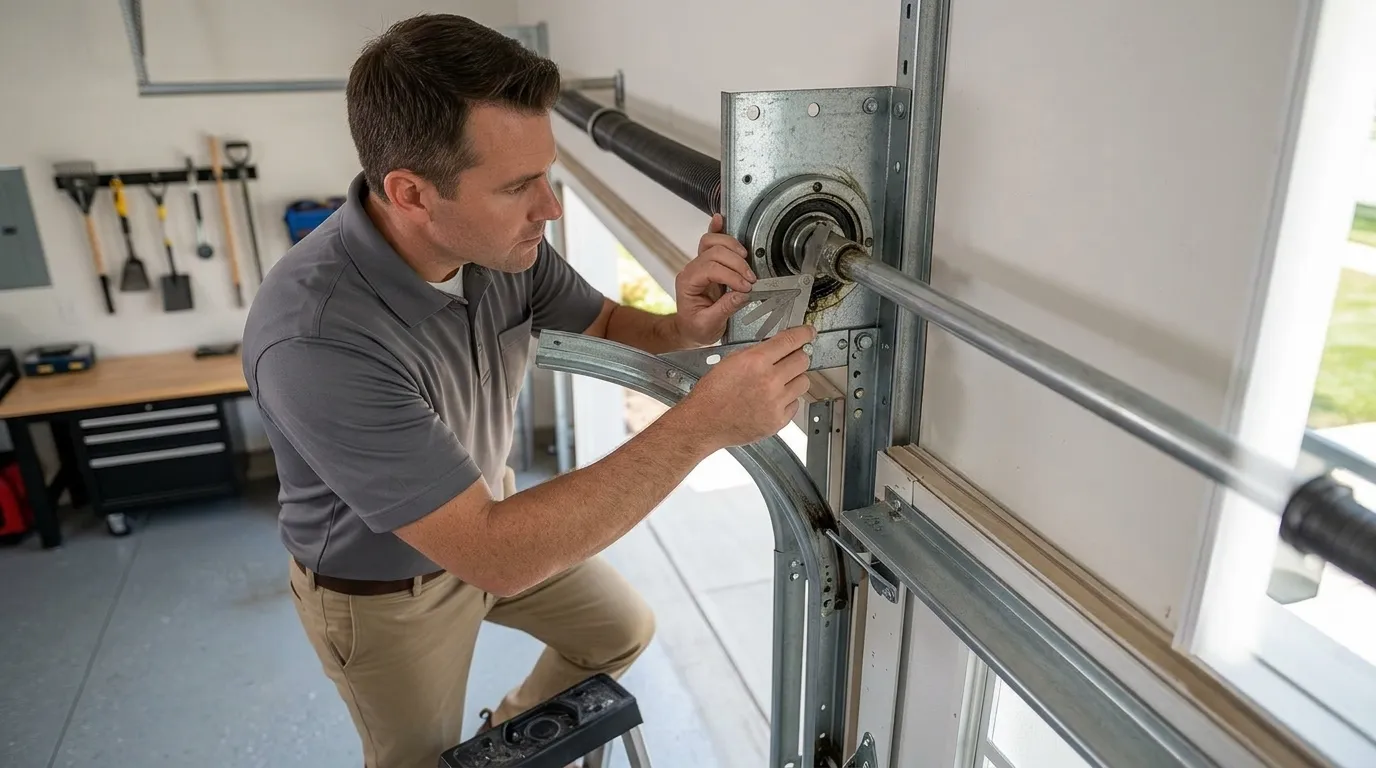
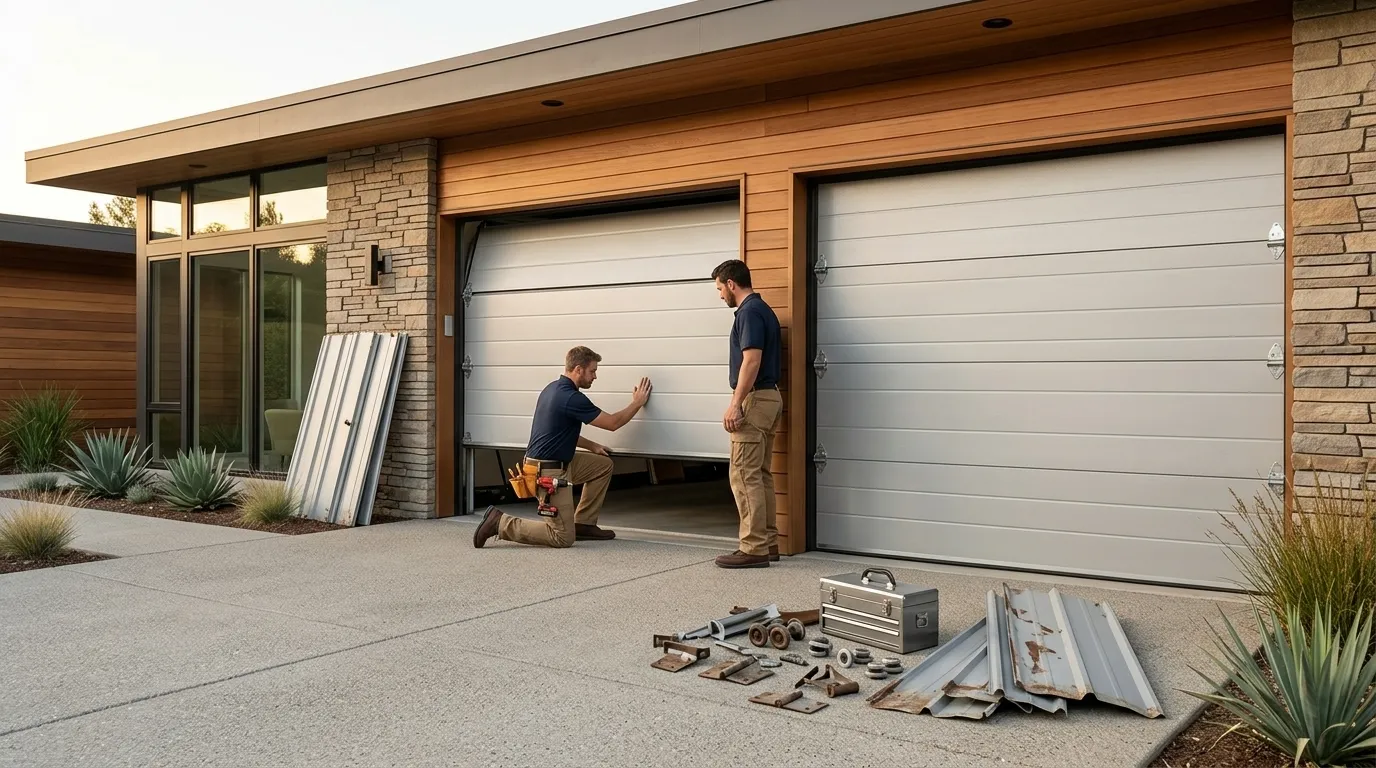
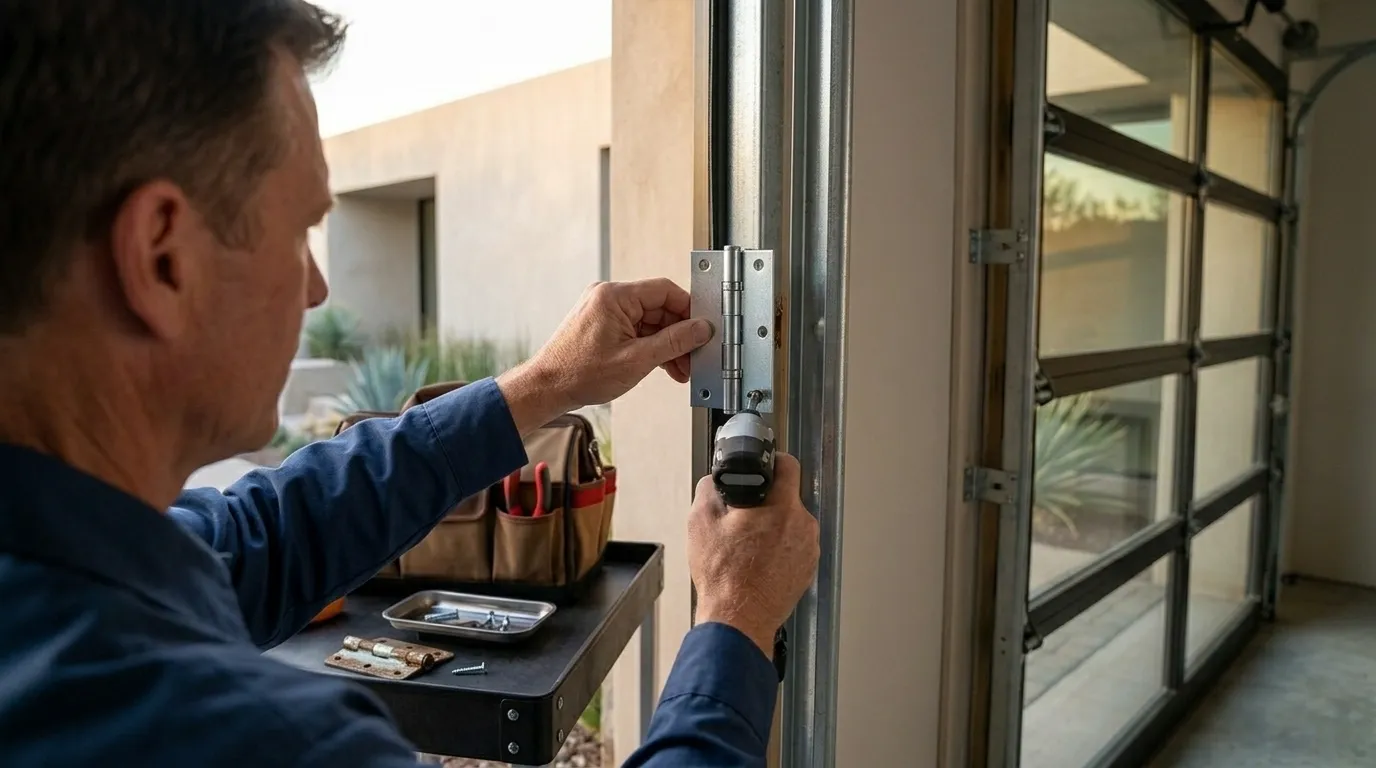
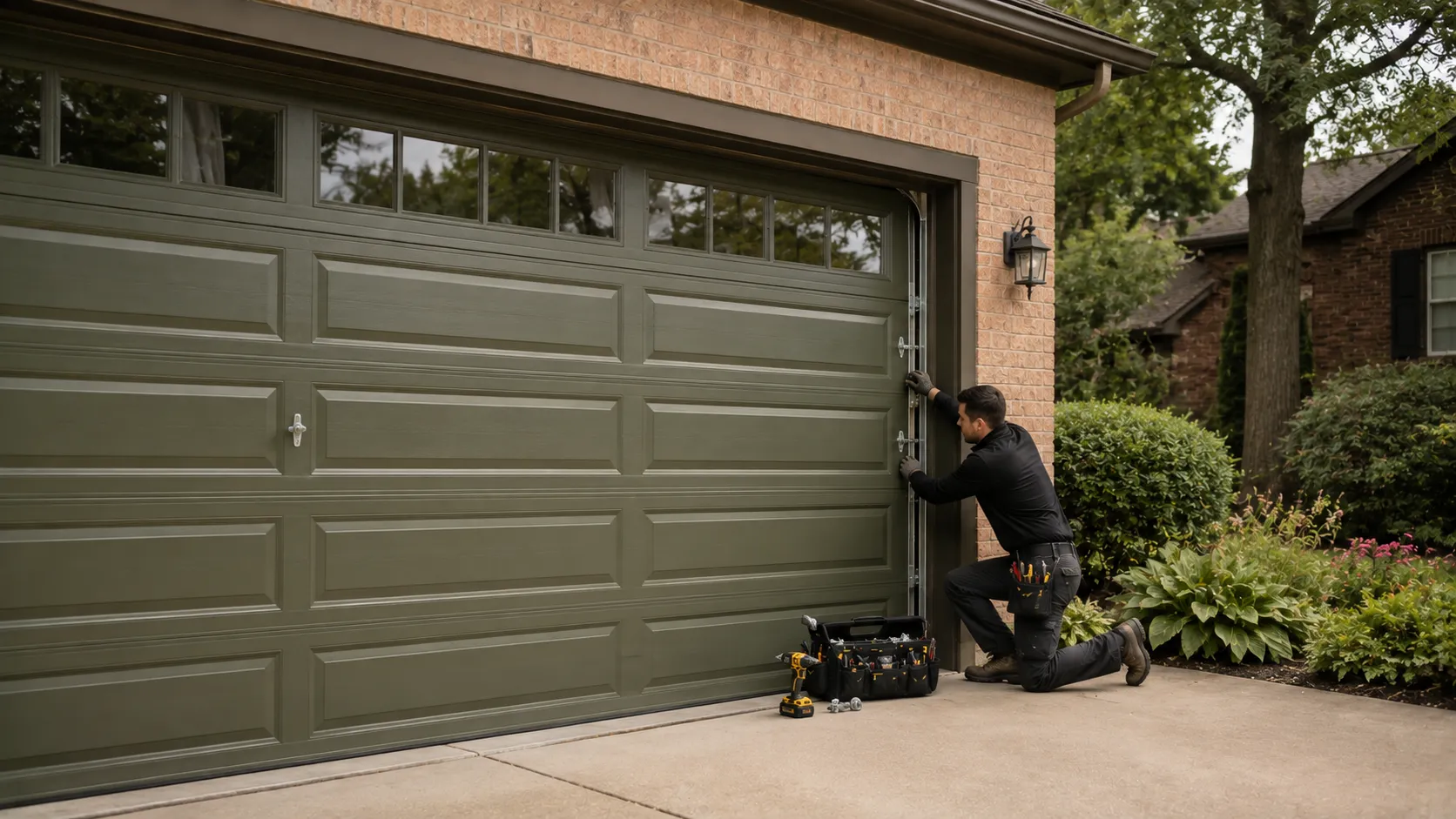
On the truck for an off-track call: replacement track sections, nylon and steel rollers, hinges in the common gauges, and end bearing plates. Waterloo's housing runs older on average than newer subdivisions in the area, with a median build year around 1965, so a fair share of doors we open up still have the original steel track and hinge hardware from that era - narrower rail profiles than what's sold new today.
When the existing track is an older narrow-rail style, we carry stock that matches modern hardware, and matching it to an original opening sometimes means swapping the full track run on both sides rather than patching one section, so the rollers ride true. We don't stock every obsolete bracket pattern from the 1960s; if a door has a genuinely unusual mounting setup, that's a part we order rather than carry.
We also carry standard nylon rollers as a step up from the metal ones original to many of these older doors - quieter, and they don't gall the track edges the way old steel rollers do once the track's been reset.
Why It Happens Here
Waterloo's median home dates to about 1965, older than a lot of new construction elsewhere in the service area, and older openings mean more decades of small bumps, settling, and hardware fatigue on the same track run. A car mirror clipping the door, a bike leaned against the bottom panel, a bracket lag bolt that's worked loose in aging jamb wood over 60 years - any of those can walk a door off its rail.
Winter adds to it. The region sits in a cold climate zone with severe winter conditions, and a door that's even slightly out of alignment tends to bind harder when a track has contracted in the cold, which can pop rollers that were already riding loose. It's not usually one dramatic event - it's a track that's been a little off for months and finally gives.
Homes built before garage doors were a standard two-car opening sometimes had openings resized or track added later, and that retrofit work is where we find the odd bracket spacing or mismatched hardware that makes an off-track repair take longer than it should.
Time on the Job
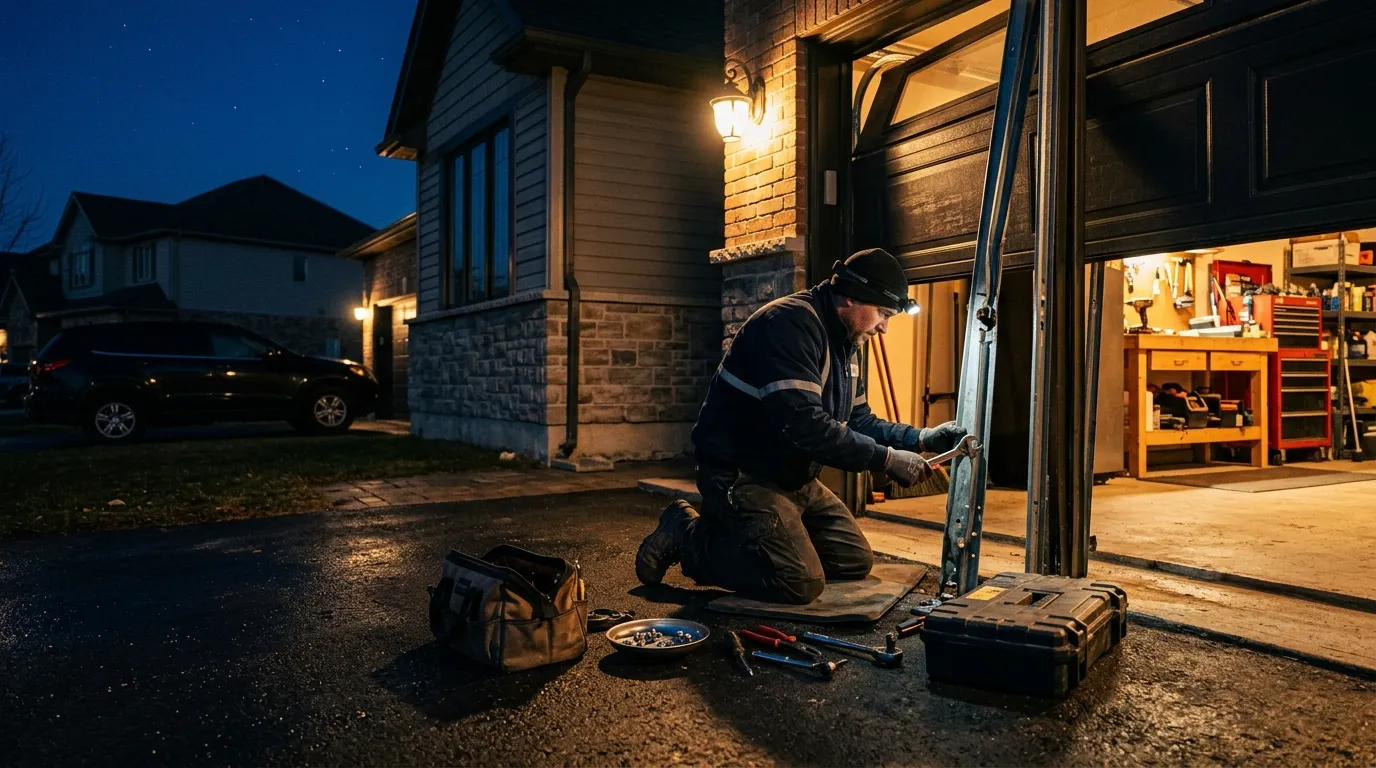
A straightforward reset - rollers back in, track rebolted to the frame - usually runs under an hour once we're on site. A bent track section that needs replacing takes longer, since the door has to come down partway to feed new rollers through without stressing the panel.
Because we're coming from Sun Prairie, factor in that drive when you're thinking about scheduling, not just the repair time itself. We don't keep a crew stationed in Waterloo, so a call here is a planned visit rather than a drop-everything one.
If the off-track damage happened alongside a cracked panel or a spring that let go at the same time, that changes the visit - we'll look at the whole door while we're there rather than fix the track and leave other damage for a second trip.