
Time on the Job
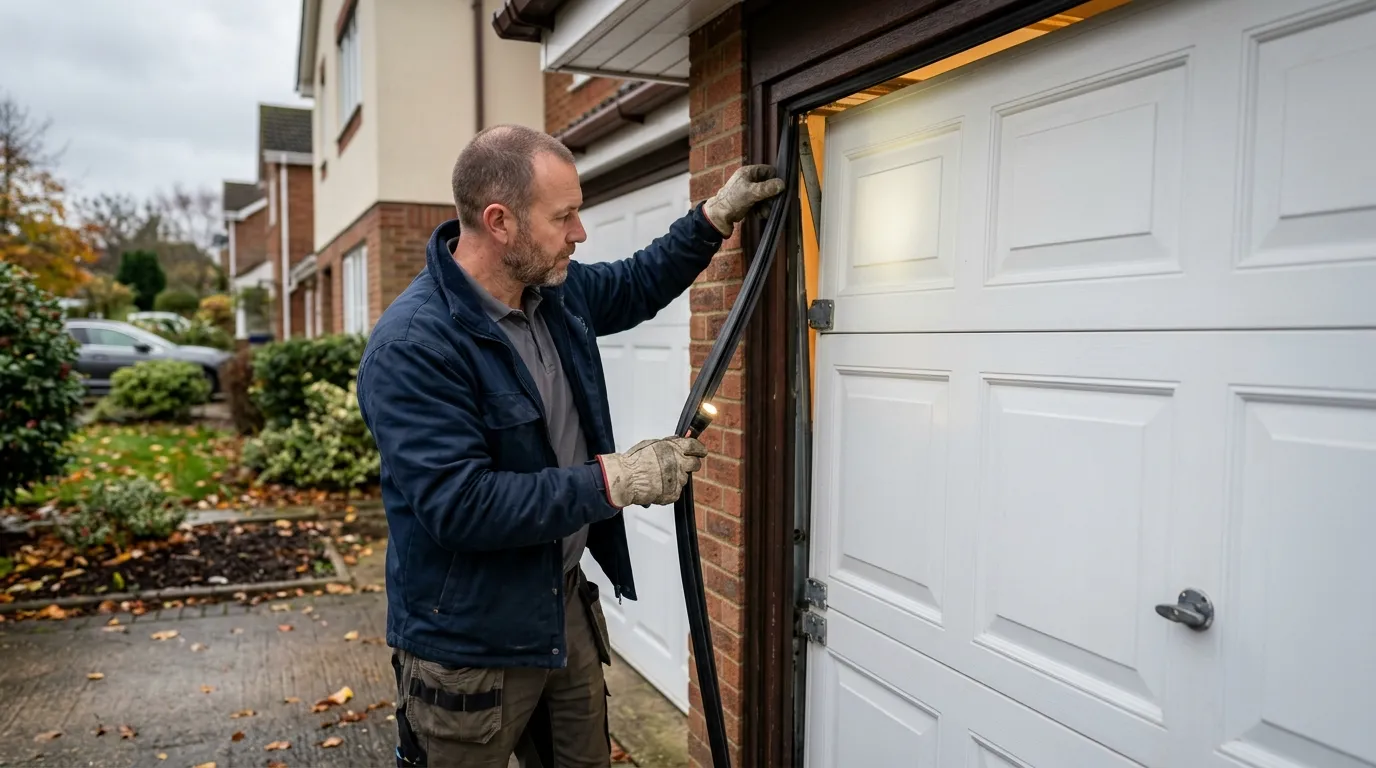
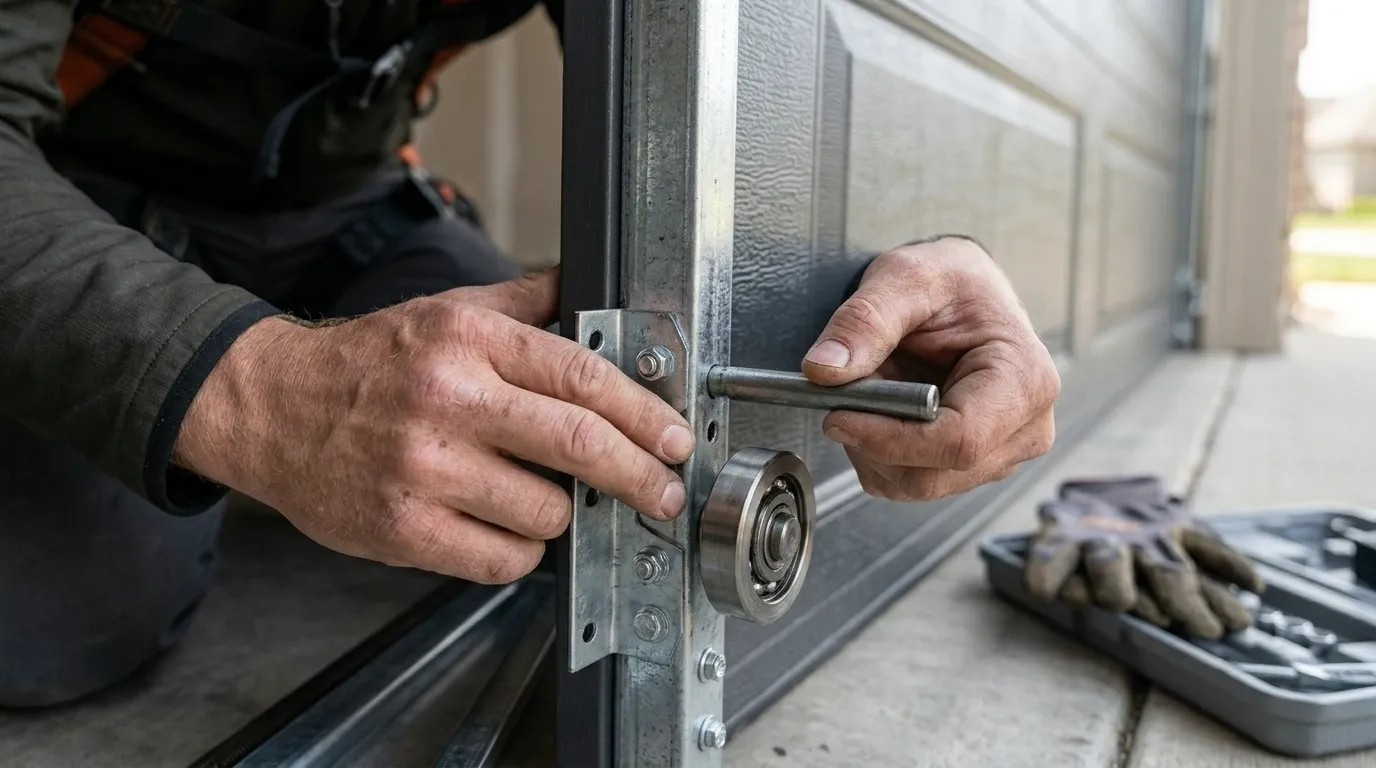
The fault we see most in Cottage Grove isn't a snapped cable from rust eating through old strand - it's fatigue fraying at the drum, showing up as thin wire hairs poking out near where the cable wraps the bottom bracket. That's a newer-house problem, not an old-house one, and it matters because it changes what we're actually pulling apart when we get there.
Cottage Grove's housing stock runs later than most of the towns we cover out of Sun Prairie - the median year built here is 2001, well past the 1986 median across the wider service area. Doors from that era came with factory-spec galvanized extension or torsion cables, sized to spring weight from new. Twenty-plus years on, those original cables are aging out on schedule, not from neglect but from cycle count. A door opened twice a day for two decades has put a lot of wraps through that drum.
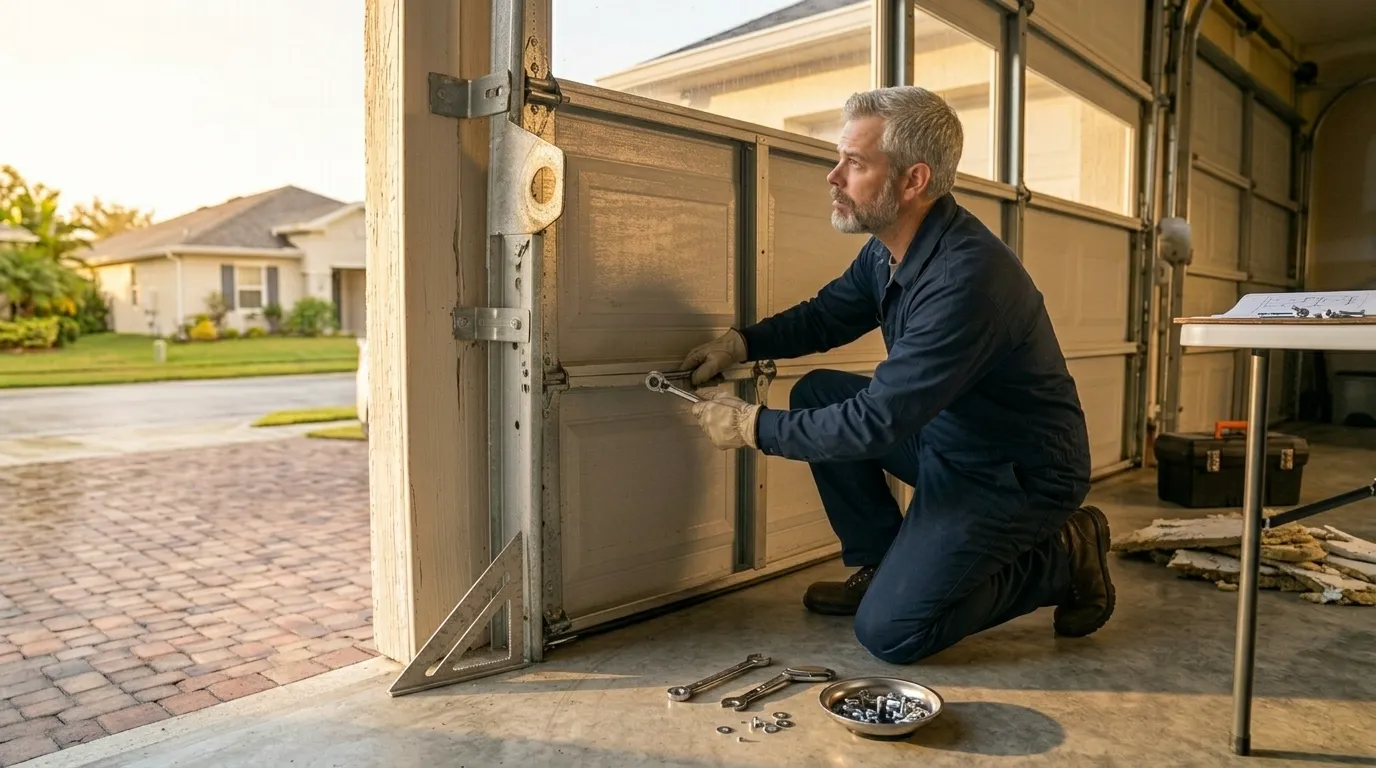
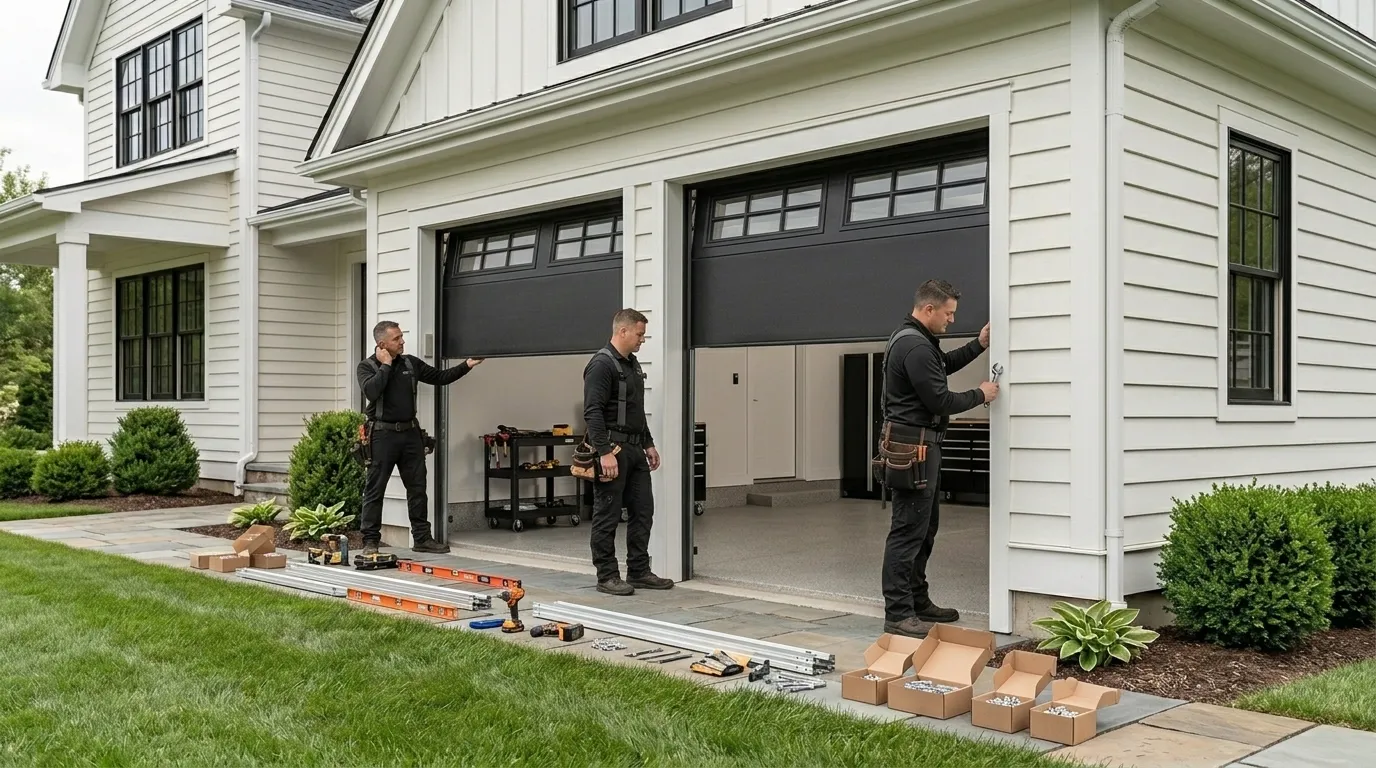
On a straightforward call - cable off the drum, bracket intact, track undamaged - we're usually done within the hour once we're on site, and both cables get replaced together even if only one has let go, since they wear at the same rate.
The Complications
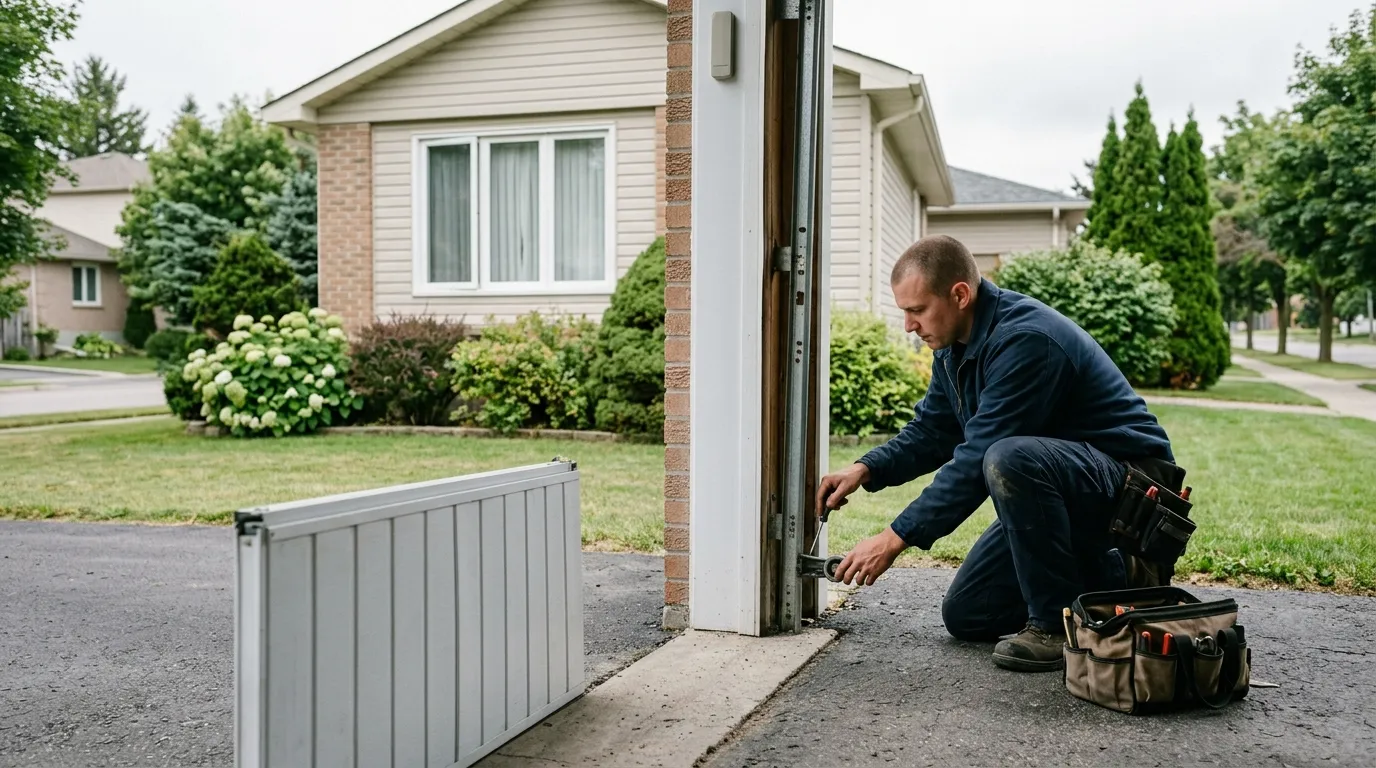
Winter is where this job gets harder. We're in a cold-climate zone with real severe-cold stretches, and a galvanized cable that's already frayed can snap clean when the garage temperature swings hard overnight - the metal contracts, the fray point is the weak spot, and it goes. If that happens while the door is up, the door doesn't ease down, it drops, and now we're also checking the track and rollers for damage from the fall, not just swapping cable.
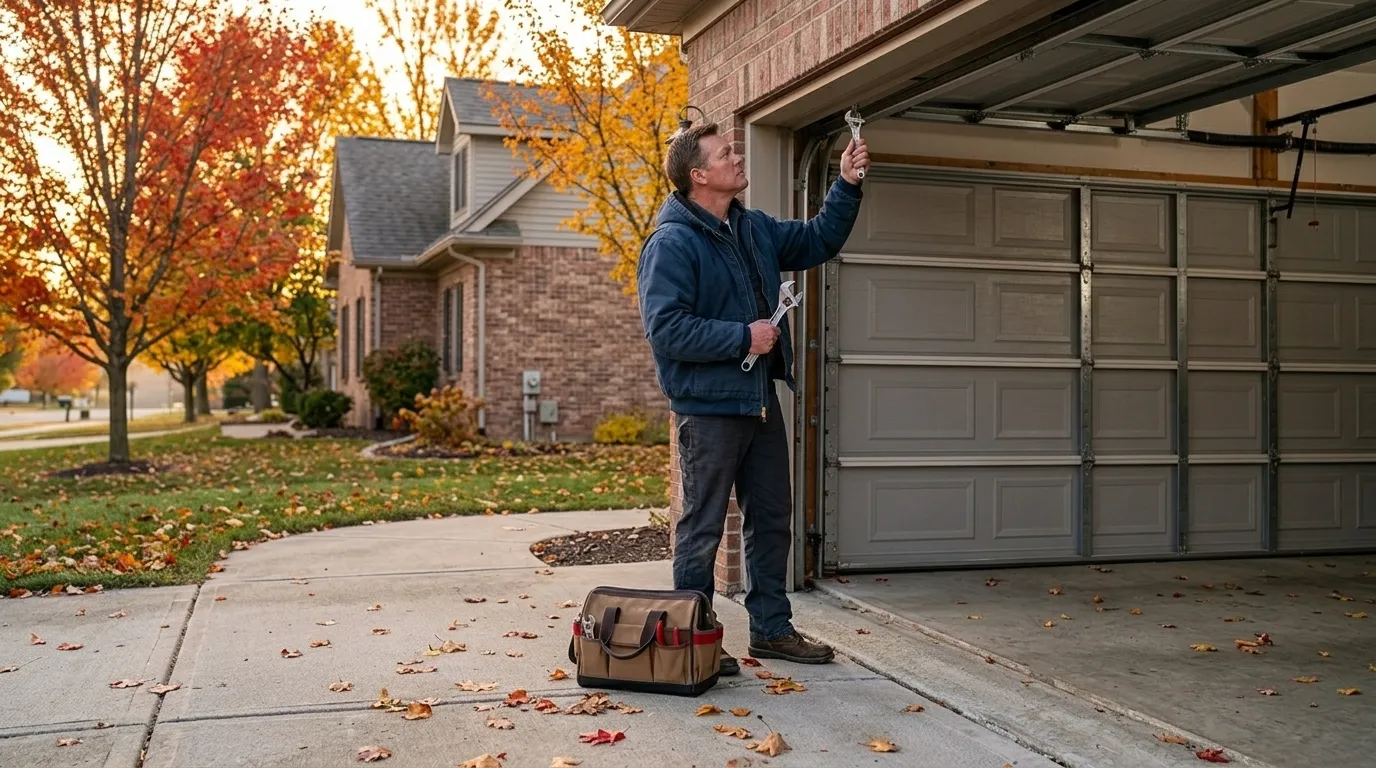
The other complication is springs. A cable rarely fails on its own - if the spring on that side is also past its rated cycle life, replacing the cable and leaving a tired spring means we're back out again within a year or two. We check both every time, and we'll tell you straight if the spring's the real problem and the cable was just the symptom.
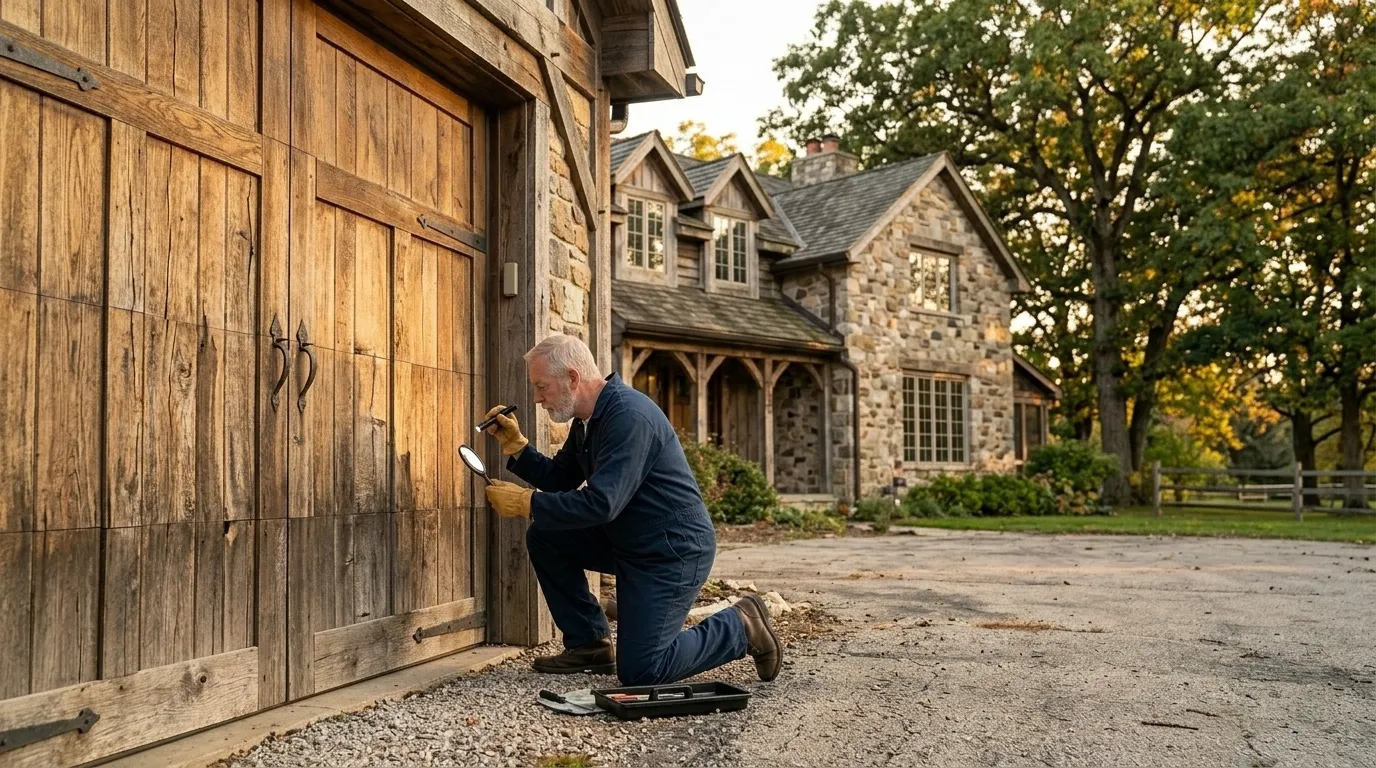
We don't stock every drum and bracket combination on the truck for every door style, so if your setup uses hardware that's discontinued or unusual, there can be a short wait on a part. That's rare on 2001-and-newer builds, since most of what's out there is still standard commercial stock, but it happens.
Can You Do This Yourself
Don't. A garage door cable is under tension from the spring system the whole time the door is closed, and releasing that tension wrong is how people lose fingers or get hit by a bracket letting go. This isn't a job for a weekend toolbox, even on a newer door with clean hardware.
What you can do yourself is the early check: look at the cable near the bottom bracket and the drum at the top of the track for thin wire strands sticking out, or a cable that looks slack or twisted compared to the other side. If you see that, stop using the door and call - a fraying cable on a 2001-era build is close to the end of its factory life, and it's cheaper to replace on your schedule than on its.