
Time on the Job
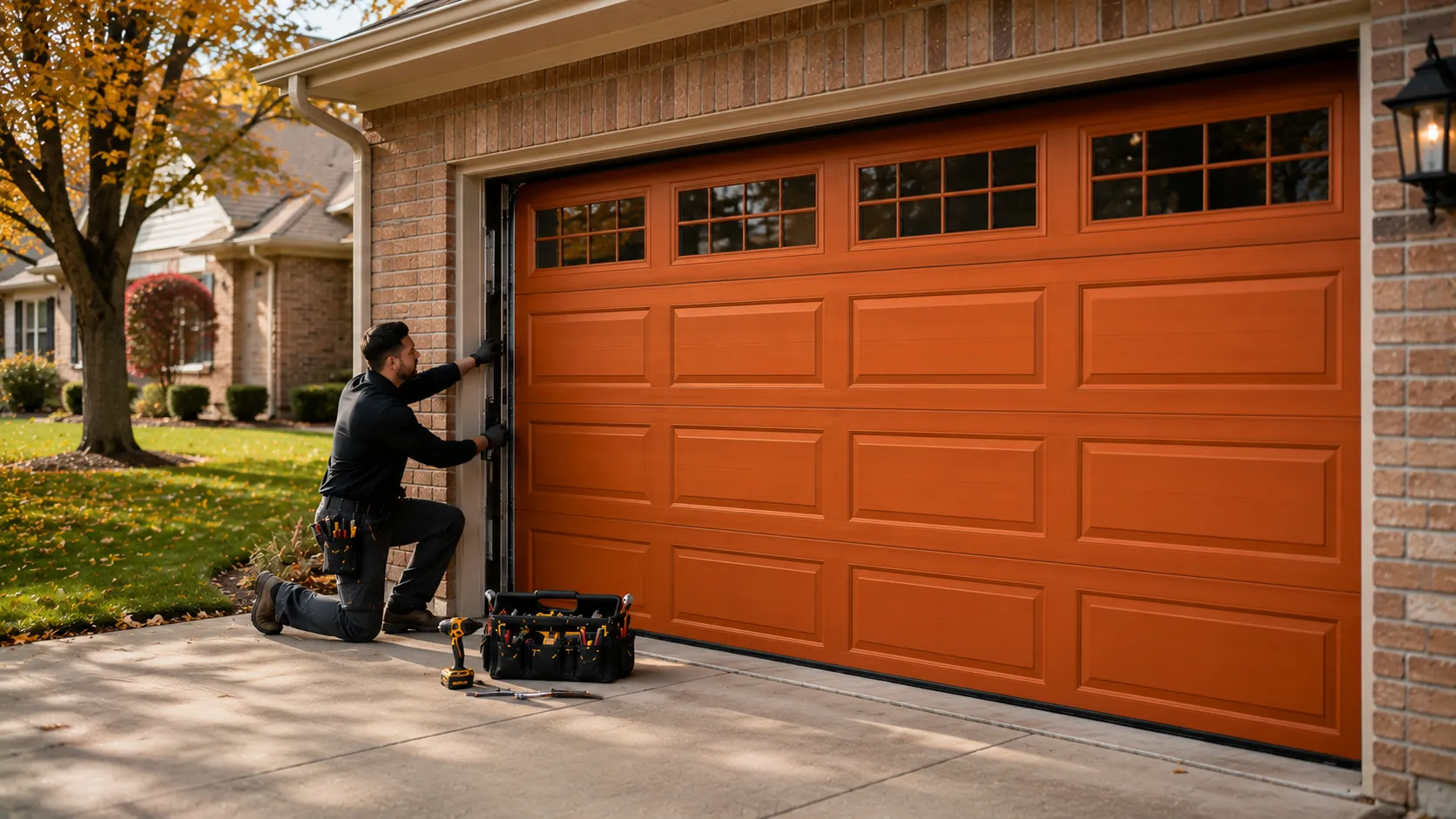
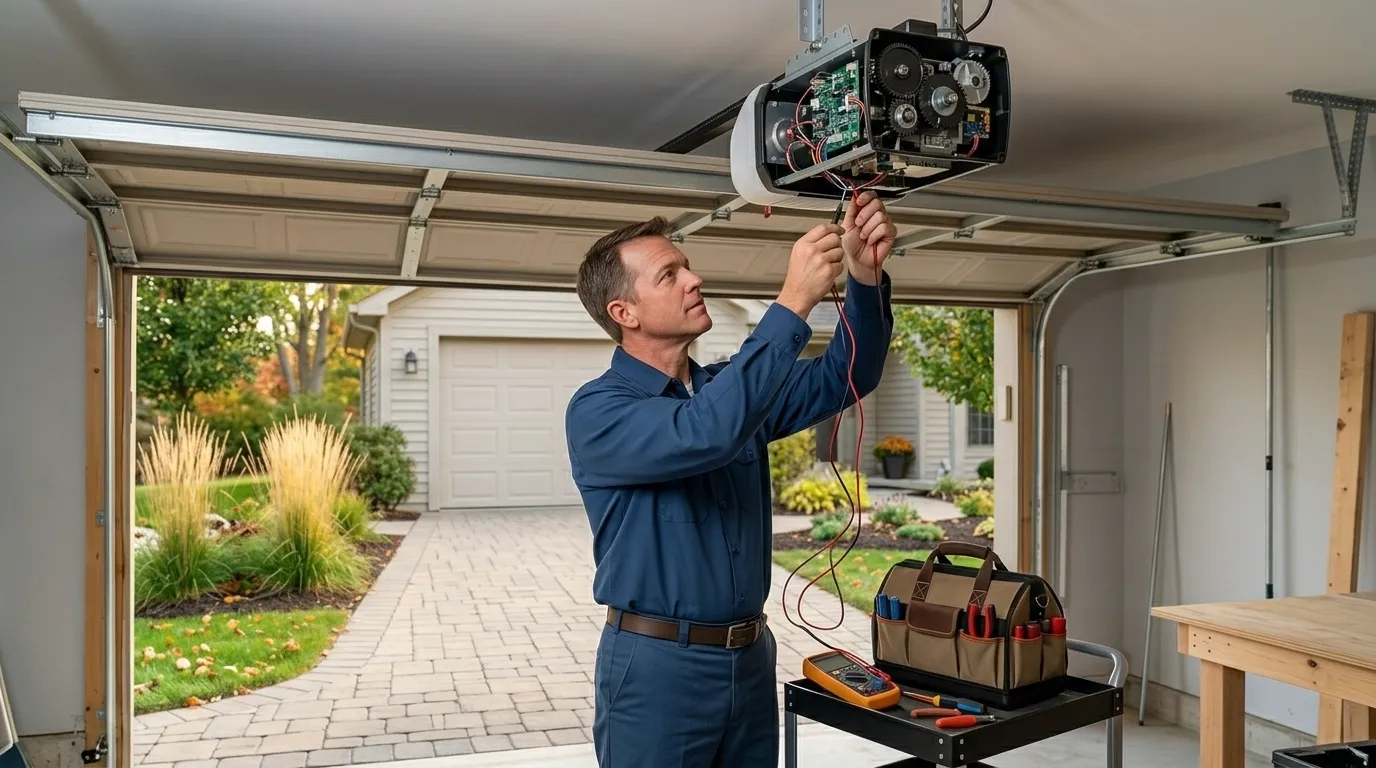
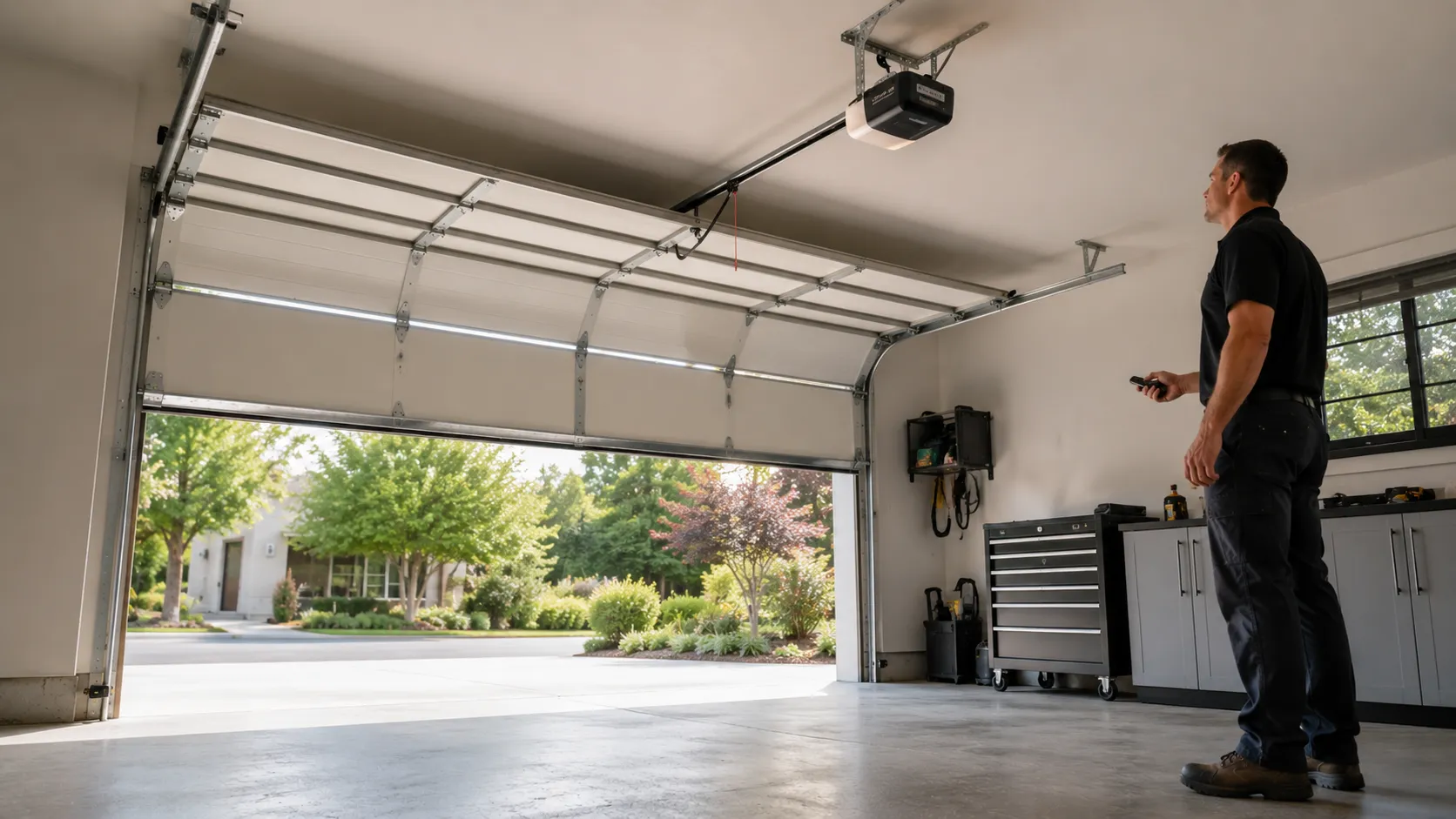
Most houses in Cottage Grove went up around 2001, which is noticeably later than the 1986 median build year across the rest of the Sun Prairie service area. That gap matters more than people think. A torsion spring is rated for a set number of open-close cycles, usually somewhere in the 10,000-cycle range, and openers from that era were built with early circuit boards and simpler safety sensor logic. If your house dates to that build window and nobody has touched the spring or opener since, you're not dealing with hardware that's decades past its life like some of the older stock we see elsewhere in the area - you're dealing with hardware that's just now reaching the point where it should be inspected, not ignored. That's actually good news: a door at 20-plus years old, checked now, is a lot cheaper to keep running than one that's been quietly wearing since the Reagan administration. We come out from our shop in Sun Prairie, about 6 miles away, and the first thing we look at on a maintenance call here is whether the original spring and cable are still original, because in this town, odds are they are.
The Complications
The service area sits in a cold, severe winter climate band, and that doesn't change from one town to the next - but how it shows up on a newer door can differ from how it shows up on an older one. Doors built around 2001 often came with better weatherstripping and insulation than what you'd find on 1970s stock, but the steel track and hardware still contract in cold the same way. Grease that was fine in September turns stiff by January, rollers bind, and an opener that struggles to sense resistance in the cold can either stop short or keep pushing against something it shouldn't. On a door this age, the complication usually isn't rust-through or a track that's been reshaped over 40 winters - it's that nobody's re-lubricated the hardware since it left the factory, and factory grease doesn't last 20 winters in this part of Wisconsin.
Can You Do This Yourself
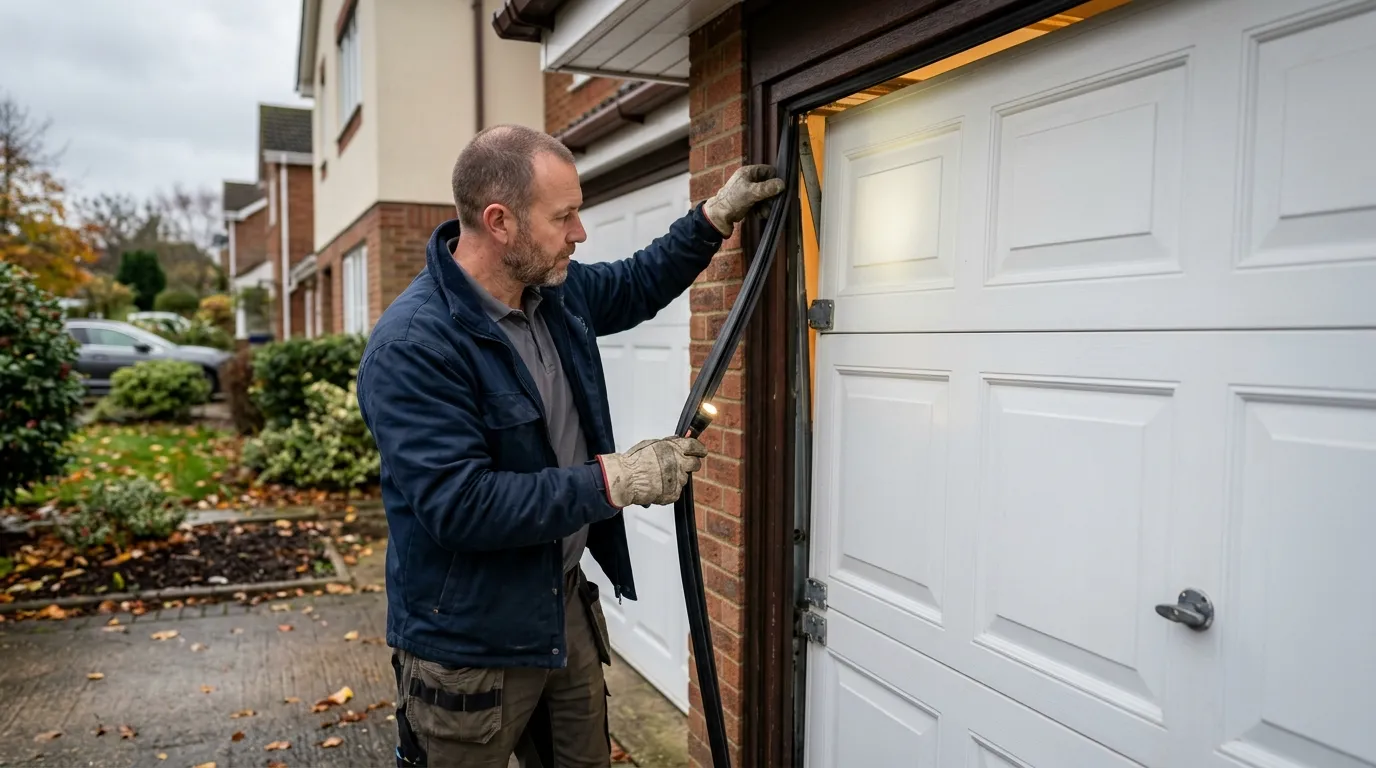
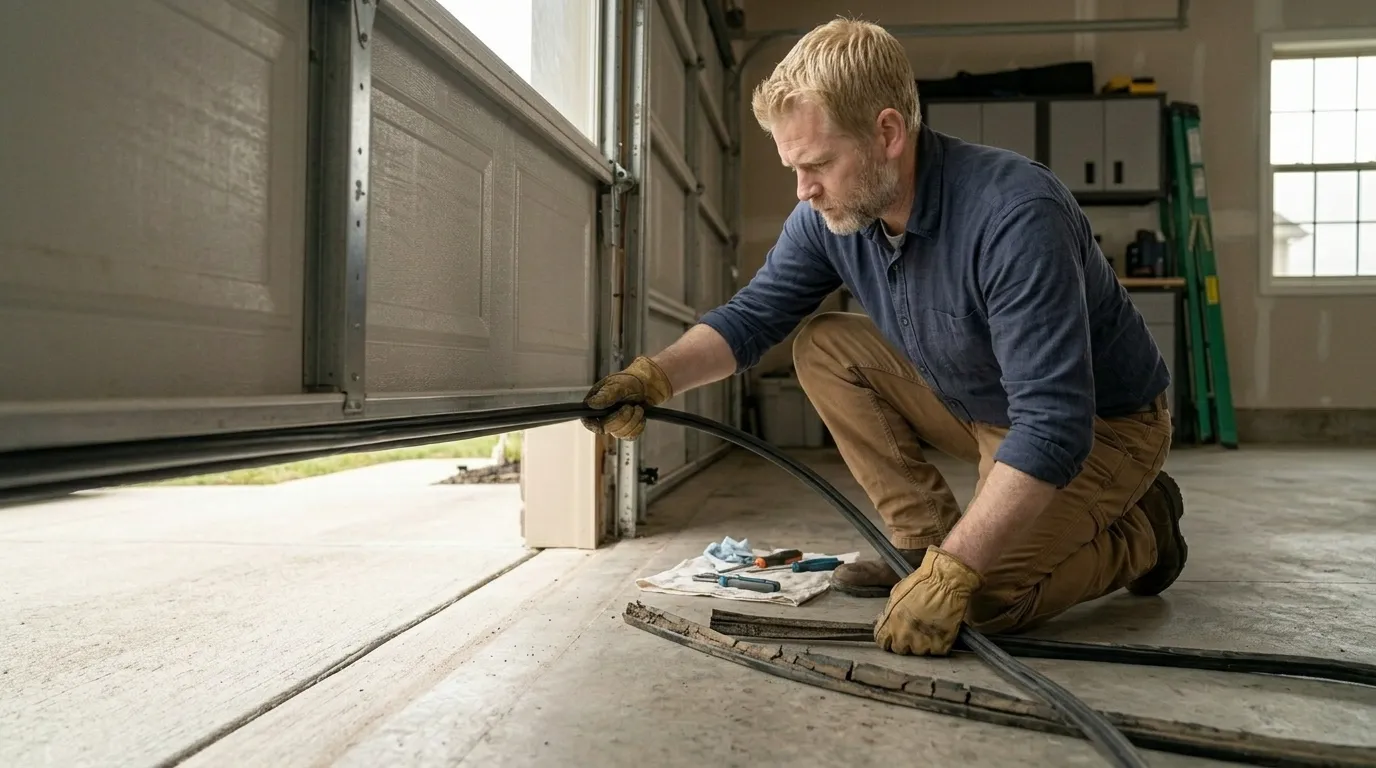
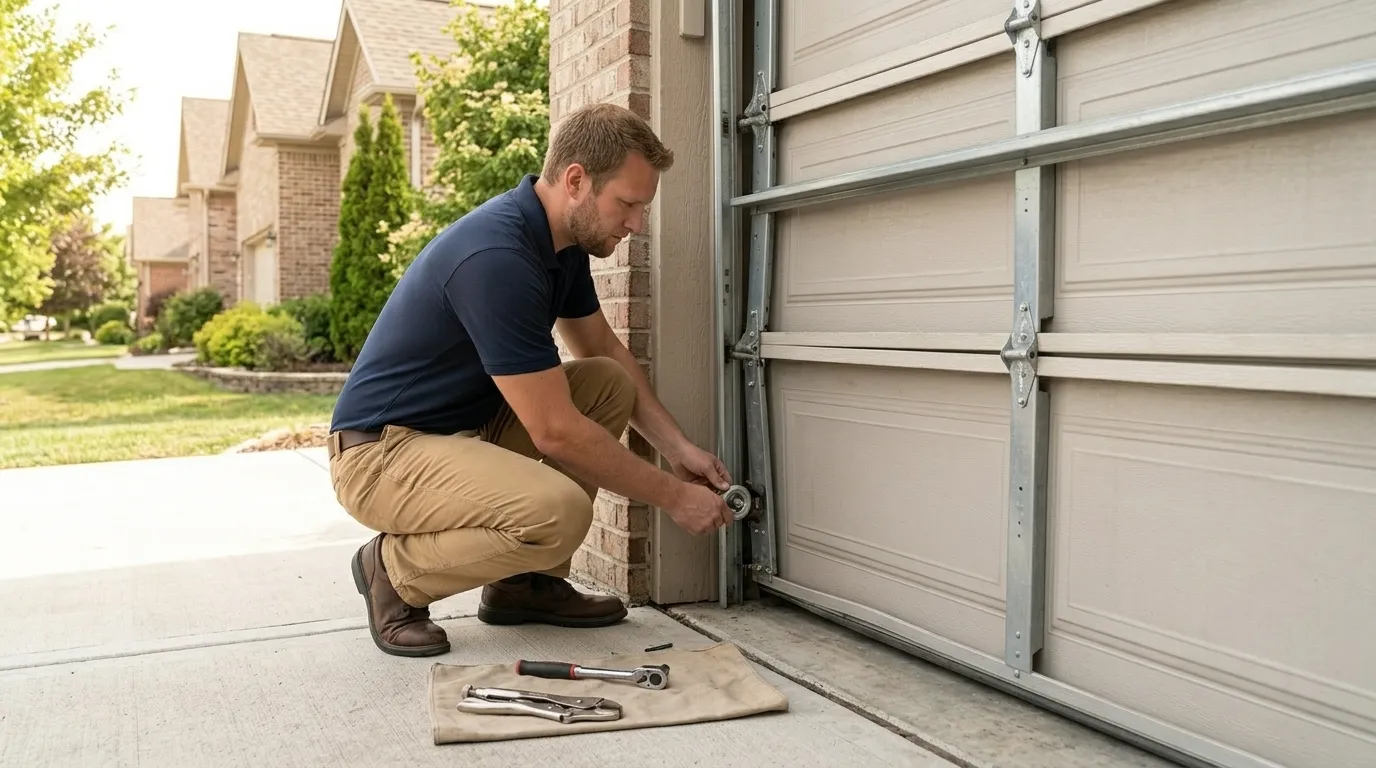
Some of this is fine to do on your own. Wipe down the tracks, check that the rubber seal at the bottom hasn't cracked, listen for grinding when the door runs, and test the auto-reverse by setting a 2x4 flat under the door and closing it. What you shouldn't touch is the torsion spring itself. It's under enough tension to break bones, and on a door built around 2001 that's likely still running its original spring, that spring is closer to the end of its rated cycles than a homeowner might expect. We also won't tell you to keep patching an opener board from that era once it starts throwing intermittent faults - sometimes the honest answer is that the board is simply old and replacing it costs less in the long run than a string of service calls chasing an occasional glitch.