Time on the Job
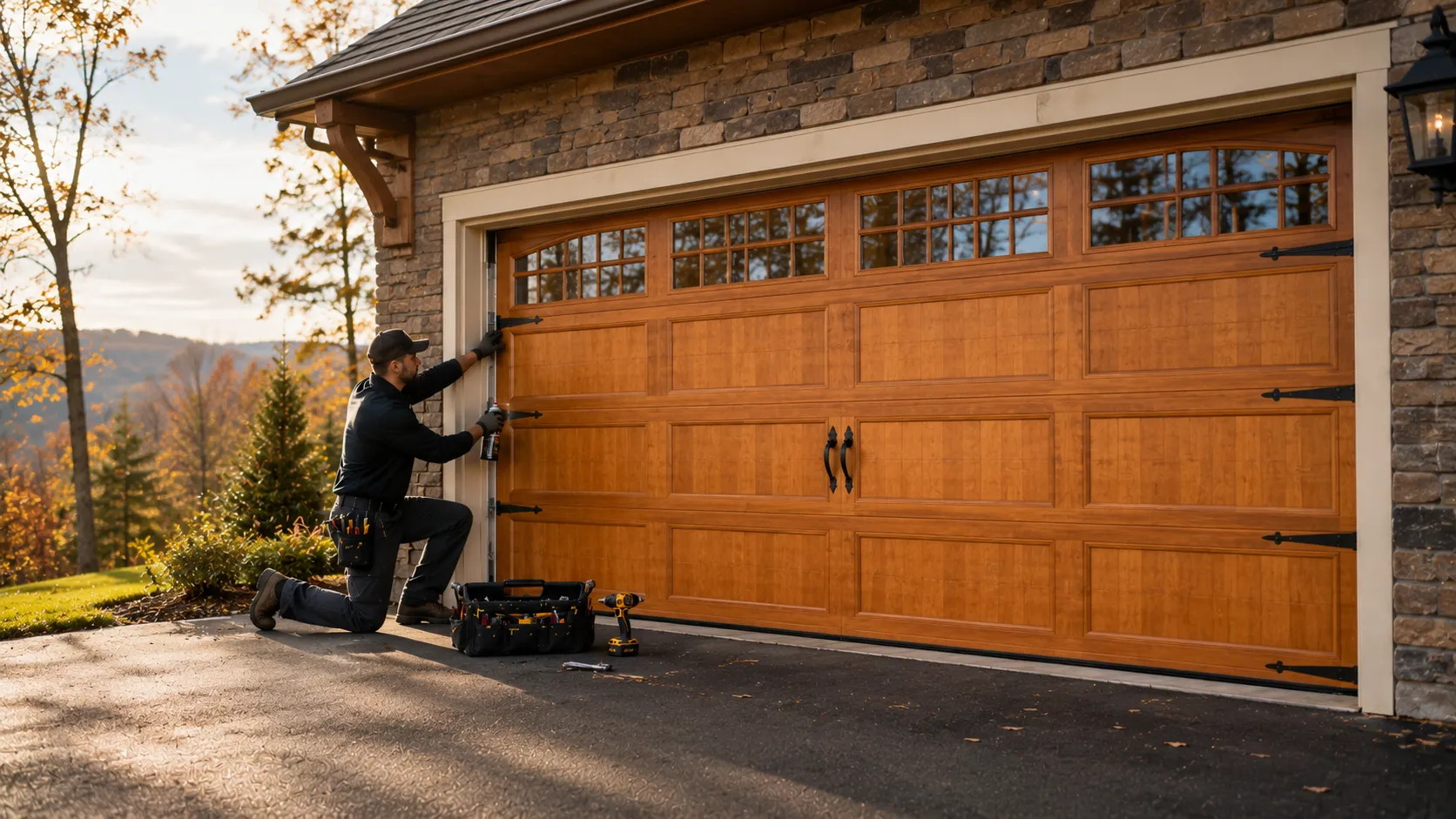
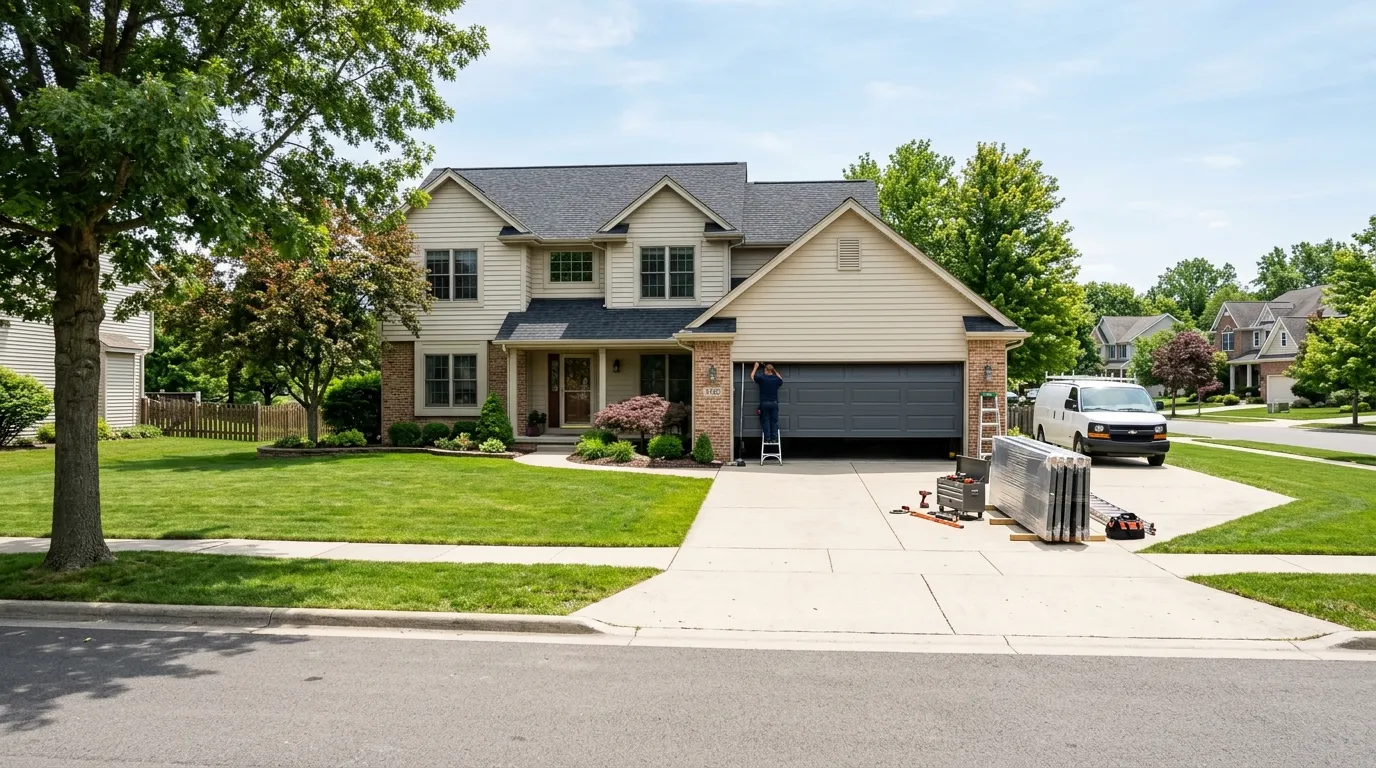
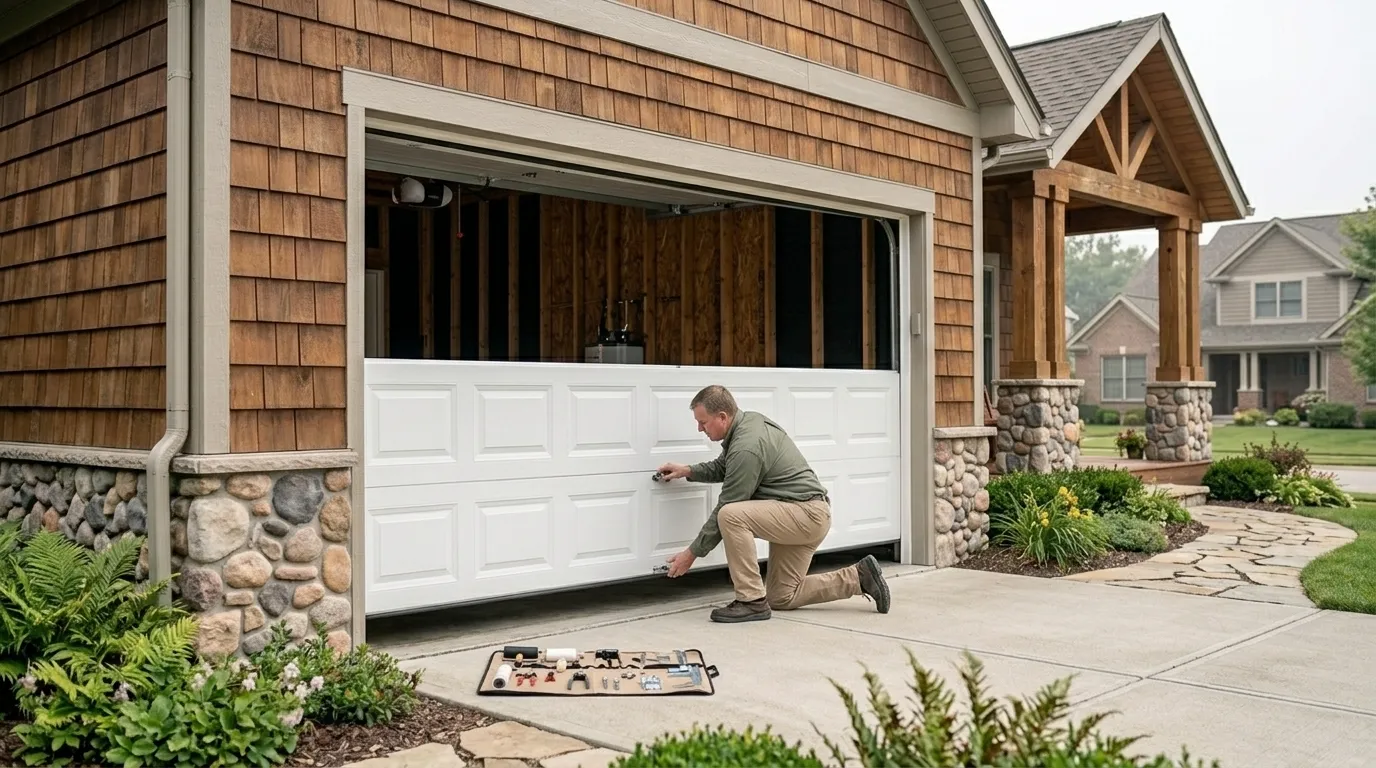
Cottage Grove sits about 6 miles from our shop in Sun Prairie, close enough that a job here fits into the same afternoon route as three or four Sun Prairie calls. We don't quote a fixed arrival window on this page because we're not based in Cottage Grove - we're coming from Sun Prairie every time, and the schedule that day decides how soon we get there, not the address. What we can tell you is that the drive itself isn't the bottleneck. Once we're in your driveway, most of the jobs we see on doors from this stretch of Cottage Grove's housing stock - built mostly around 2001 - go faster than the older torsion-spring jobs we run across the rest of the service area, simply because the hardware is newer and the parts are still in production. That's a real difference from the 1986 median build-year you'll find across the broader Sun Prairie service area, and it changes what shows up on the truck when we come.
The Complications
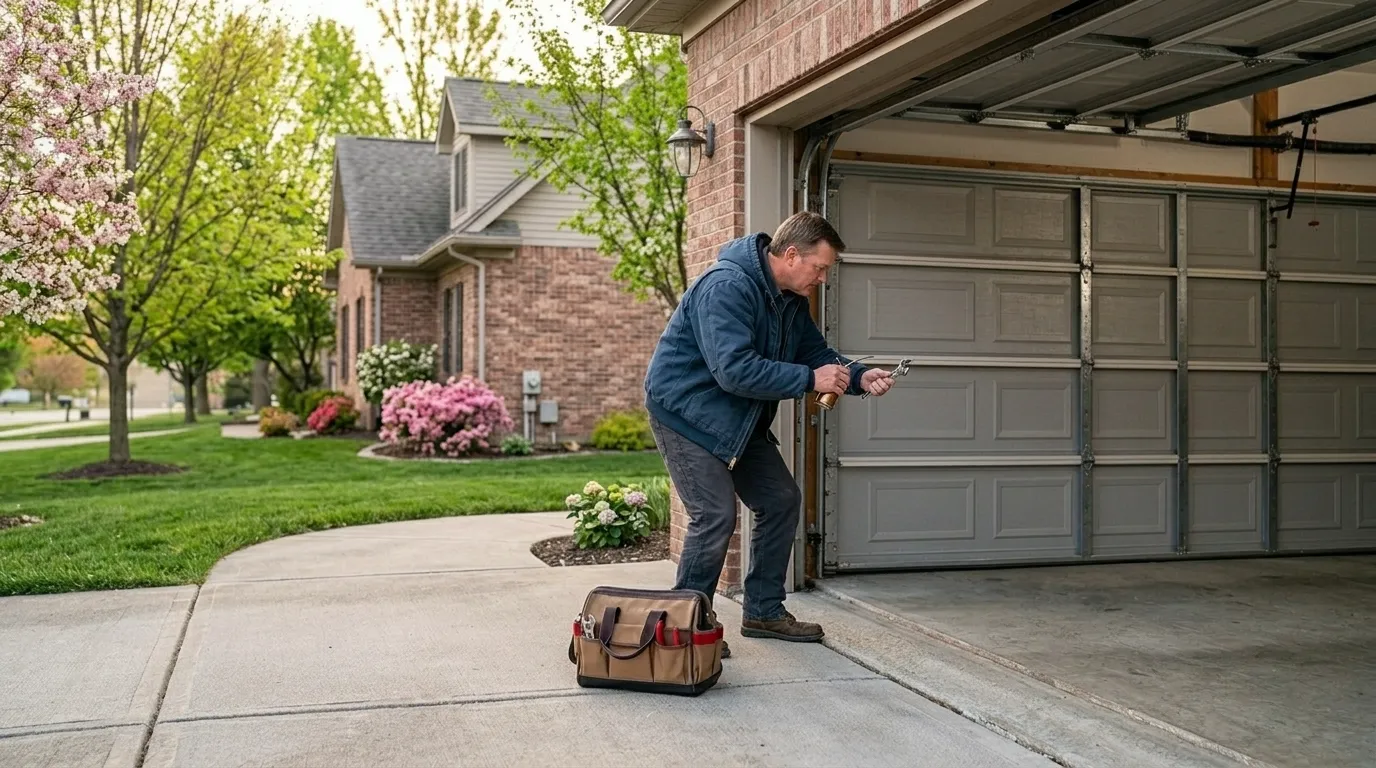
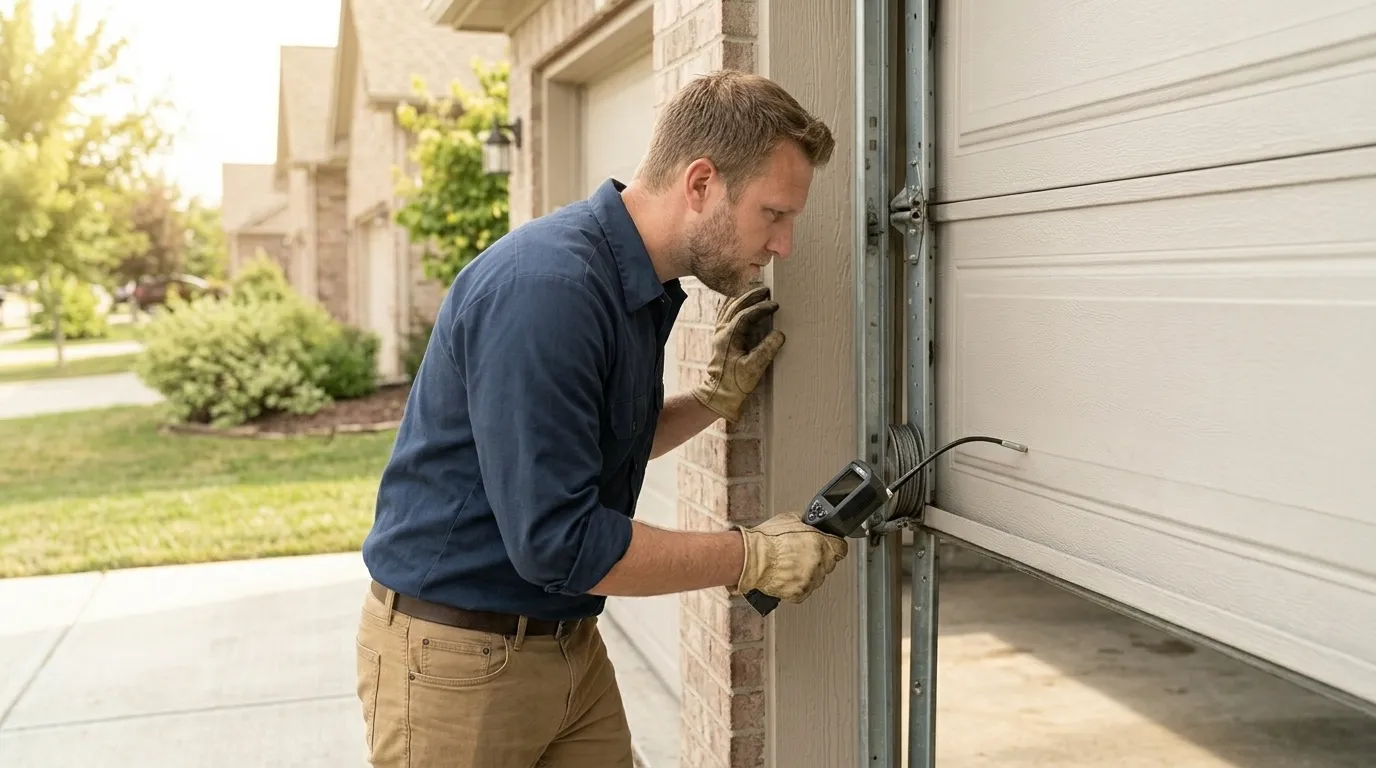
A garage built around 2001 usually came with a steel door, factory polyurethane insulation, and a chain or belt-drive opener with a circuit board instead of the older relay-and-switch setups. Twenty-plus years in, that's exactly the range where logic boards start failing rather than mechanical parts - a dead opener with springs that are still fine, which throws people off because they assume the whole unit needs replacing. Photo-eye sensors from that era also drift out of alignment as houses settle, and a door that reverses for no visible reason is almost always that, not a track problem. Cold-climate builds in this region are engineered for severe winter loads, which matters for insulation and seal wear but doesn't mean the opener electronics are built to last forever - components age on their own schedule. We don't guess at a fault before we're in front of the panel; a board issue and a sensor issue look identical from the driveway.
Can You Do This Yourself
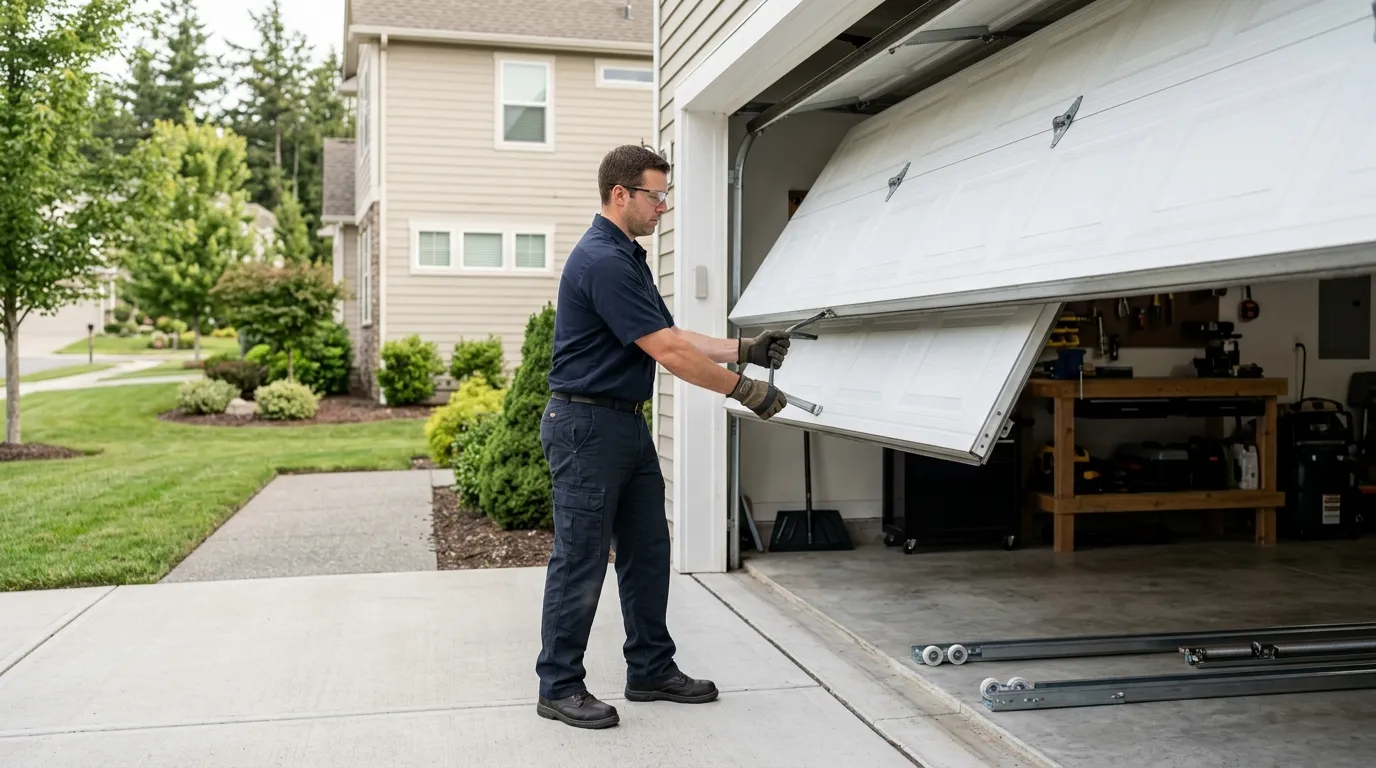
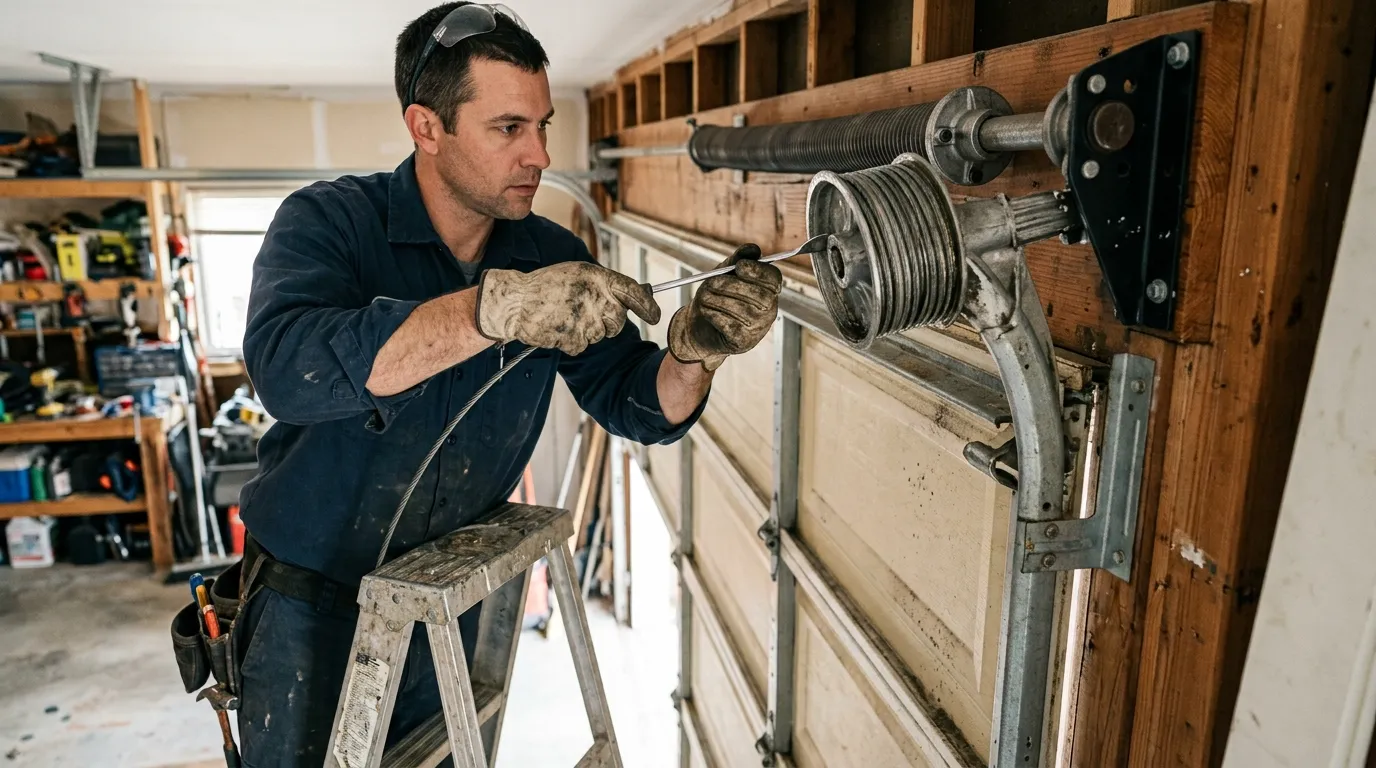
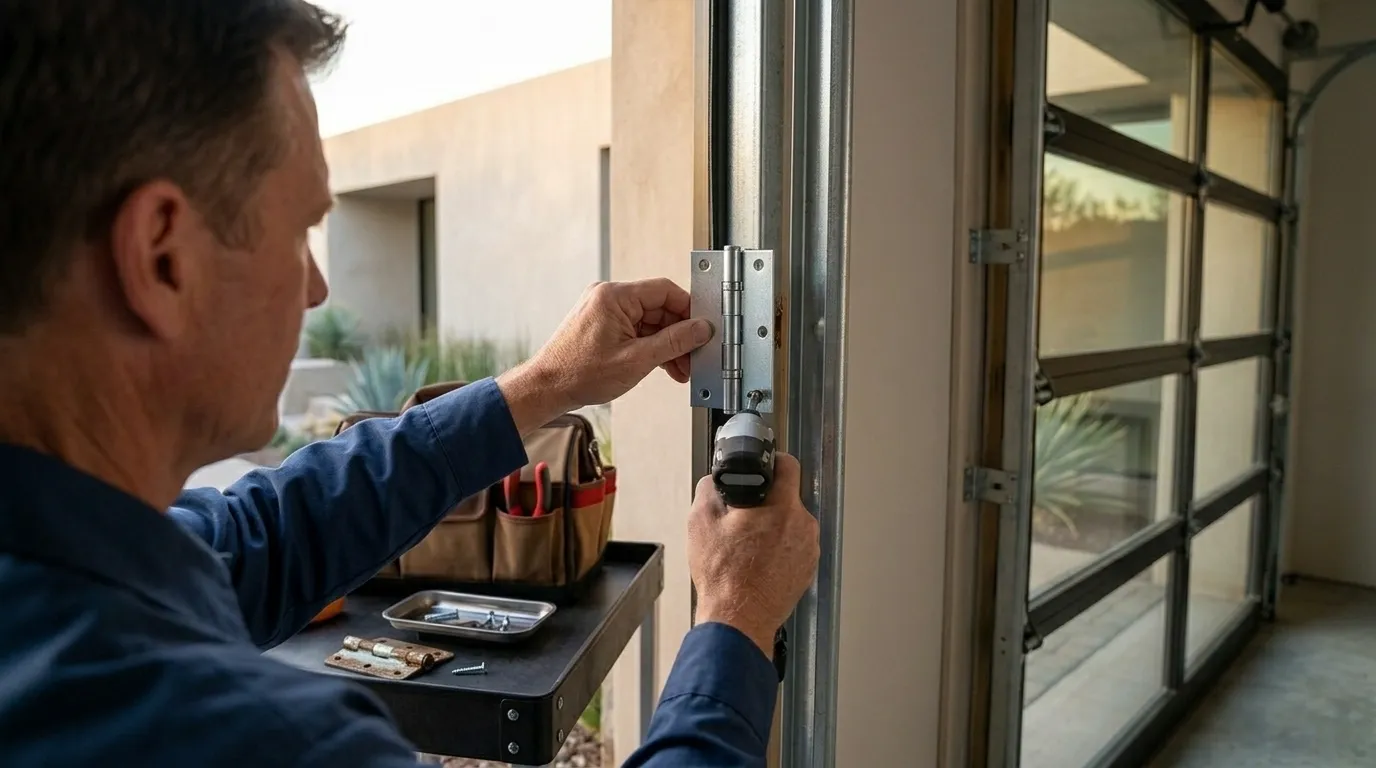
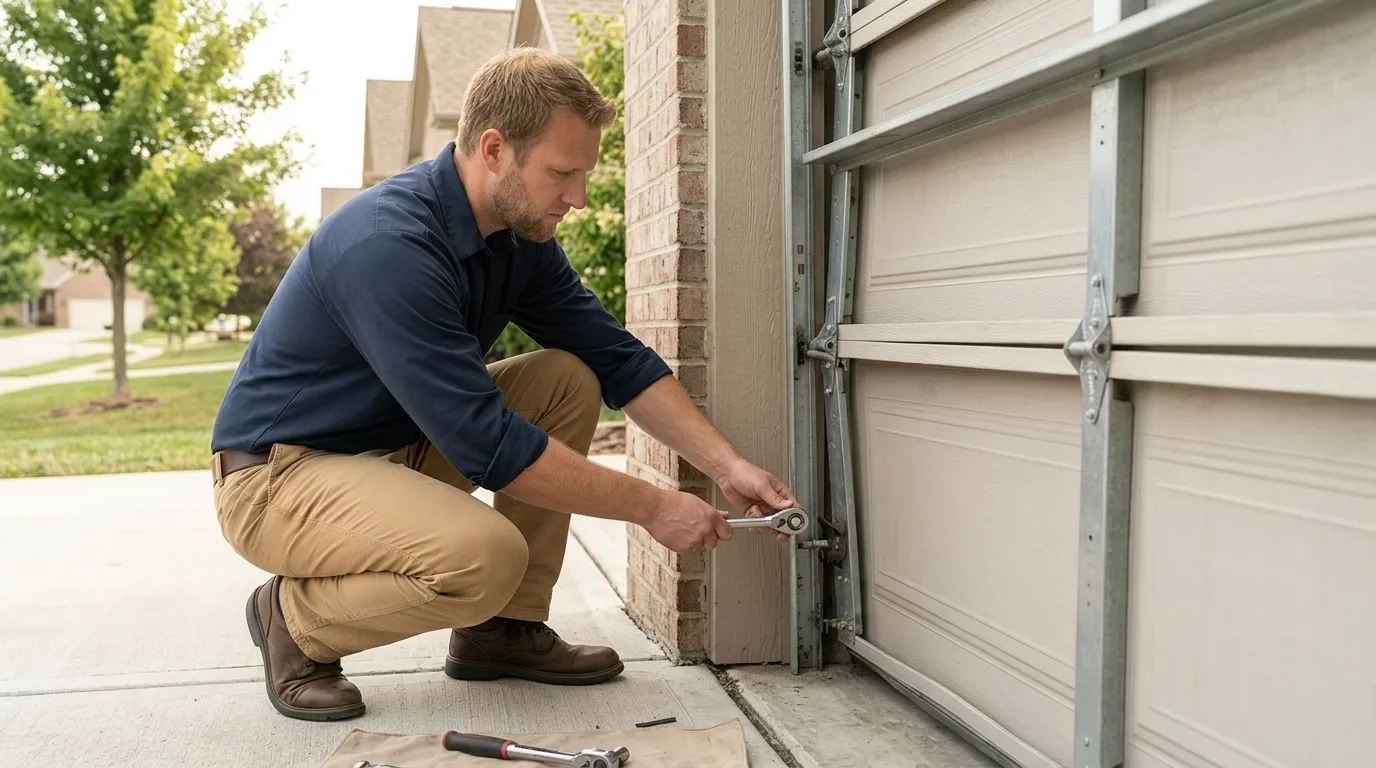
Swapping photo-eye sensors or resetting a remote's rolling code is reasonable DIY territory on a 2001-era opener - the manuals for that generation are still findable, and the parts snap in without special tools. Diagnosing a dead logic board is not the same job. There's no visual tell that separates a board that's fried from a wiring fault or a bad transformer, and opening the opener housing on a live circuit is where people get hurt for no good reason. Torsion springs, even on newer doors, carry enough stored force to break a hand or worse if you don't know the wind-down procedure - that's true regardless of how new the door is. Our honest limit: if the fault turns out to be a cracked panel rather than hardware, we can tell you that on site, but full panel replacement on some models means a parts lead time we don't control, and we'll say so before we take the job rather than after.