
Time on the Job
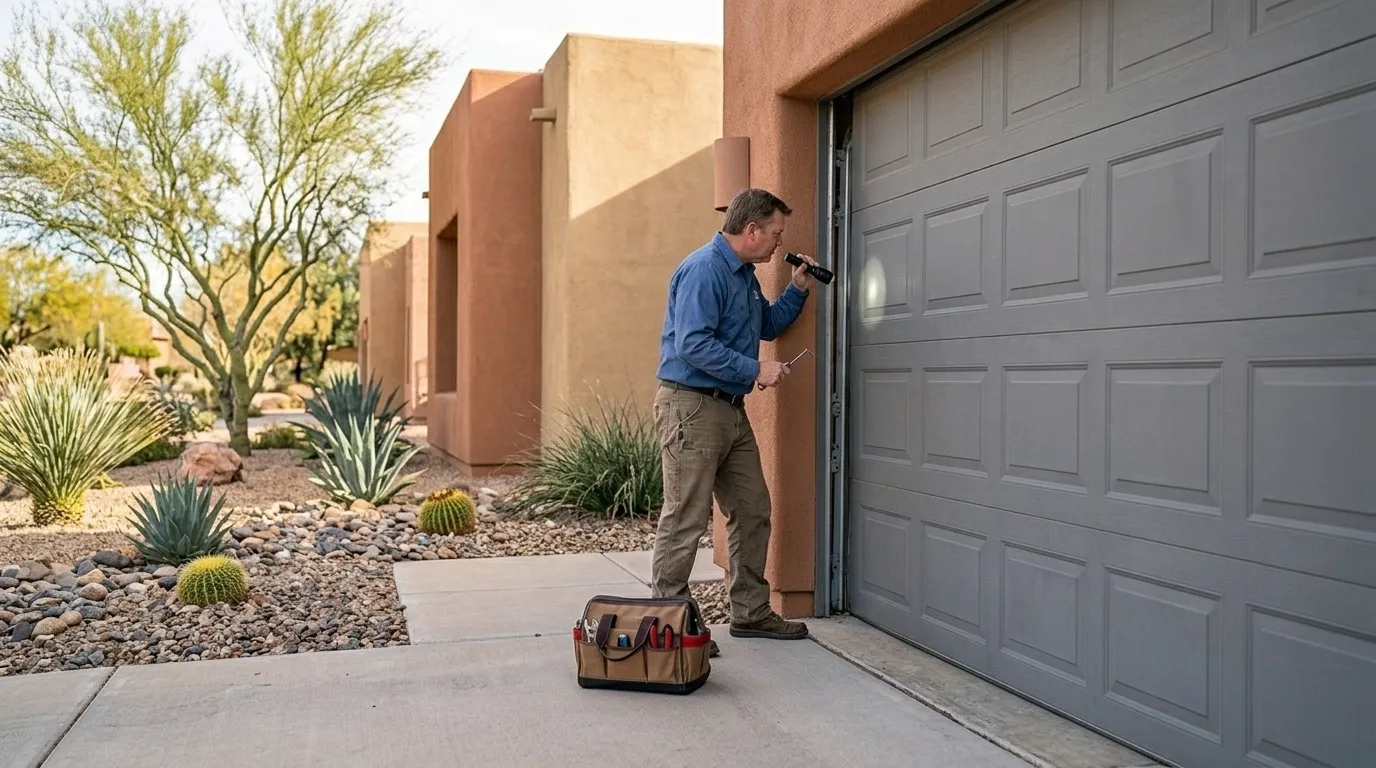
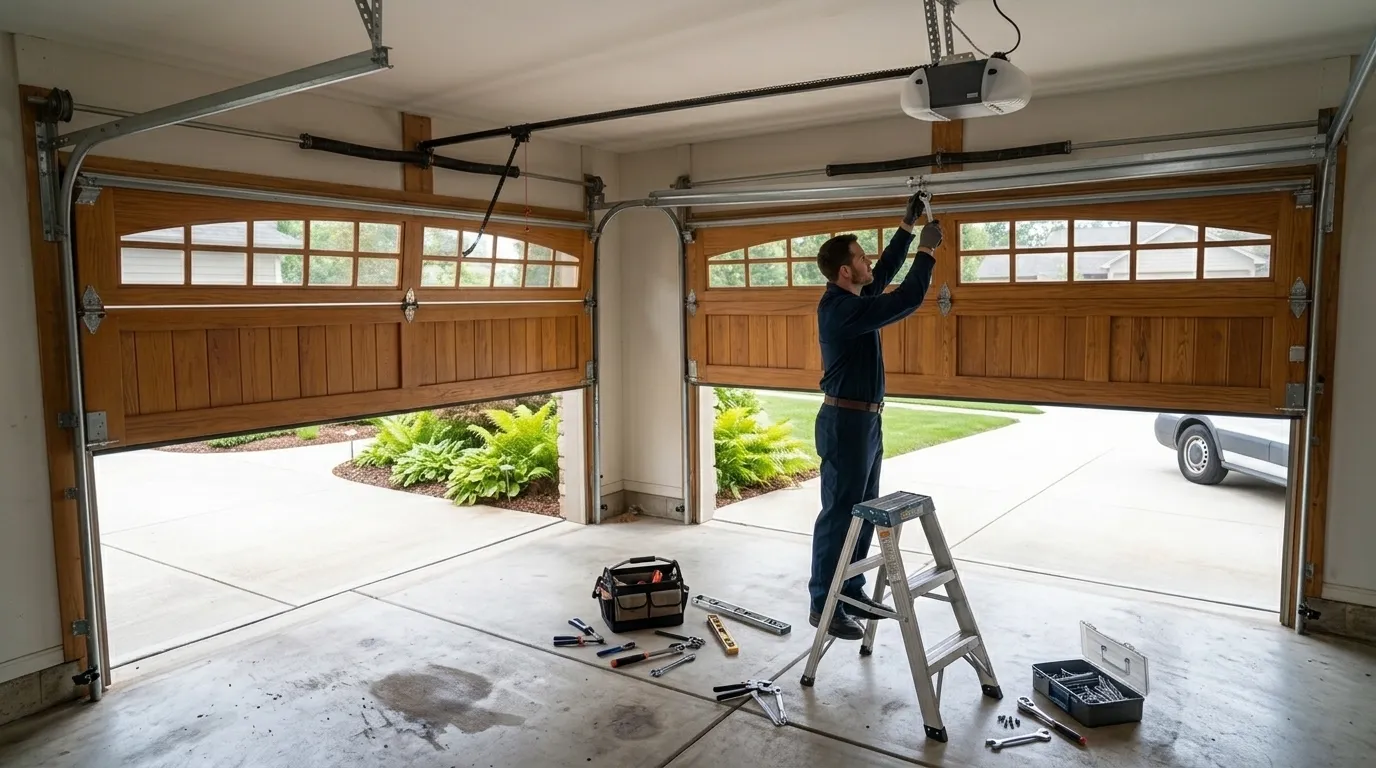
Most of the housing stock we work on across this service area dates back to the 1980s and 90s, with a median build year of 1986. Cottage Grove sits on the other end of that range - the typical house here went up around 2001, which puts it fifteen to twenty years newer than what we see closer to the older parts of the county. That matters for what's actually on the wall of the garage. Newer construction here tends to mean wider two-car openings, steel sectional doors instead of the older single-panel wood or aluminum jobs, and factory-installed torsion spring systems rather than the side-mount extension setups common on older stock. When one of these doors comes off track, it's rarely a worn-out hinge from decades of use - it's more often a roller that's cracked in the cold, a bent track from a bump, or a cable that's jumped its drum on a door that's otherwise in good shape. We're six miles out from our shop in Sun Prairie, a short run, and the door we're looking at when we get there is usually younger than the ones we service on the west side of the territory.
The Complications
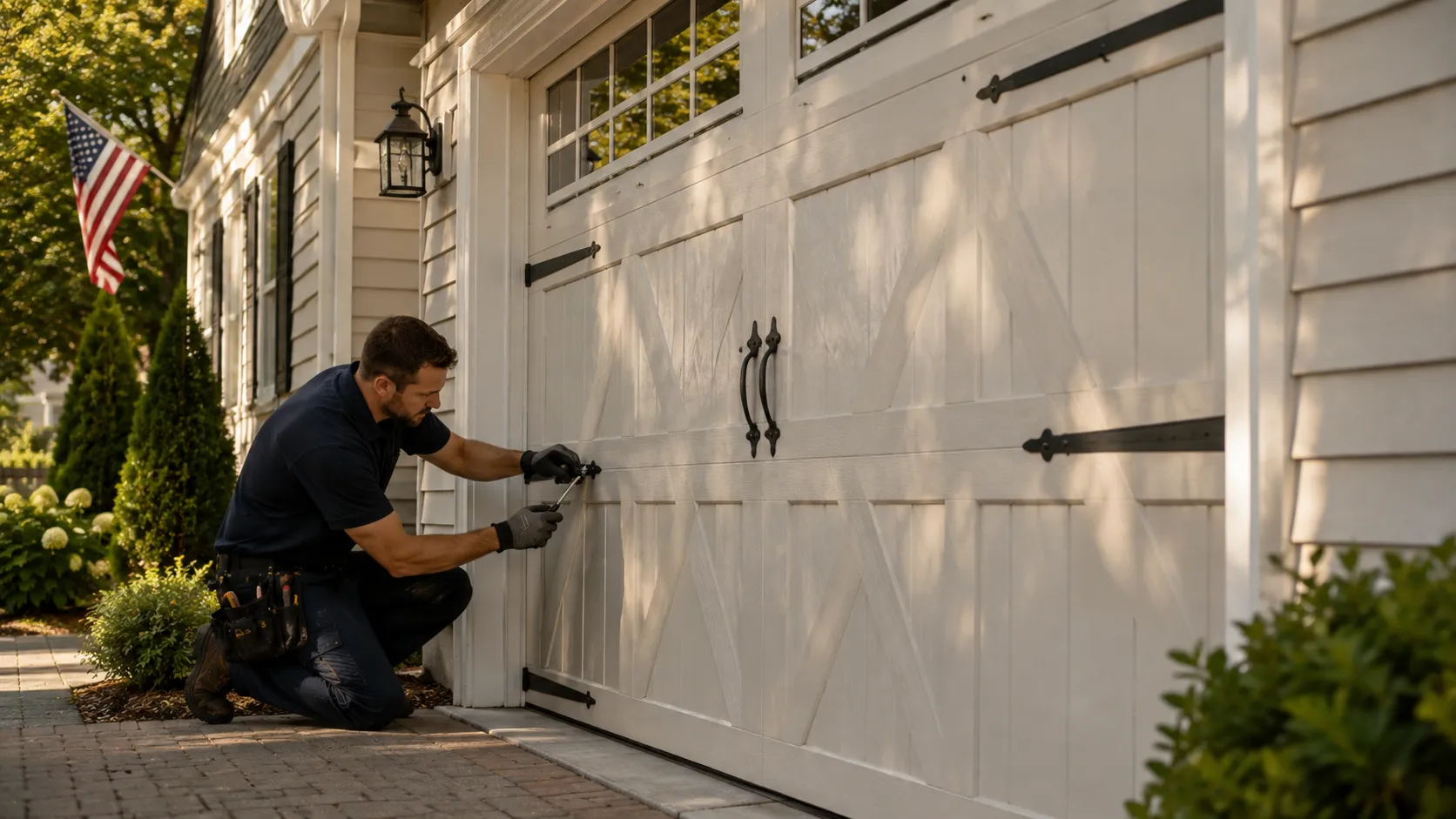
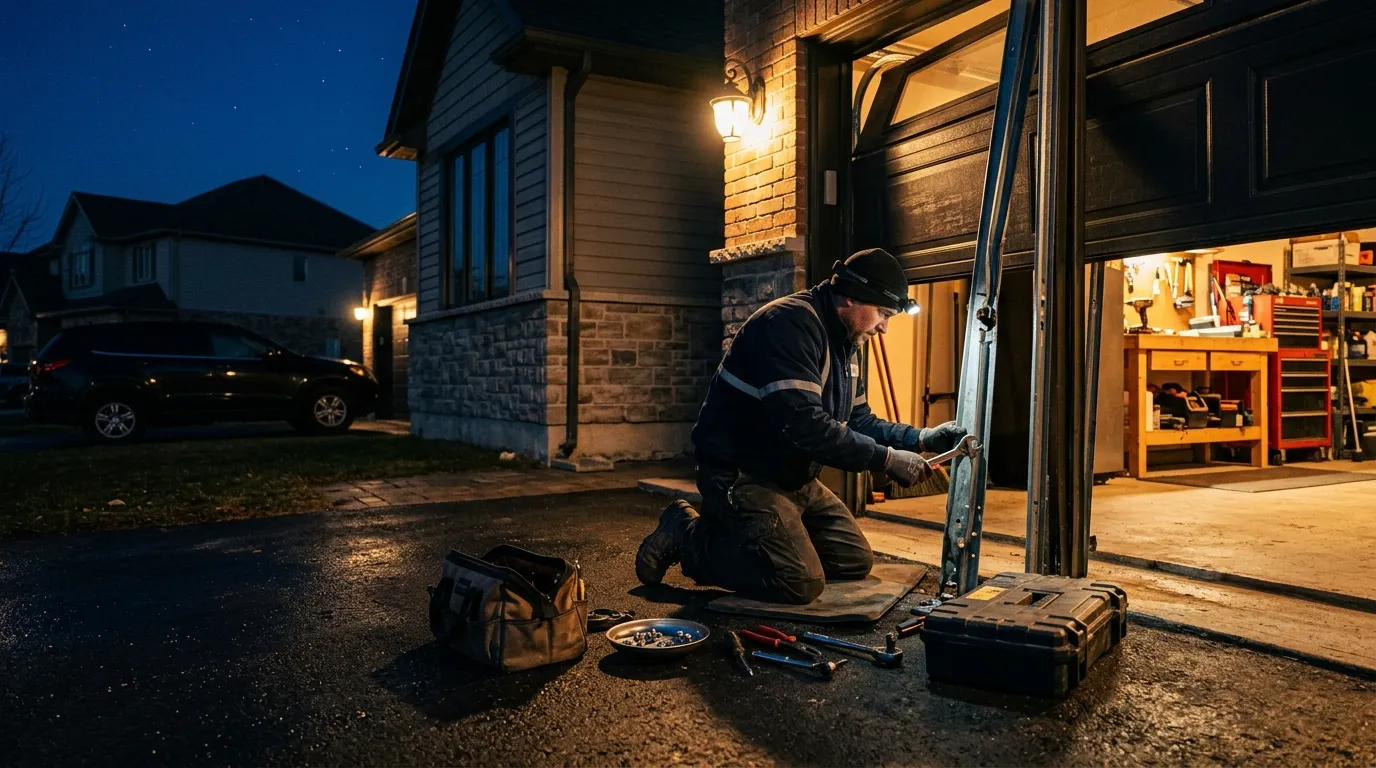
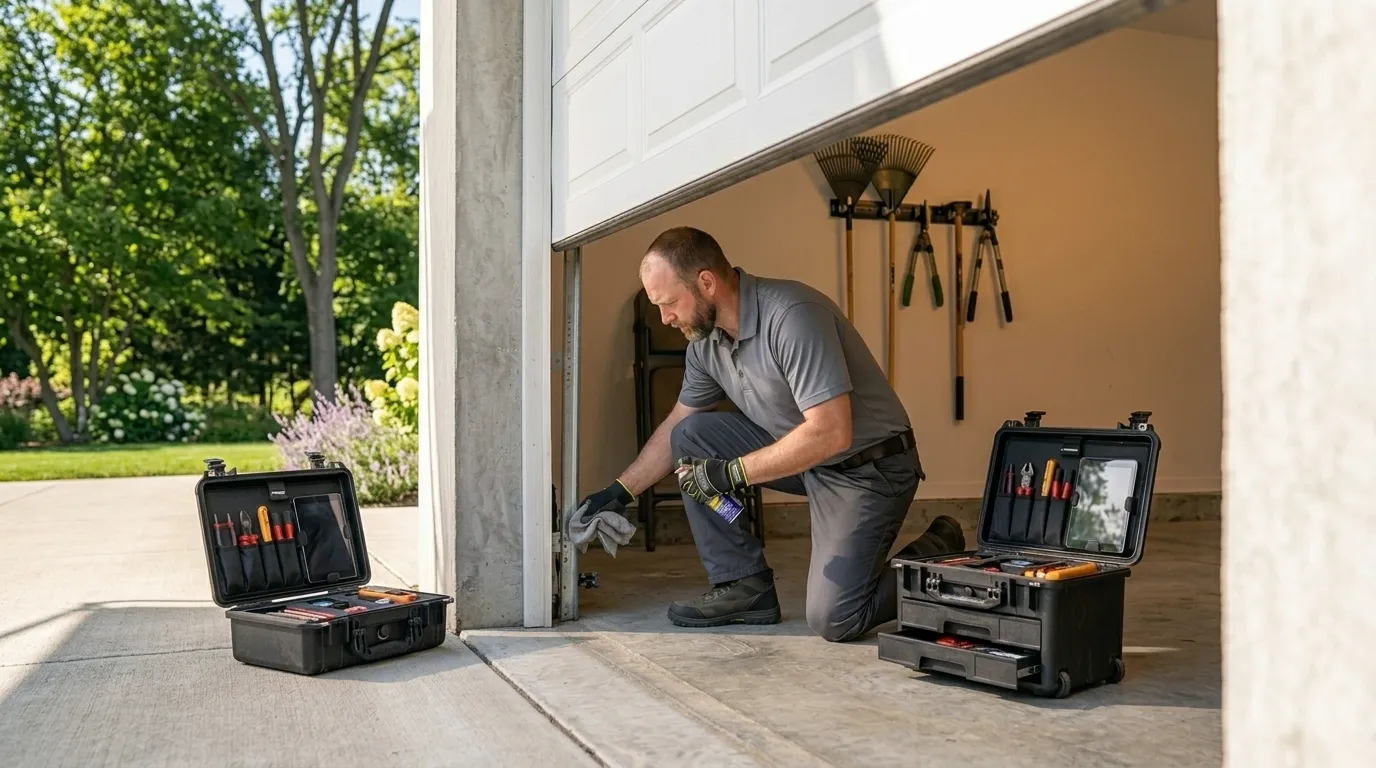
An off-track door on a 2001-era build usually comes down to one of three things: a bent horizontal track from something hitting it, a broken roller bracket, or cables that have slipped off the drum because a spring lost tension. Winters here get cold enough (climate band F3) that steel tracks contract, and if a track was even slightly out of alignment to begin with, that contraction is often what finally lets the rollers walk out of the channel. On a wider double door - common in newer Cottage Grove construction - the extra width means more leverage on the track when it does bind, so a small misalignment on a two-car door does more damage faster than the same problem on a narrow single. The complication we watch for on this generation of door is stripped screws in the track brackets; builders in that era often used shorter fasteners into thinner jamb material, and those don't hold up to repeated stress once a door starts running rough. We check bracket condition before we touch the track itself, because reattaching a track to a stripped mount just means the same call again in six months.
Can You Do This Yourself
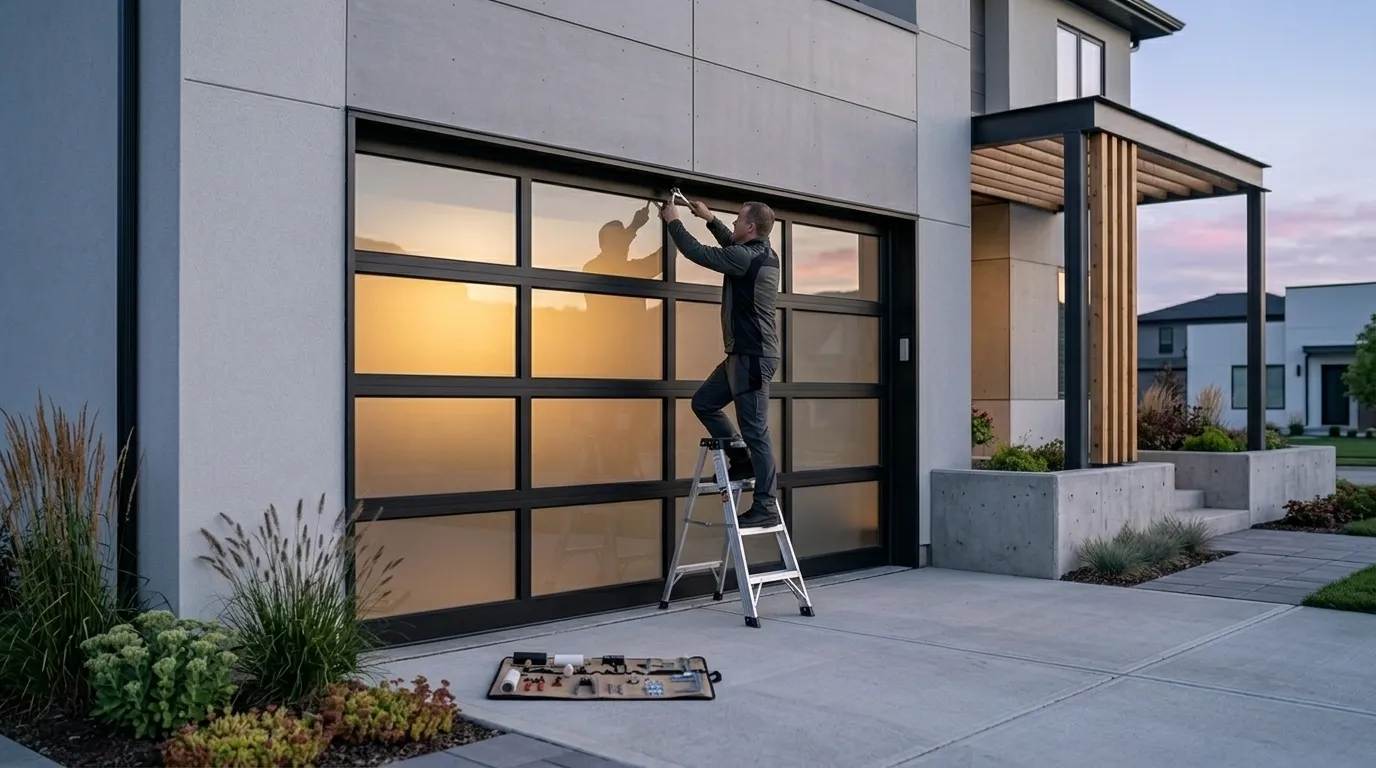
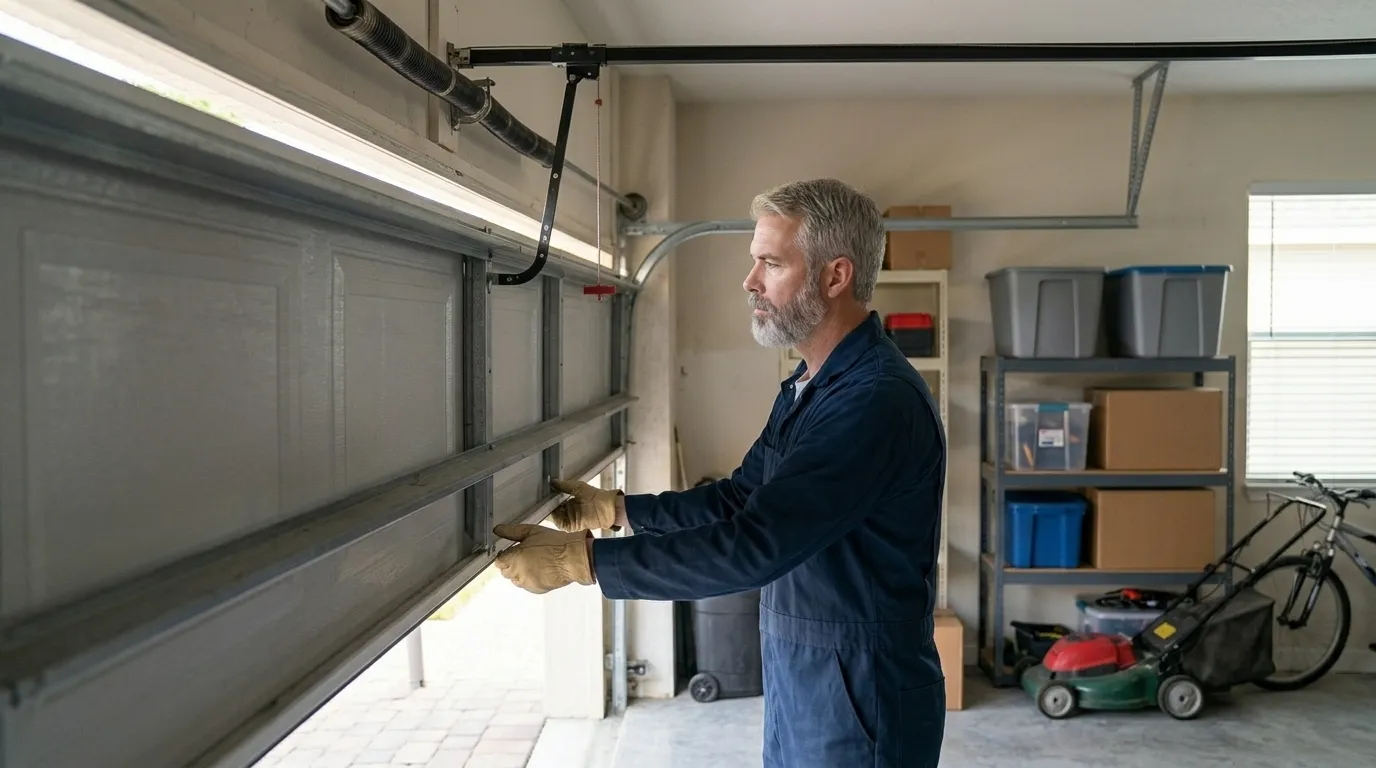
If a door is only slightly off track and still closes, you can sometimes walk it back into the channel by hand with the opener disconnected - but if a spring is under tension or a cable has slipped, don't put your hands near it. A torsion spring on a wider double door, the kind common in this part of Cottage Grove, holds enough force to break fingers or worse if it lets go while you're working near it. We'll say plainly: bent track, snapped cable, or a spring that's lost its wind are not weekend fixes. Straightening track without the right tools usually just moves the bend somewhere else. If the door still runs and only looks slightly crooked, it's fine to leave it and call rather than force it - forcing an off-track door often turns a roller repair into a full track replacement.