Time on the Job
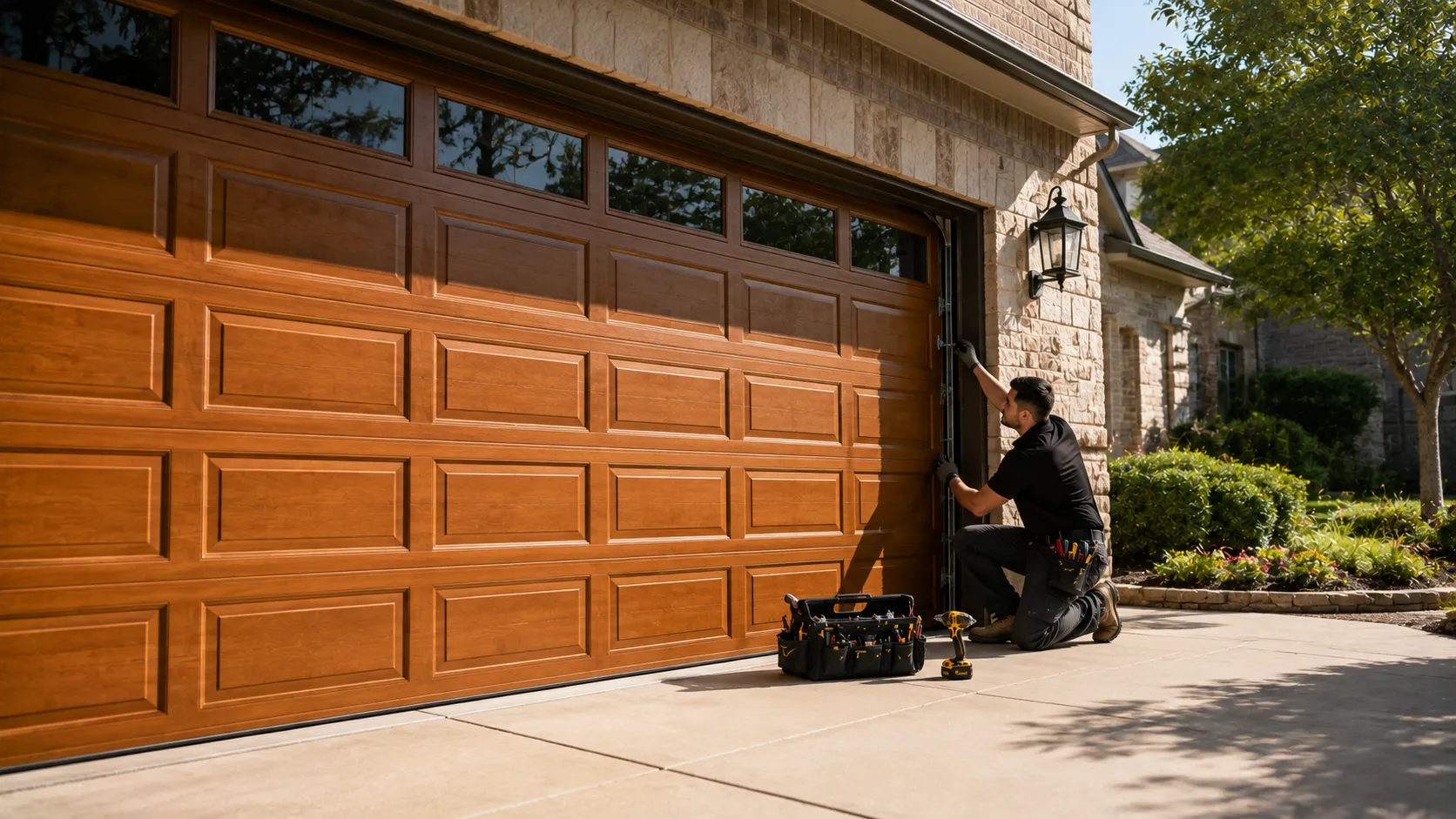
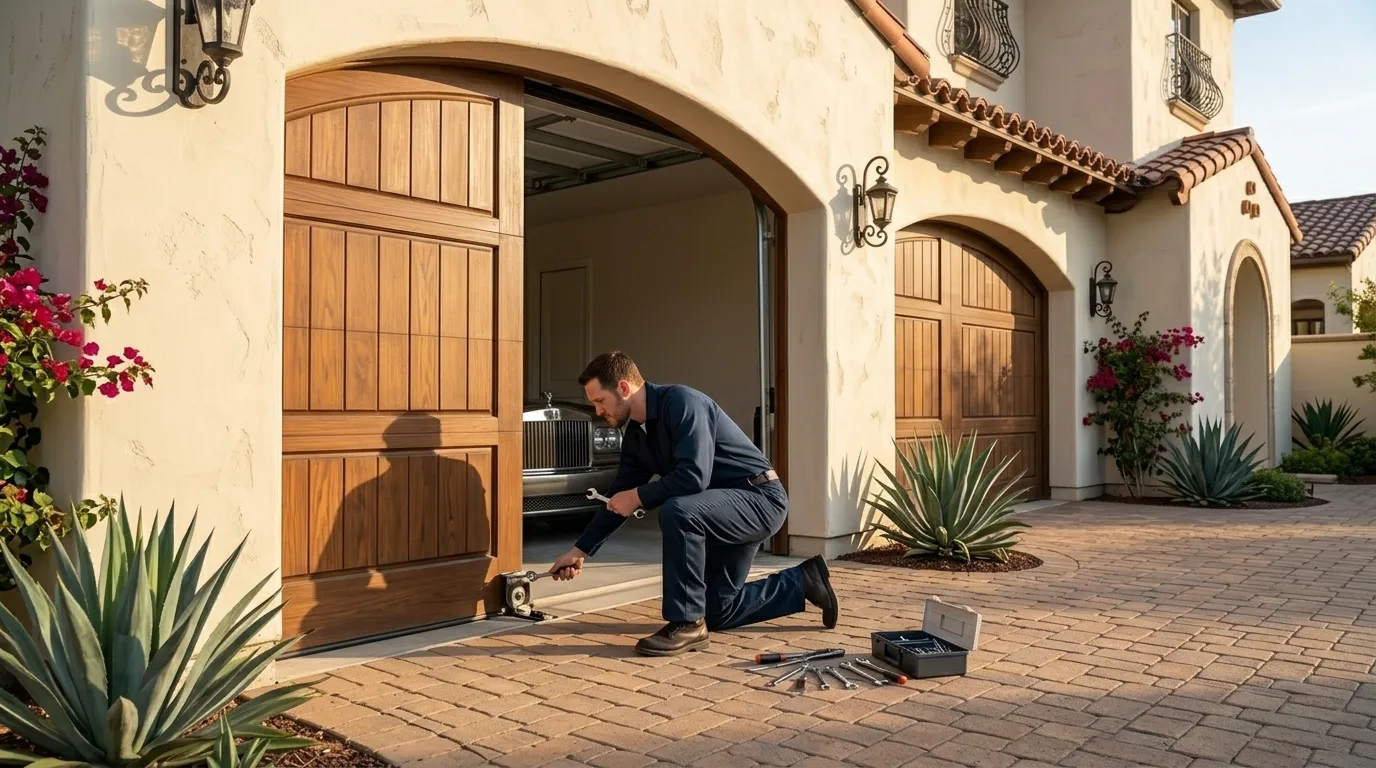
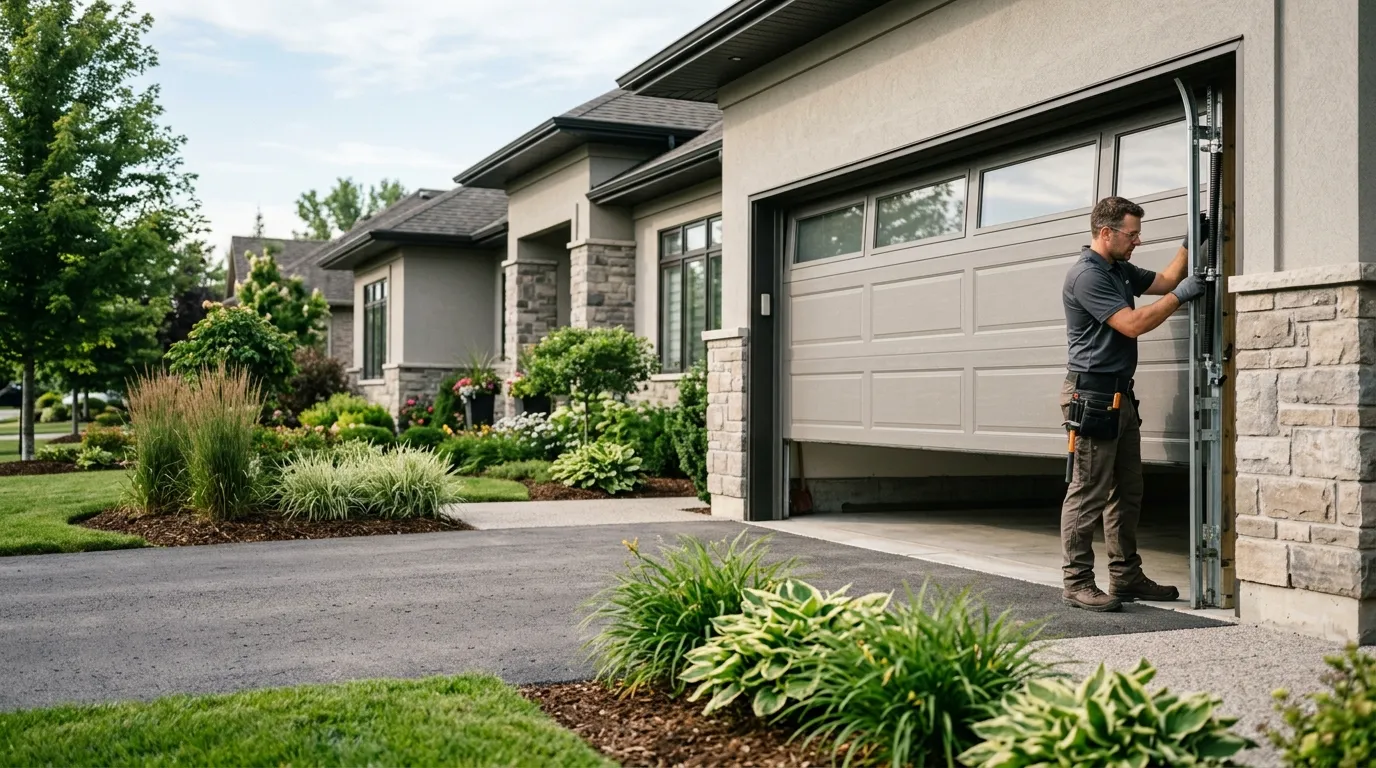
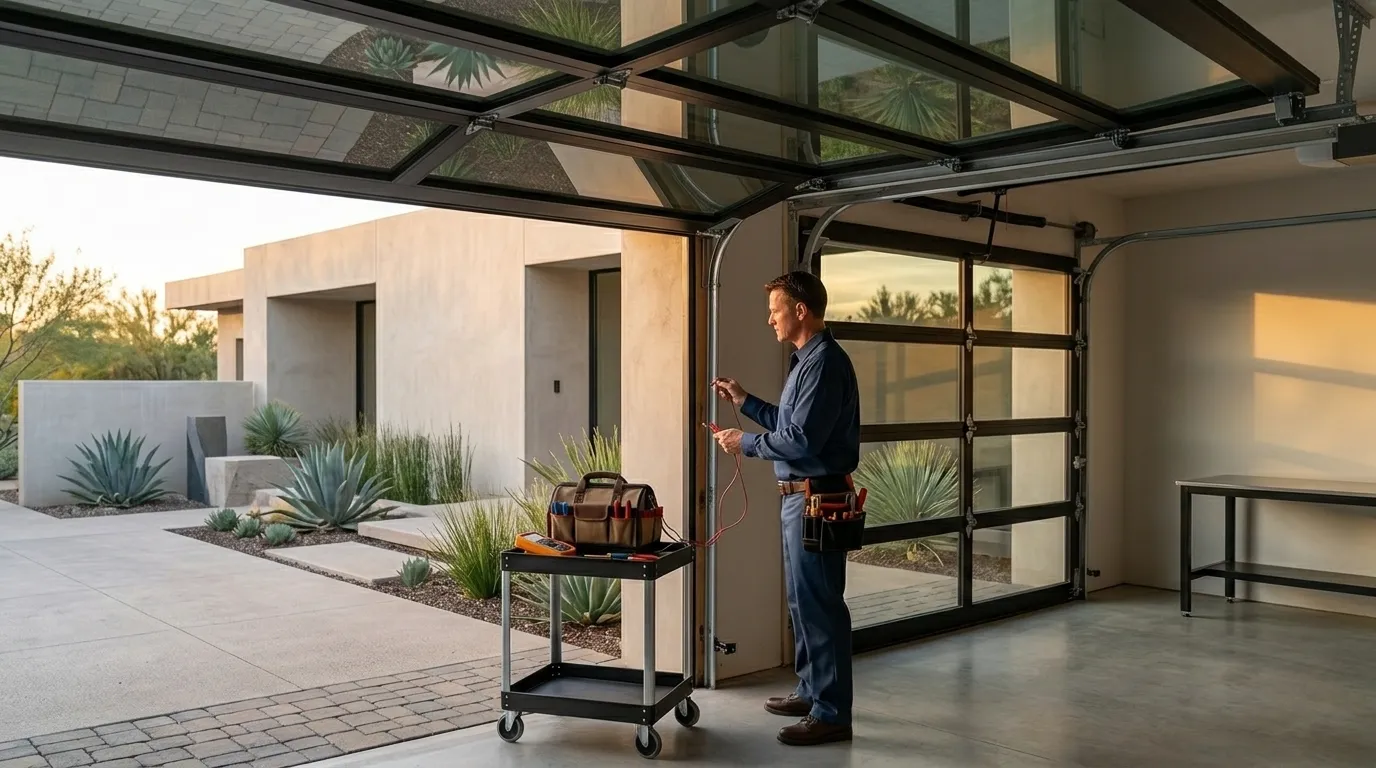
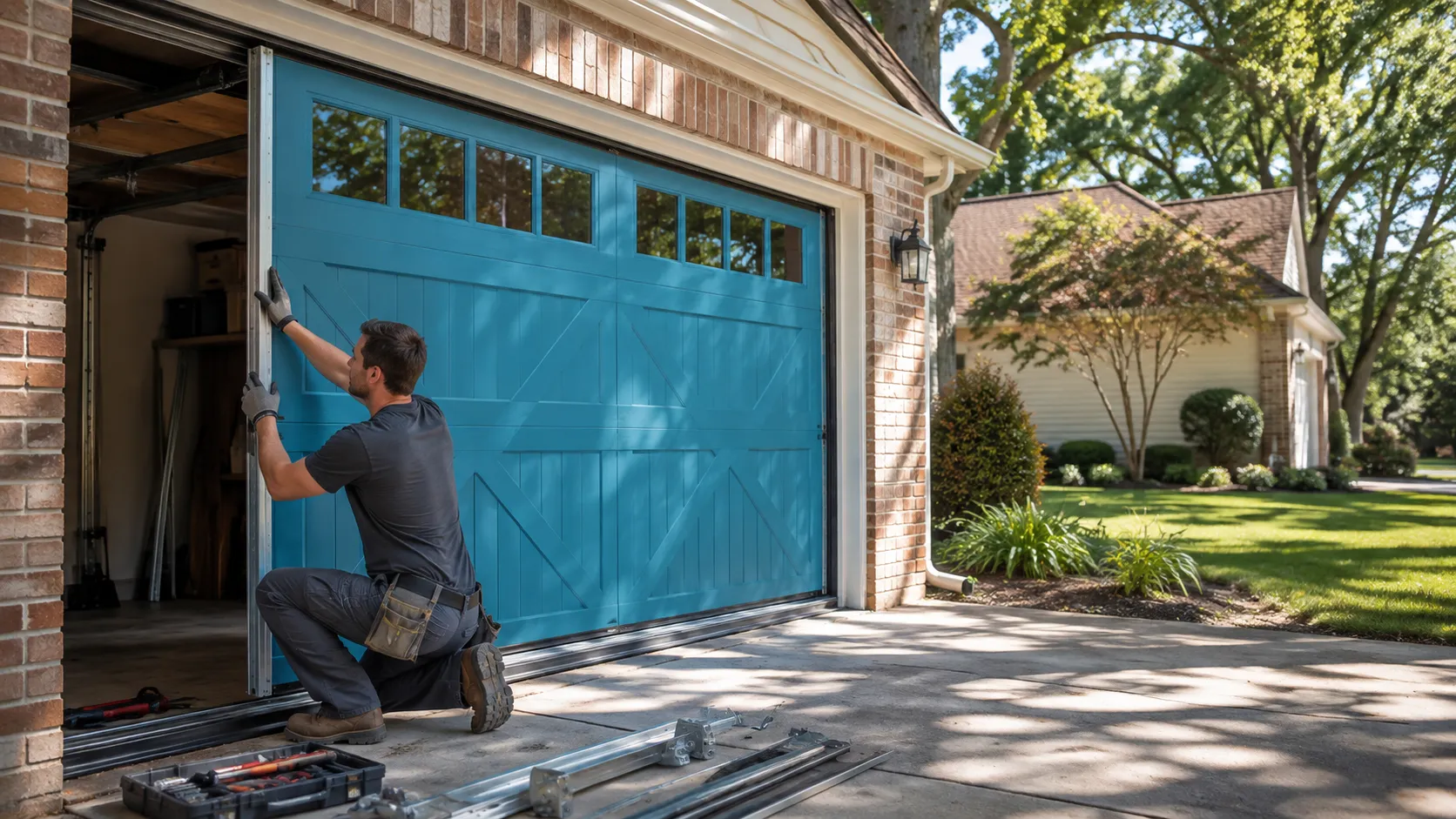
Most houses in Cottage Grove went up around 2001, a decade and a half newer than the 1986 median across the rest of the service area we cover out of Sun Prairie. That gap matters more than it sounds. Openings framed after 2001 tend to be standard 16-by-7 or 9-by-7 rough-ins, square, plumb, and built to a code that already expected a sectional steel door rather than a retrofit. On a lot of the older stock elsewhere in the territory - homes from the 1960s and 70s - we spend an hour just squaring up jambs or swapping out non-standard track before the new door goes in. Here, that extra hour usually isn't there. A single new install on a standard double-wide opening, once the truck is on site with the right door and opener, runs a normal day's job: old door and track out, new jambs checked and shimmed if needed, new door hung, opener mounted, travel and force set, safety sensors aligned. Wider three-car openings or anything with a mismatched header add time. We drive the 6 miles out from Sun Prairie for every job here - there's no branch or crew based in Cottage Grove itself, so scheduling around a single visit window matters more than it would if we were already down the block.','
The Complications
Cottage Grove sits in the same severe cold climate band as the rest of the area, which means insulation and air-seal at the door itself isn't optional if the garage shares a wall with living space. A hollow single-layer door on a 2001-era home with a finished bonus room overhead will sweat and frost on the inside face most winters - we see it on newer construction just as often as old. The other wrinkle with post-2001 framing is engineered roof trusses. They're stronger for the roof load, but they sometimes limit where we can anchor a header reinforcement kit if you're widening an opening rather than replacing like-for-like. That's a conversation before the door gets ordered, not after. One honest limit: if the opening needs structural work - a header rebuild, a widened stud bay - that's outside what we do on an install visit, and we'll tell you to get a carpenter or contractor in first rather than force a door into a frame that isn't ready for it. Power outages during winter storms are the other real issue for this climate band; if you want the opener to keep working when the grid doesn't, that's a battery-backup option worth asking about before install day, not something we add after the fact.
Can You Do This Yourself
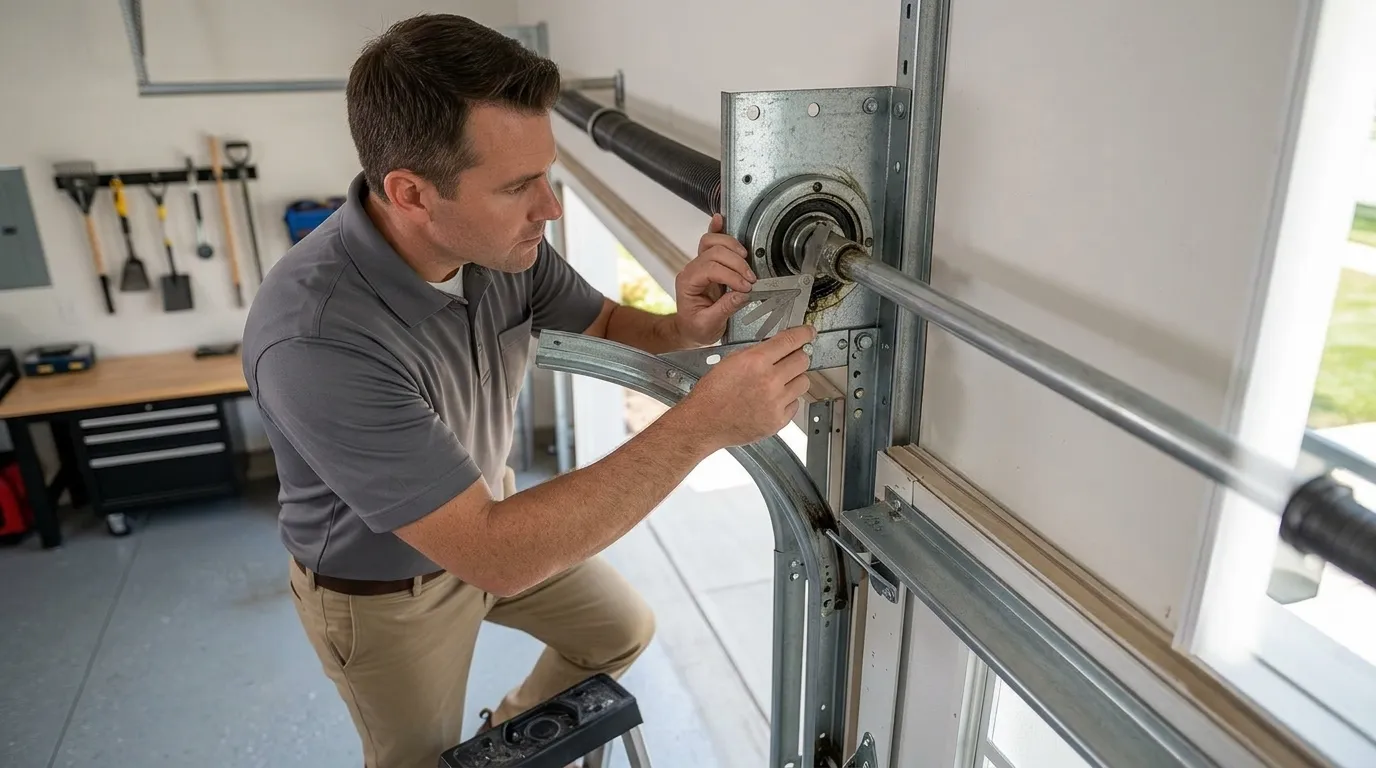
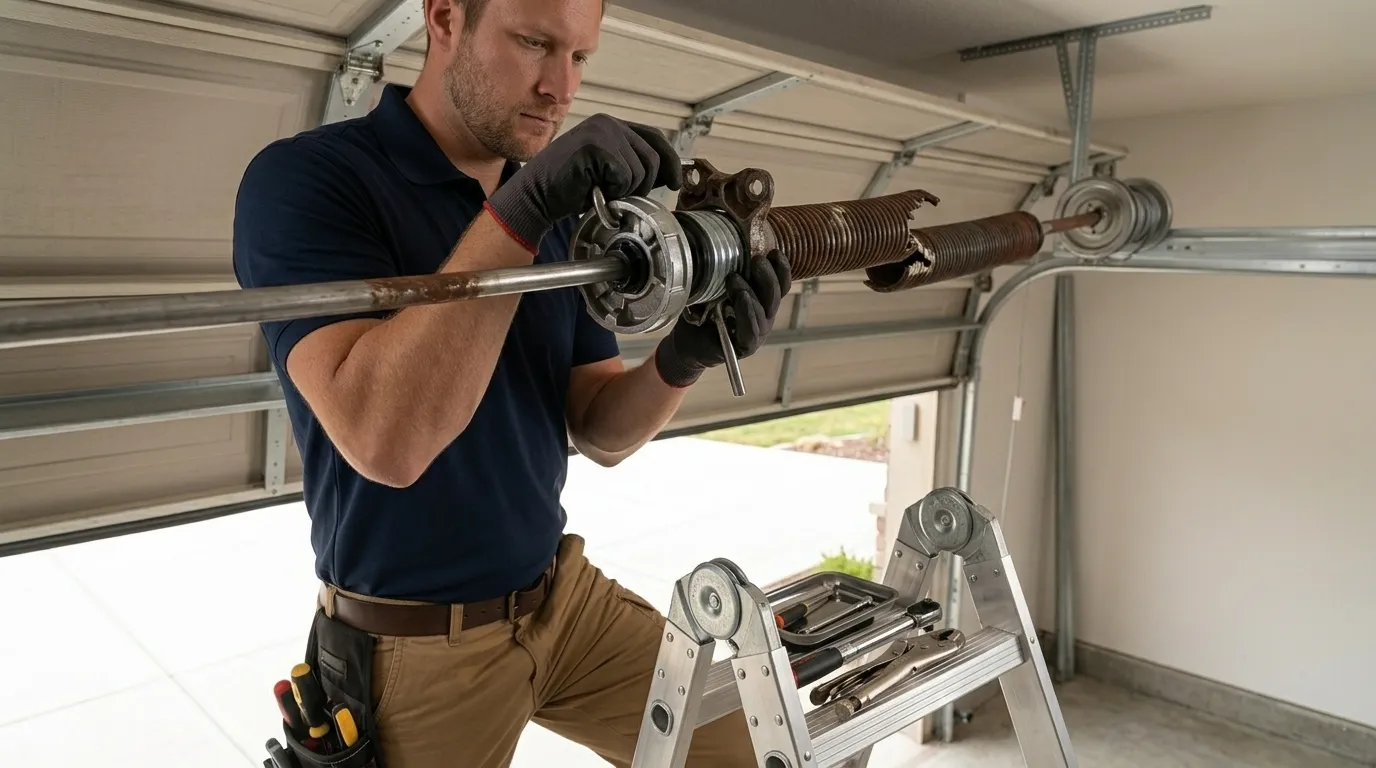
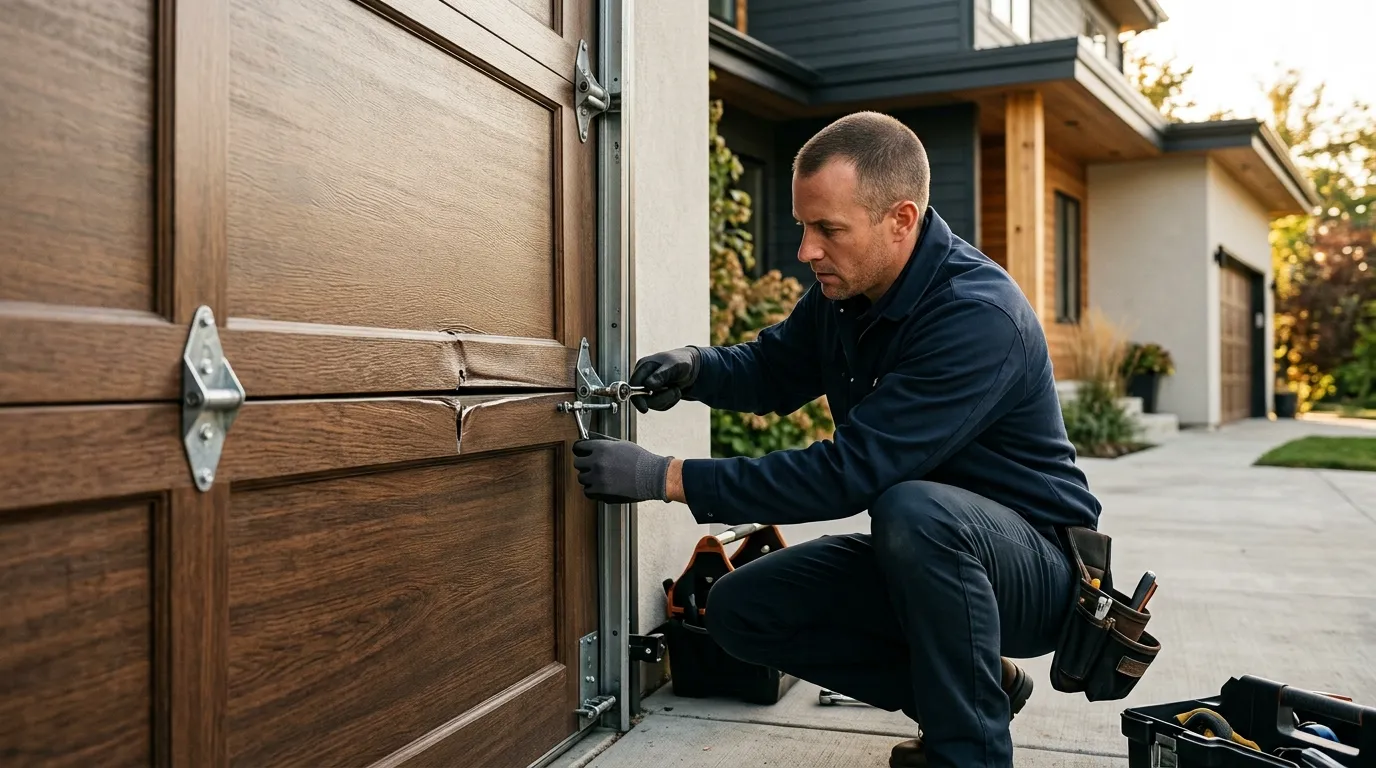
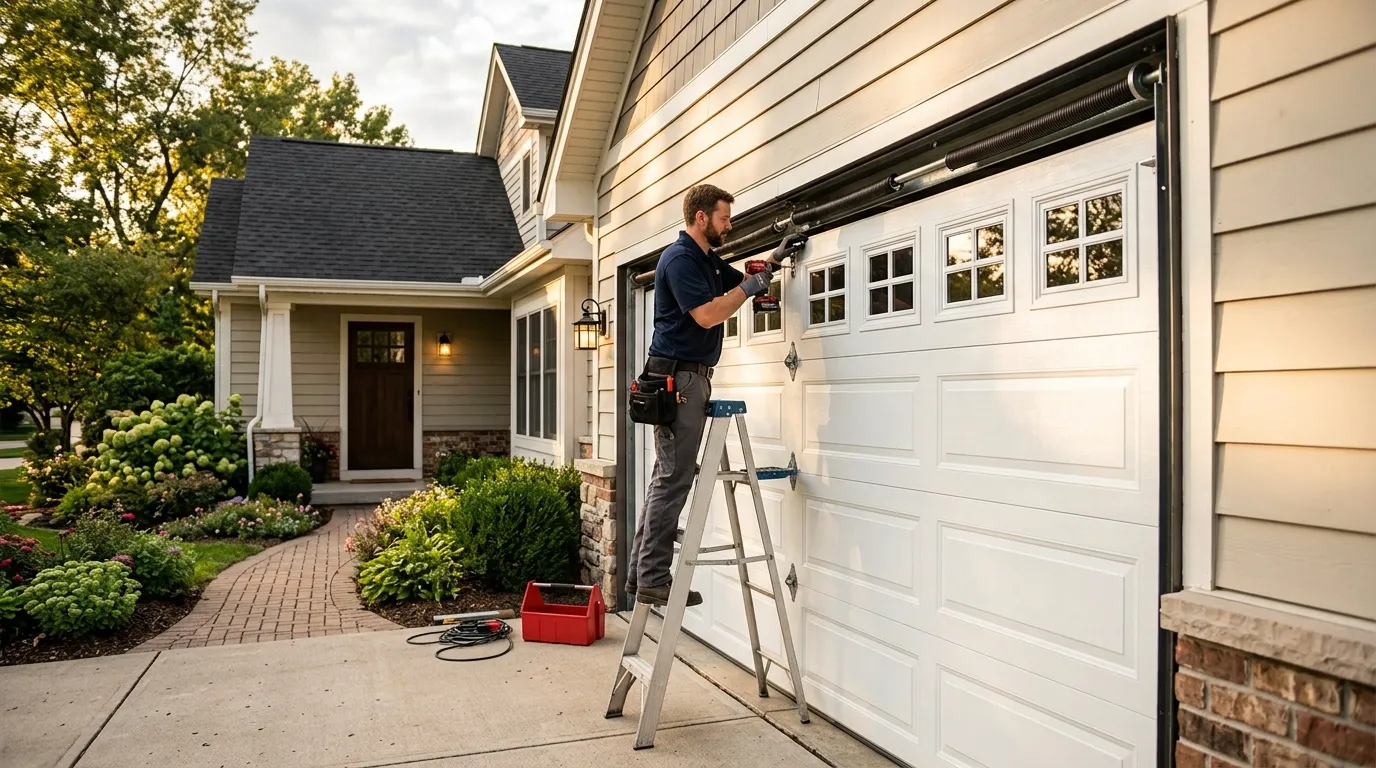
A new garage door install looks like a weekend project until you're holding a 150-pound section on a ladder with nothing to bolt it to yet. Hanging the panels is the part people underestimate - torsion springs store enough force to break bones if the winding bar slips, and that's true whether the door is going into a house built in 1970 or 2001. If your opening is standard and square, which is common in this area given the newer build years, a handy homeowner can often manage track alignment and opener mounting. What we'd tell anyone to skip: winding or unwinding a torsion spring without the right bars and clamps, and wiring an opener's safety sensors without testing the auto-reverse afterward - that's a code requirement, not a suggestion, especially with kids or pets around. If in doubt on the spring side, that's the one part worth calling in for even if you do the rest yourself.