Time on the Job
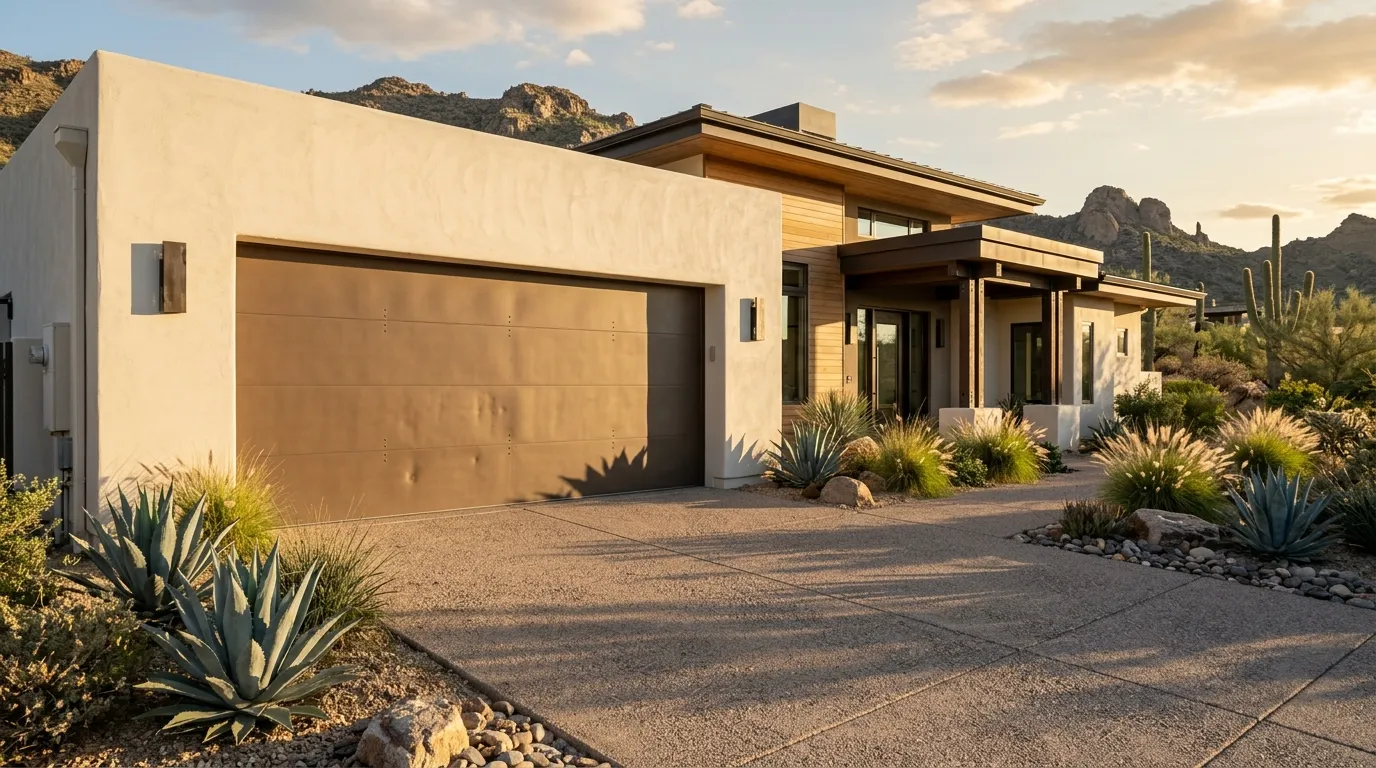
Cottage Grove is a different animal from a lot of what we cover. Most houses here went up around 2001, a good fifteen years newer than the 1986 median across the rest of the service area. That means the doors are original builder-grade units from the late 90s and early 2000s, not the older steel-panel doors with heavier hardware you find in towns built out in the 60s and 70s.
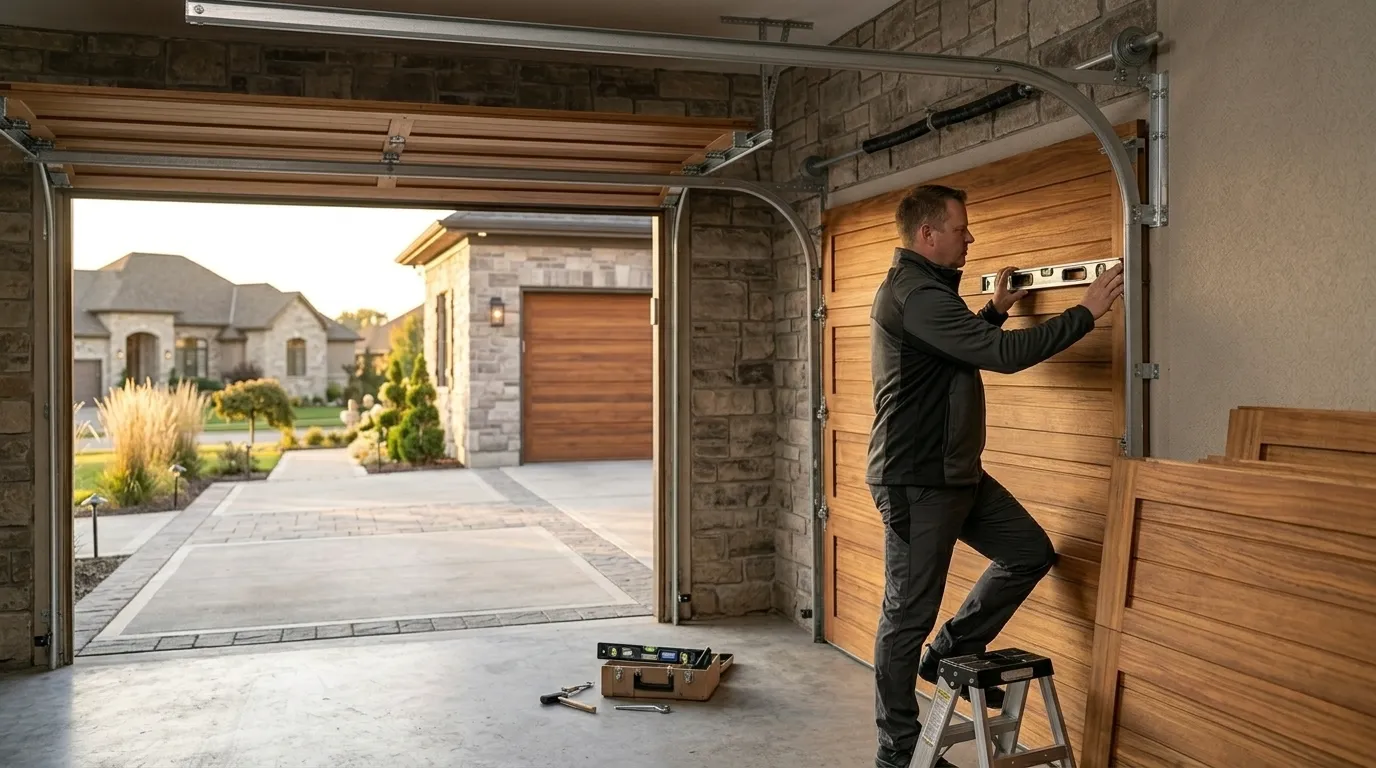
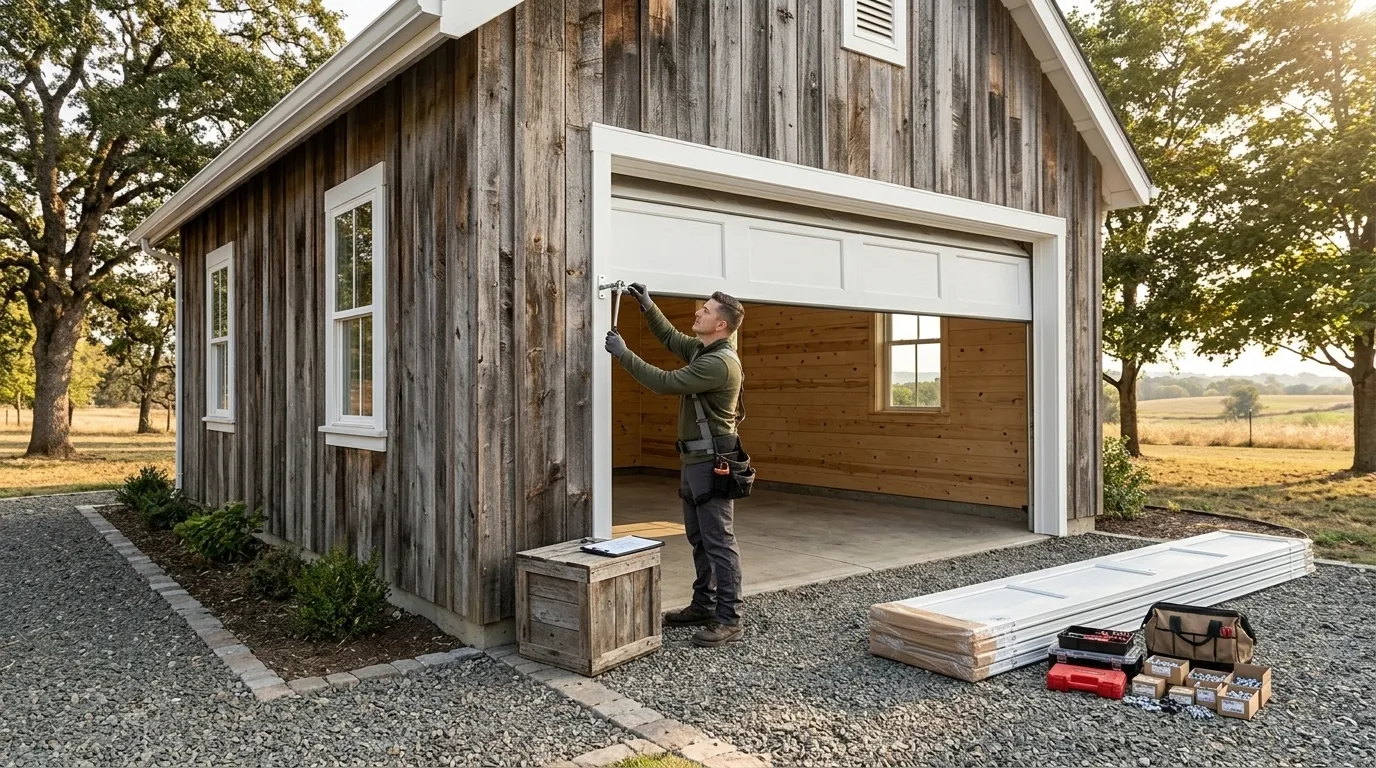
What that means for a roller job: these doors usually came with 2-inch stamped-steel rollers on 7-foot stem, riding in tracks that haven't had 40 years of settling to fight. A straightforward 10-roller swap on a single door, both sides, runs under an hour once we're on site - no rust-frozen brackets, no track that's shifted out of plumb from decades of foundation movement. Doubles take longer, mostly because there's more hardware to pull and reset, not because anything's harder to reach.
We're coming from Sun Prairie, about 6 miles out, so travel isn't the variable - the door itself is. On a 2001-era door in good shape, this is usually a same-visit job from open to close.
The Complications
The doors here are young enough that we're rarely fighting rust-seized fasteners, but this region still sits in a severe-cold climate band, and that doesn't care what year the door was built. Two decades of hard freeze-thaw cycling is enough to flatten the nylon on stock rollers or crack the steel sleeve on the cheaper stamped ones - the kind that shipped standard on builder-grade doors through the 90s and into the 2000s.
The other wrinkle is household income. At $132,717 median here, well above the $98,943 median across the wider service area, we see more owners asking for sealed-bearing nylon rollers as a straight upgrade rather than a like-for-like steel swap - quieter, and they don't need lubrication every season. That's a choice, not a requirement, and we'll tell you honestly when a $12 steel roller does the same job for another five years.
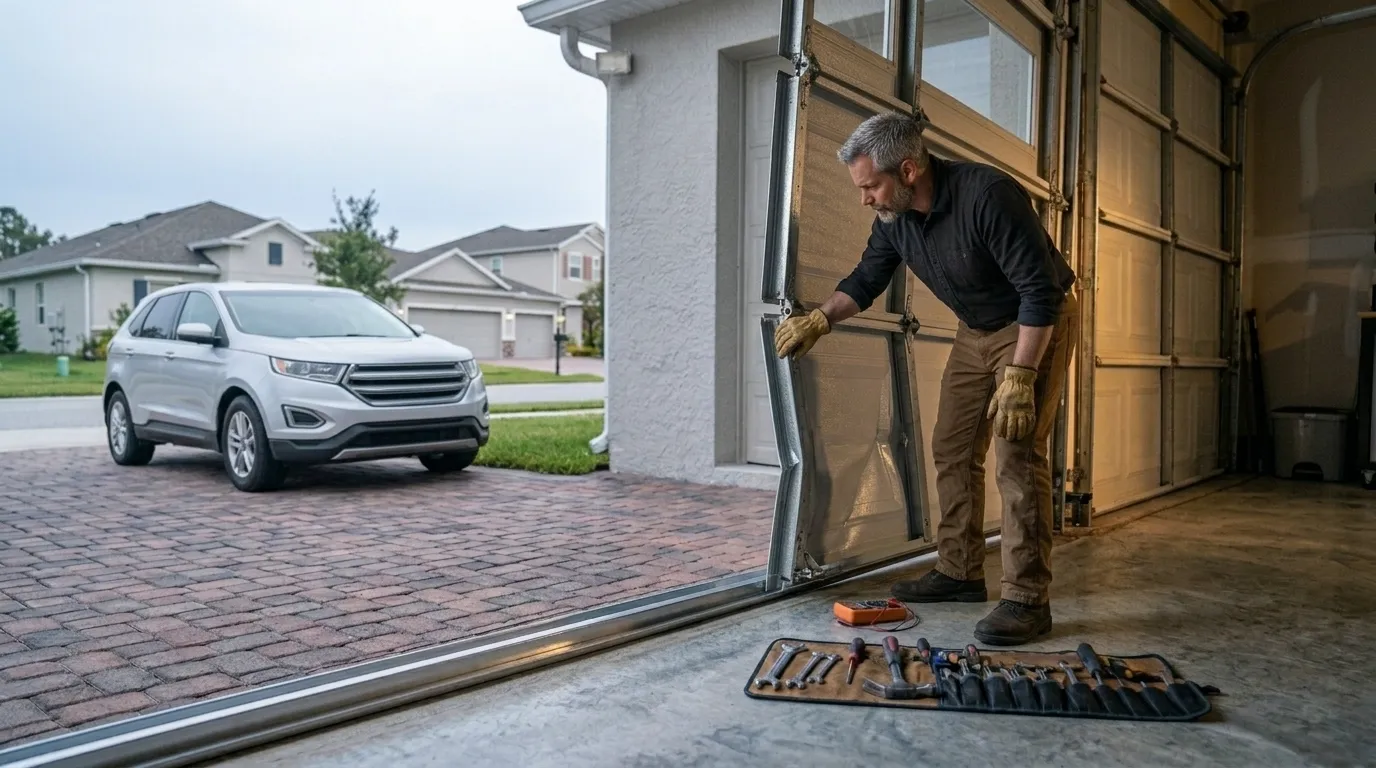
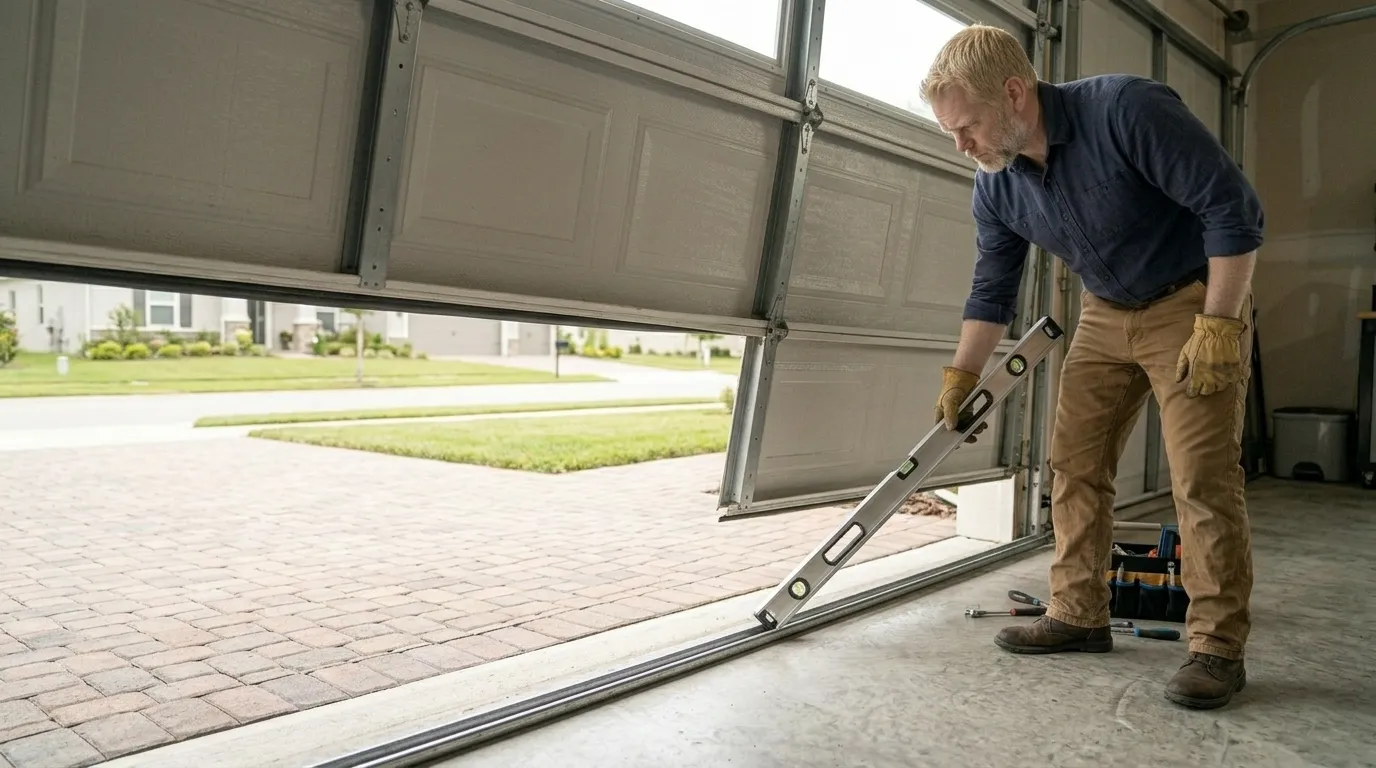
One real limitation: if the track itself is bent or the door's out of square, roller replacement alone won't fix a door that still binds or slams. We'll flag that before we start, not after we've billed for rollers that were never the actual problem.
Can You Do This Yourself
A single roller swap on a 2001-era door, with the door closed and the spring left alone, is within reach for a homeowner who's comfortable with a socket set and isn't rushing. The hardware on these newer doors is usually straightforward - no rust seized into threads, no track that's been reshaped by decades of settling.
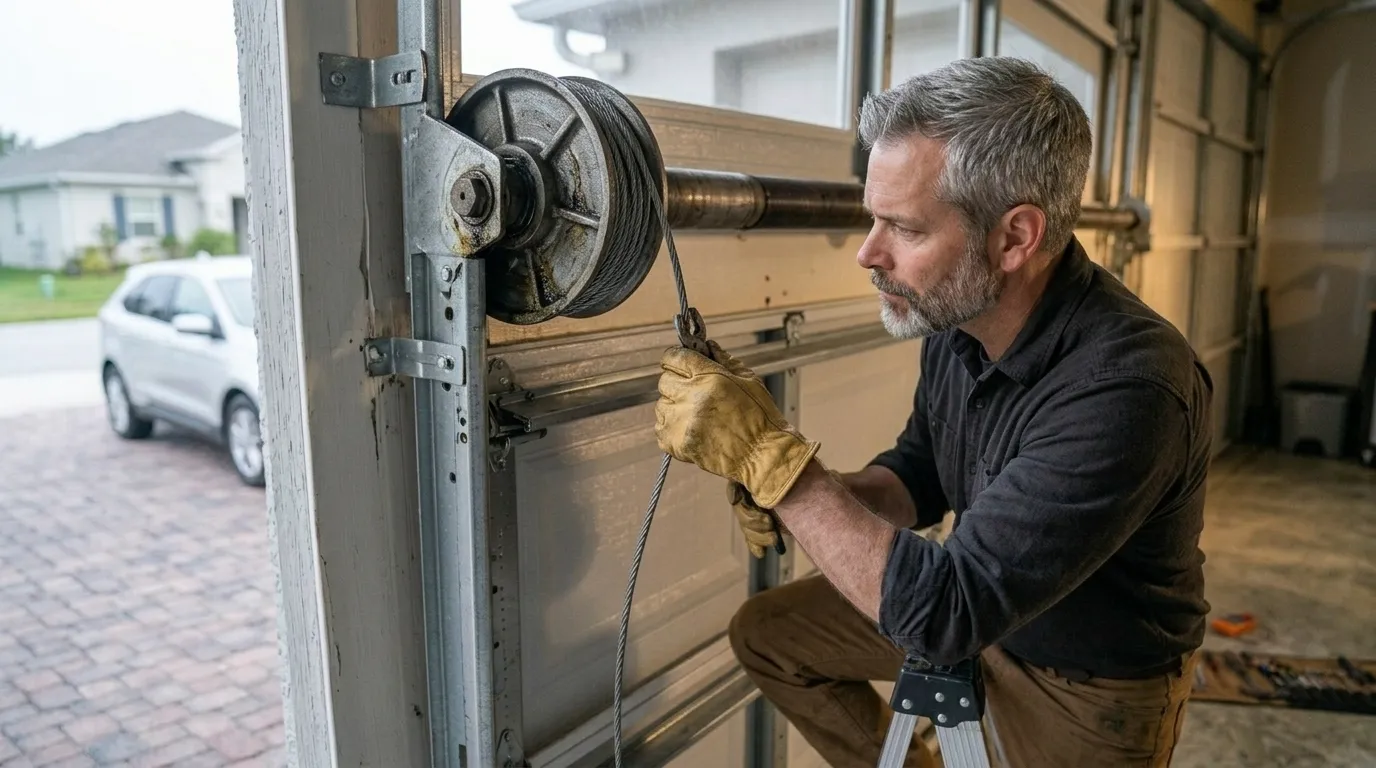
Where it stops being a weekend project: anything involving the bottom bracket on the side with the cable attached. That bracket is under spring tension even with the door down, and pulling the wrong roller out of it is how people lose fingers, not exaggerating. If a roller near either bottom corner needs replacing, that's not a DIY call.
Our honest limitation here: we don't talk anyone through this over the phone, and we won't sell parts without seeing the door first. If you want to do the top and middle rollers yourself and have us handle the bottom two, say so when you call - that's a normal way to split the job, and it costs you less than having us do all ten.