The Cost of This Job
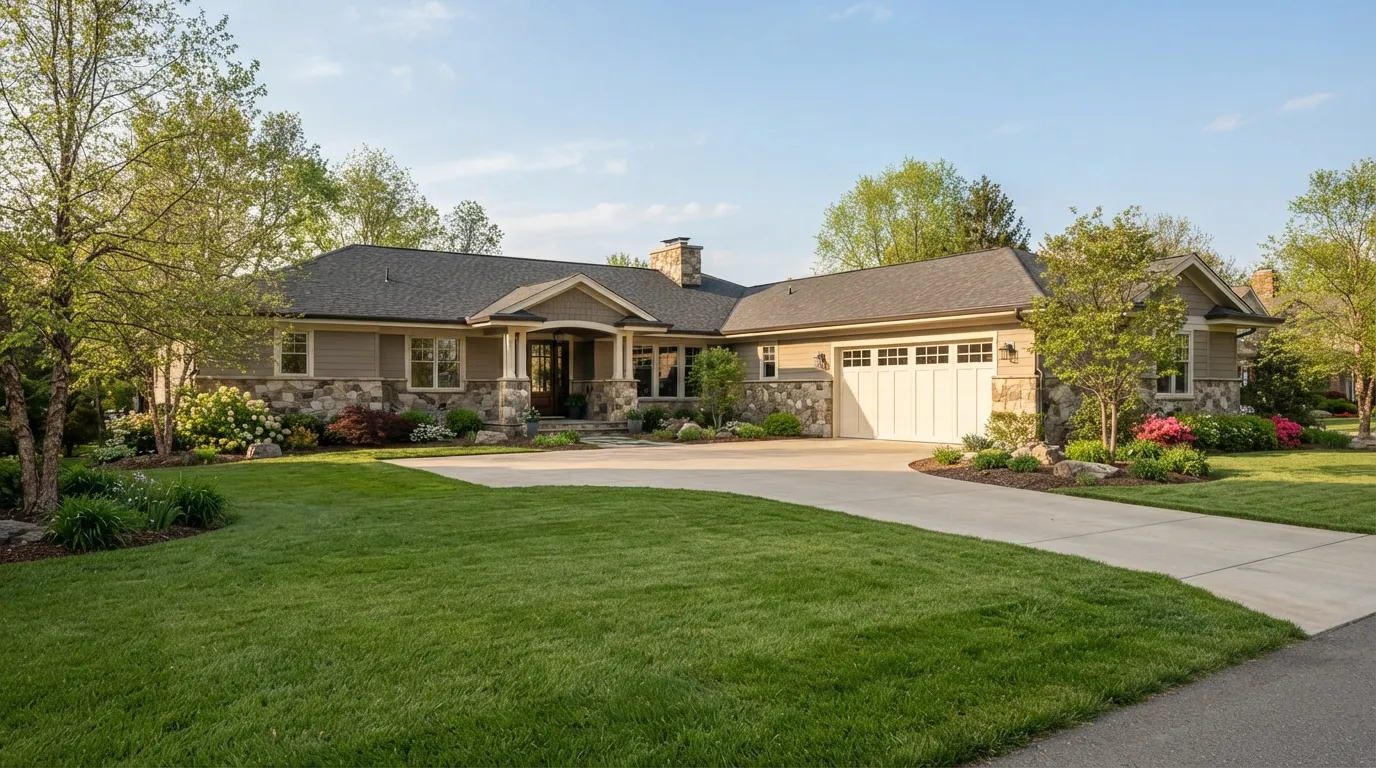
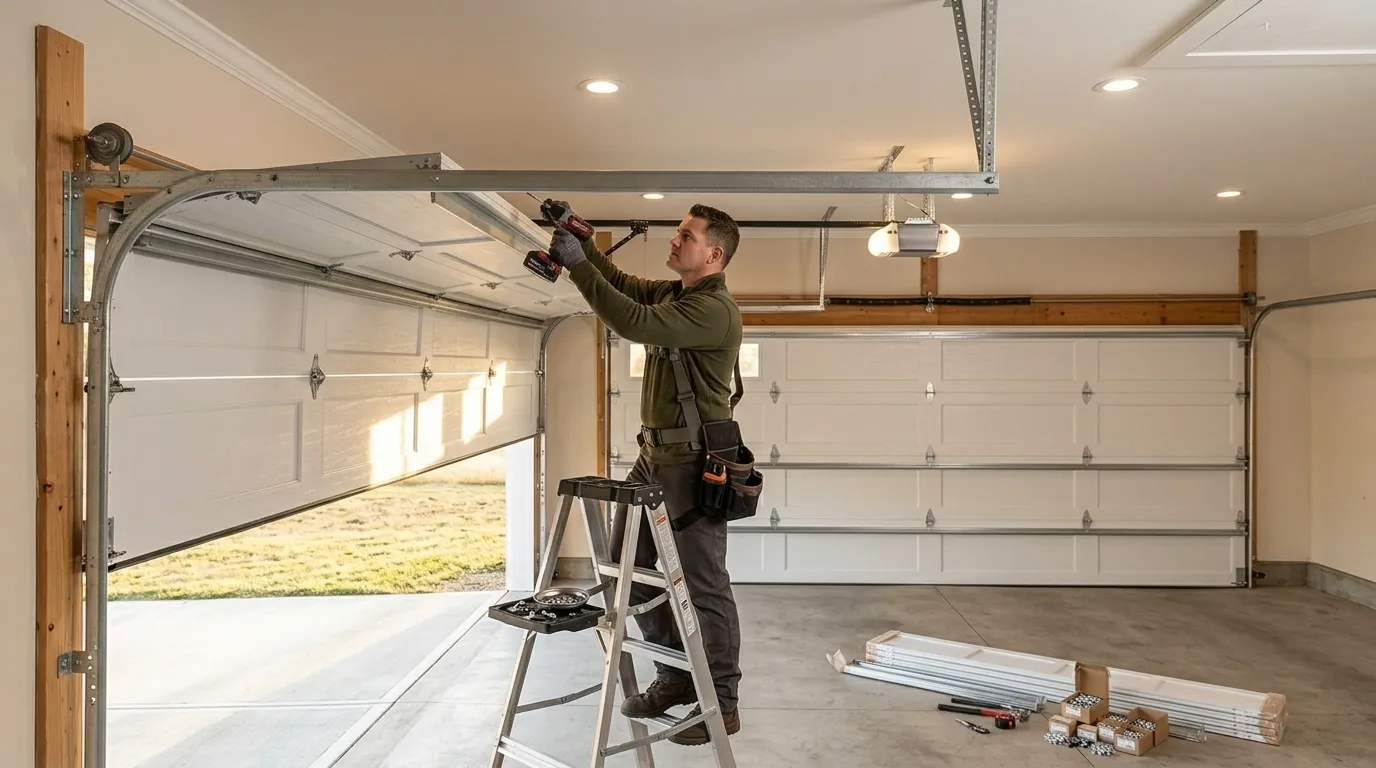
DeForest households run a median income of $106,223, noticeably higher than the wider service area's $98,943. That number matters because it changes where the repair-or-replace line actually falls. On a house at this income level, a $300 spring job is an easy yes, and a $1,800 opener-and-track overhaul isn't the stretch it is elsewhere - homeowners here more often choose to fix the whole system right rather than patch one part and wait for the next failure. That doesn't mean every job here is a big one. A broken torsion spring on a single door is still a spring job, not a door replacement, regardless of what the house down the street is worth. But when a torsion spring goes on a door with a worn-out opener and a track that's been out of adjustment for two years, the math changes - and DeForest's income profile means more of those jobs end in a full swap instead of a stopgap repair. We quote both ways and let the numbers, not a sales pitch, make the call.
Why It Happens Here
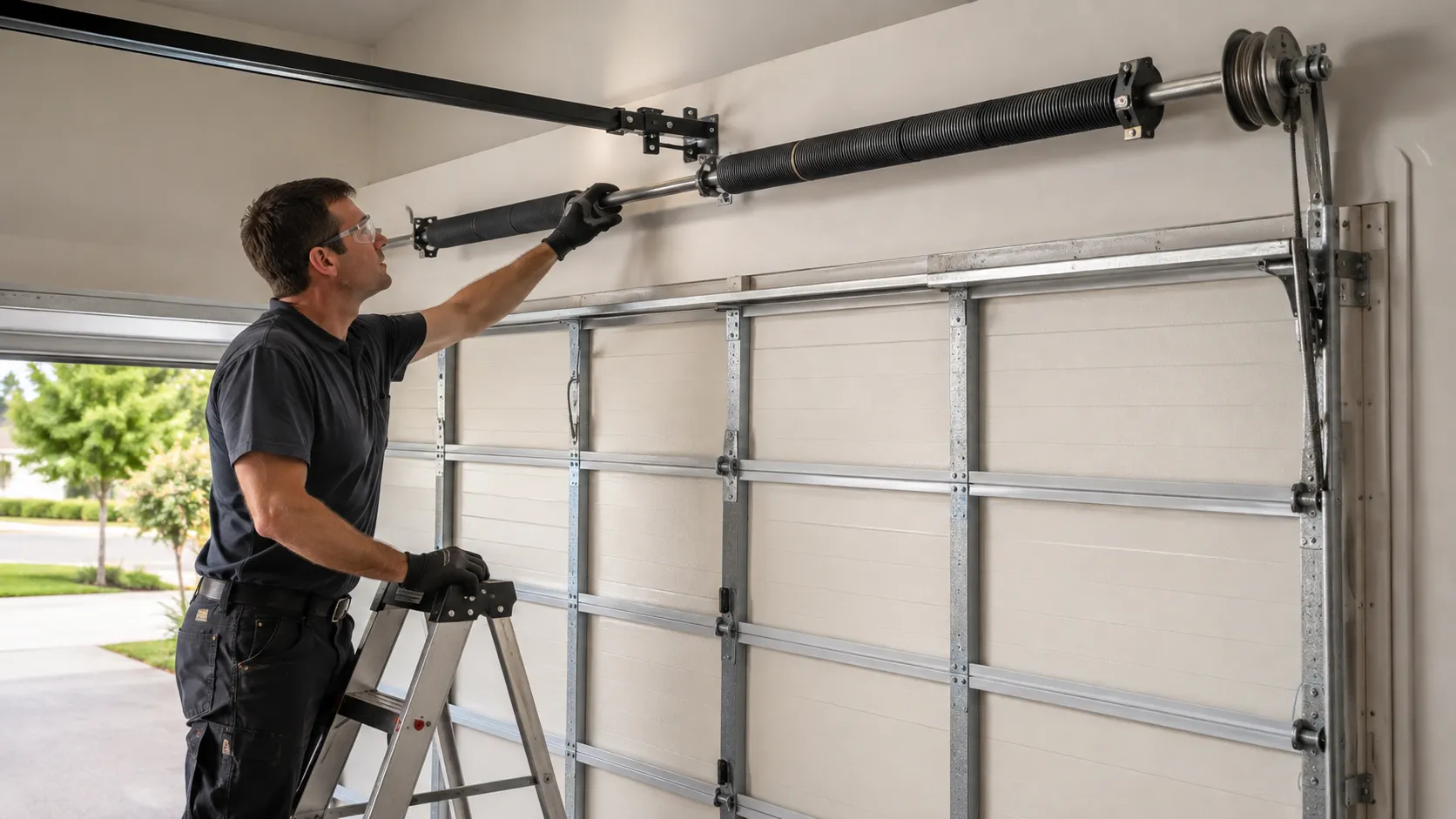
Most houses in DeForest went up around 1992, close to a decade newer than the 1986 median for the wider service area, and newer than the 1959-2001 range that covers most of the housing stock we work in. That means the springs and openers on a typical DeForest door were installed under a different set of codes and a different generation of hardware than what you'll find in the older pockets of the service area. Fewer original one-piece doors on side-mount torsion here, more sectional doors on center-mount torsion with extension springs still hanging on in the earlier end of that build range. The failure pattern follows the hardware: torsion springs cycling out after 10,000-15,000 cycles, nylon rollers cracking in cold, and openers from the 1990s hitting the end of their circuit board life around now. Winters here sit in the same COLD severe band as the rest of the region, so steel fatigues faster on any door regardless of build year - but a 1992 door has fewer of the compounding problems (rusted-through track, rotted jamb, delaminated panels) that show up on the pre-1970 stock elsewhere in the area.
Can You Do This Yourself
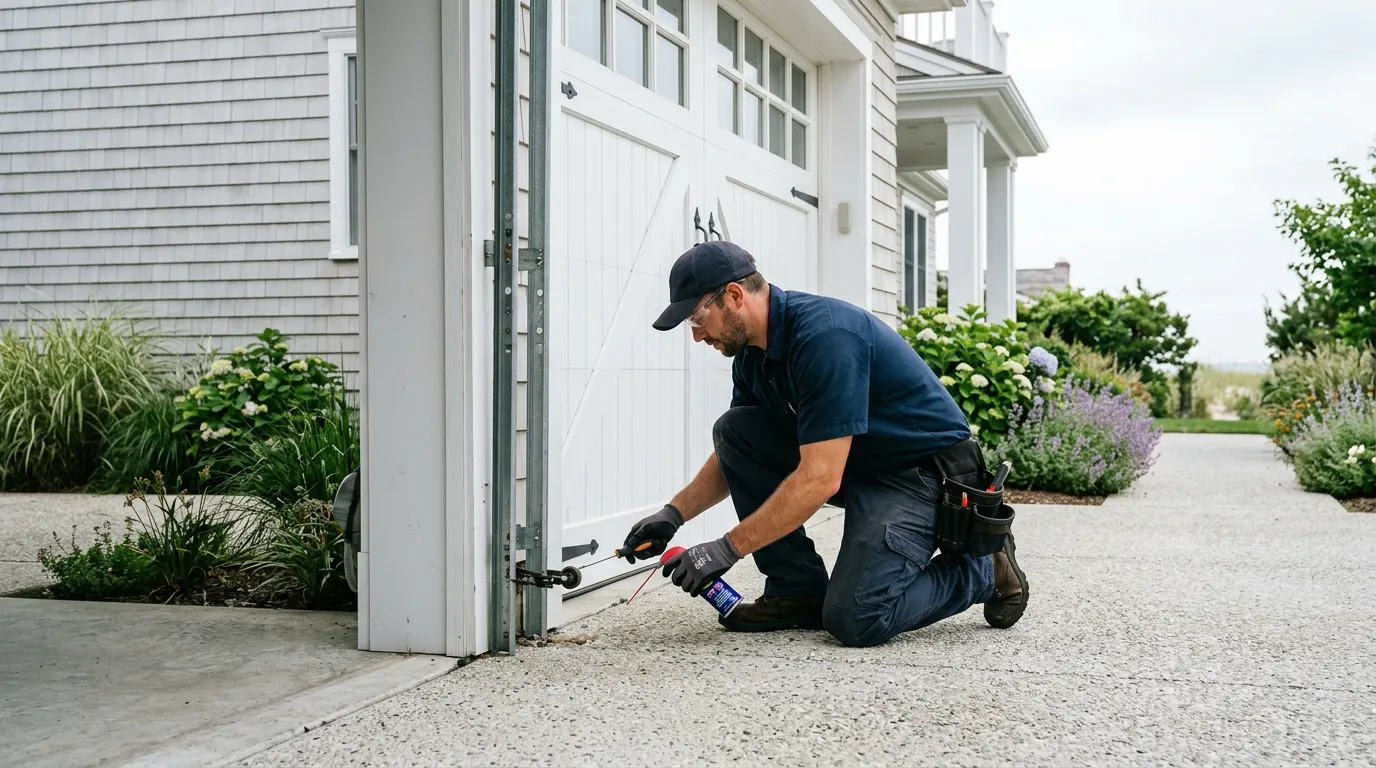
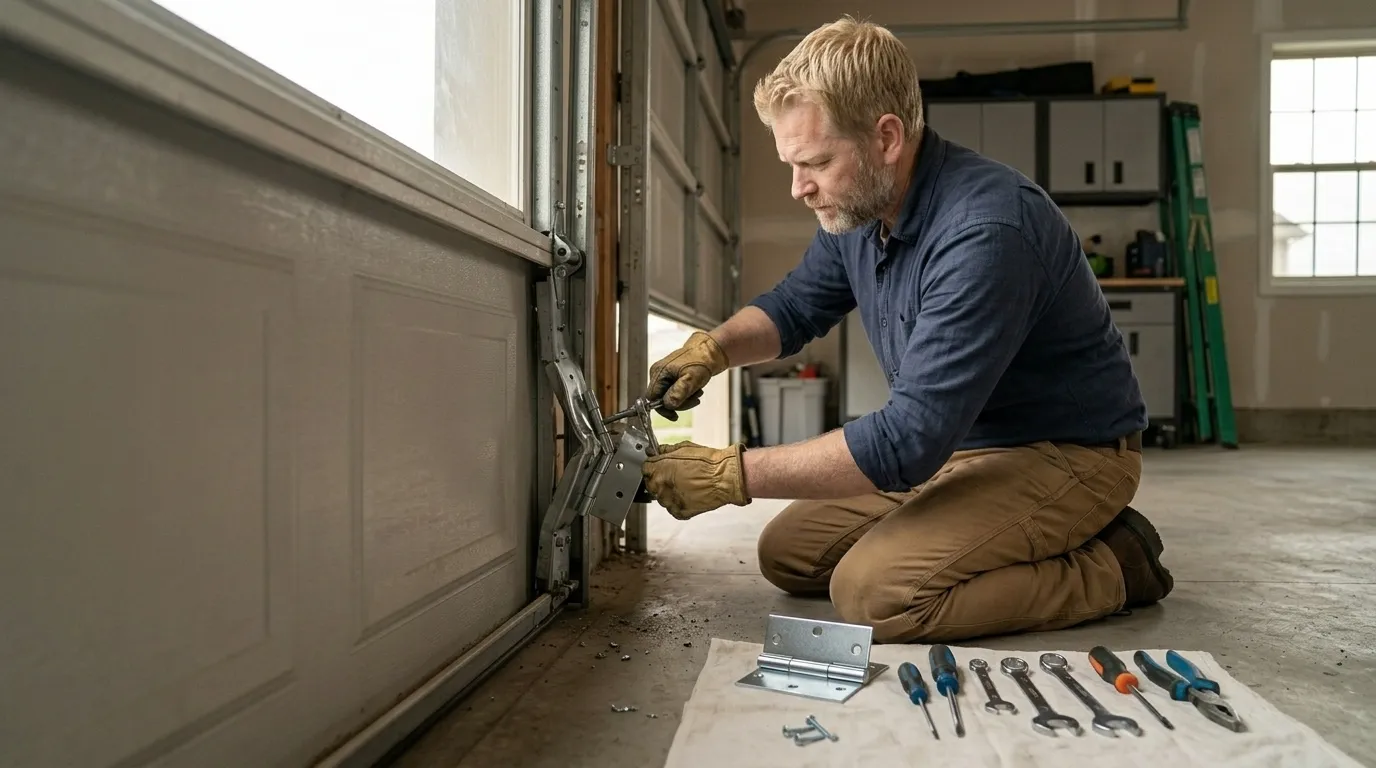
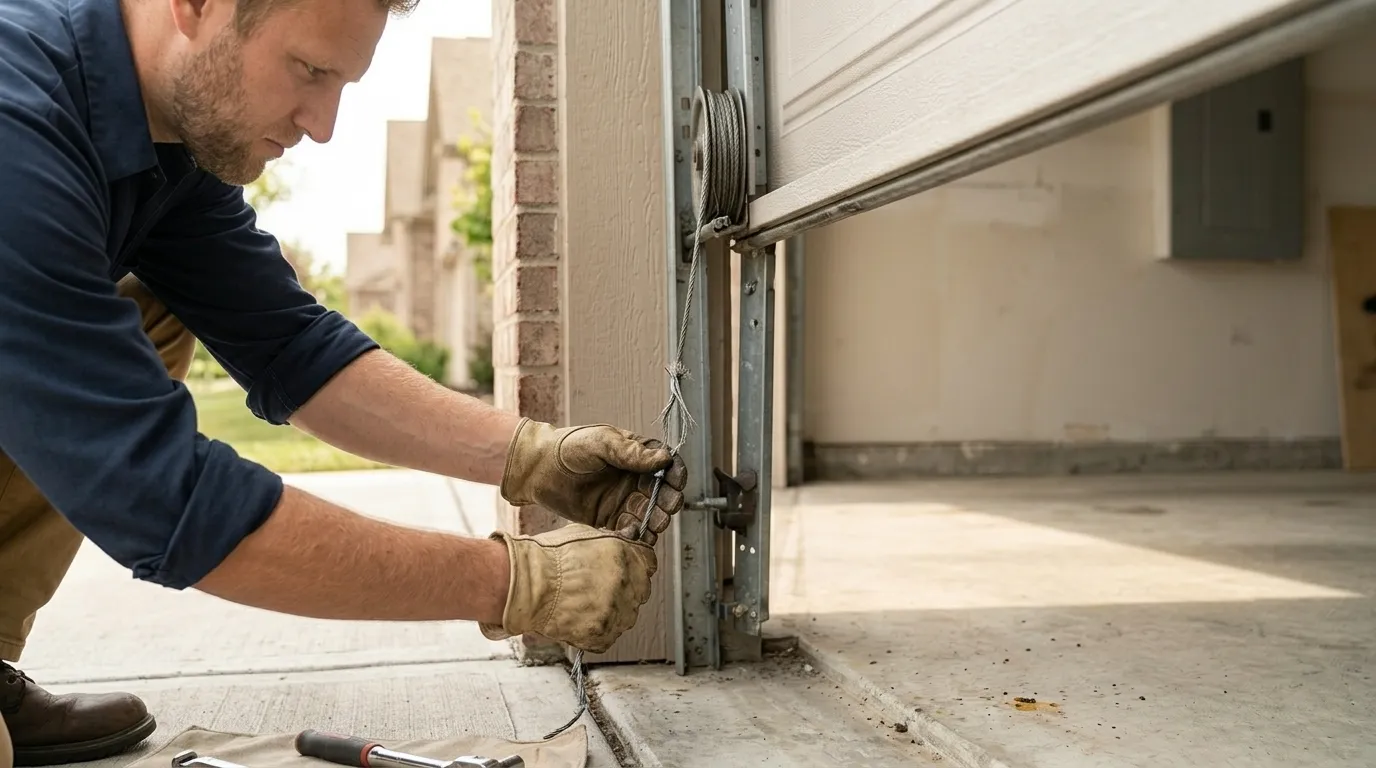
Roller replacement and lubricating hinges and track - fine, a homeowner with basic tools can do that safely. A torsion spring is not that job. It's wound under enough tension to break bones or worse, and the winding bars and clamps needed to do it safely aren't something most garages have lying around. Opener board diagnosis is also a poor DIY candidate on a 1990s-era unit - by the time you've spent an hour testing wall switches and sensors, you've spent what the service call would have cost. Where DIY genuinely pays off: weatherstripping and simple hardware tightening. Where it doesn't: anything involving a spring under tension or a door off its track.
How It Shows Up
The most common call from DeForest is a door that won't open past a few inches, then reverses - that's almost always a spring that's lost tension, not a motor problem, even though it feels like the opener failed. Second most common: a grinding or popping sound on the way down, usually a roller that's cracked from cold-weather cycling. Third: an opener that runs but the door doesn't move, which on a unit from the early-to-mid 1990s often means the drive gear has stripped, a known wear point for that generation of chain-drive opener. None of these are emergencies that need a truck at 2 a.m., but none of them get better if you wait, either - a spring that's lost half its tension puts double the load on the other one.