The Cost of This Job
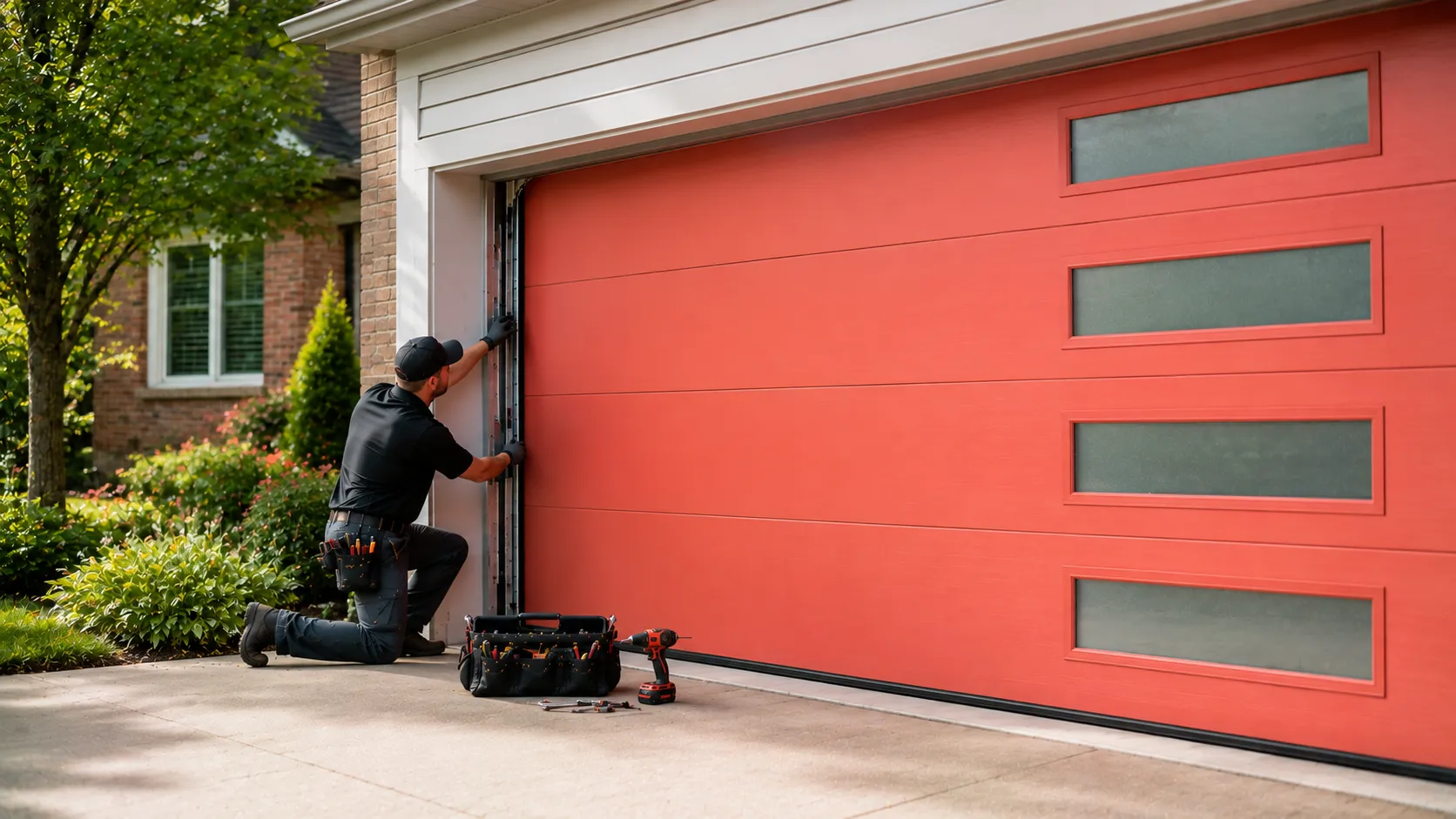
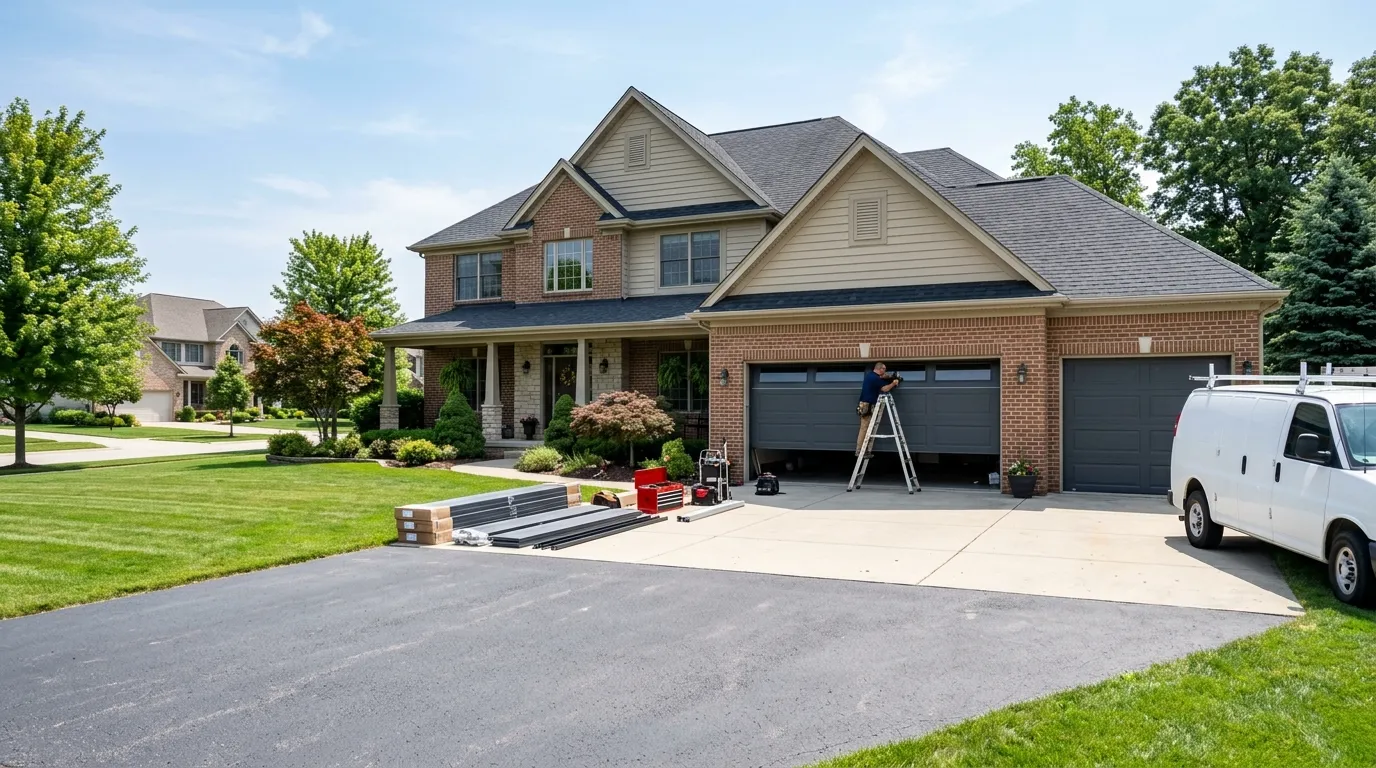
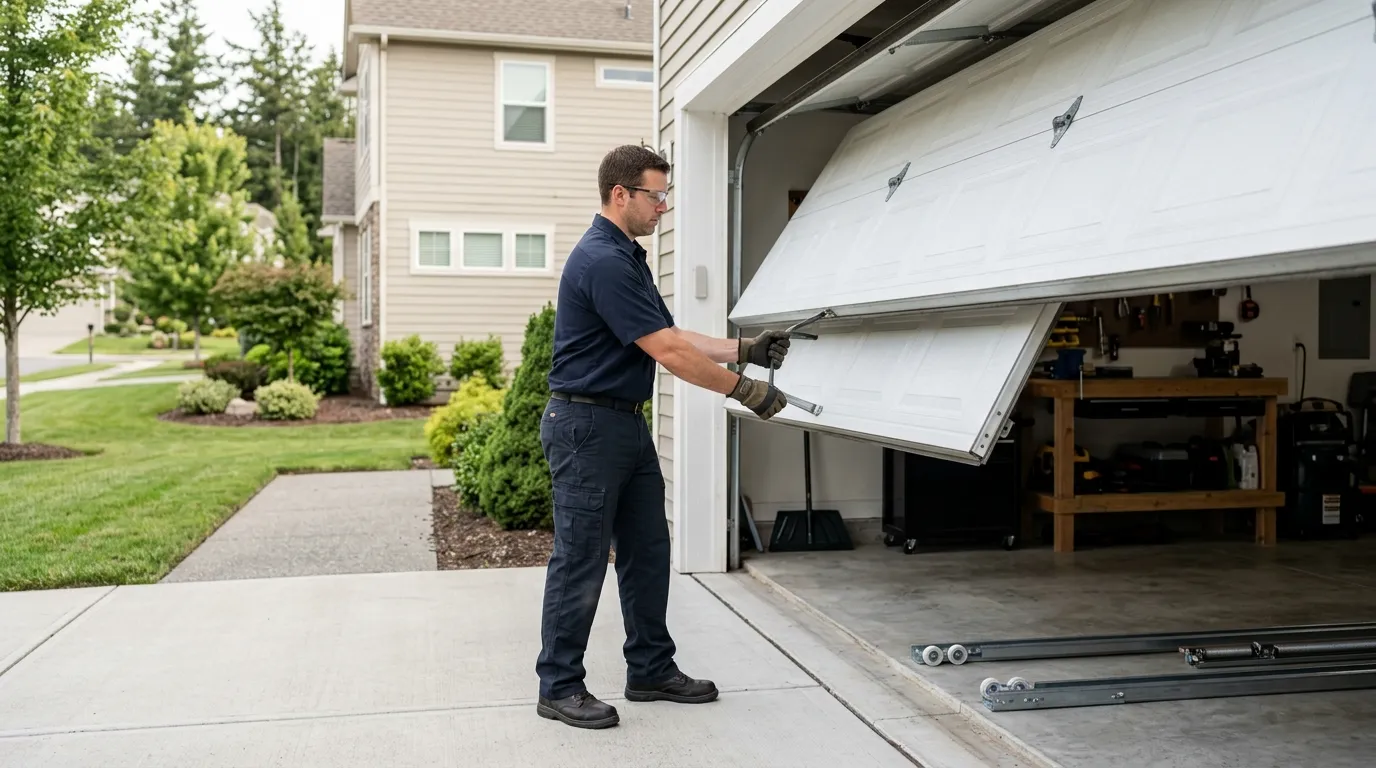
A straight roller swap on a standard double door is a smaller job than most people expect, and it's usually priced by roller count and material rather than by the hour. Steel rollers with sealed bearings cost more per unit than plain nylon, but they hold up longer in a Wisconsin winter, which matters more here than it does somewhere with a milder climate band. If the truck finds bent track, worn hinges, or a cable riding wrong once the panel's open, that's a separate line item - we won't fold it into a roller quote without telling you first. We don't carry every roller spec on the truck; some sealed-bearing sizes for less common opener brands need a day to order in, and we'll tell you that on the phone, not after we've already opened the door.
Why It Happens Here
DeForest's housing stock centers on 1992, a few years newer than the median across the wider Sun Prairie service area, which runs 1959 to 2001 with a midpoint closer to 1986. That gap matters for roller work: doors built in the early '90s came standard with steel-track sectional systems and plastic or nylon rollers rather than the older steel-wheel-on-steel-track setups still common on the area's oldest houses. Nylon rollers from that era are now over thirty years old on original hardware - well past their working life even without a fault - and they're the first thing to start grinding, especially once cold makes the plastic brittle. The service area sits in a cold-severe climate band, and temperature swings are hard on any roller that isn't sealed against grease loss.
Can You Do This Yourself
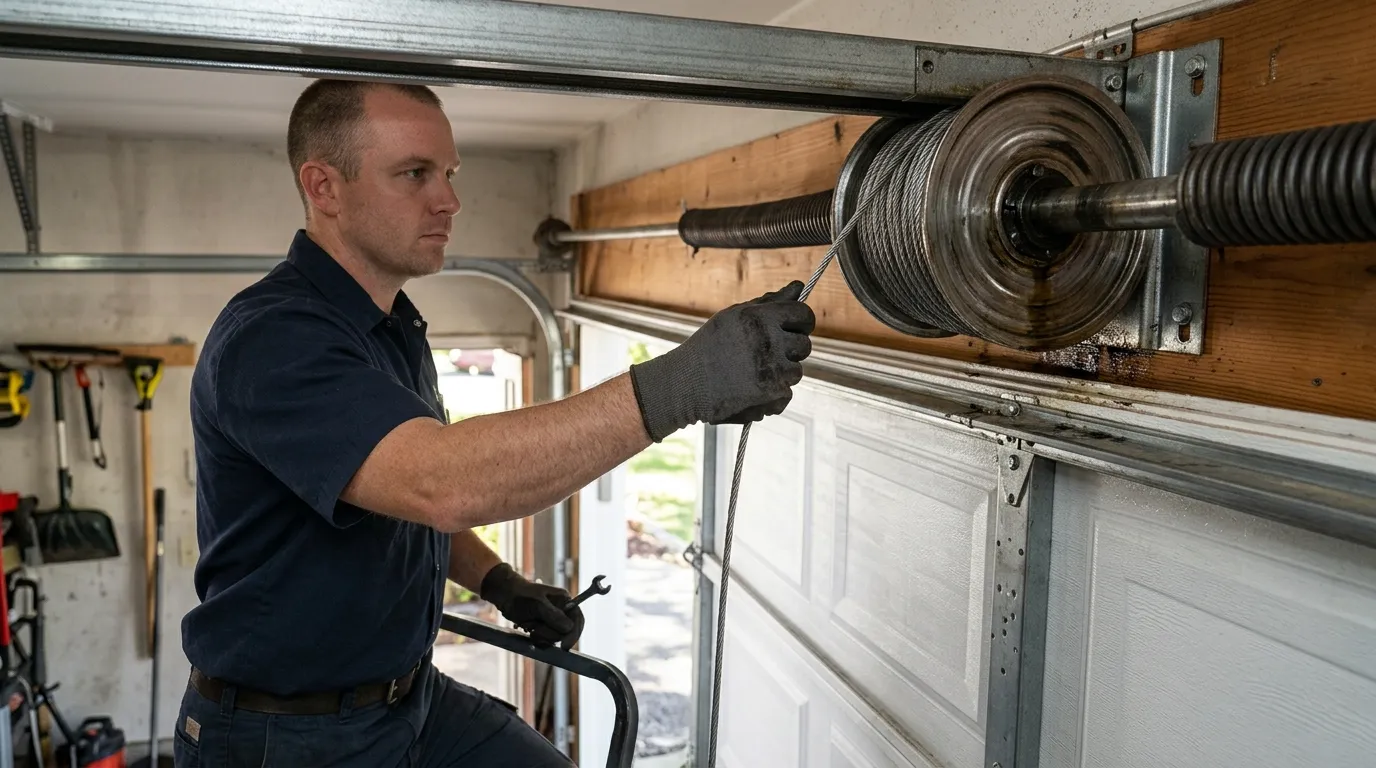
Swapping a roller on an open door with the spring already relaxed isn't beyond a homeowner with basic tools, if you can get the roller stem out of the track bracket without forcing it. Where people get hurt is on the bottom rollers near a wound torsion spring, or on a door that's already sagging on one side - the tension in that system doesn't announce itself before it lets go. If you're not sure which rollers are original 1990s stock and which have been swapped already, that's worth a look before you buy parts, since mixed roller types on one door track differently and can mask a bigger problem.
How It Shows Up
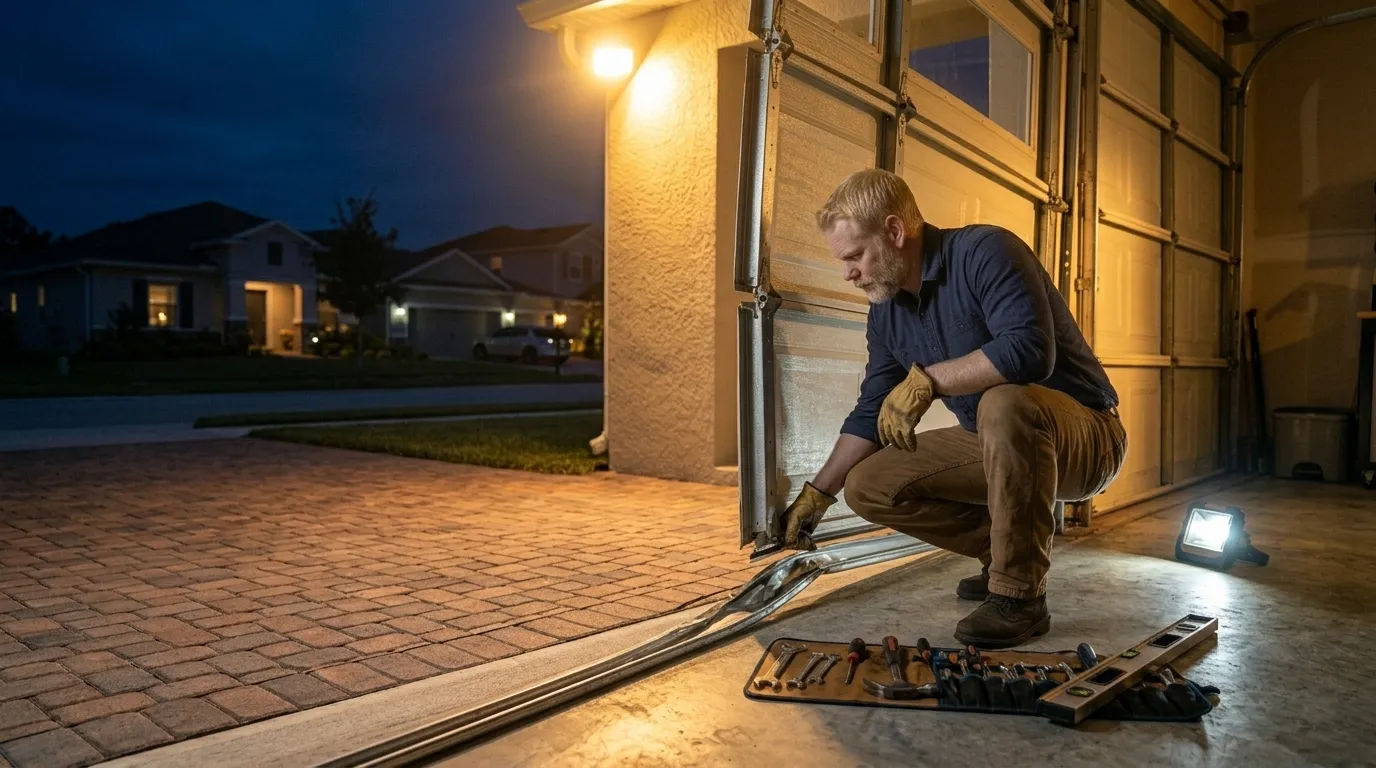
On a door built around 1992, the first sign is usually noise - a grinding or squeal that gets worse as the door nears full open or full close, right where the roller carries the most weight through the curve of the track. You might also notice the door hesitating or jerking at one specific point in the cycle every time, which usually means one roller has seized or cracked rather than the whole set wearing evenly. Left alone, a bad roller starts chewing a groove into the track itself, and at that point you're paying for track, not just rollers.