The Cost of This Job
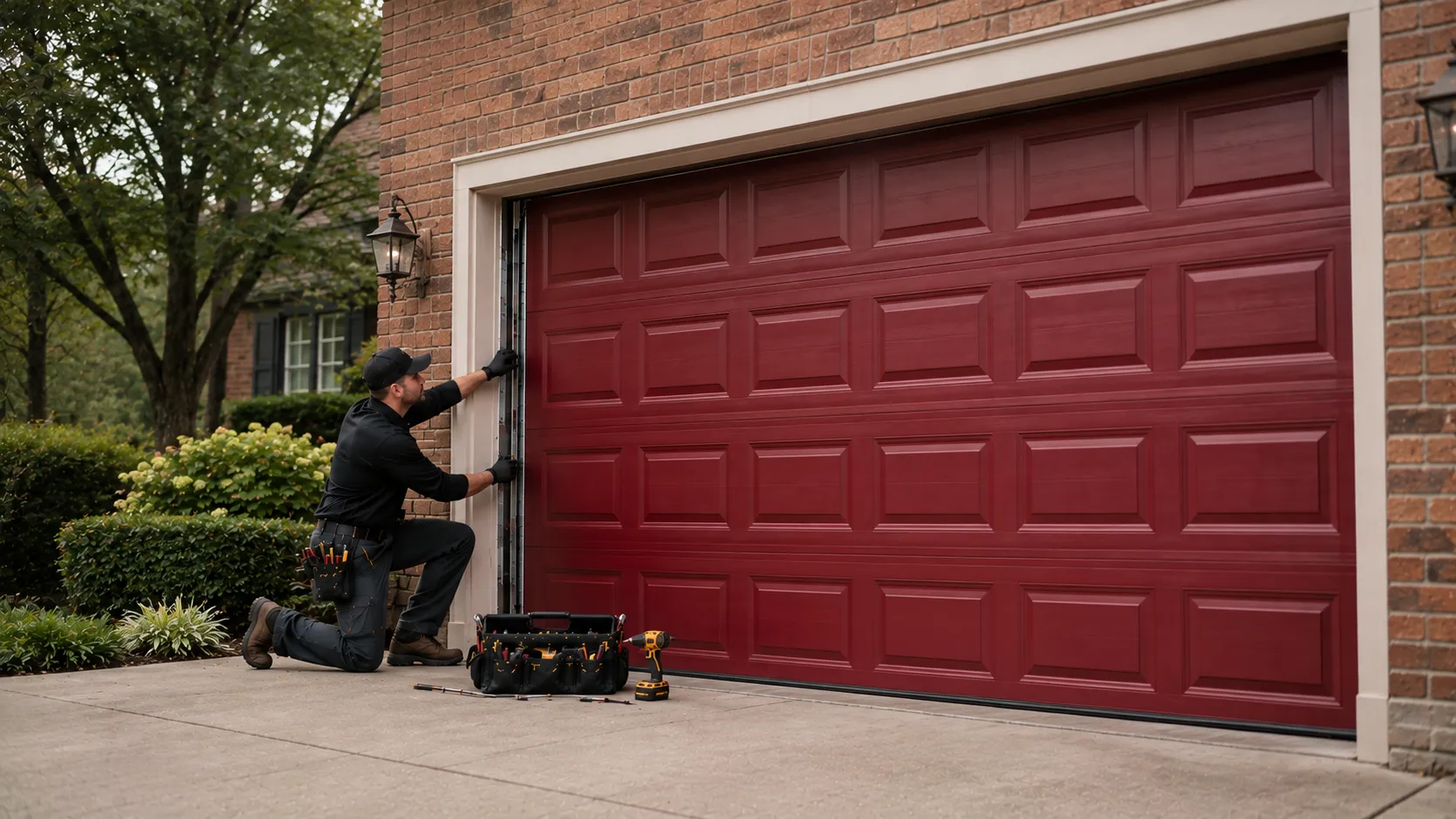
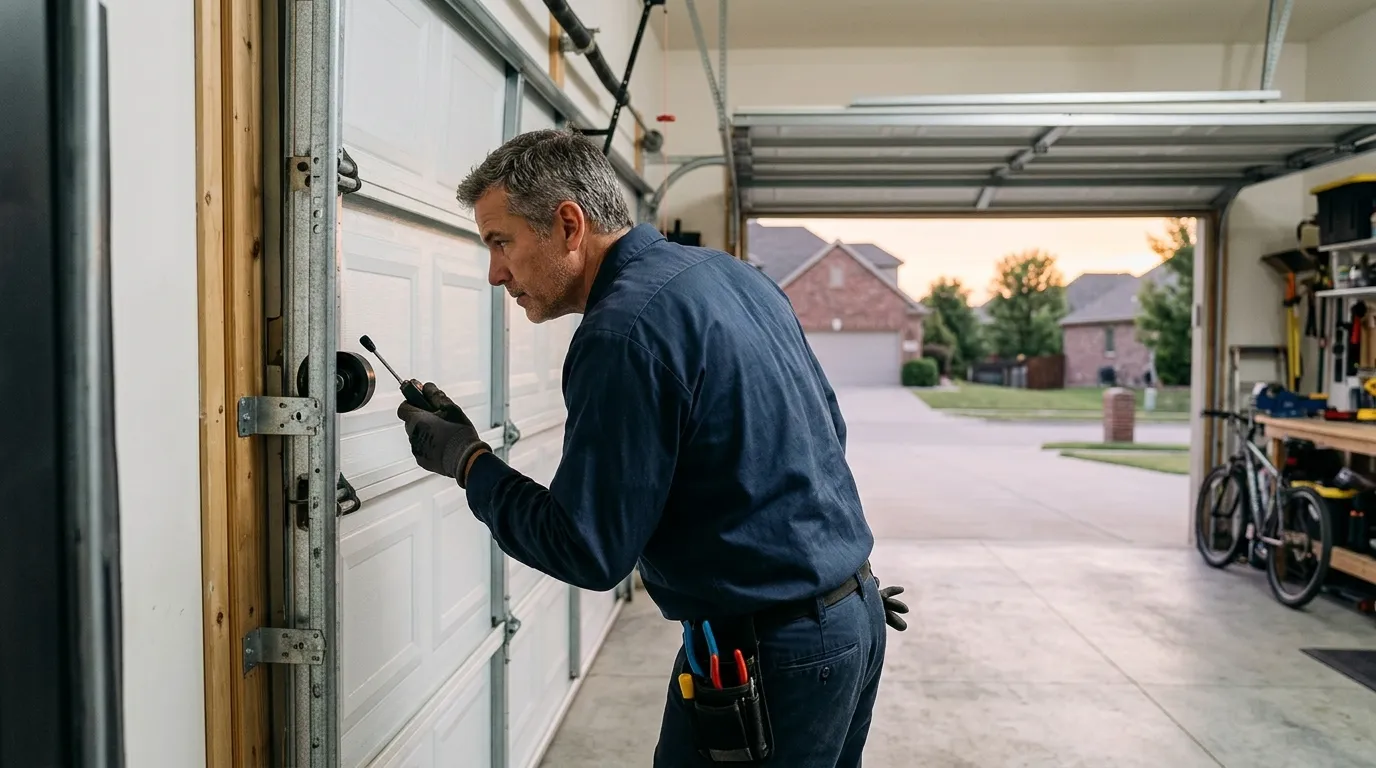
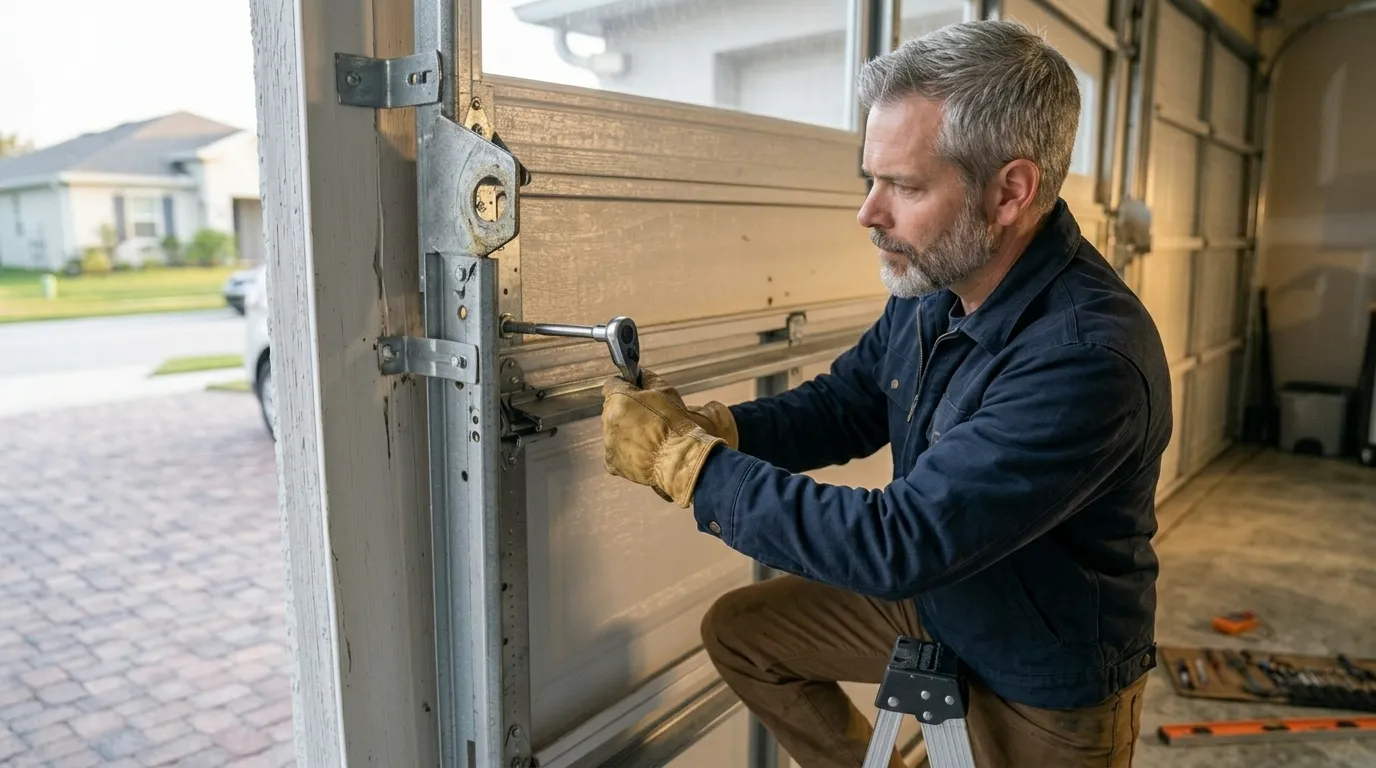
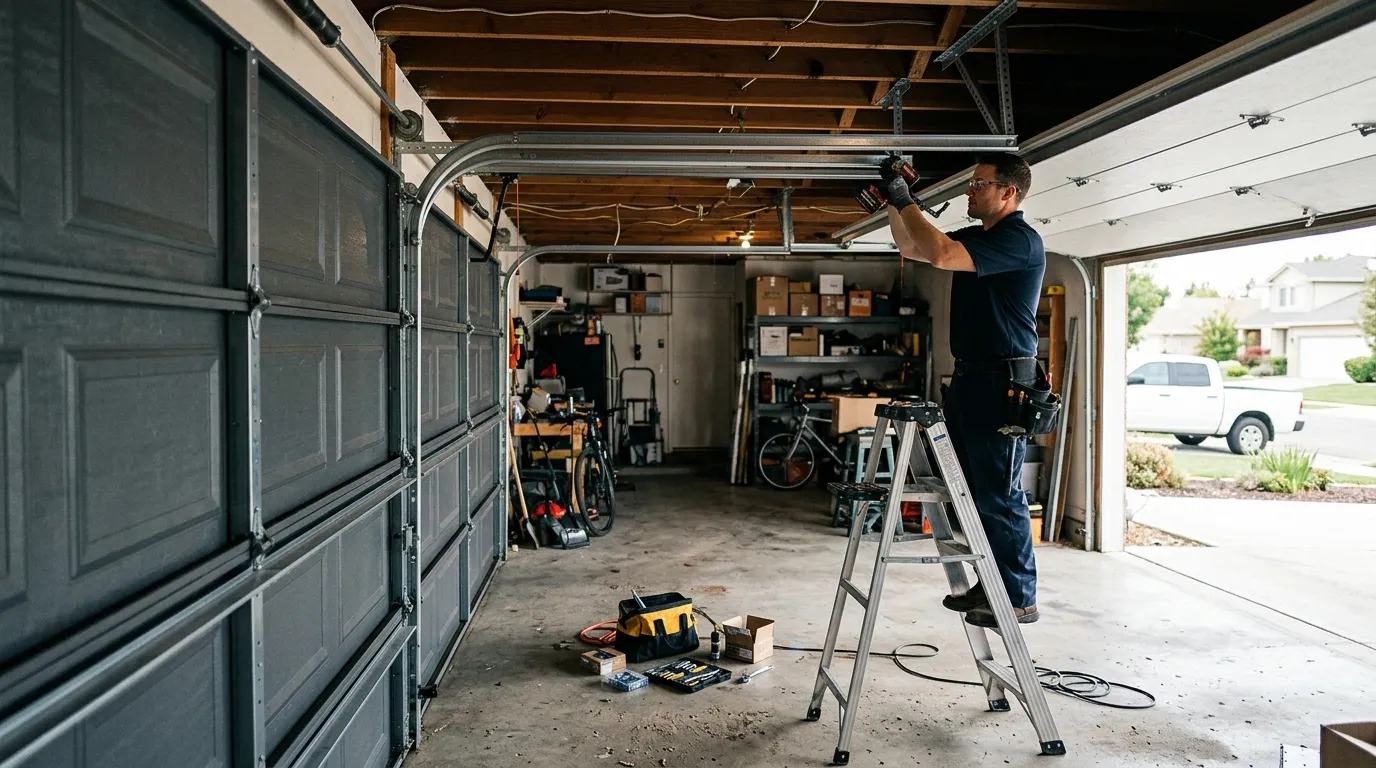
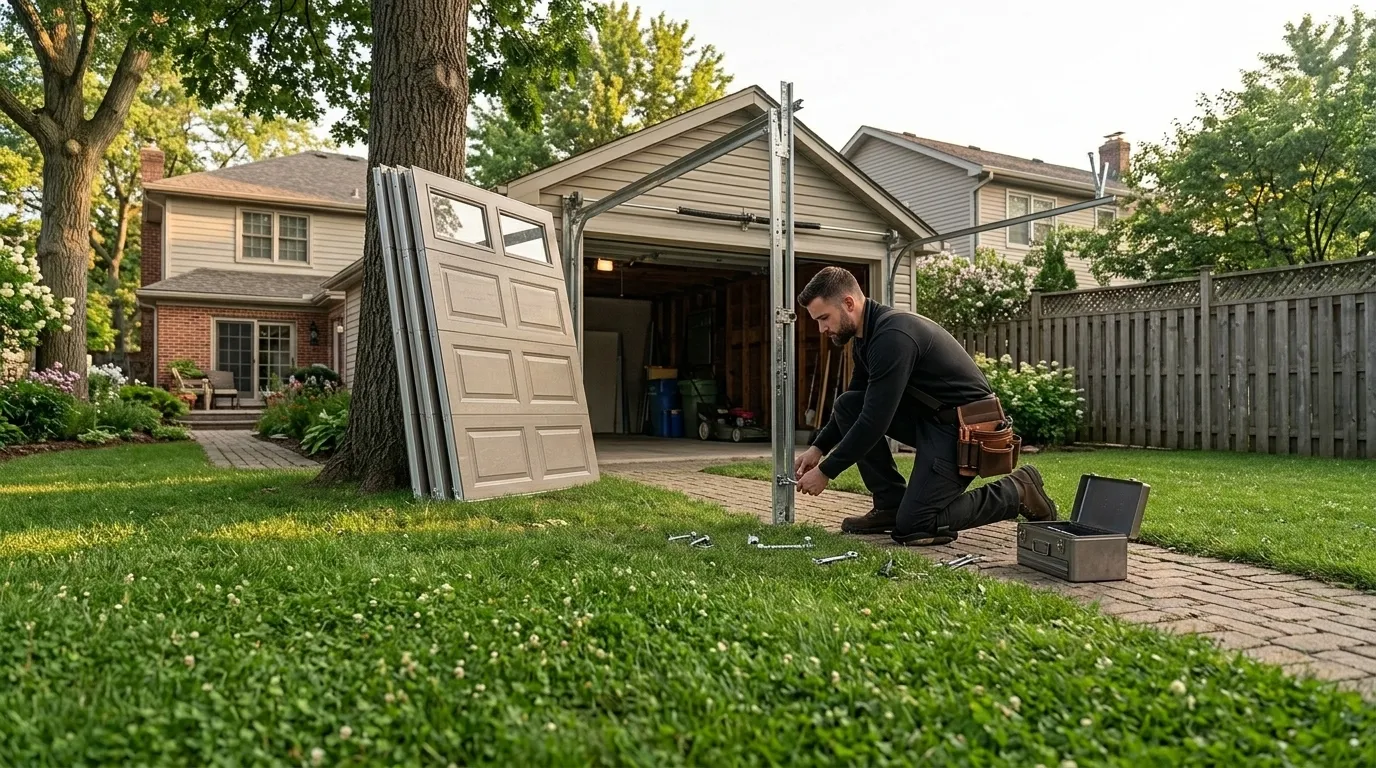
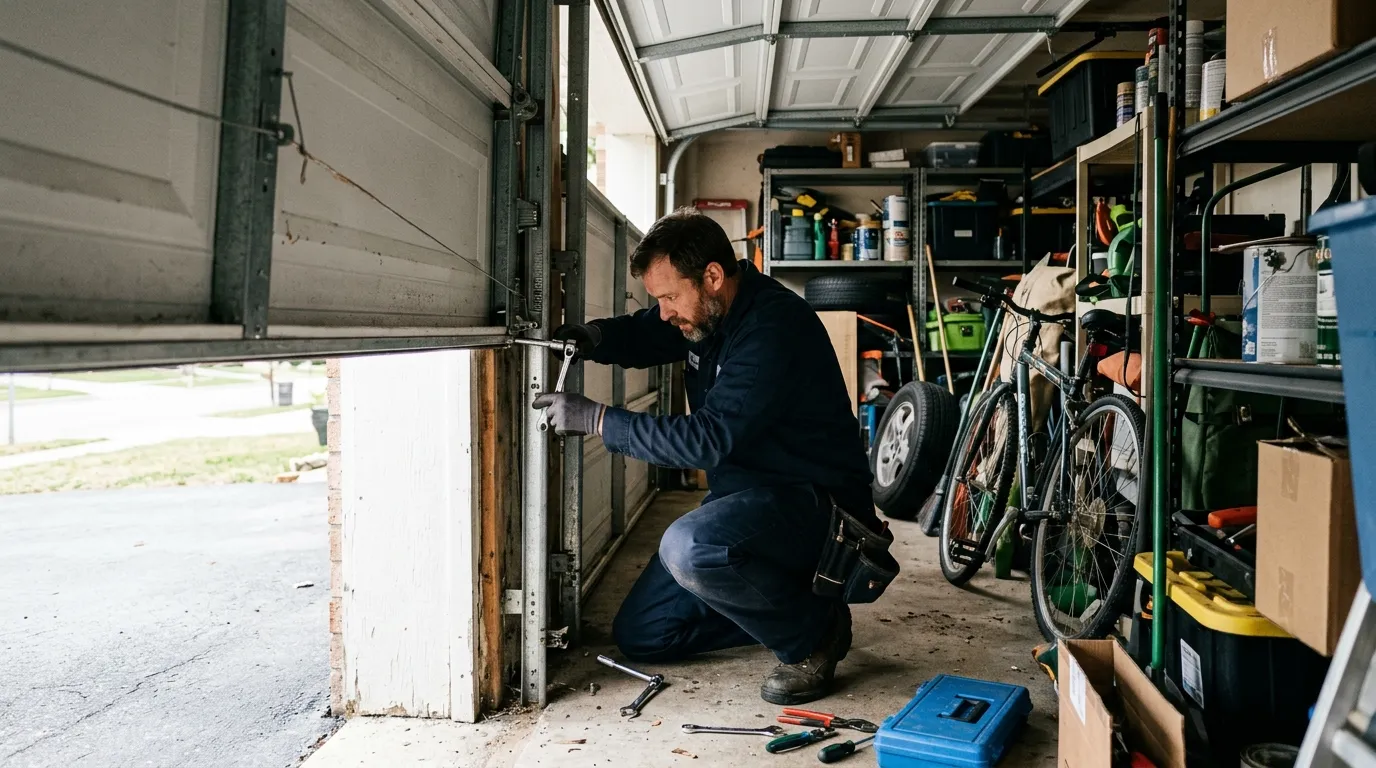
A standard maintenance visit covers what a door built in the early 1990s actually needs: lubricating rollers and hinges, checking spring tension, tightening loose hardware on the track, and testing the opener's force settings and safety reversal. We don't have a DeForest-specific price to quote you here - pricing depends on what we find once we're looking at the door, and posting a number that isn't tied to your actual unit would be a guess dressed up as a fact. What we can tell you is that a door original to a 1992 build has had three decades of cable and pulley wear that a newer door hasn't, so plan on the visit taking a bit longer than a tune-up on a 2015 install.
The honest limitation here: if the visit turns up a cracked panel or a spring that's already stretched past spec, maintenance stops being the right call and replacement parts enter the conversation. We'll tell you that on site rather than trying to patch something that's done.
Why It Happens Here
DeForest's housing mostly dates to around 1992, which puts a lot of garage doors and their openers at over 30 years old with nobody having touched the hardware since the builder walked off the job. Chain-drive openers from that era don't have the safety sensors or force-limiting features that became standard later, and torsion springs rated for a 10,000-cycle life are well past that count by now.
The area also sits in a cold-severe climate band, which matters more here than it would somewhere milder. Cold contracts steel cable and hardens old grease into something closer to wax, so a spring or roller that's marginal in October can seize or snap on the first hard freeze. With roughly 4,268 households in DeForest, a meaningful share of them are running that same original 1992-era setup without ever having had it inspected.
Can You Do This Yourself
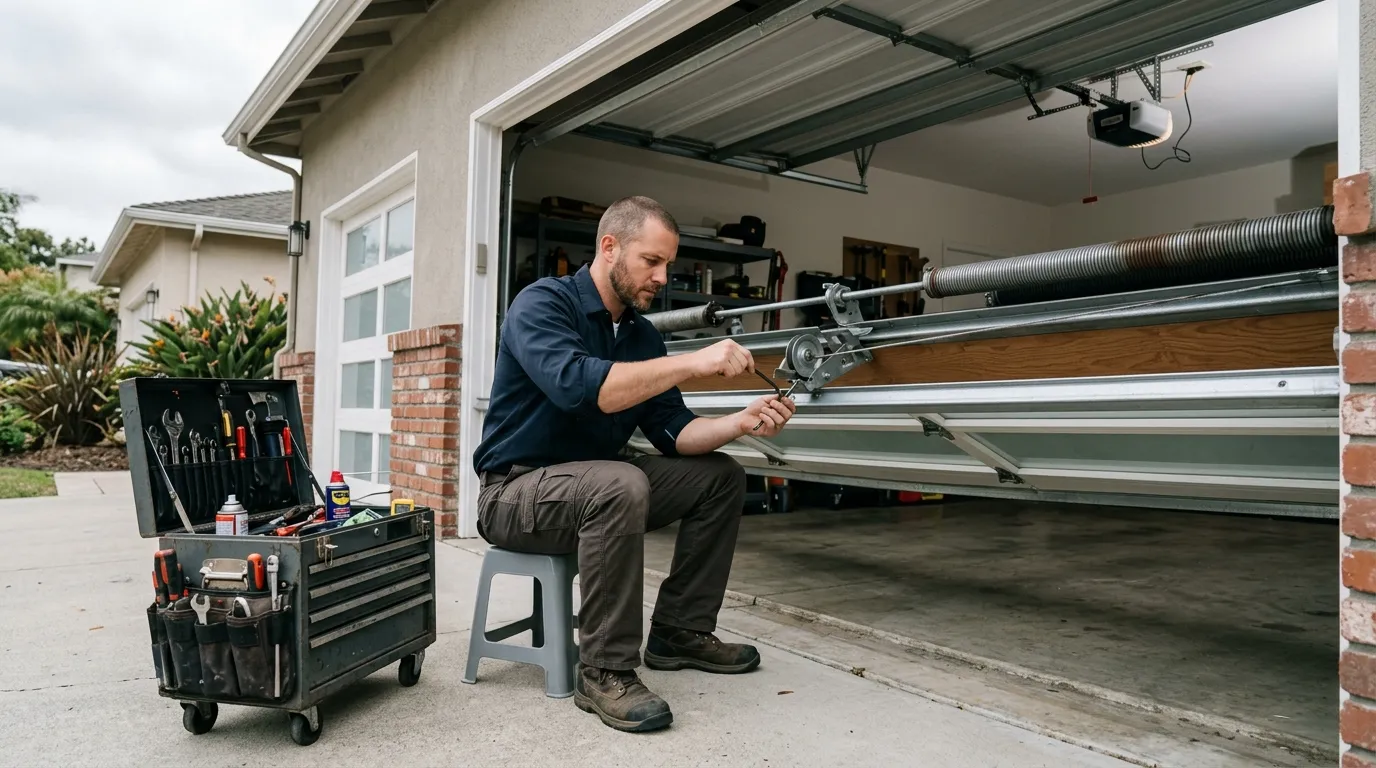
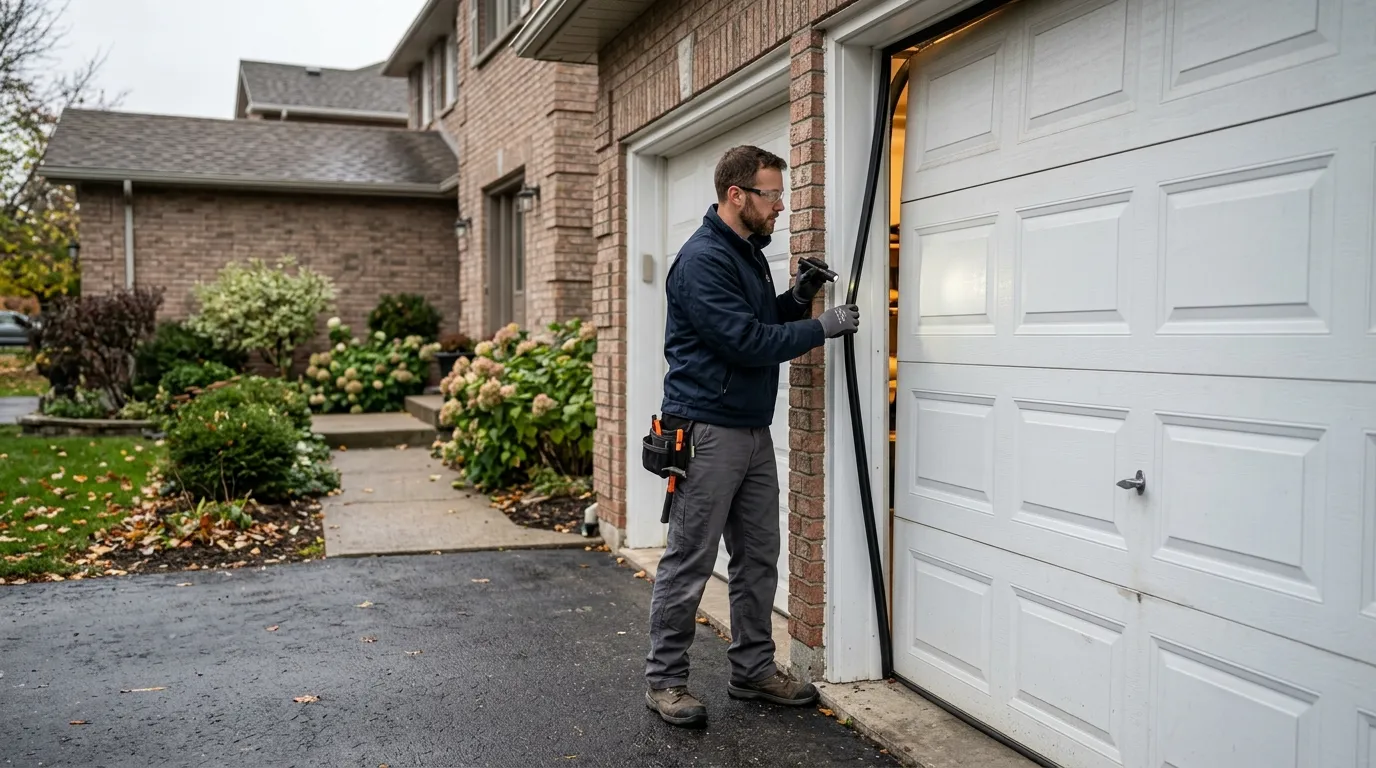
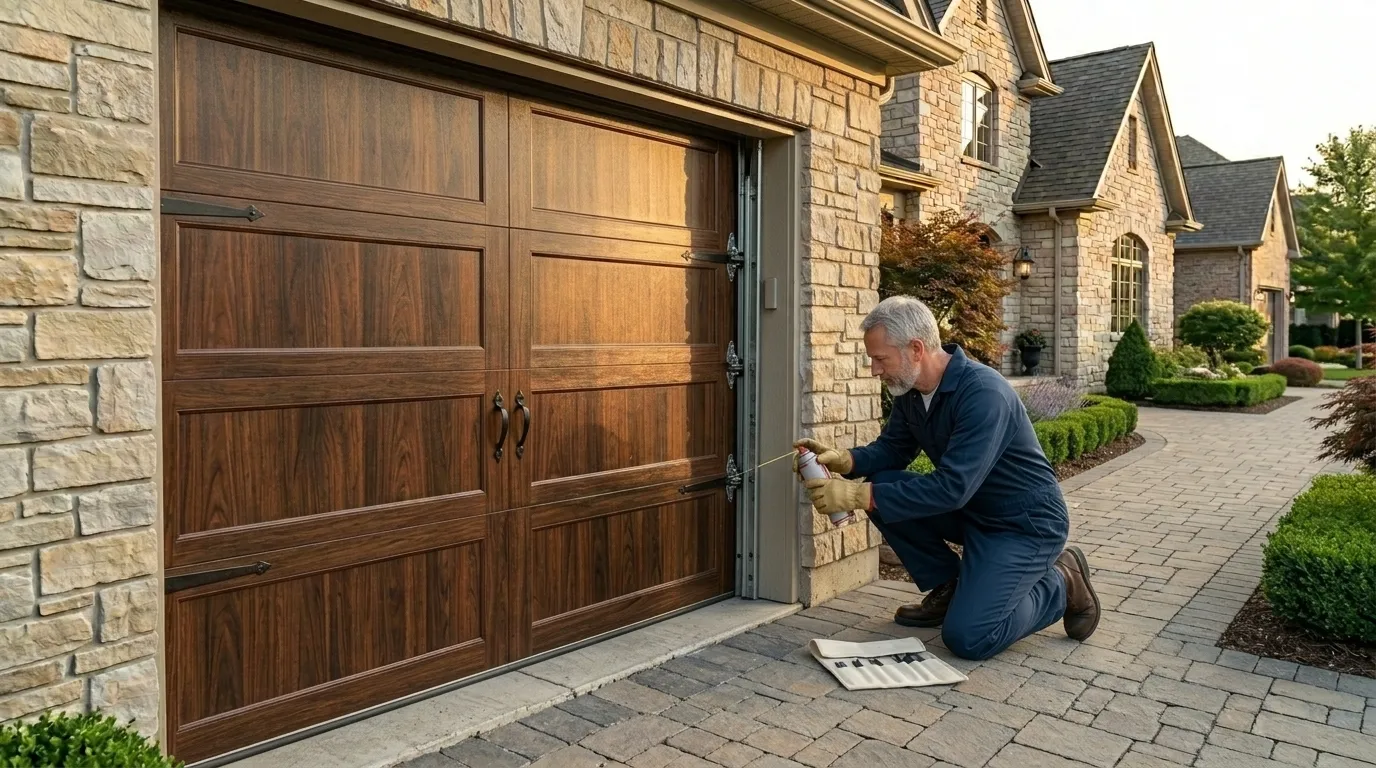
Lubricating hinges and rollers, keeping the track clear of debris, and visually checking for frayed cable are all things a homeowner can reasonably do without a truck showing up. What isn't a DIY job is anything involving the torsion spring itself - the cone, the winding bars, the cable drums. A spring that's been under tension since 1992 stores enough energy to break a hand or worse if it lets go while you're working near it.
If you're not sure whether your door's original hardware is safe to touch, that uncertainty is itself the answer: leave it. The honest limit here is that we're not local to DeForest - we come from Sun Prairie, about 6 miles out - so we're not going to pretend we can swing by same-day for a quick look. Scheduled visits work; drop-everything visits for a DIY project gone sideways don't.
How It Shows Up
On a door original to 1992, the first sign is usually noise - a grinding or popping from the spring area that wasn't there a year ago, or a chain-drive opener that's gotten louder as its gears wear. The next sign is the door catching or jerking partway through its travel, which points to an unevenly worn cable drum or a roller that's finally given out.
A door that closes and immediately reverses, or won't close at all, often means the opener's safety sensors have drifted out of alignment - common on units old enough to predate today's tighter sensor standards. And if the door feels noticeably heavier to lift by hand than it used to, that's a spring losing tension, not a door getting heavier. None of these are emergencies on day one, but on original 30-year-old hardware, they don't get better on their own.