The Cost of This Job
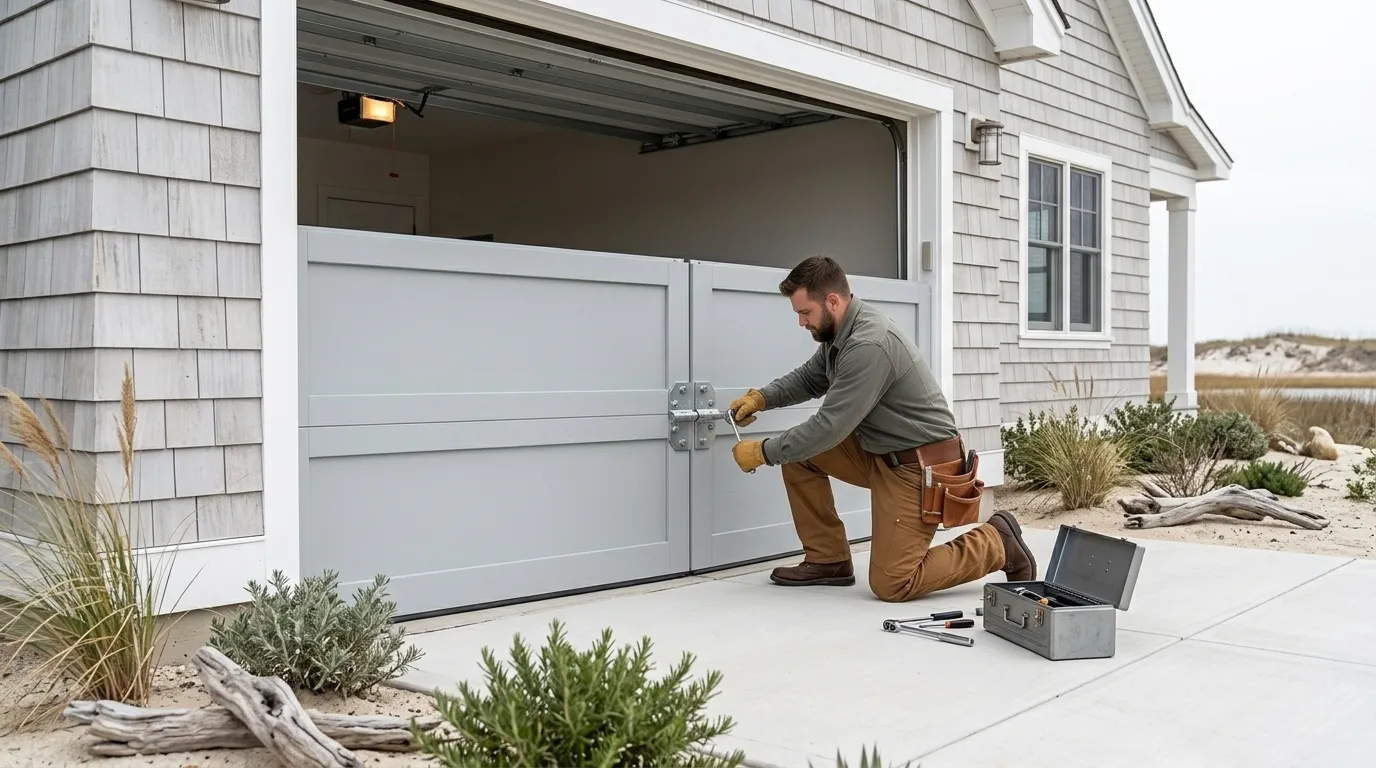
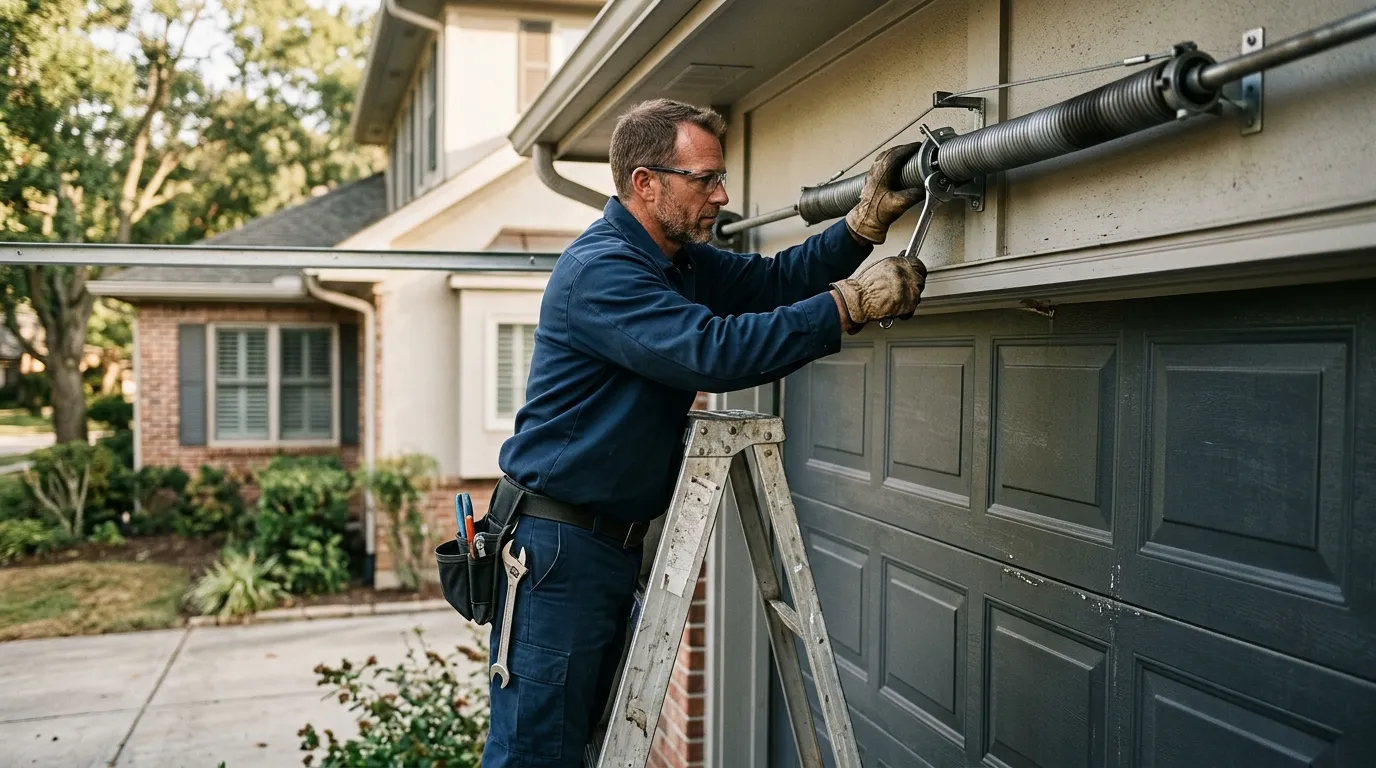
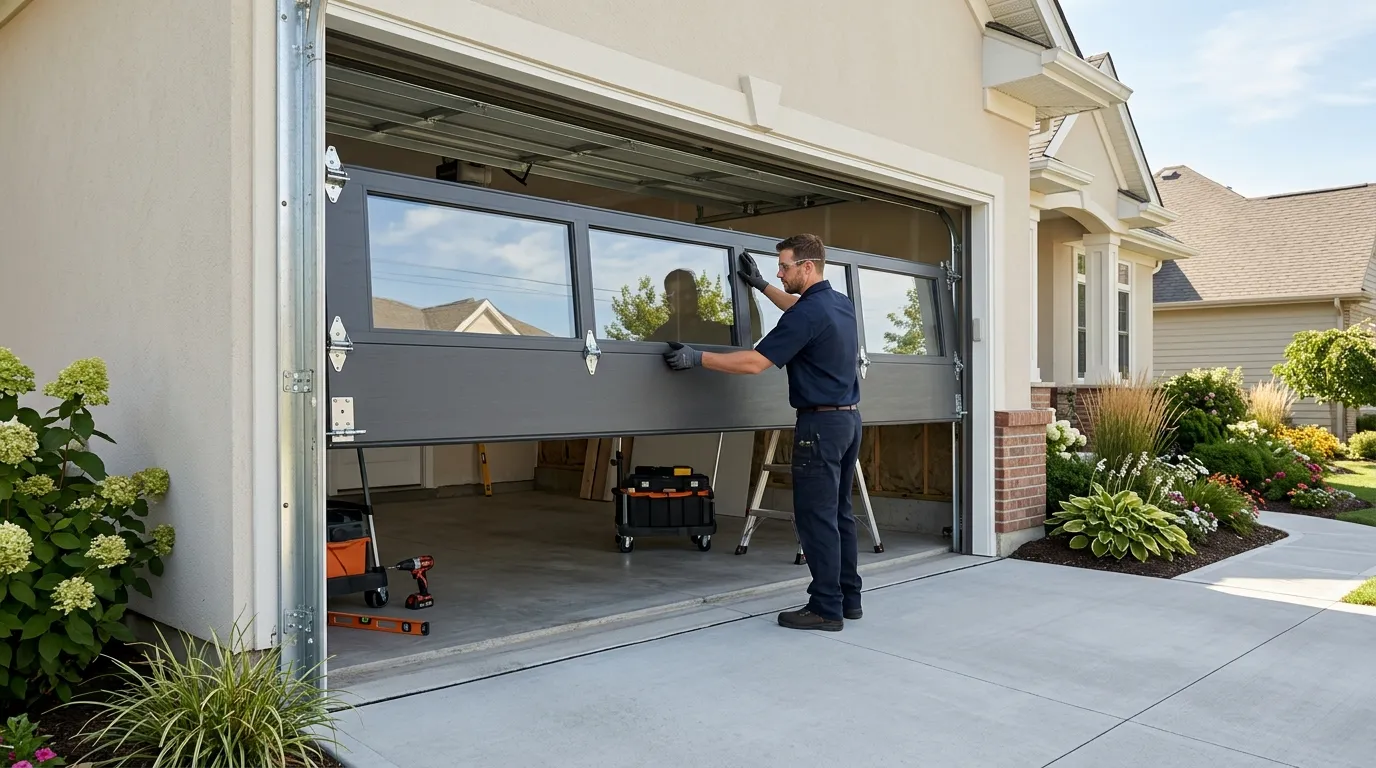
DeForest sits six miles from our Sun Prairie shop, close enough that the drive doesn't add a trip charge to the job the way it might for towns further out on our list. What changes the price here is the hardware, not the mileage. Houses in DeForest were mostly built around 1992, which puts almost all of them past the point where builders had switched to torsion springs mounted above the door instead of the older extension-spring setups on side rails. A single torsion spring swap on a standard double door is a different job, with different parts, than replacing a pair of extension springs and their safety cables - and pricing depends on which one is actually on your header. We quote the job after we see the spring, not before, because guessing the wrong hardware over the phone wastes your time and ours.
Across the wider service area median household income runs $98,943; DeForest's own figure of $106,223 is higher, which we mention only because it tends to mean owners here ask more often for the heavier-duty spring option instead of the builder-grade replacement, and we'll tell you honestly when that upgrade is worth the extra cost and when it isn't.
Why It Happens Here
A garage door spring is rated for a number of open-close cycles, not for a number of years, and DeForest's housing stock gives us a pretty tight window to work from. With a median build year of 1992, most of the original springs in this town - if they haven't already been replaced once - are past due. Wisconsin winters put extra load on that count: cold makes the steel less forgiving, so a spring that's already fatigued is more likely to let go on a January morning than a July afternoon. The service area sits in a cold, severe climate band, and that's not scenery - it's why we see more spring failures called in during the coldest stretch of the year than any other.
DeForest's 4,268 households mean this isn't a rare call out here; it's a routine one, tied directly to the age of the housing and the season.
Can You Do This Yourself
We'll say it straight: a torsion spring is under enough tension to break bones or worse if you release it without the right bars and a clear idea of what you're doing. This isn't a project for the same afternoon as gutter cleaning. If your spring is broken and the door won't move, don't try to force it open with the opener or by hand - you can bend the track or strip the opener gears trying.
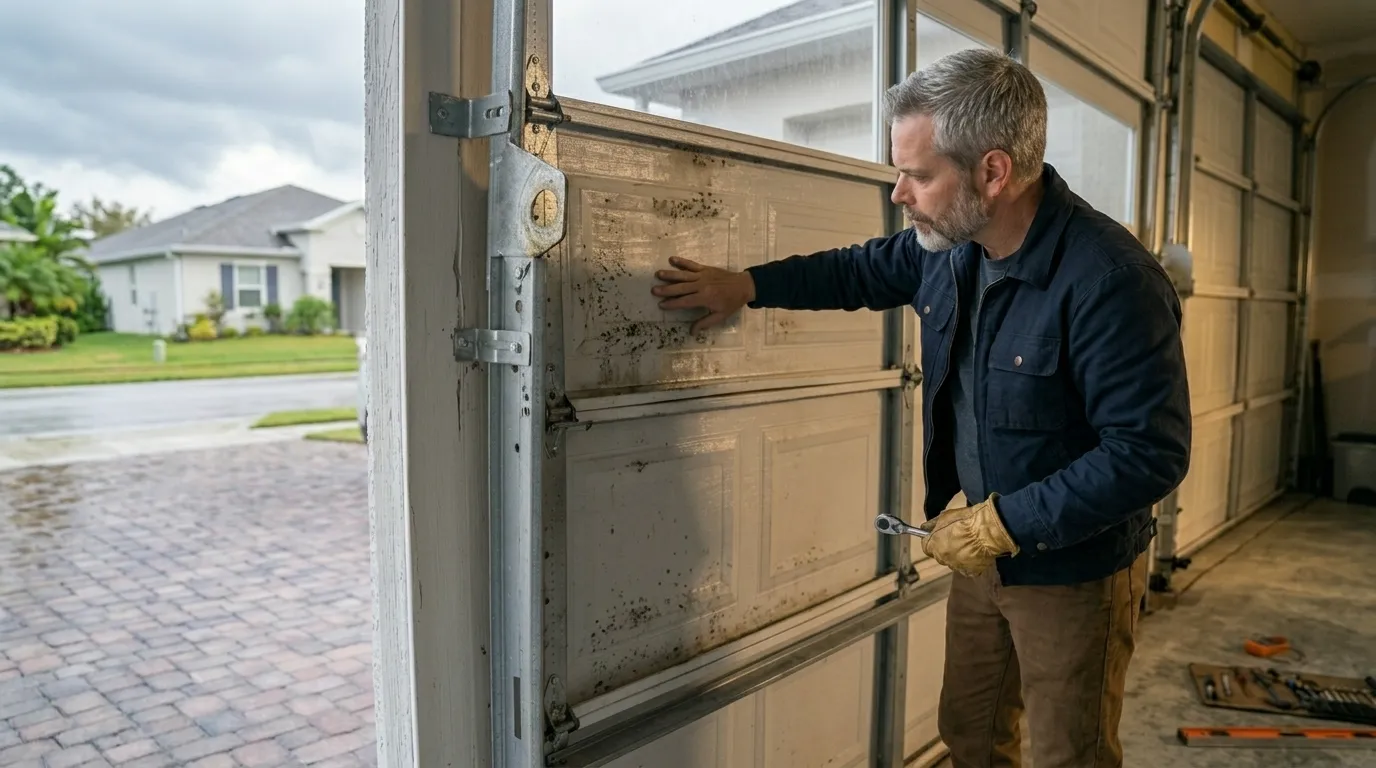
What you can safely check yourself: whether it's the spring or something else. If the door feels heavy, sags unevenly, or you can see a gap in a coiled spring above the door, that's a spring problem. If the door moves but jerks or reverses, that's more likely the opener or the track, a different call and a different job.
How It Shows Up
The most common sign is simple - the door won't open, or the opener strains and stalls partway, because the spring is no longer helping lift the weight. Some owners hear it before they see it: a loud bang from the garage, which is usually the spring itself letting go under tension rather than anything hitting the door.
A slower version shows up first - the door feels heavier to lift by hand than it used to, or the opener starts making a higher-pitched motor sound as it works harder to move a door that isn't getting the spring-assist it used to. Either way, once a spring is visibly gapped or the door won't stay up on its own, that's not a wait-and-see repair.