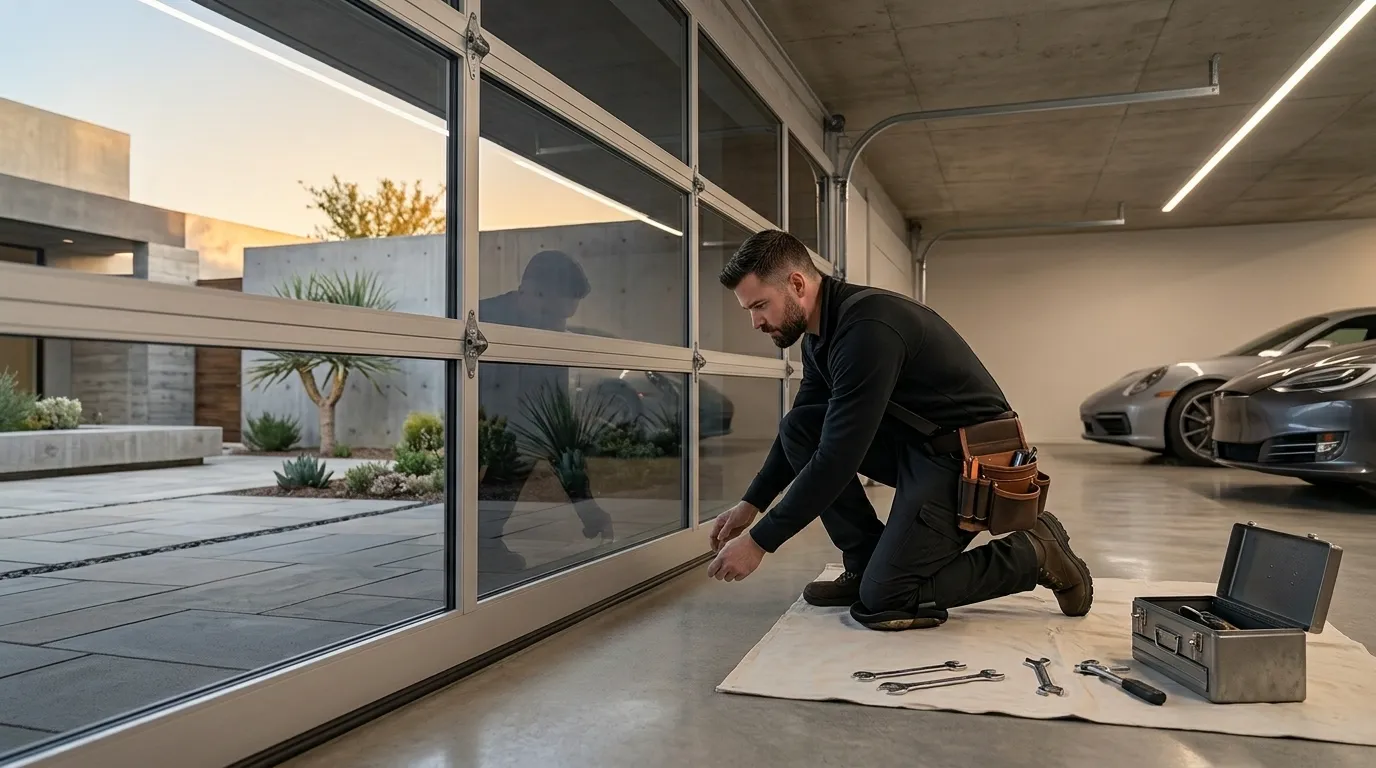
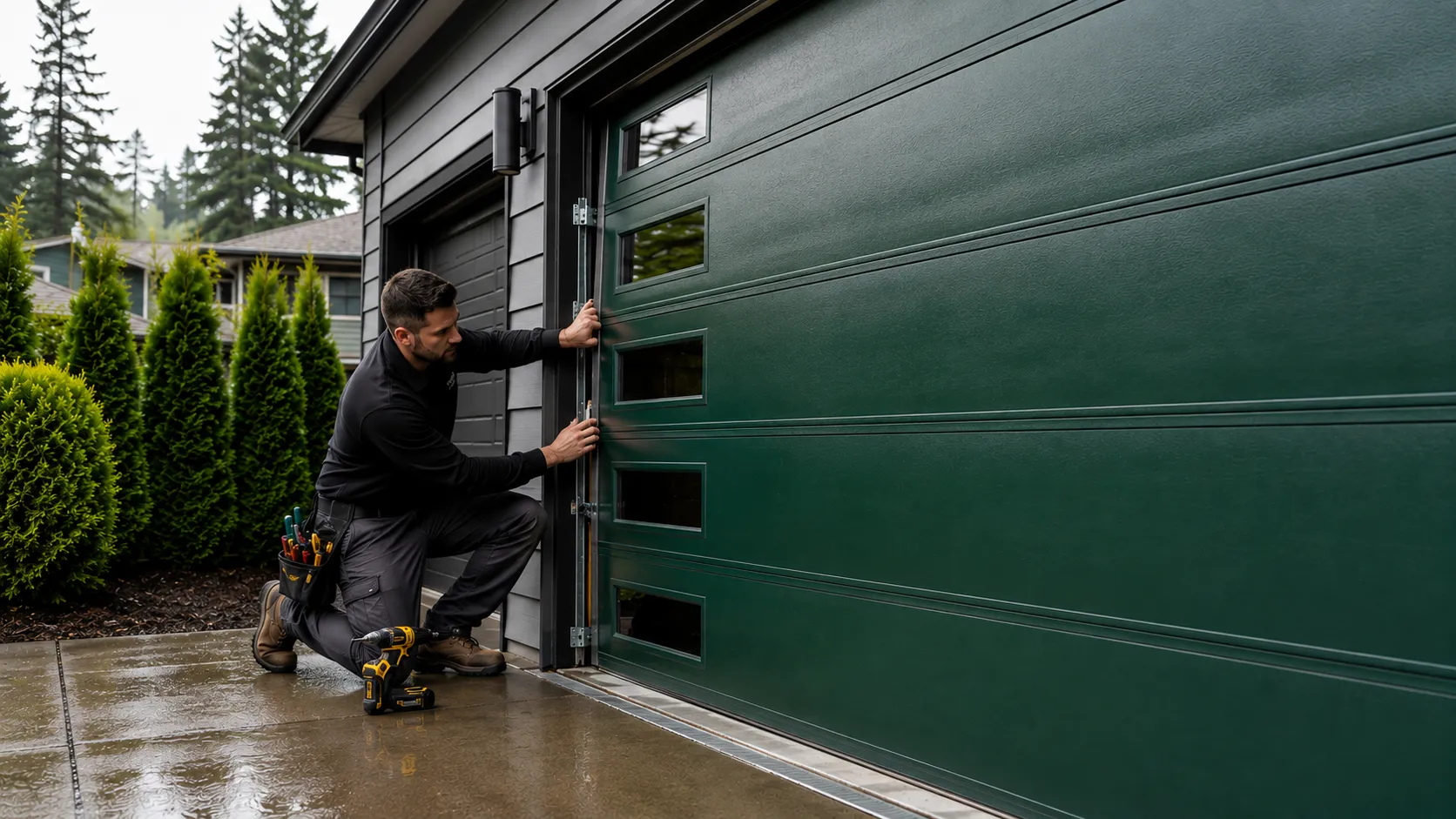
The Cost of This Job
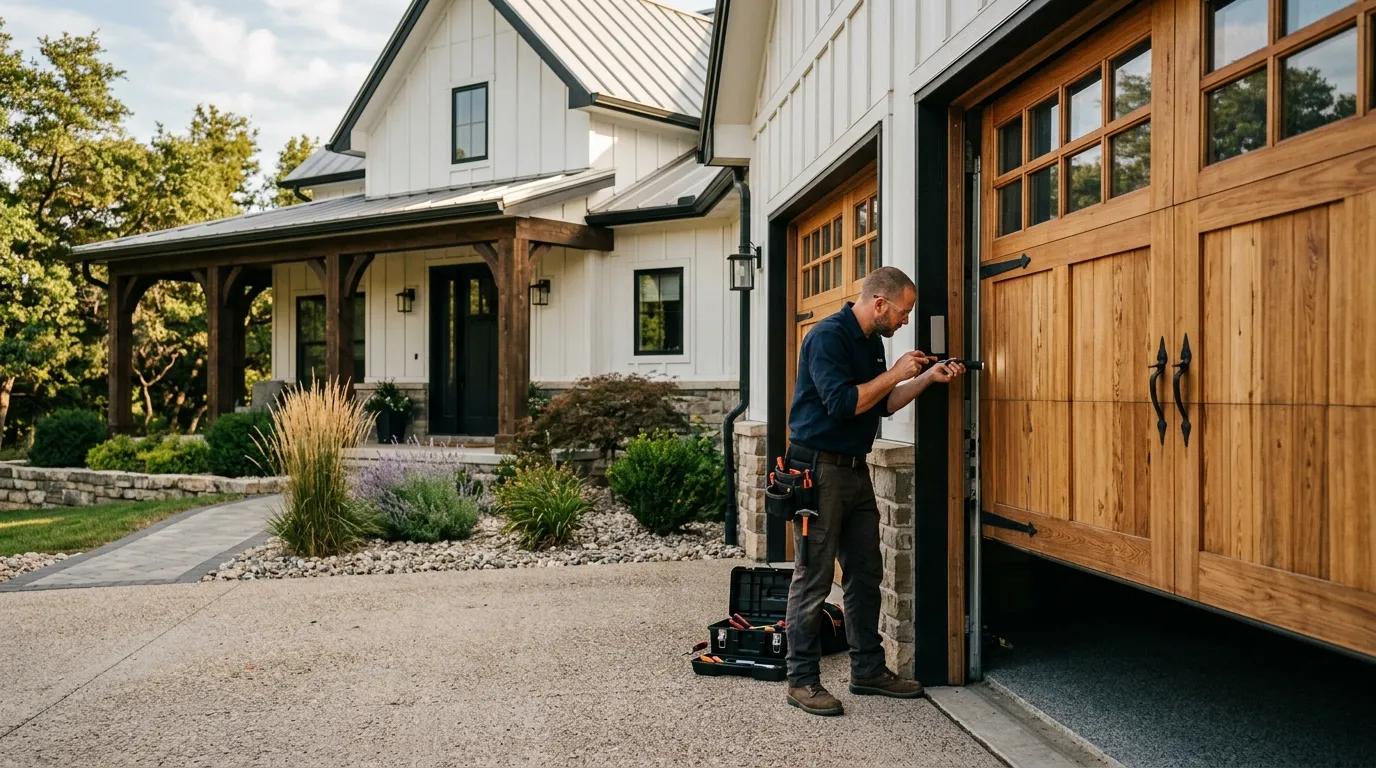
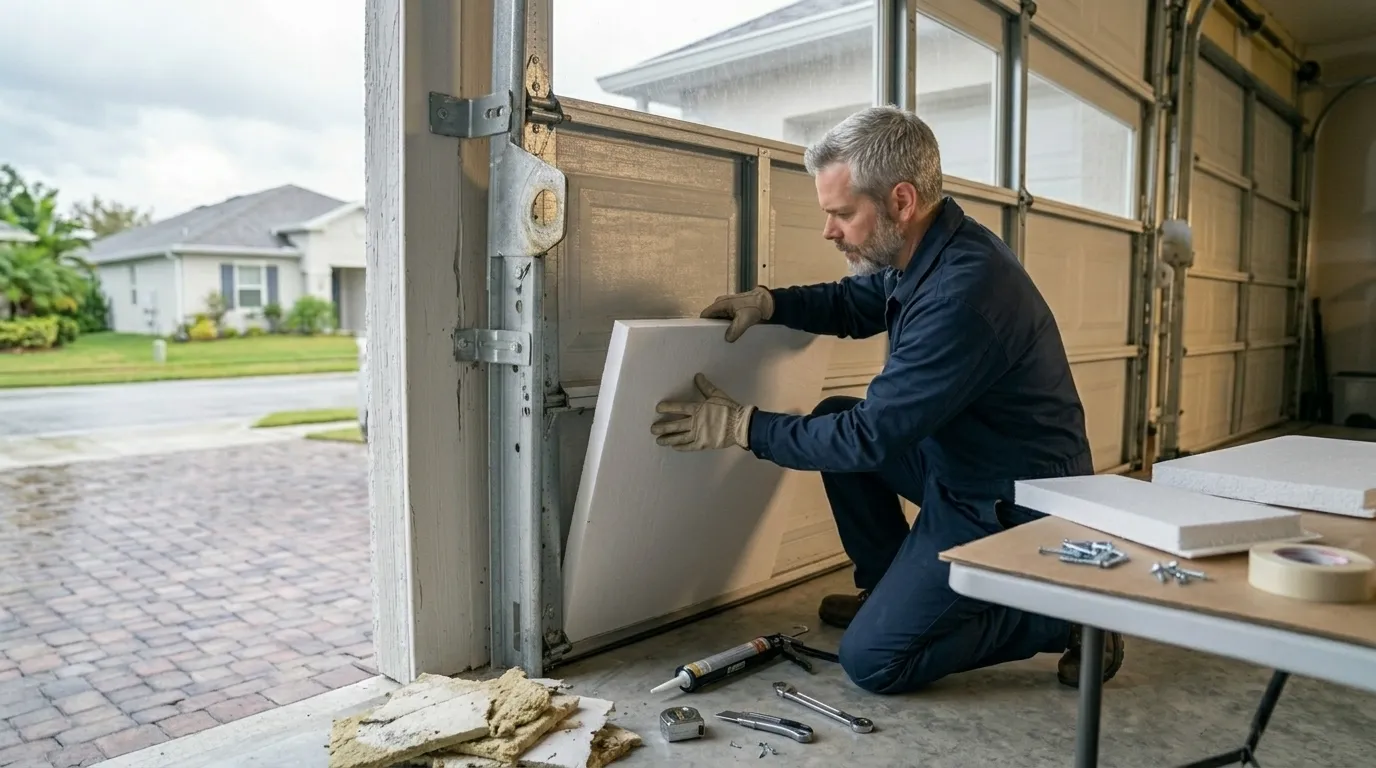
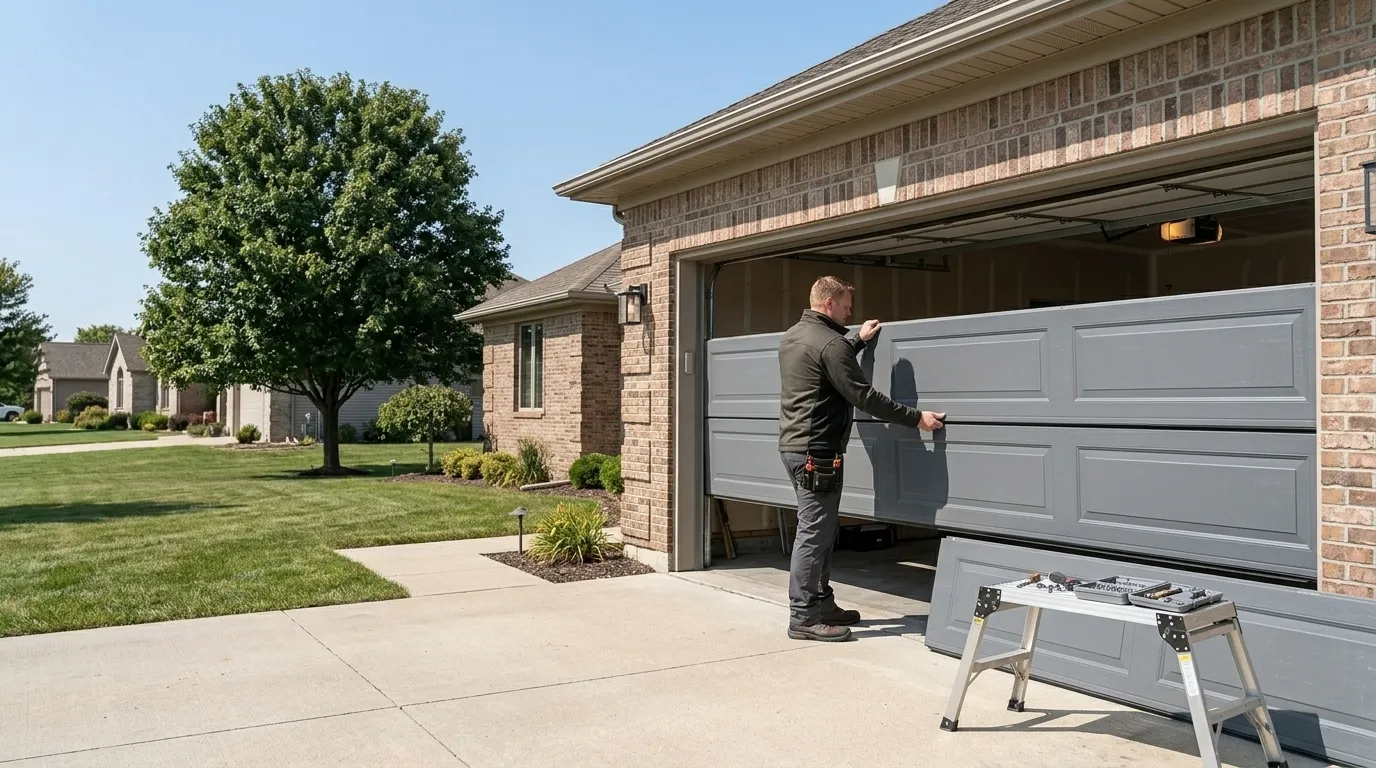
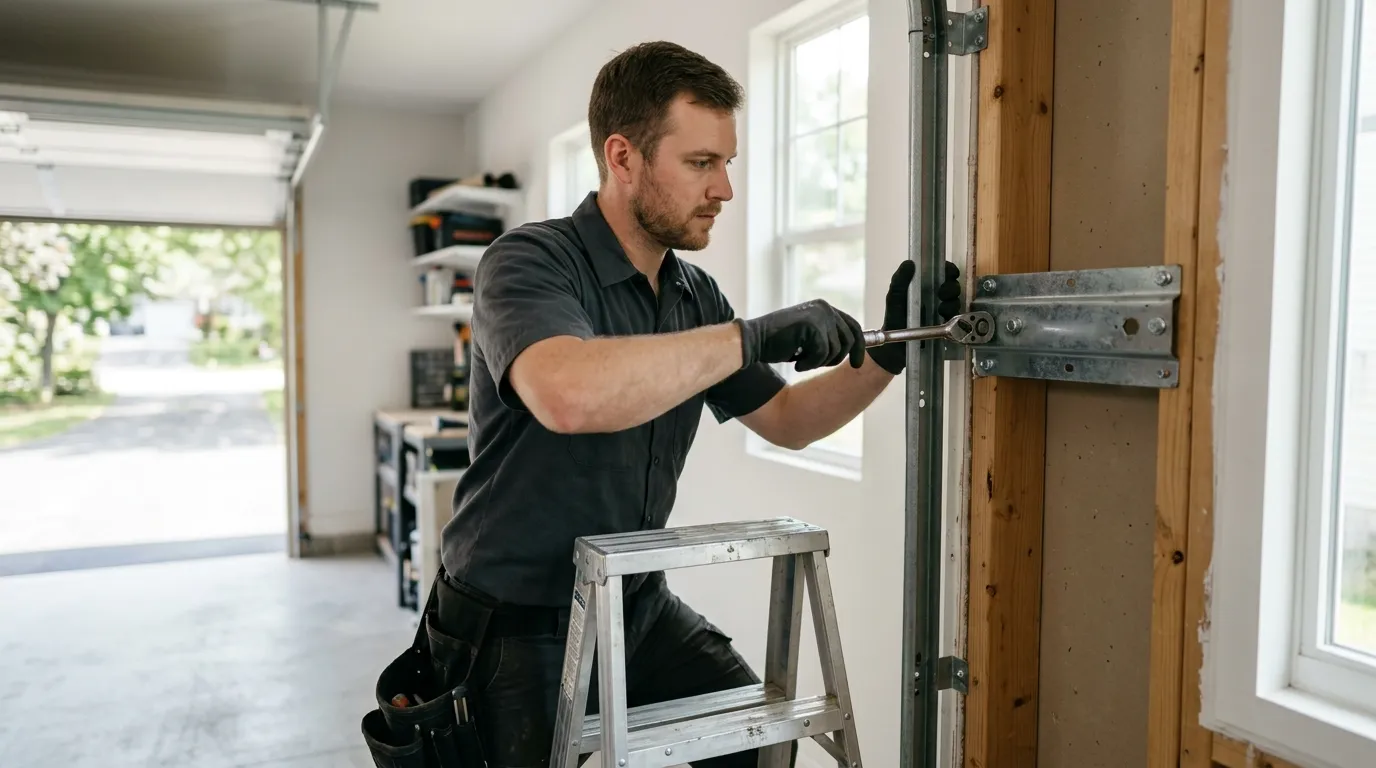
We don't have a posted price list for this repair, so we won't put a number here that isn't backed by a quote. What we can tell you is what drives the cost either way: whether the door came off the track clean or bent a roller bracket on the way down, and whether the track itself twisted or just popped its screws loose from the jamb. A door built in the early 1990s, which is roughly when most DeForest garages went up, usually runs 16-gauge steel on a standard 16-foot double or 9-foot single opening. That's a heavier panel than the aluminum doors from later decades, and heavier panels do more damage to bent track and stripped brackets when they jump the rail. If your track is just loose at the jamb, that's a short visit. If a roller sheared off inside a bent section, you're replacing hardware, not just re-hanging the door. We'll tell you which one it is before we start, not after.
Why It Happens Here
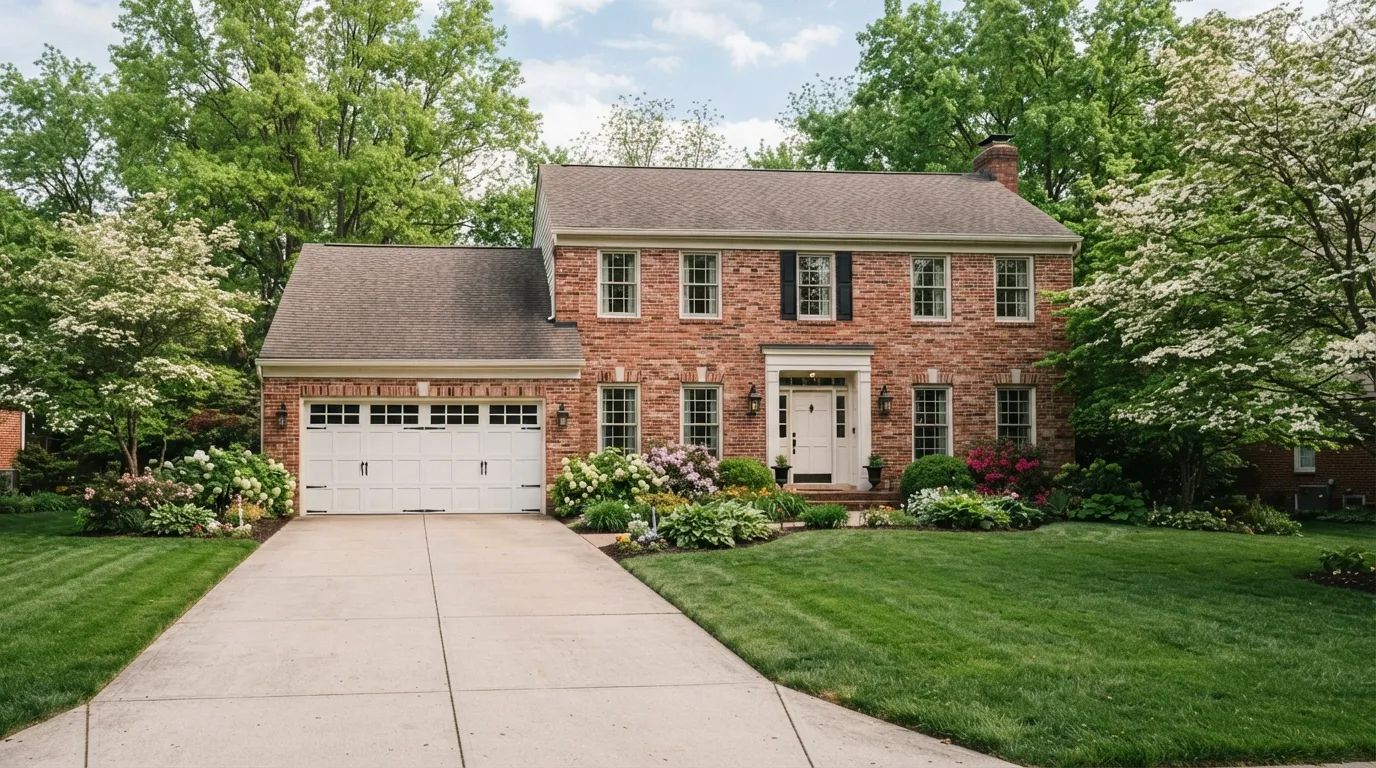
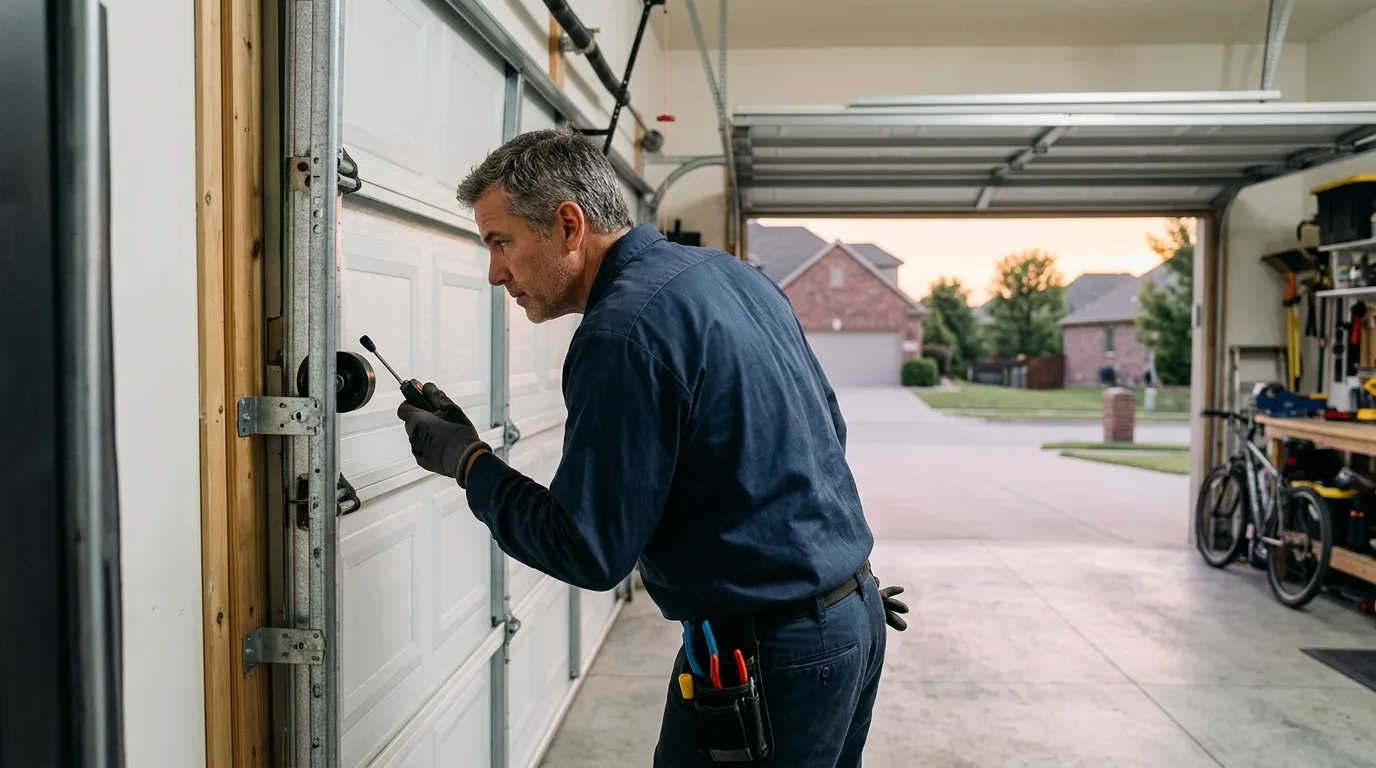
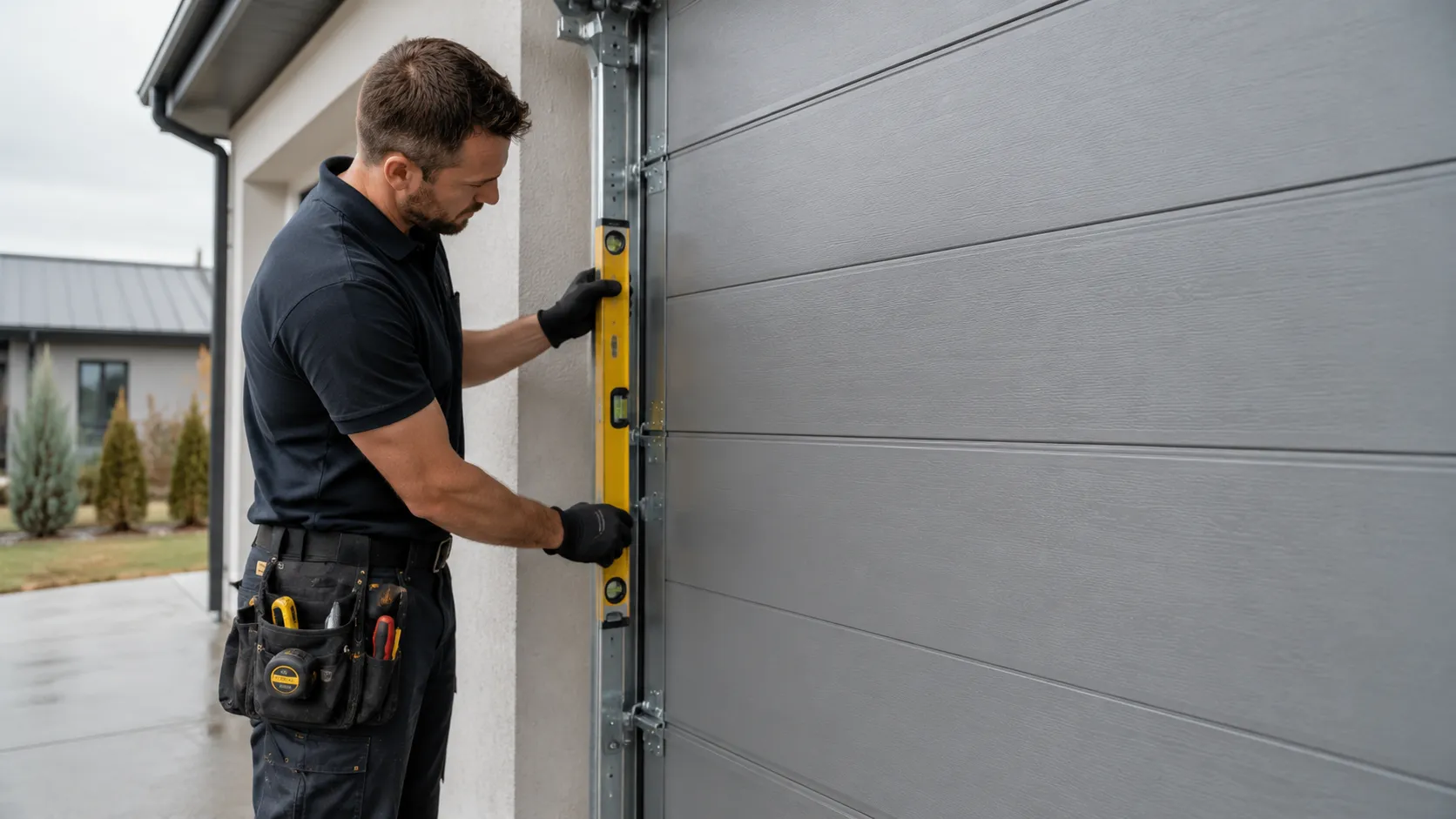
DeForest's housing stock centers on 1992, a touch newer than the wider service area's 1986 median, but the doors from that era share the same weakness: steel roll-up panels on roller-and-track hardware, hung with lag screws into wood jamb studs that have had thirty-plus winters to shrink and swell. Wisconsin's cold band is severe enough that a jamb bracket loosened by a summer of humidity gets brittle and lets go the first hard freeze puts weight on it unevenly. Add a slightly out-of-square opening, common in tract-built subdivisions from that build wave, and the rollers ride the edge of the track instead of the center. One winter of that wear and a rock of ice under one bottom corner is enough to walk the door off the rail entirely. It's not a design flaw so much as thirty years of track alignment nobody's checked.
Can You Do This Yourself
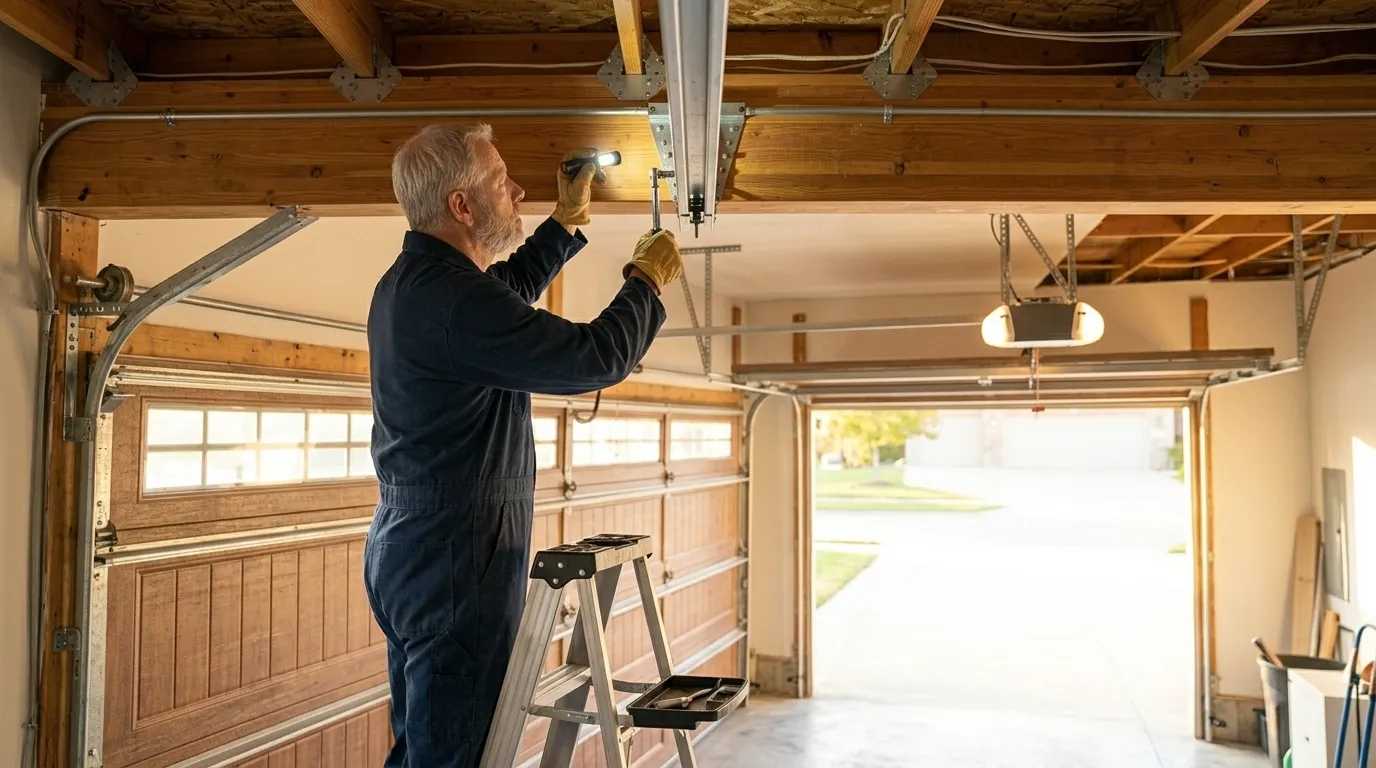
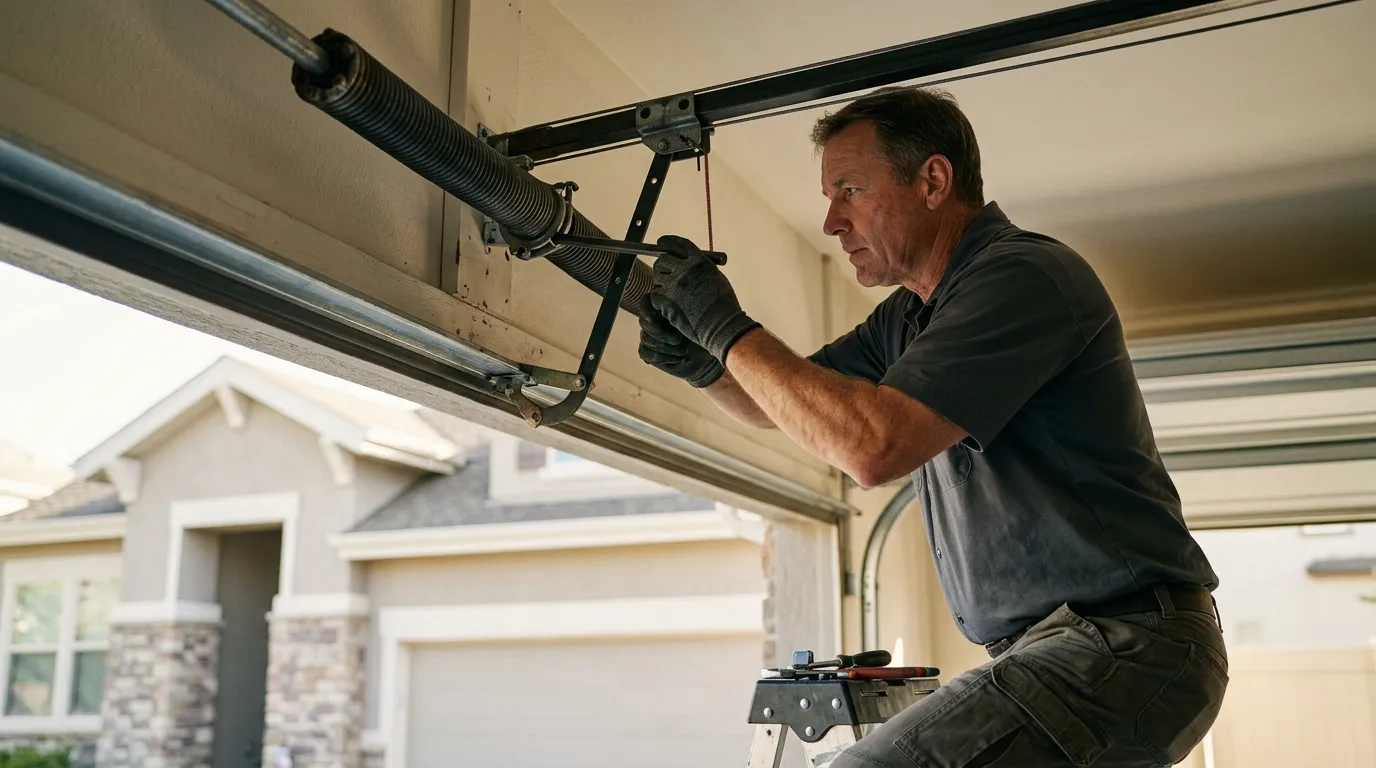
If the door is only off the track by an inch or two and the opener is unplugged, some homeowners get it back onto the rail themselves with a rubber mallet and patience. That's the limit of what we'd recommend without a second set of hands and eyes on the spring. Anything past that - a bent track, a bracket pulled from the jamb, or a door that's fully derailed on one side - puts a couple hundred pounds of steel panel under uneven tension, and a torsion spring under load is not a DIY afternoon. We won't talk you out of the easy case. We will tell you plainly when the job has moved past what a ladder and a mallet can fix.
How It Shows Up
Most calls start the same way: the door stops mid-travel and won't go up or down, or it goes up crooked with one corner riding higher than the other. Sometimes it's a grinding sound from one side of the track right before the door catches. Other times the opener just keeps running while the door sits still, because the chain is pulling a panel that's no longer seated in its rail. If you can see daylight between the roller and the track on one side, stop running the opener - every cycle after that bends the rail further and turns a track repair into a track-and-panel repair.