The Cost of This Job
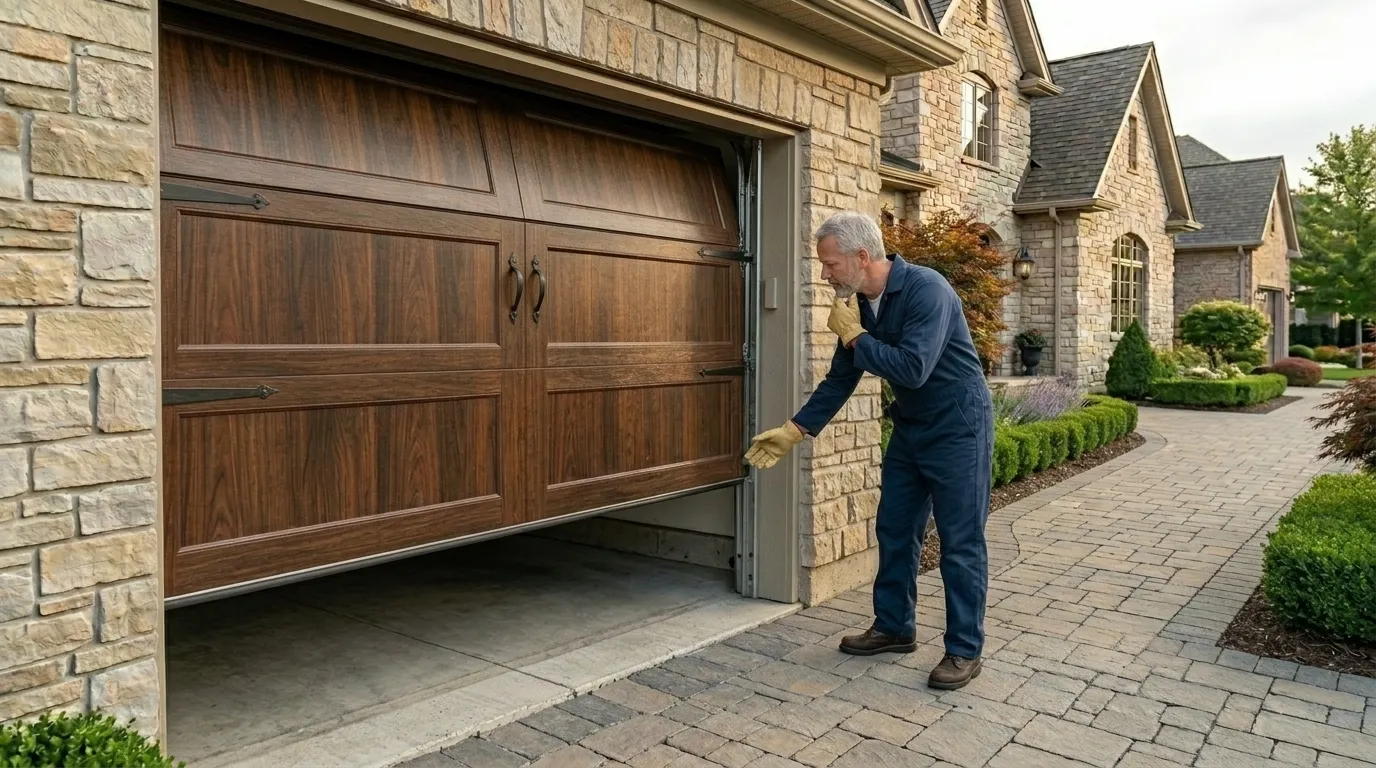
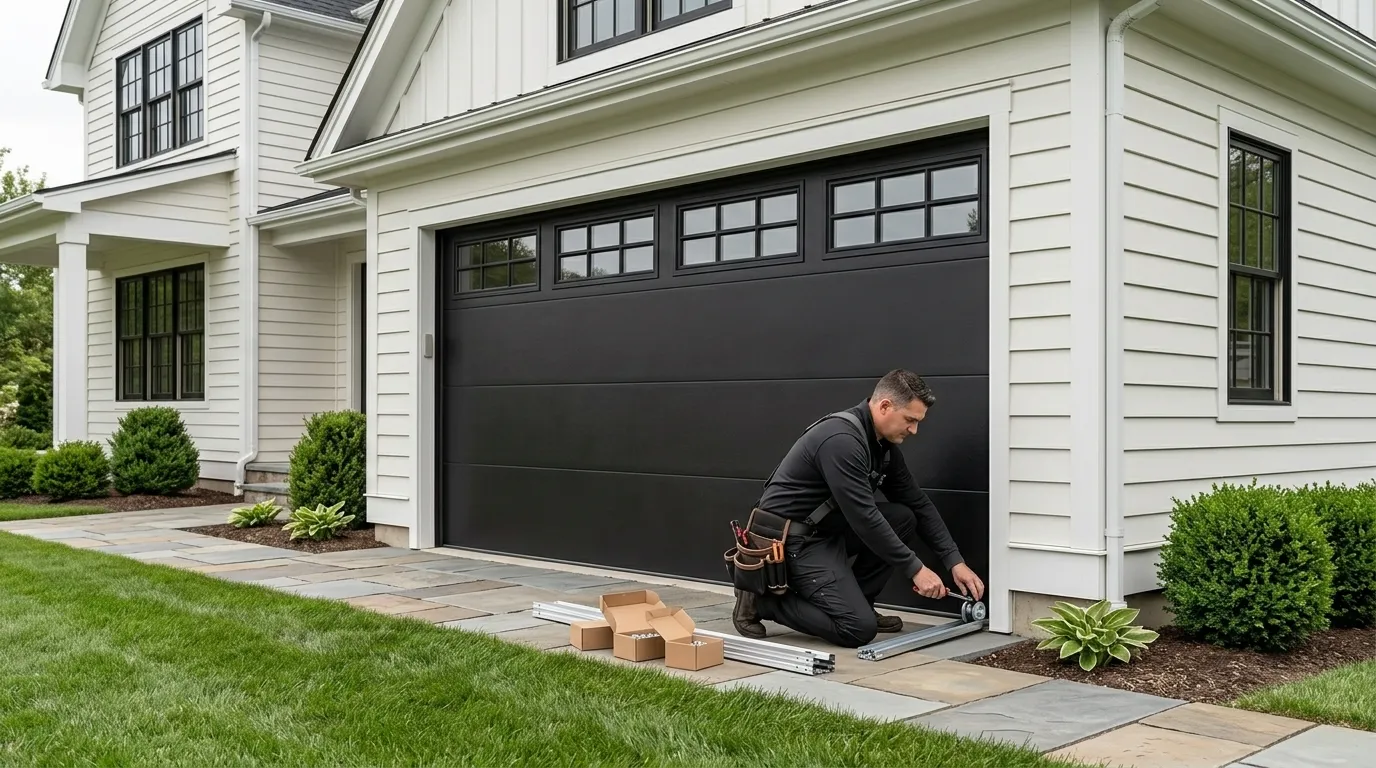
What you pay for a new door in DeForest tracks two things: the size of the opening and what's already bolted to your header. Because the typical house here went up around 1992 - a few years newer than the 1986 median across the rest of our service area - most openings are already standard 16x7 or 9x7, framed for a factory door rather than a site-built one. That saves a step other towns in this area don't get to skip. You're not paying a carpenter to widen a jamb before the door guy even shows up.
What does move the number is the opener. Houses built in the early 90s around here often still carry their original chain-drive unit, and swapping the door without touching a 30-year-old opener is asking for a mismatch - new door, old horsepower rating, and now the opener strains every cycle. We won't quote you a door price without looking at what's driving it.
We don't publish a flat rate on this page because DeForest openings vary enough, door to door, that a number here would be a guess dressed up as a quote. A look at the opening and the opener gets you a real one.
Why It Happens Here
DeForest's housing stock sits at a median build year of 1992, newer than the 1986 median across the wider service area we cover from Sun Prairie. That six-year gap sounds small until you look at what changed in garage door hardware in that stretch: sectional steel doors with factory-insulated panels became standard, torsion springs moved to the header instead of the jamb, and openers picked up safety reversal sensors as code caught up. A 1992 DeForest garage is more likely to already have that hardware than a house built in the 1970s a few towns over.
That matters for installation, not just repair. It means fewer surprises behind the trim - less non-standard framing, less rewiring to bring an opener up to current sensor requirements. It also means the doors coming out now are usually first-generation insulated steel, not the bare single-layer panels you'd pull from an older house. That's a different disposal weight and a different install, even before you get to what door goes in next.
Winters here fall in the same severe cold band as the rest of the region, so whatever goes in has to seal against that regardless of the house's age.
Can You Do This Yourself
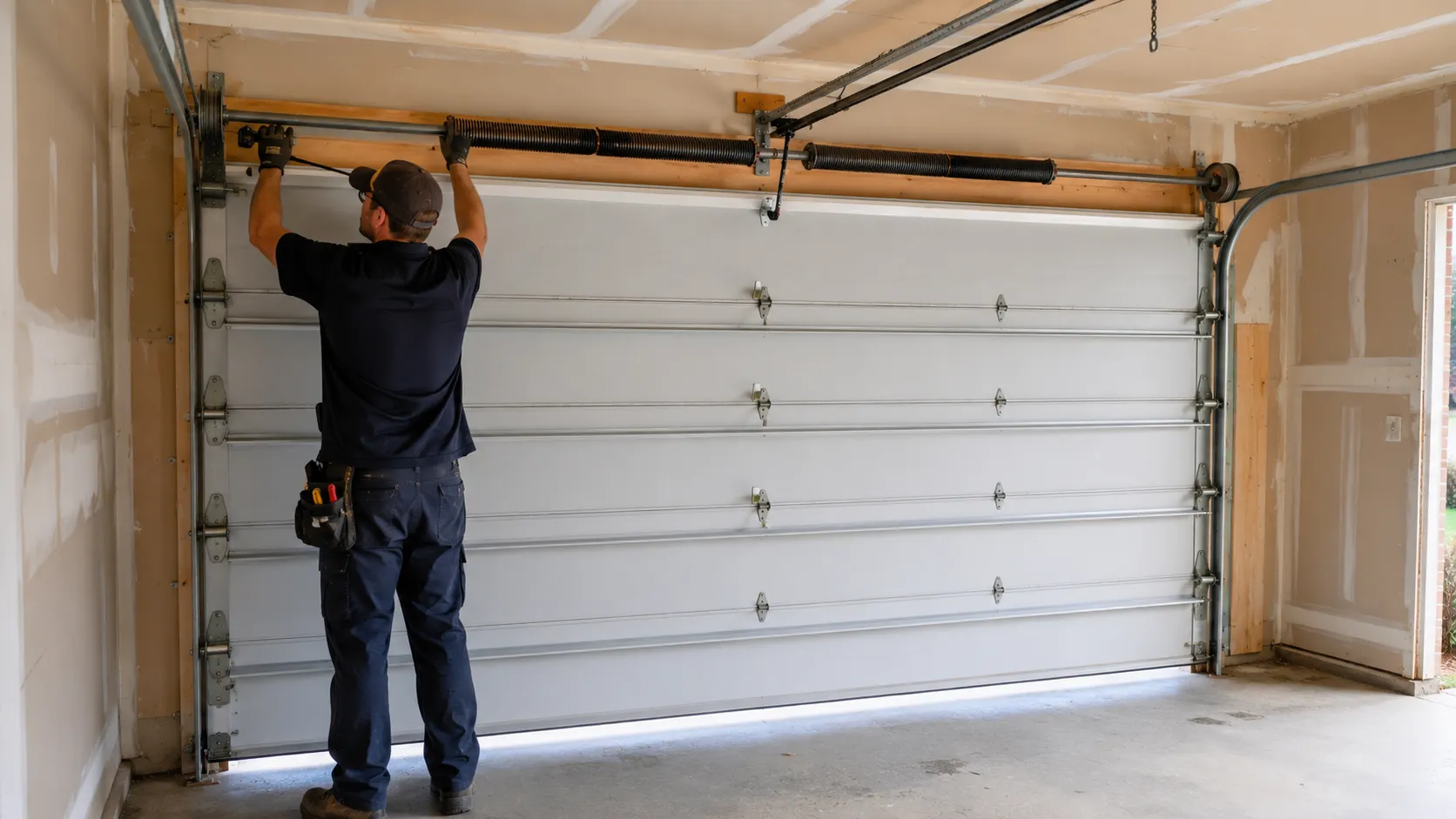
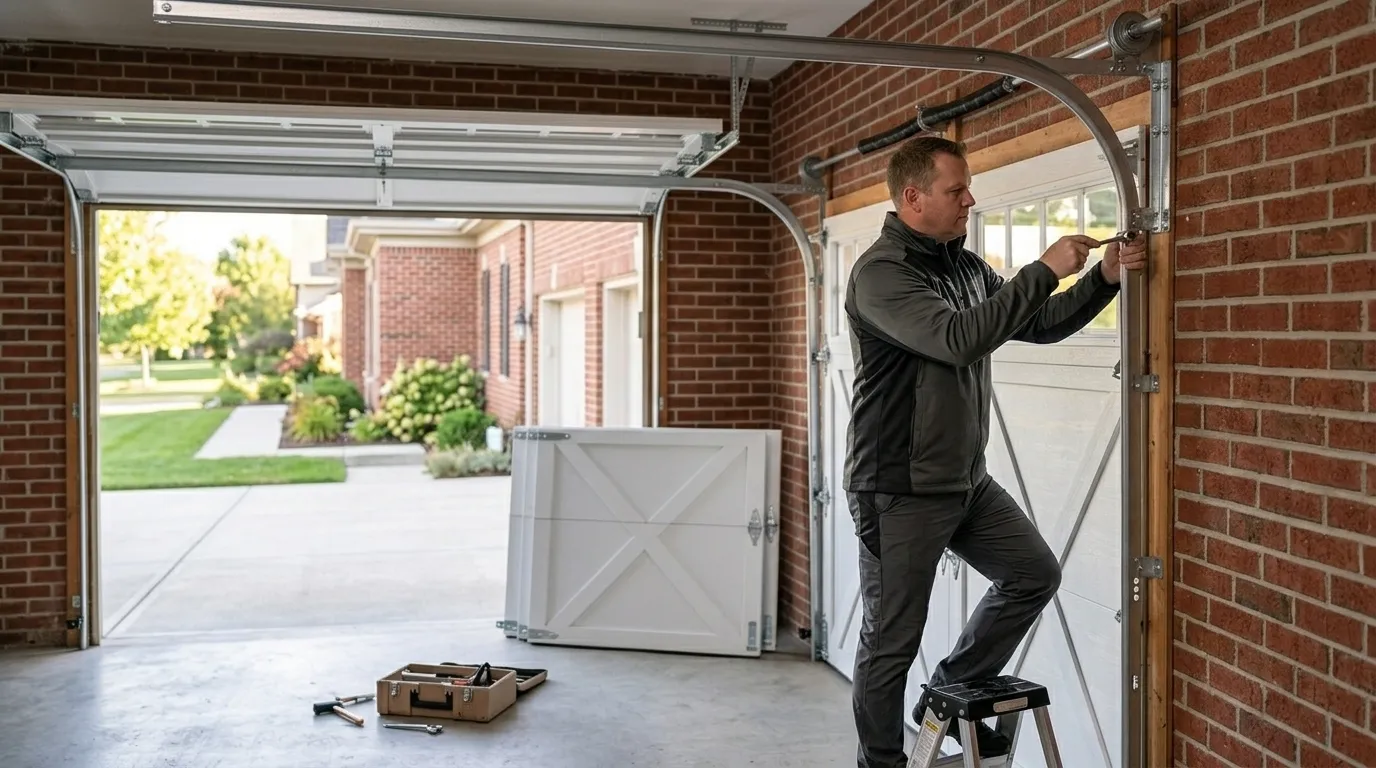
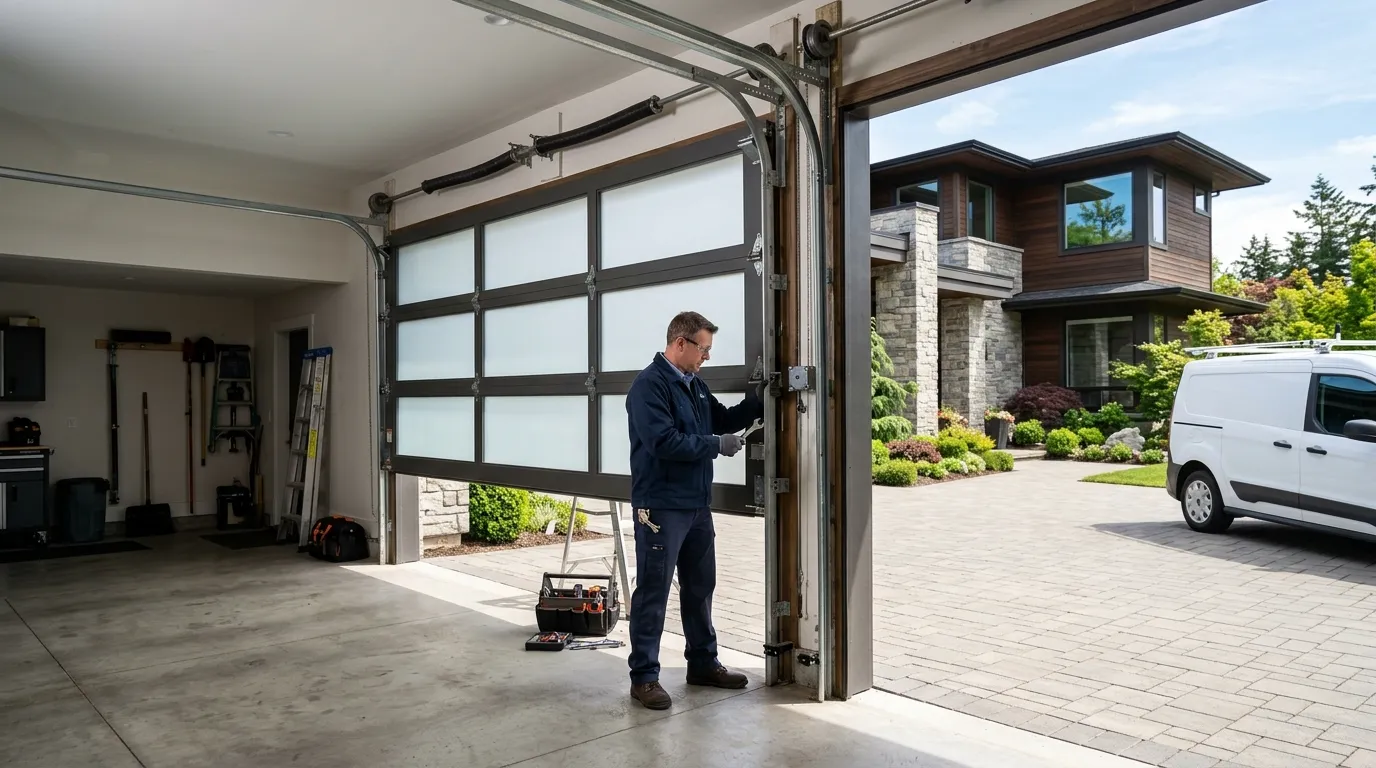
A garage door panel swap is DIY territory for someone comfortable with a drill and a ladder. A full door replacement with a torsion spring system is not - the spring is under enough tension to break a bone or worse if it lets go while you're working near it, and that's true whether the house was built in 1992 or 1962. If your opener is original to a house from that era, it's also likely due for replacement on its own timeline, and running new door weight through an old motor is a way to burn out both at once.
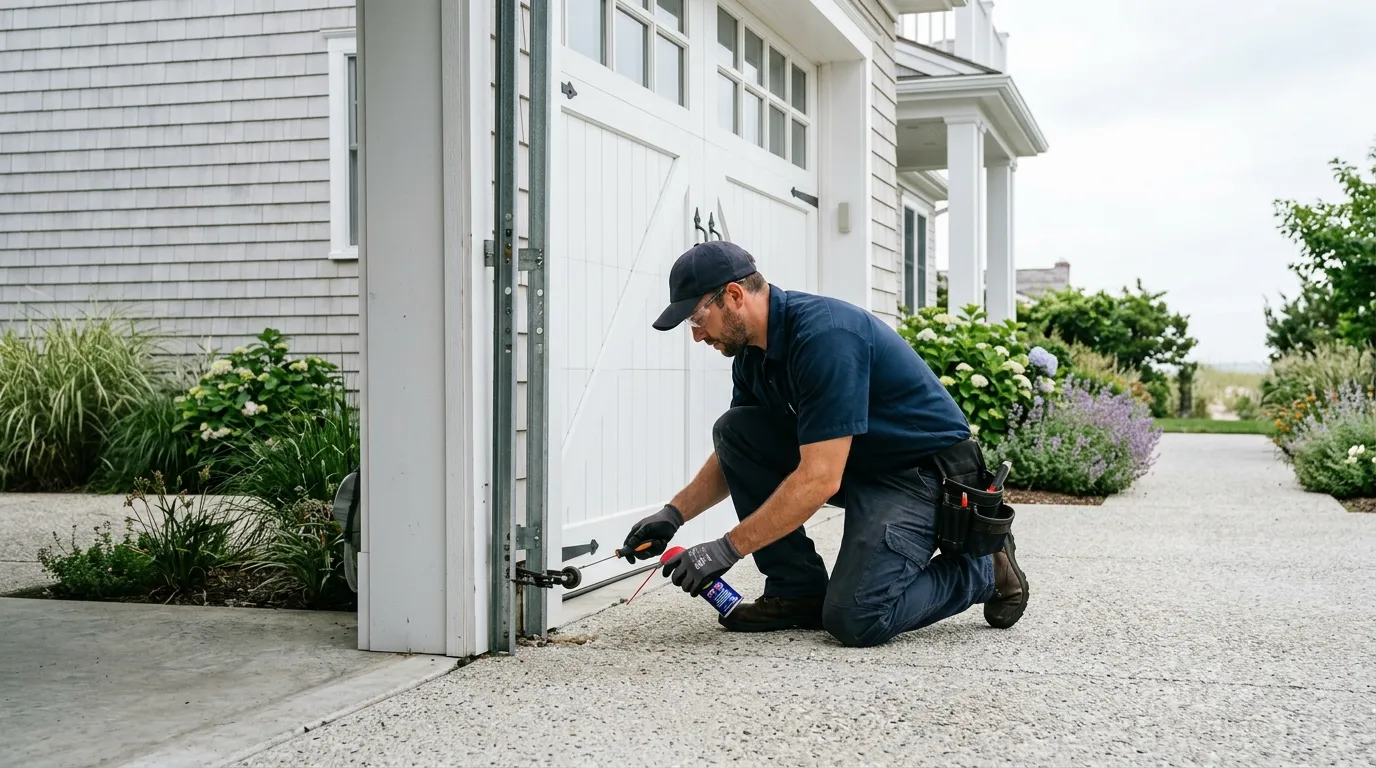
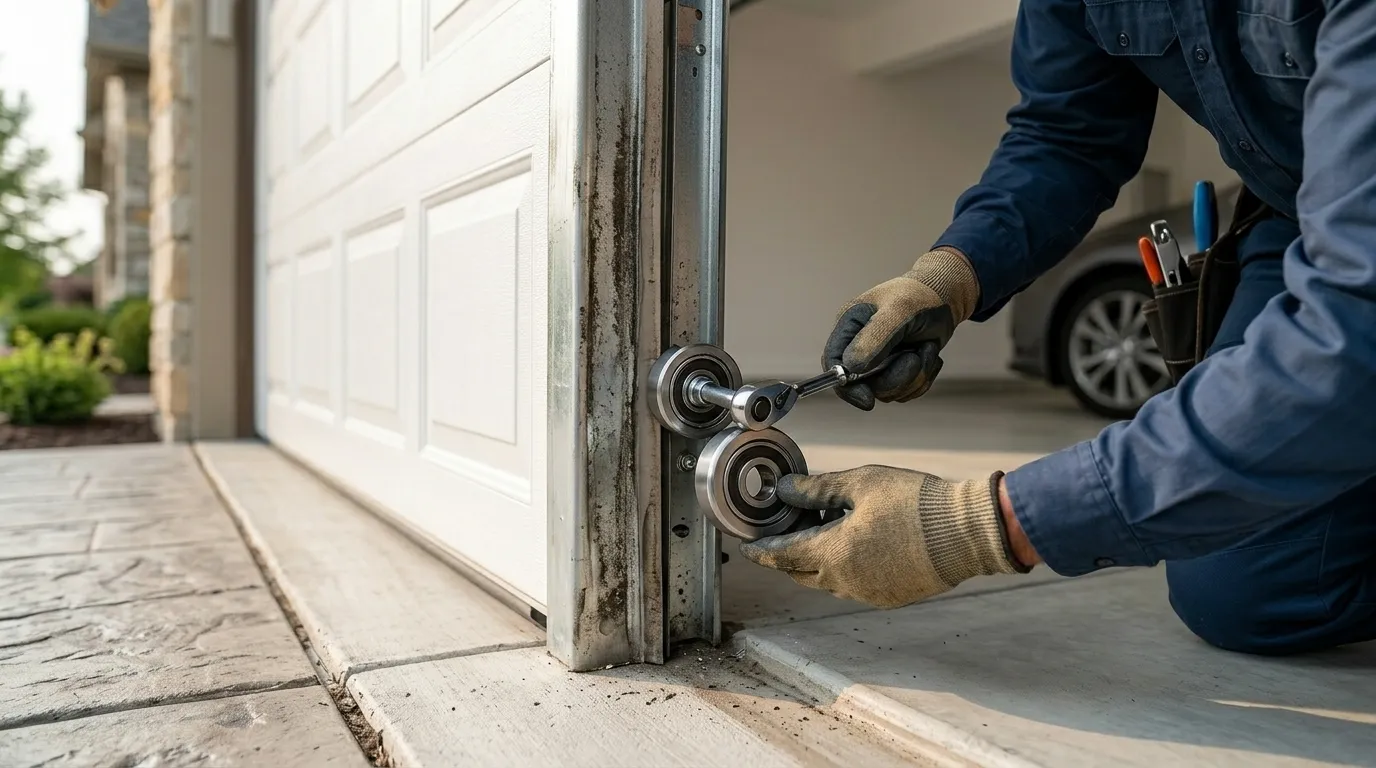
Where it's reasonable to do it yourself: weatherstripping, the bottom seal, tightening loose roller brackets. Where it isn't: anything involving the torsion bar, the cables, or removing an old door panel without knowing what's holding the track in place. We'd rather tell you that up front than get called out after.
How It Shows Up
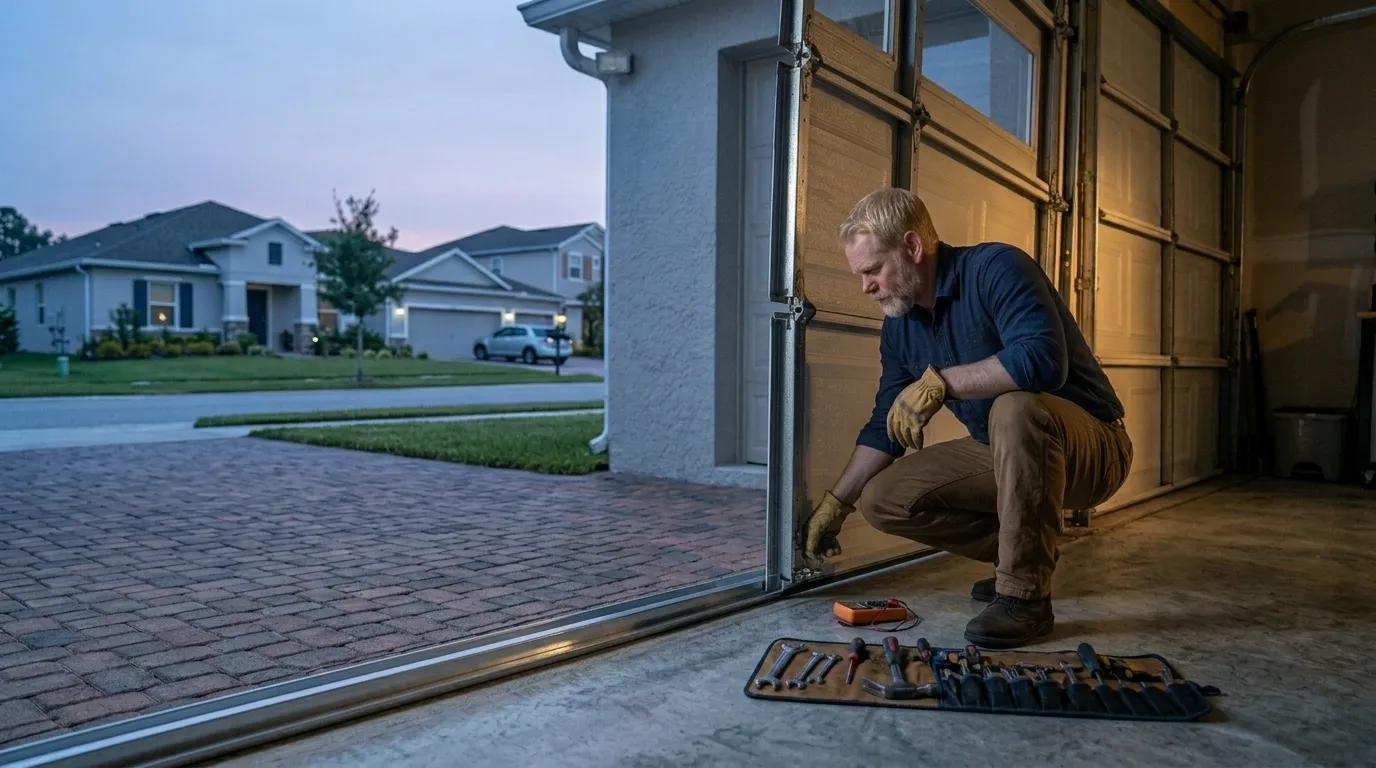
On a 1992-era DeForest door, the tell is usually the bottom seal going brittle first, then the weatherstrip along the sides pulling away from the track - cold-climate wear on original vinyl that was never rated for thirty-plus winters. You'll see daylight at the bottom corners before you see anything wrong with the panels themselves. That's a sign the door's sealing system has aged out, not necessarily that the door itself has failed structurally.
A second pattern: openers from this build era running louder and slower than they used to, straining on the up-cycle. That's often the first real signal that a homeowner starts pricing a full replacement rather than another opener repair, since a new door and opener installed together resolve both problems in one job instead of two separate calls months apart.