Can You Do This Yourself
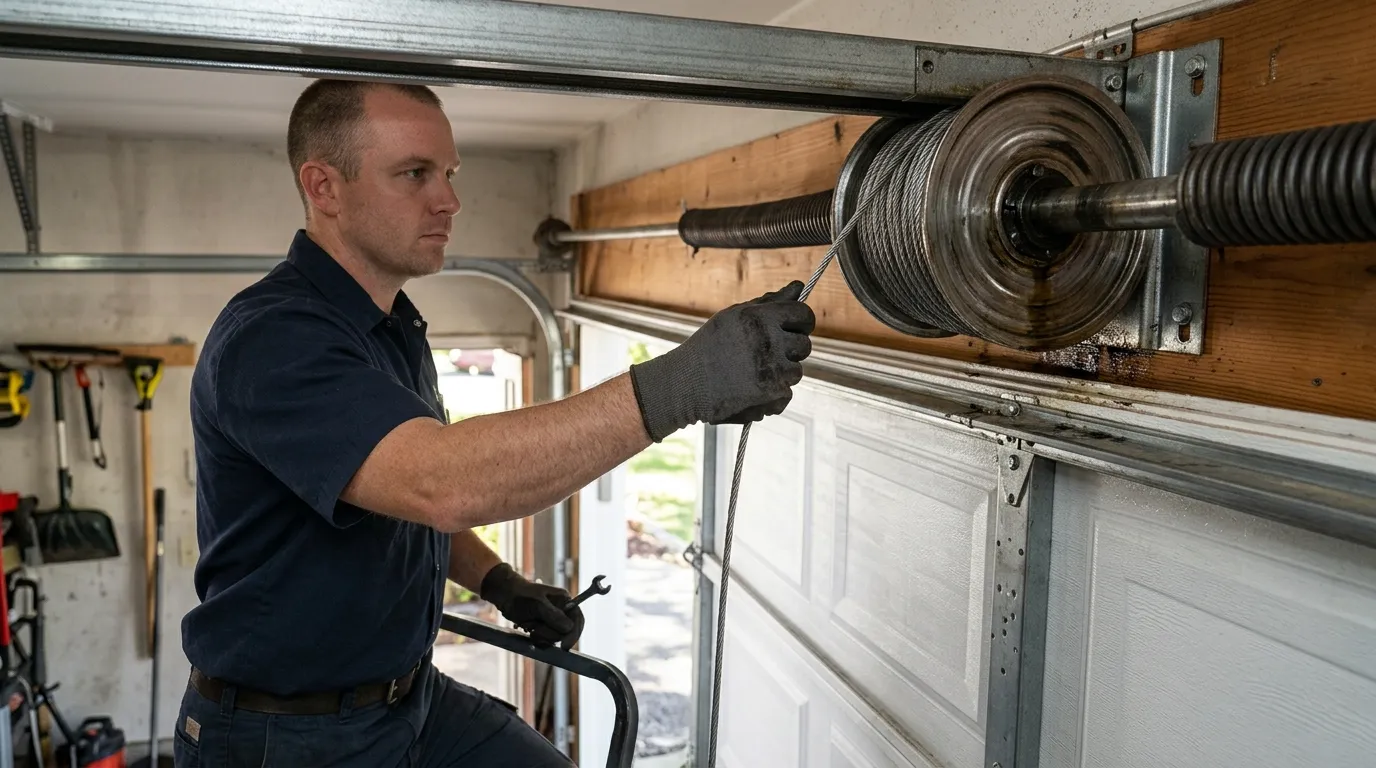
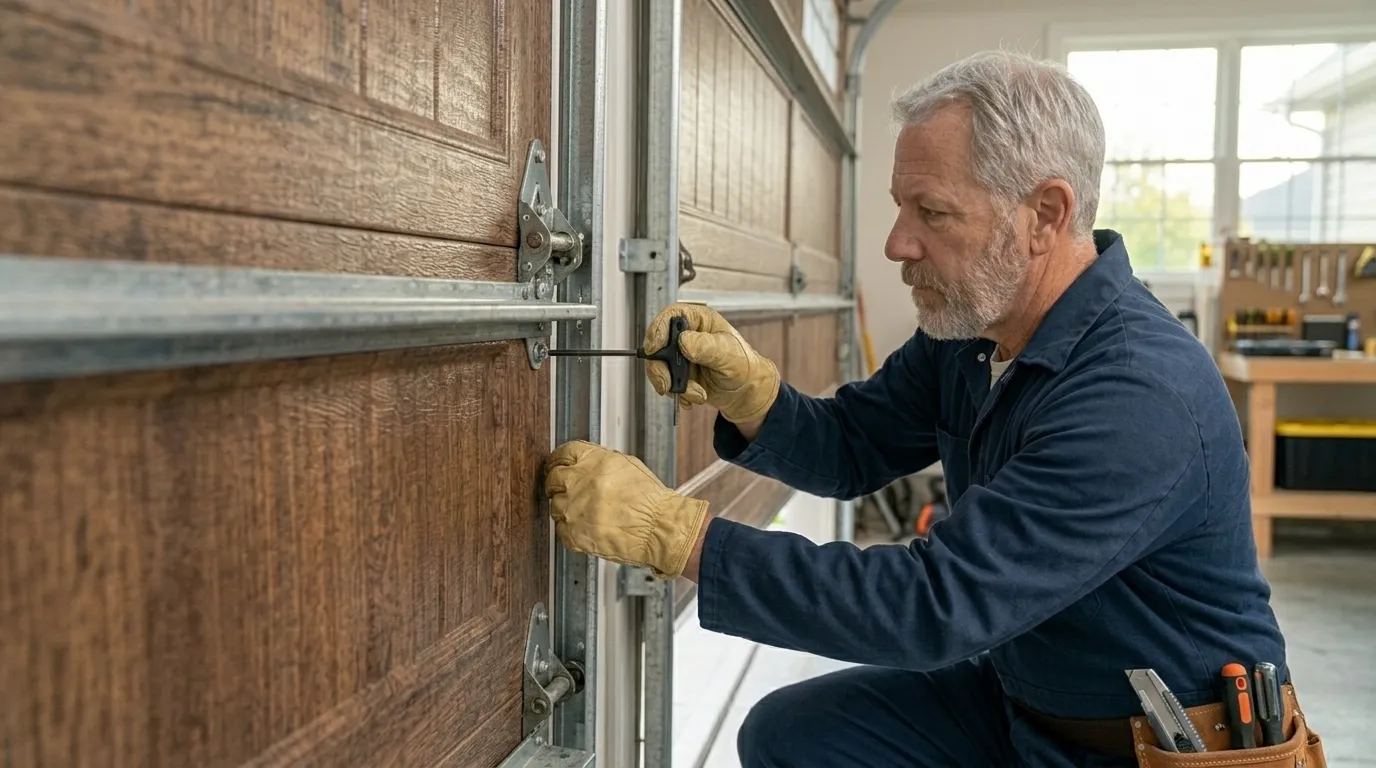
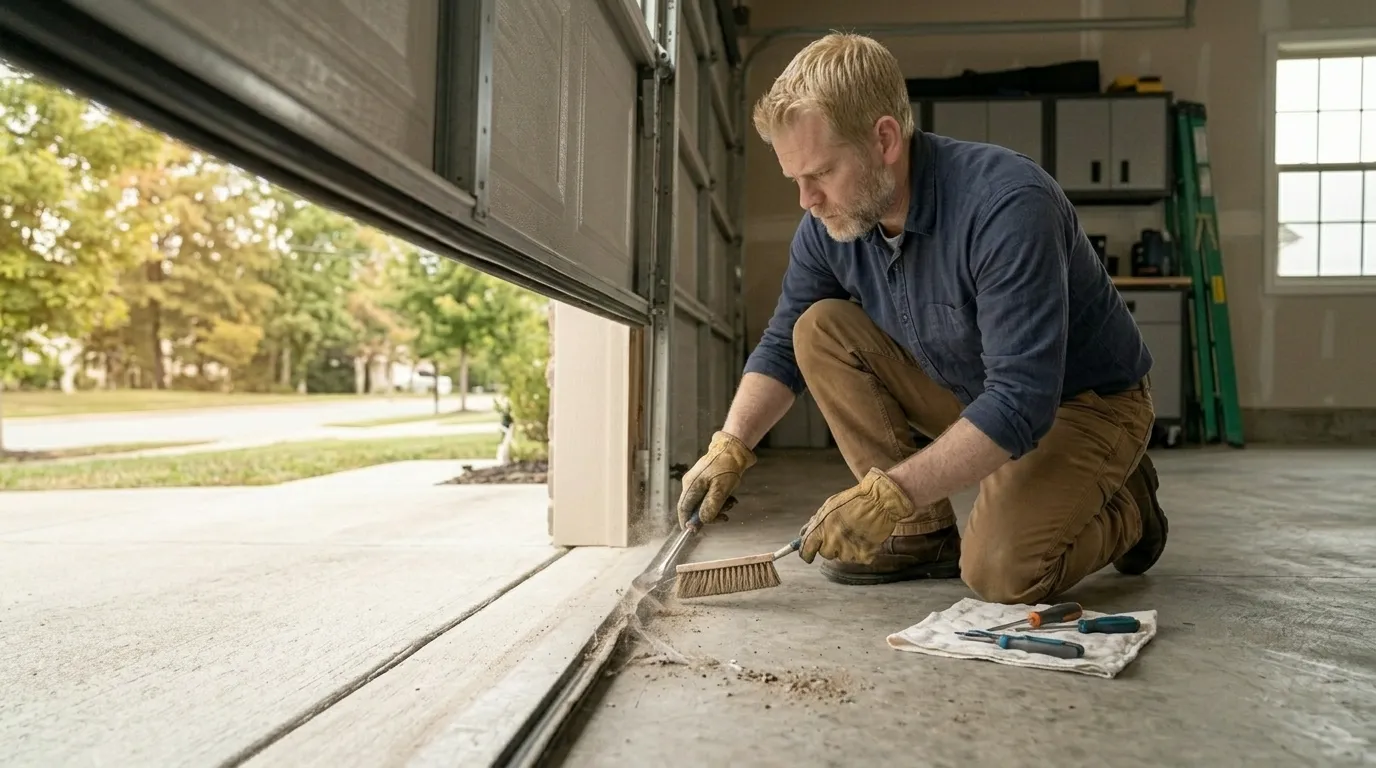
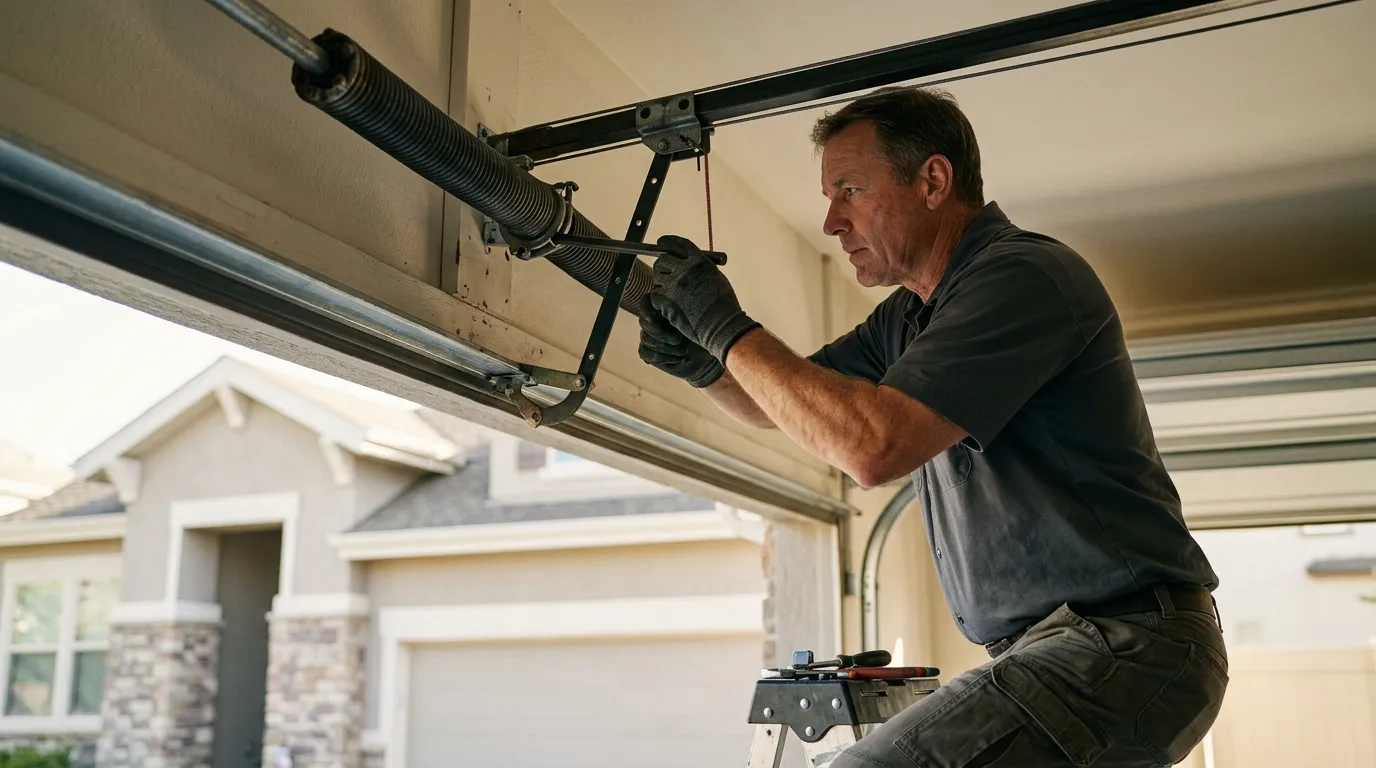
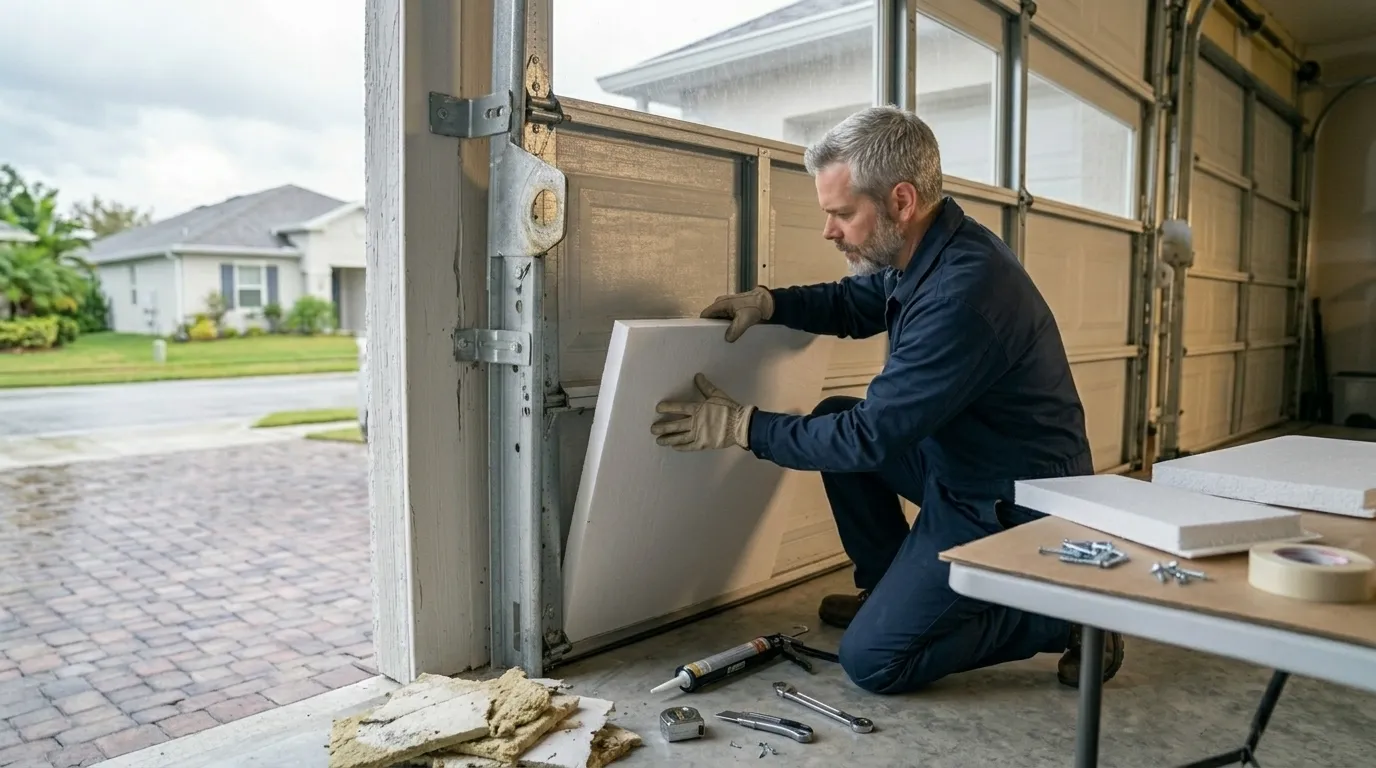
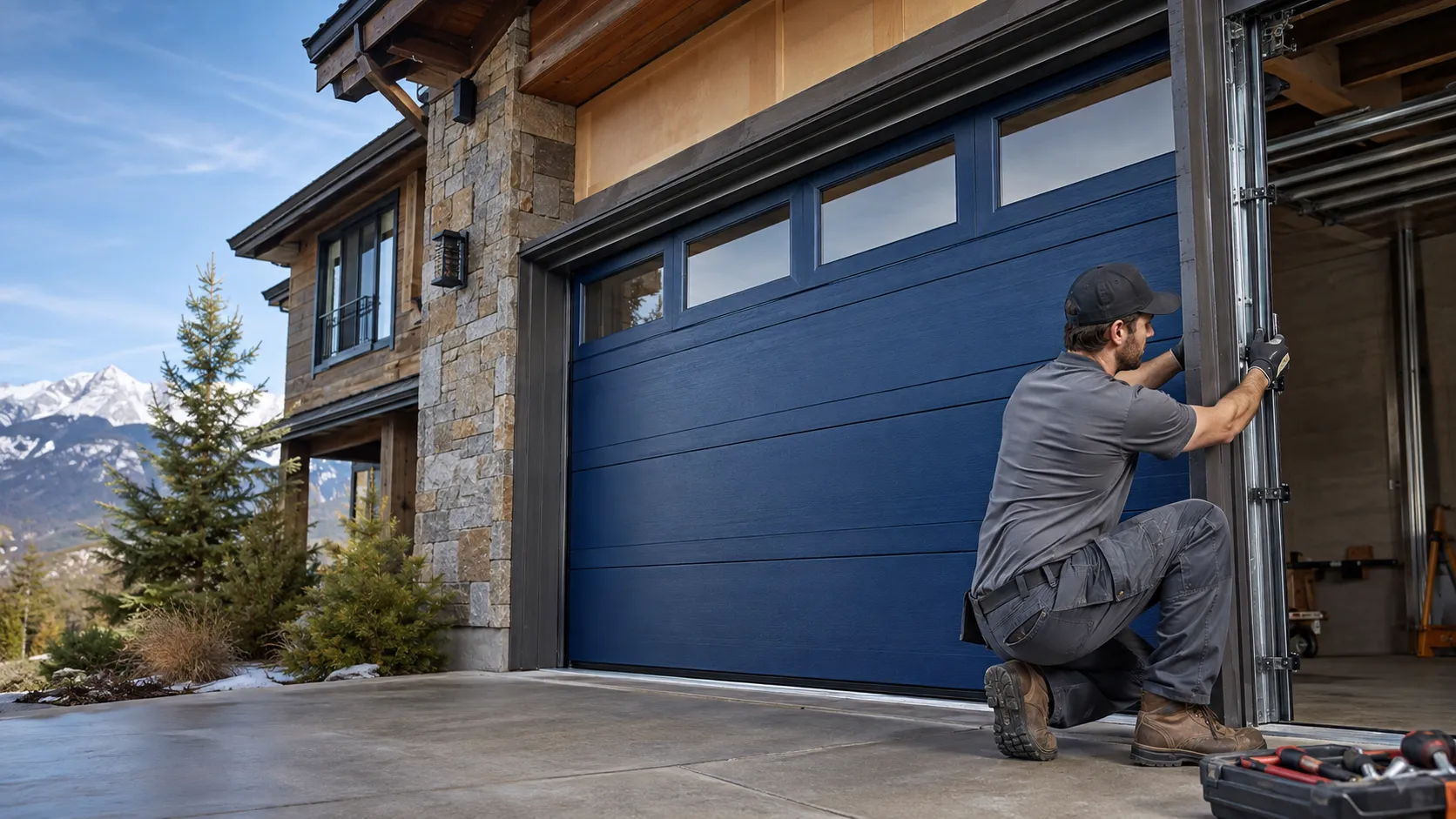
A snapped cable on a torsion system means the door has one side under spring tension and the other side loose, and the panel will rack sideways if you crank the opener anyway. On the older single-car and narrow two-car doors common in Columbus, built when the median home here went up around 1959, the drums are often original steel with decades of rust pitting where the cable seats. That pitting is why the cable let go in the first place, and it's also why a DIY cable swap on this hardware tends to fail again within a season - the new cable is riding on a groove that's already worn oval. We'll tell you straight: if you're comfortable with hand tools and have unwound a torsion spring before, a cable swap is doable. If you haven't, the spring can take a finger or worse. This isn't a job we recommend learning on your own door.
How It Shows Up
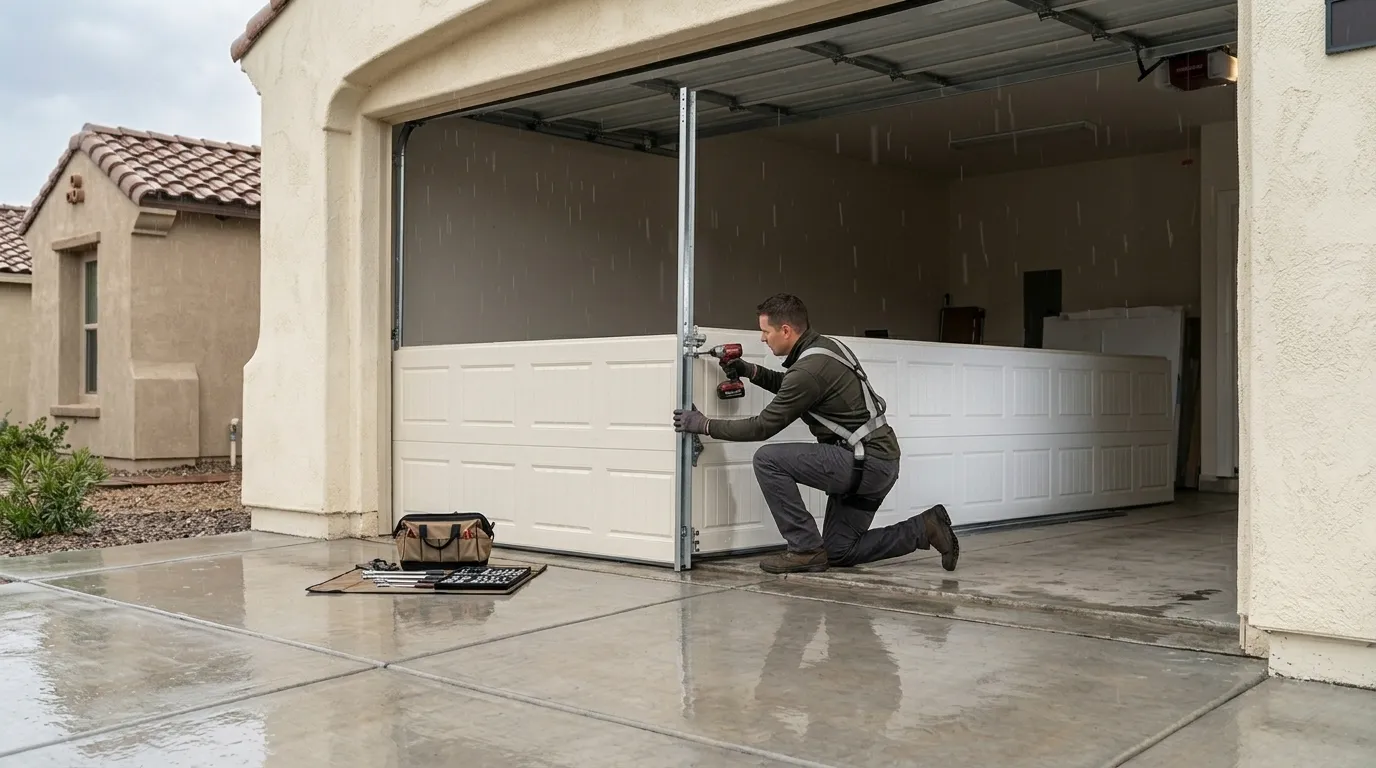
Most calls we get from this area start the same way: the door goes up crooked, or it drops fast on one side and stops. Some owners hear a bang from the garage - that's usually the cable letting go under tension, not the spring. On the 1959-1980s stock that makes up a lot of Columbus's housing, the cable itself is often original or a prior owner's replacement that doesn't match the drum size, which throws the door off level even before it fails outright. Fraying near the bottom bracket is the other pattern - road salt and de-icer tracked in over a Wisconsin winter works into that cable end and corrodes the strands from the inside out, so it looks fine until it isn't.
The Complications
The complication in Columbus isn't the cable - it's what's around it. On housing from this era, drums and bearing plates are often the original parts, sized to specs that newer hardware doesn't match off the shelf. A cable that's the wrong diameter or length for an old drum will look right at hookup and then jump the groove within weeks. Winters here fall in the severe end of the cold band for this region, and cold cable is stiffer and less forgiving to seat correctly - a rushed job in a 10-degree garage is more likely to come back. We also see doors where a prior repair mixed parts from two different eras, which means diagnosing the actual cable size takes longer than the swap itself.
Parts We Carry
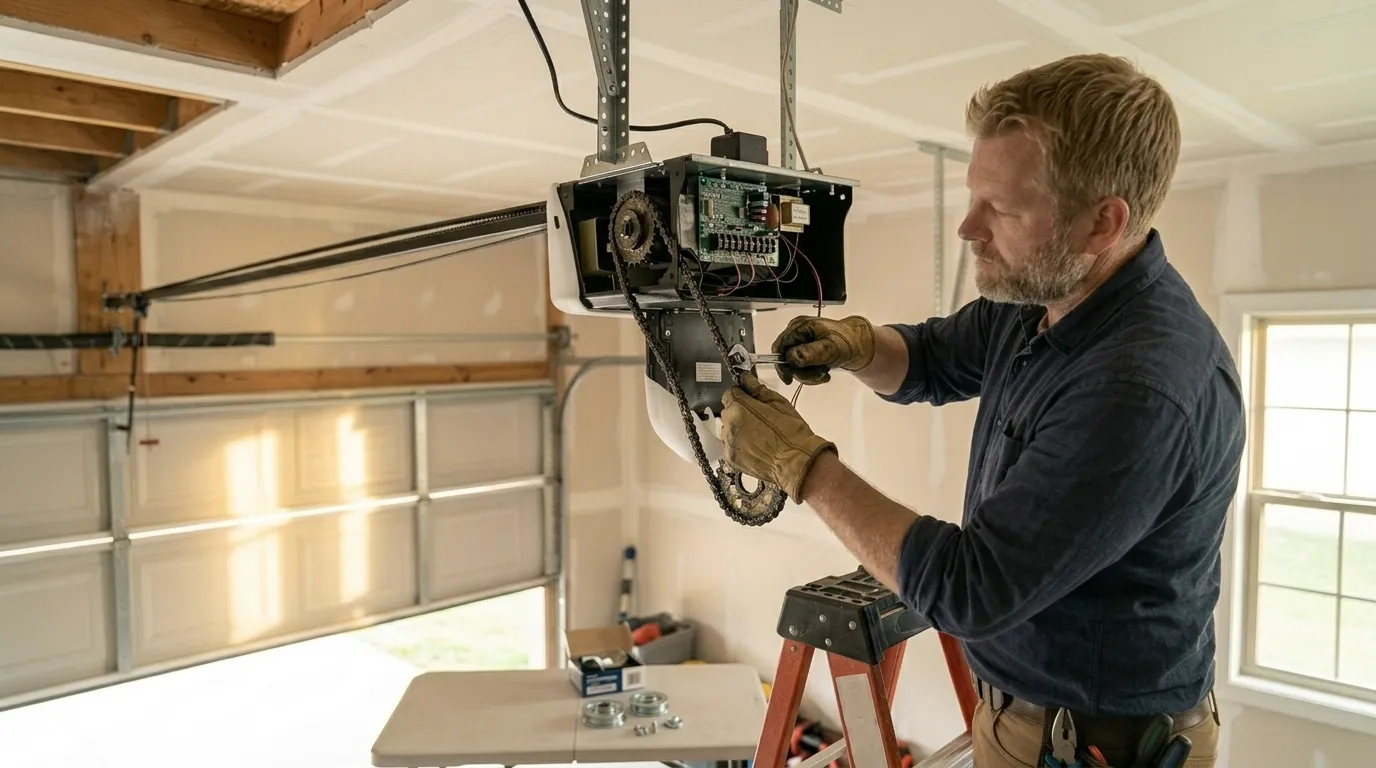
We stock standard-gauge galvanized lift cable in the lengths that fit the torsion and extension setups most common on 1970s-90s doors, since that's the bulk of what we run into across this part of the service area. What we don't carry on the truck is a matched replacement drum for every pre-1970 hardware set - some of the oldest Columbus doors used drum sizes that aren't made anymore, and in those cases we either source a compatible modern equivalent or, if the drum's too worn, recommend replacing the full torsion assembly rather than chasing an obsolete part.