Can You Do This Yourself
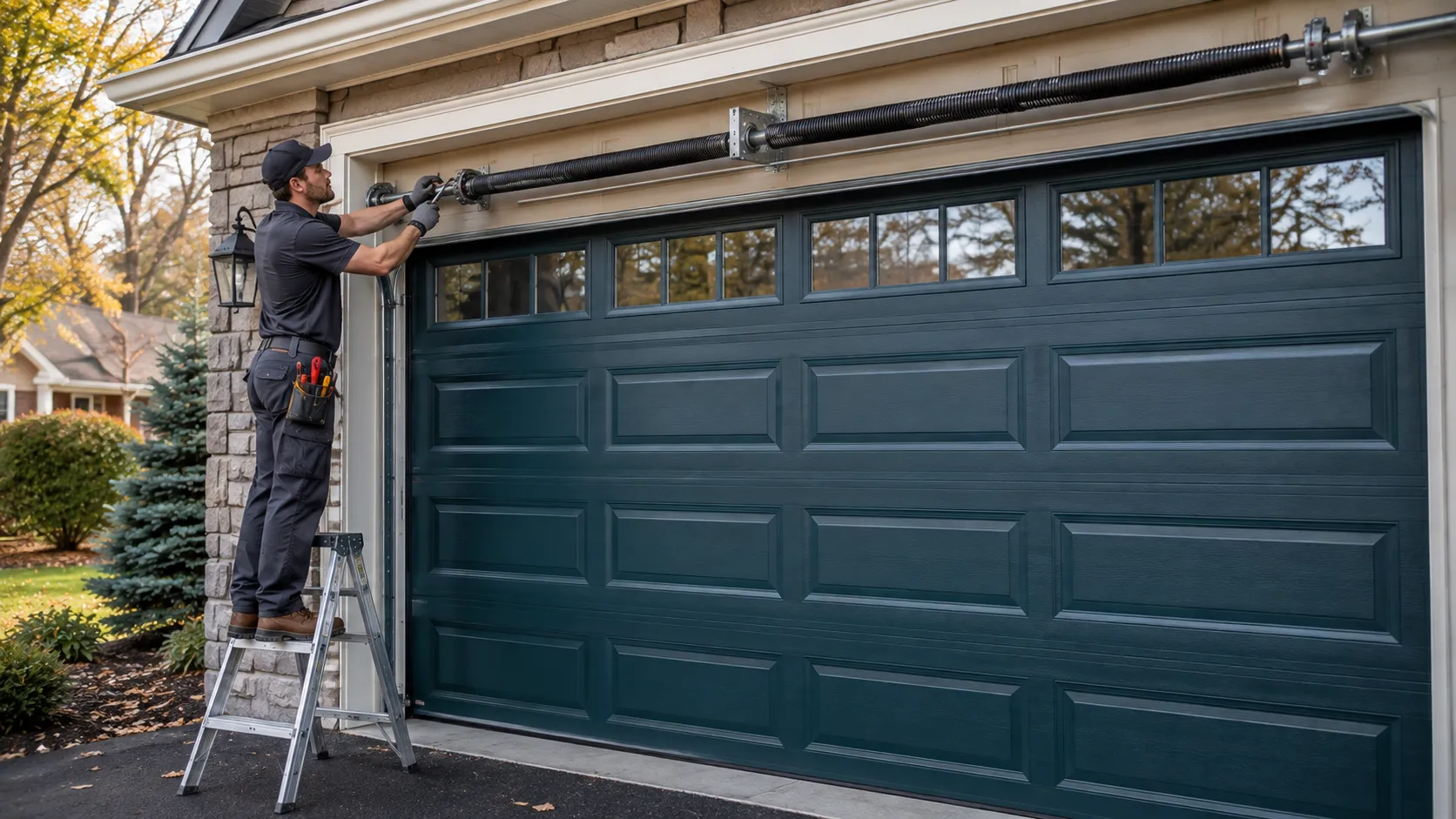
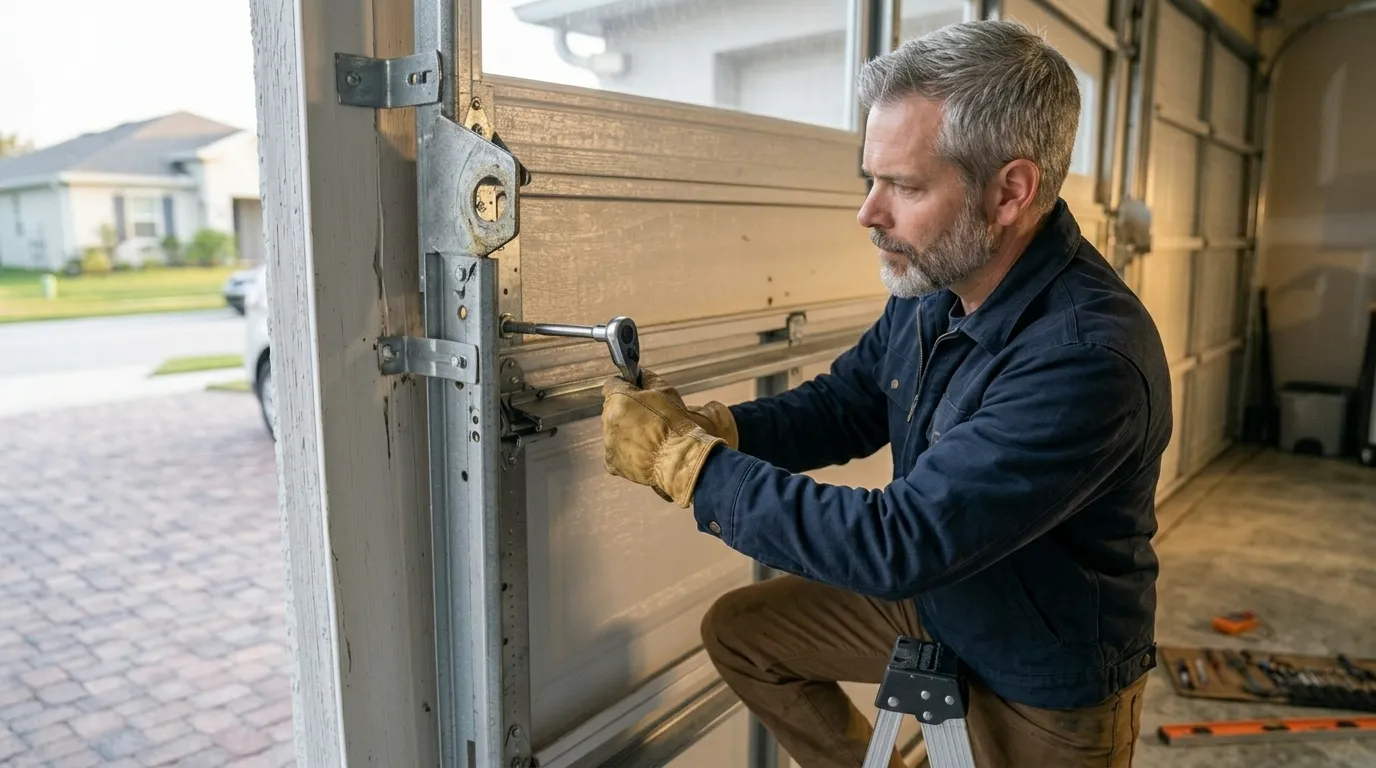
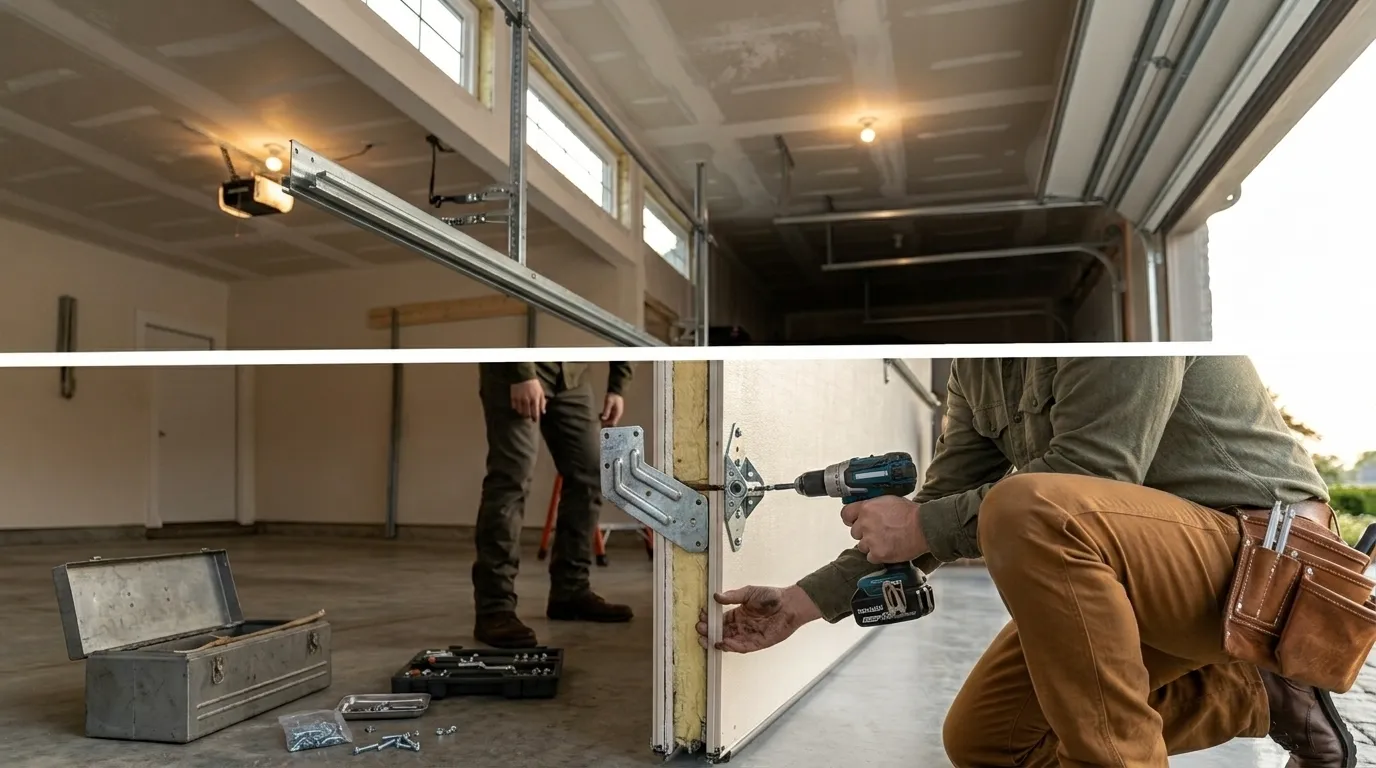
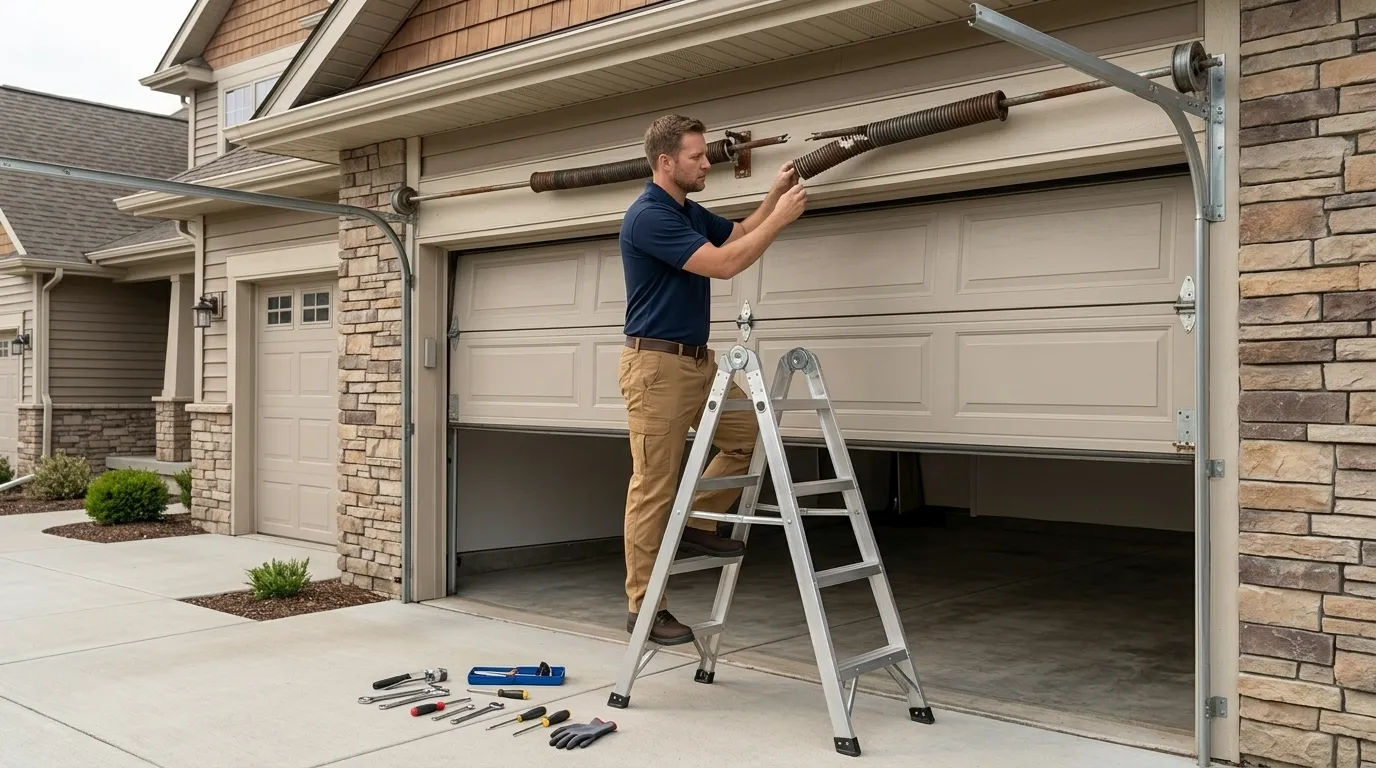
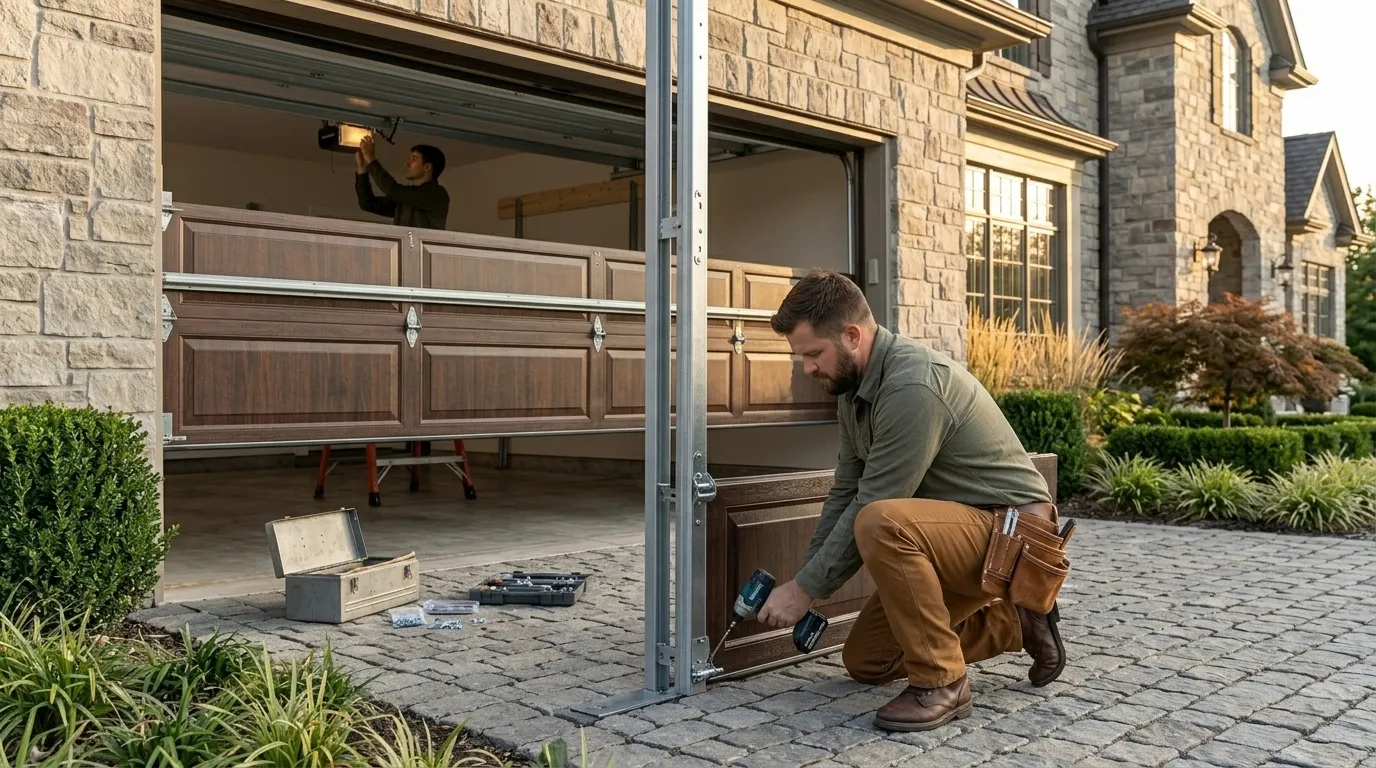
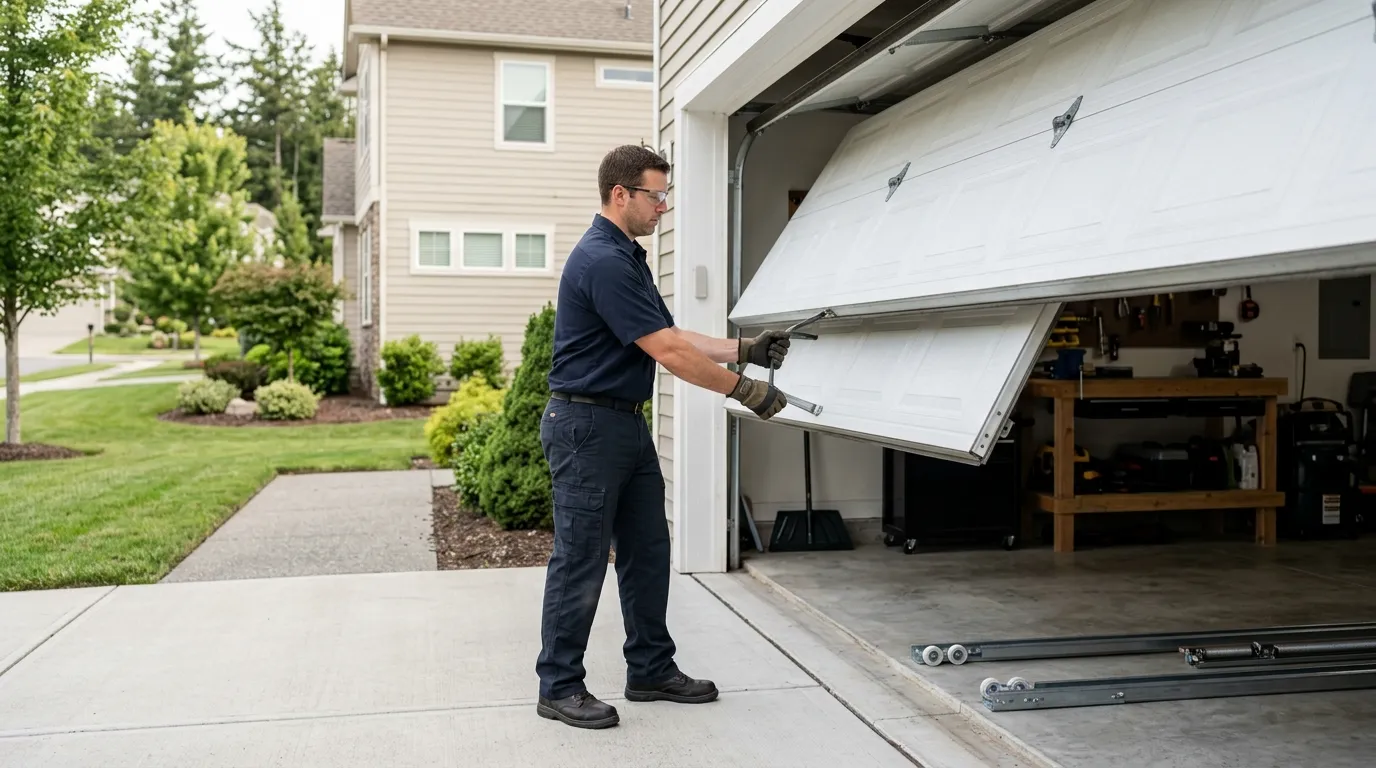
Swapping rollers is one of the few garage door jobs a handy owner can do without calling anyone. If the door is off its torsion spring load - meaning it's down and closed, spring tension resting on the bottom bracket - you can pull the old rollers out of the hinges one at a time and slide new ones in. The part where people get hurt is the top section, where the roller sits inside the track near the spring anchor. That's where we tell owners to stop and call, especially on the double doors common on Columbus's older lots, because a torsion spring under tension doesn't forgive a mistake. If your door has a broken cable or a spring that's already let go, don't touch it - that's not a roller job anymore, that's a different call. Rollers themselves: buy nylon with a sealed bearing, not the bare steel wheel the door probably shipped with in 1959. It runs quieter and doesn't need the monthly grease steel rollers demand. Budget an afternoon if you're doing all ten to twelve rollers on a two-car door, less if you're only replacing the two or three that are actually worn.
How It Shows Up
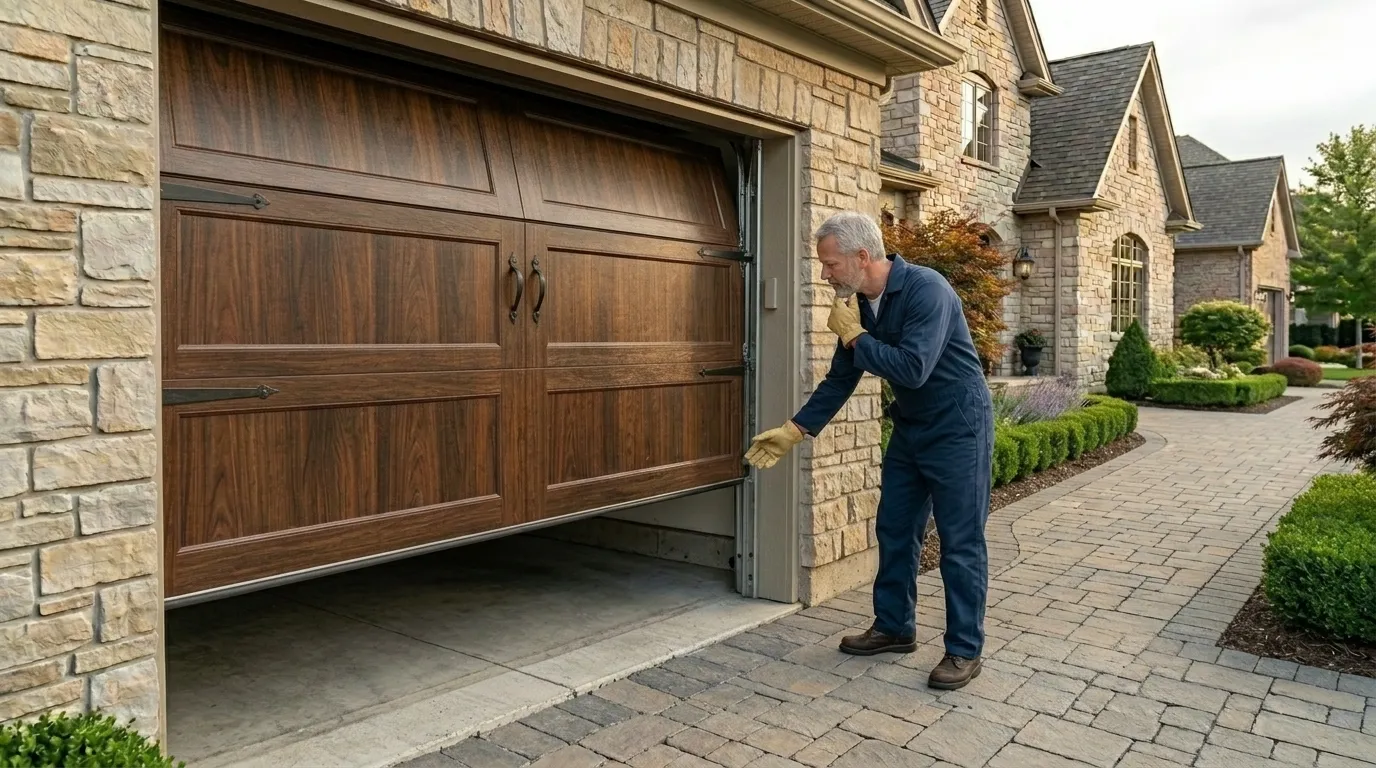
In a town where the median house went up in 1959 - well before the 1980s-90s stock that makes up most of the surrounding service area - the original steel rollers on a lot of these doors have been running dry for decades. You hear it before you see it: a grinding rattle every time the door travels, worse at the top of the track where the roller carries the most weight. Some owners notice the door hangs up halfway, jerks, then keeps going - that's a roller that's worn oval instead of round, catching in the track instead of rolling through it. On older single-car doors, common on these smaller in-town lots, one bad roller near the top bracket can throw the whole panel off level enough that the opener strains against it. Left alone, a worn roller chews the track itself, and then you're not buying rollers anymore, you're buying track.
The Complications
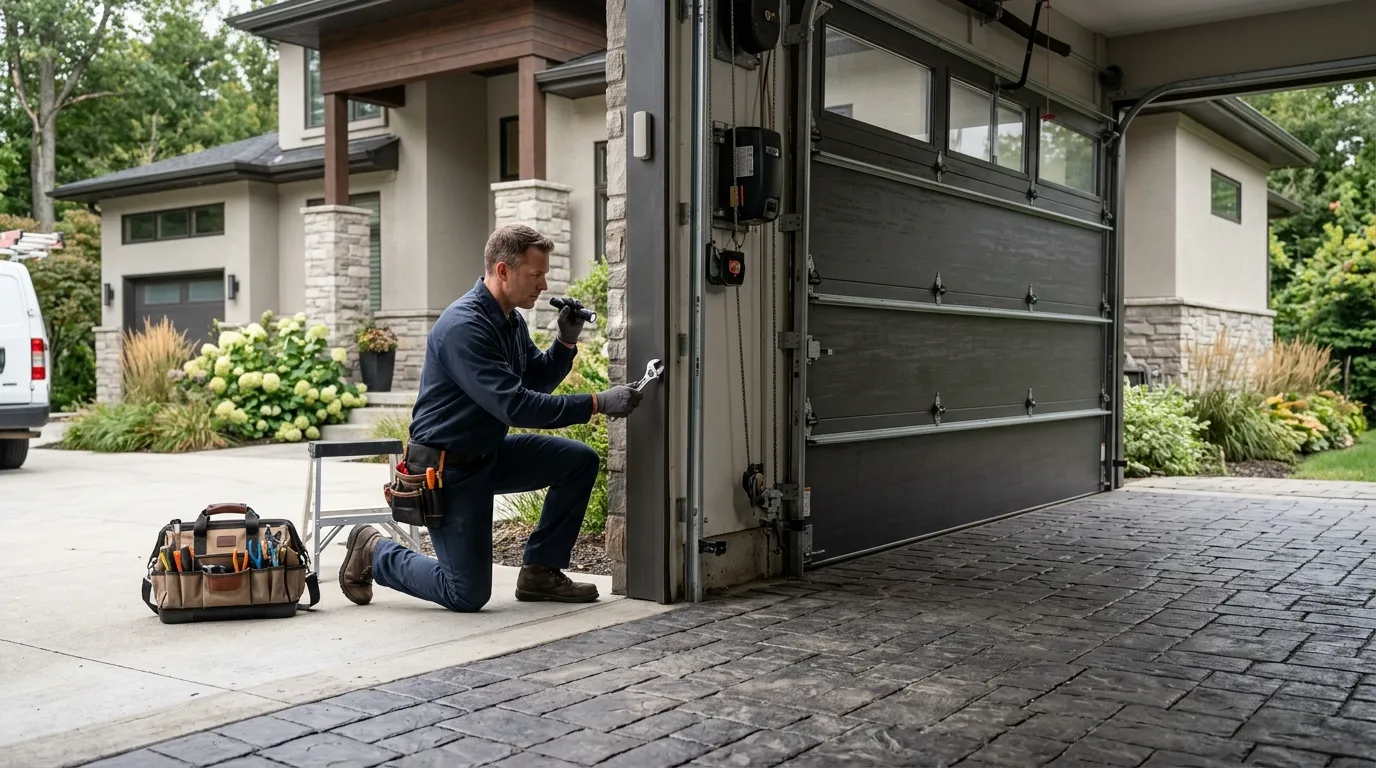
Sun Prairie Garage Door Pros covers Columbus from about 15 miles out, so we schedule the trip - we don't have a branch sitting in town, and we won't pretend otherwise. That means a same-day roller swap gets booked around the route, not walked to on a whim. On the work itself, the complication in this climate band is cold. Grease on steel rollers thickens and seizes in a hard freeze, which is exactly why a 1959-built door that's never been converted to nylon tends to bind hardest on the coldest mornings of the year. Another complication: track alignment. On older homes here, decades of settling can leave the vertical track slightly out of plumb, which wears rollers unevenly on one side of the door before the other. Swap the rollers without correcting that lean and you'll be back to the same wear pattern in a year or two.
Parts We Carry
We carry sealed-bearing nylon rollers in the stem lengths that fit both older steel hinge brackets and newer adjustable ones, so we're not guessing at what a 1959-era door needs versus a door built in the 1980s stock more common across the wider service area. We also carry steel rollers for owners who specifically want to match original hardware rather than upgrade - some do, usually on a door they're not planning to keep much longer. What we don't stock on the truck is custom track sections; if a roller job turns into a track replacement because of wear or a bent rail, that part gets ordered and the job runs on a second visit. We'd rather tell you that up front than promise a same-day fix we can't deliver.