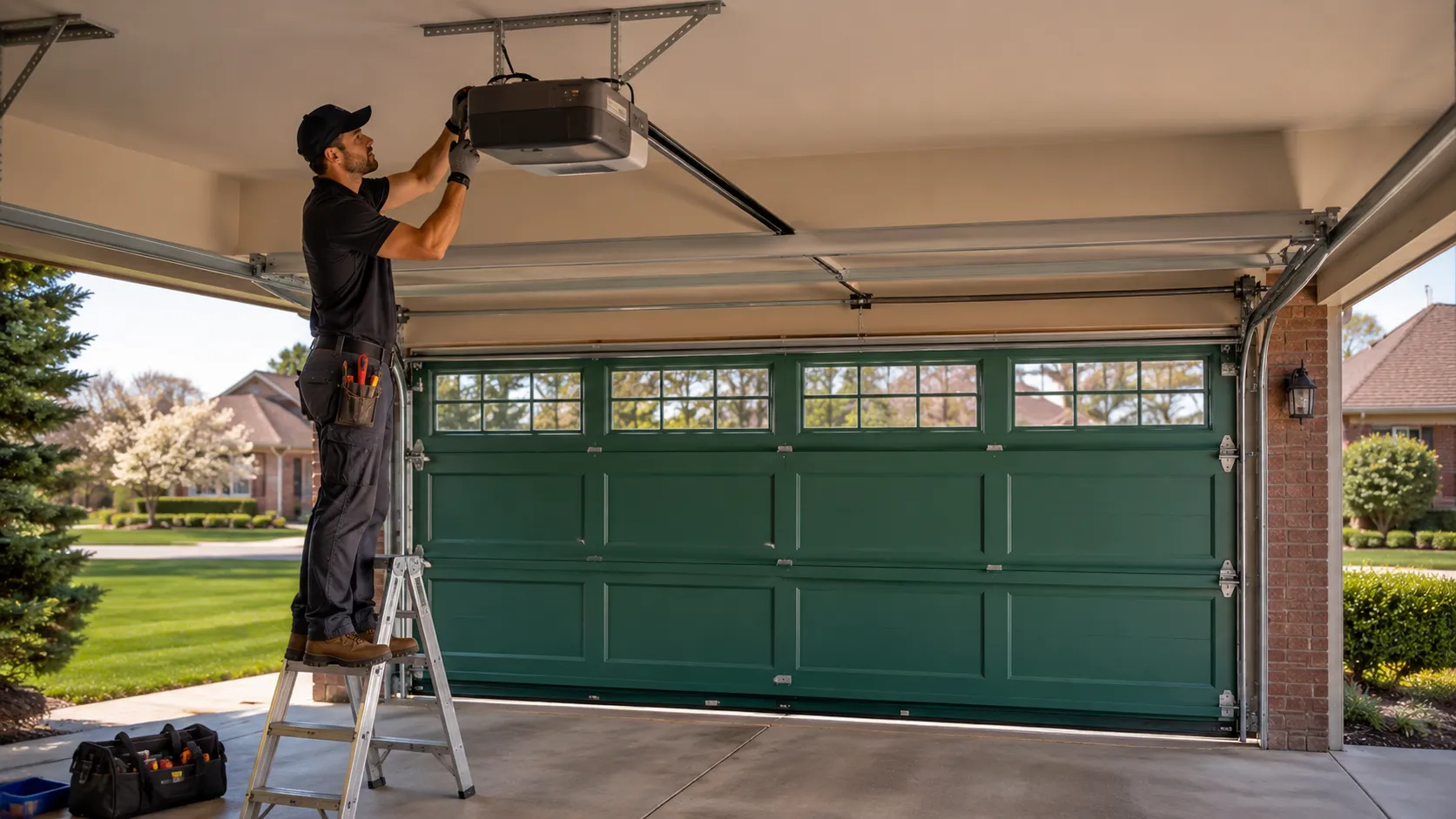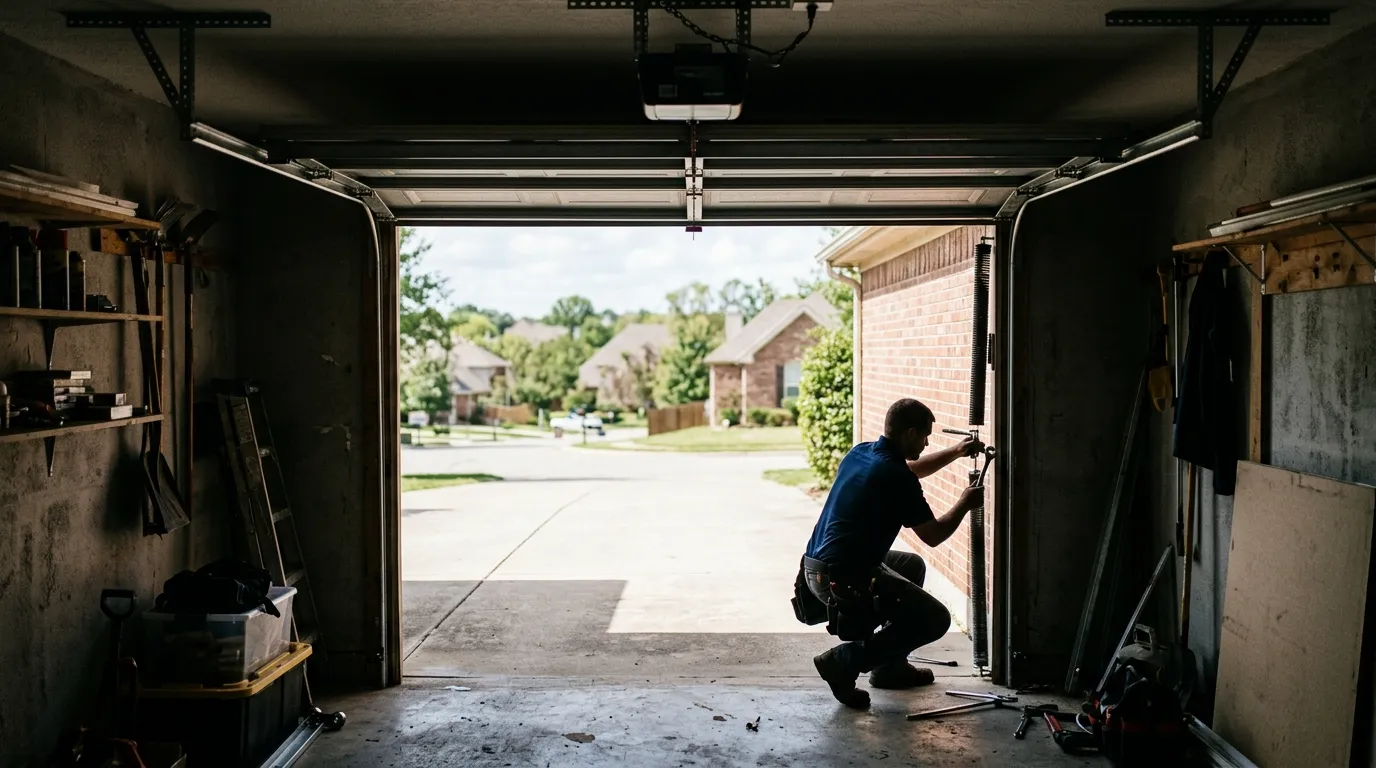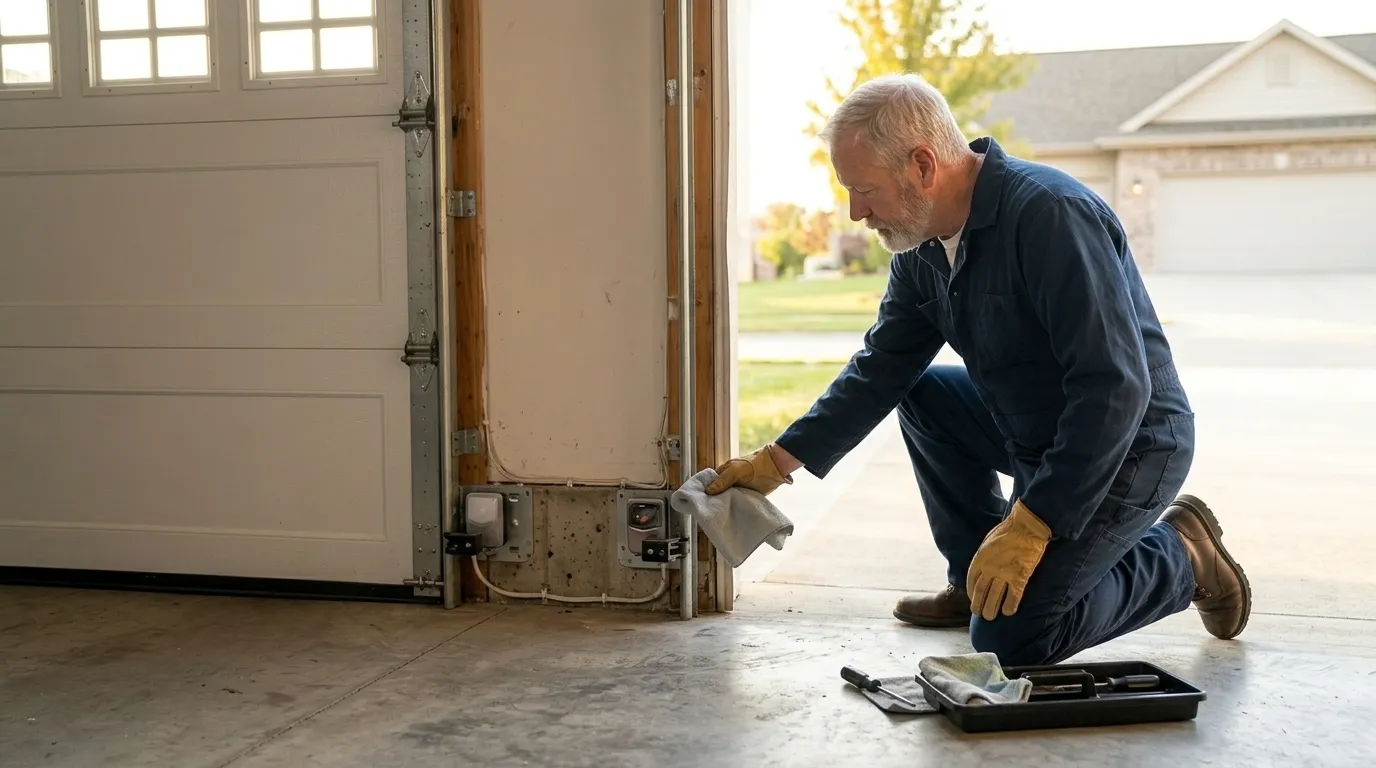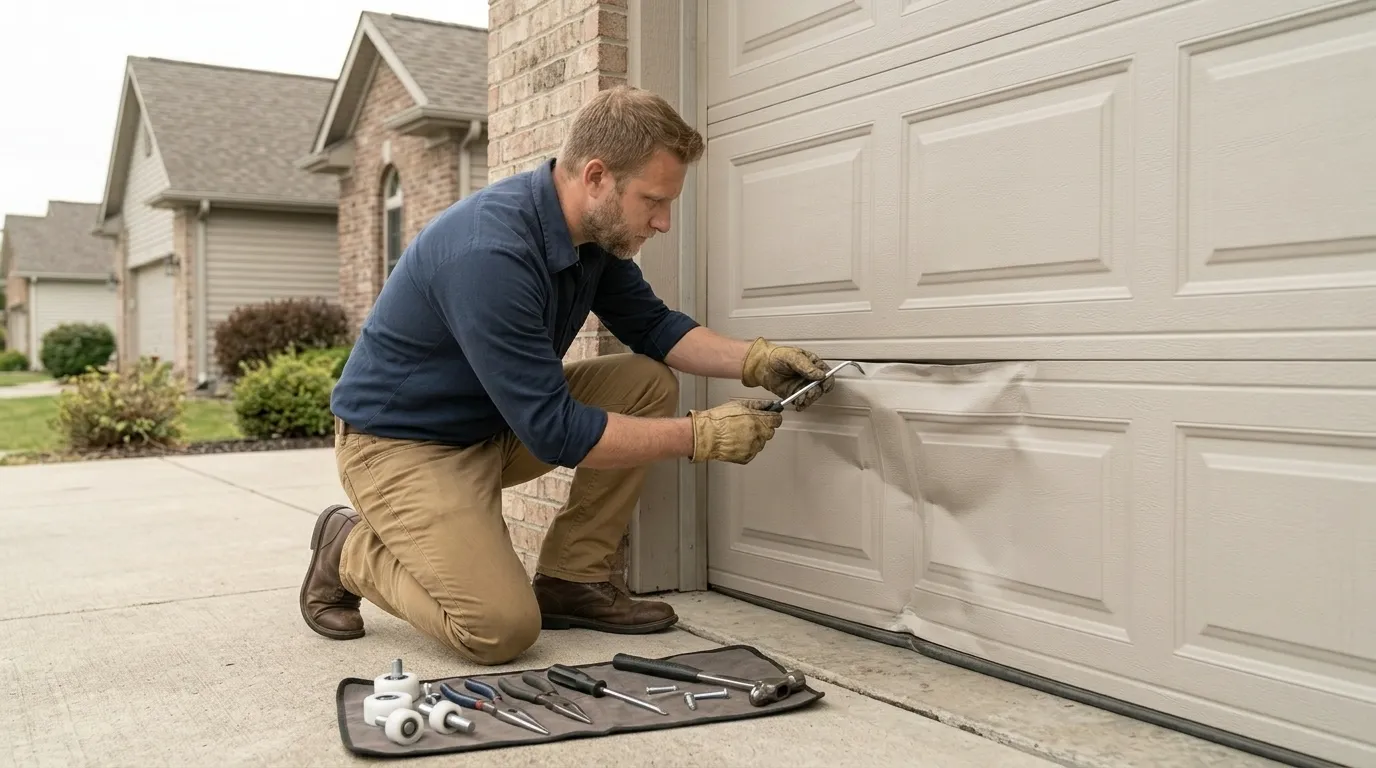
Can You Do This Yourself
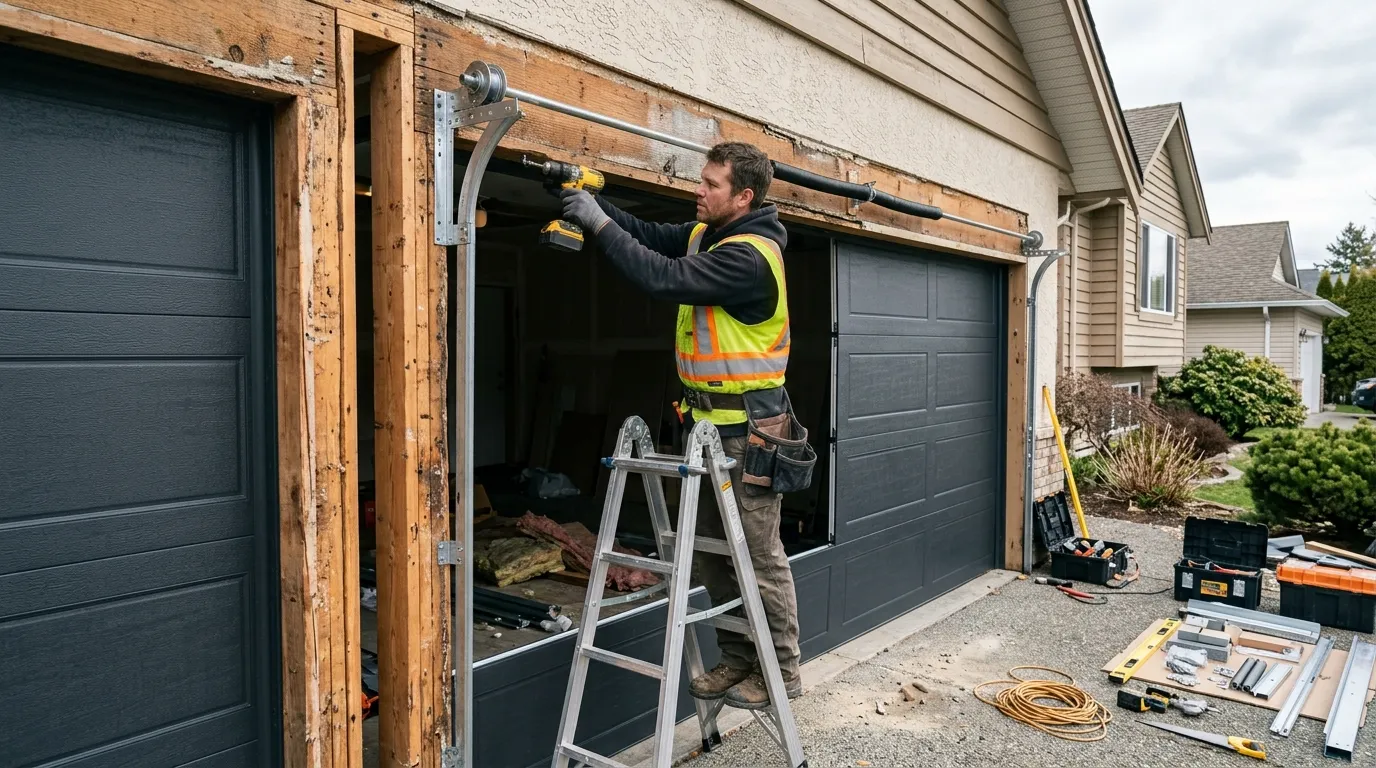
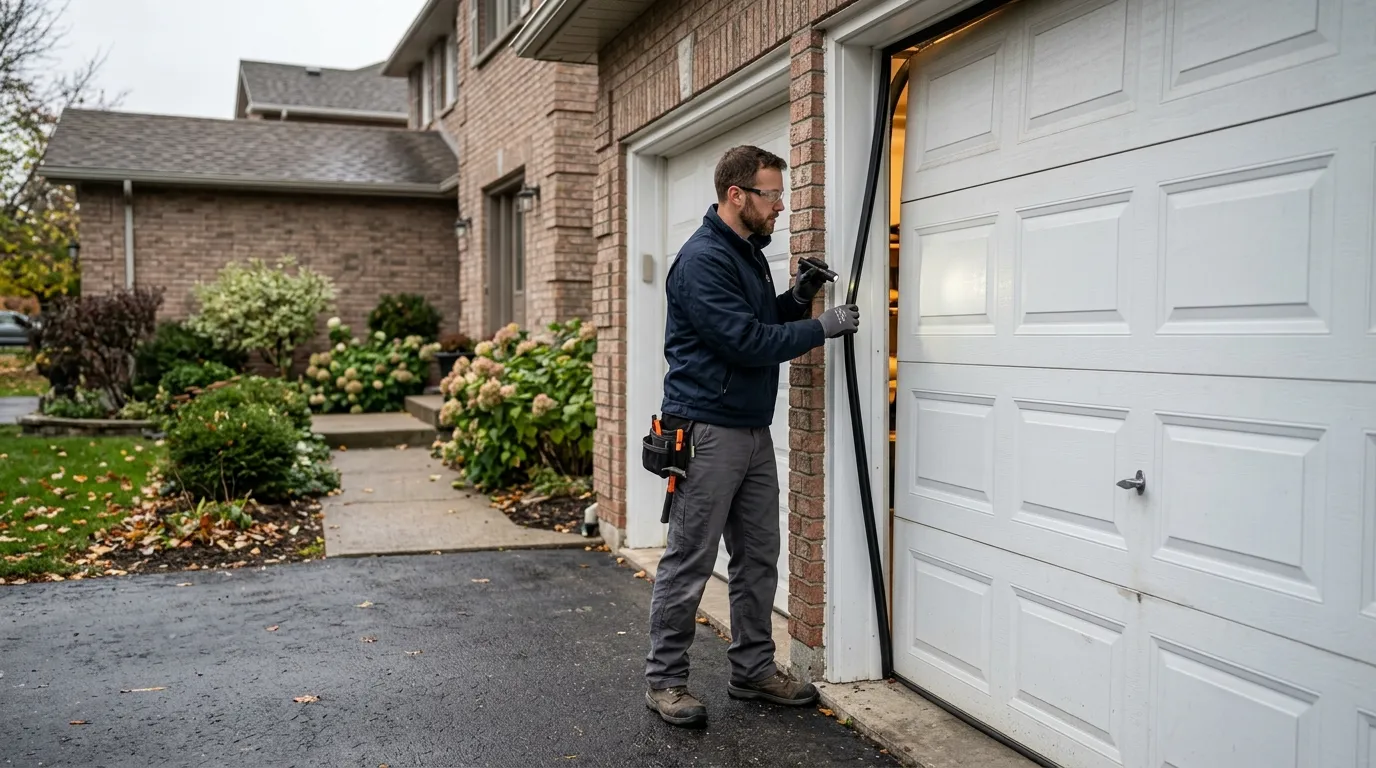
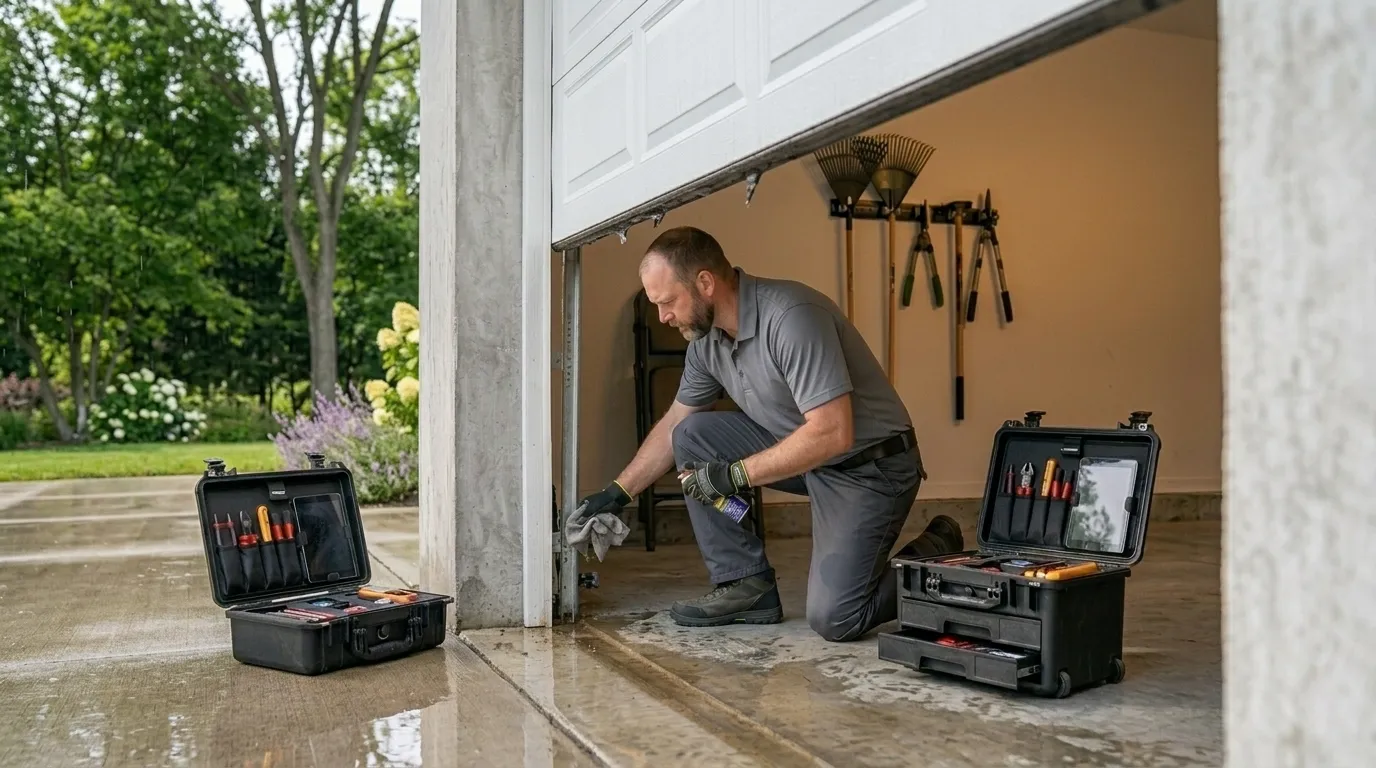
Columbus's median home dates to 1959, which puts a lot of doors in this town well ahead of the 1986 median across the wider Sun Prairie service area. That gap matters. A homeowner can handle wiping down tracks, checking weatherstripping, and listening for new noises. What you shouldn't touch is anything under spring tension - and on a house built in 1959, that spring and its mounting hardware are more likely to be an older extension-spring setup than the torsion systems that became standard later. Those older systems store energy differently, the safety cables are often missing entirely on doors that predate them being common, and the failure mode is faster and less forgiving than people expect. Lubricating hinges and rollers, tightening loose bolts on the track brackets, and testing the auto-reverse with a piece of wood on the floor - all fine, all worth doing twice a year. Pulling a spring, adjusting cable drums, or reworking a bent track is not a weekend project on a house this old. The hardware wasn't built with a DIY repair in mind, and parts for it aren't sitting on a shelf at the hardware store.
How It Shows Up
On a 1959-era door, trouble usually starts as noise before it shows as failure - a grinding on the way up, a shudder partway through the cycle, a door that hangs uneven at the bottom. Extension springs stretched thin from decades of cycles lose tension unevenly, so one side of the door drops faster than the other and the opener strains to compensate. Rollers on original track, if they haven't been swapped, are often steel-on-steel with no nylon sleeve, so the sound alone tells you the age of the setup before you even open the panel. Columbus sits in the same cold-climate band as the rest of this area, and cold makes old lubricant gum up and old metal more brittle, so problems that were minor in September show up as full stalls in January. Households here run smaller and the income median is lower than the broader service area's $98,943, which tends to mean these doors get repaired in stages rather than replaced outright - another reason catching the small noise early is worth more here than in a newer subdivision.
The Complications
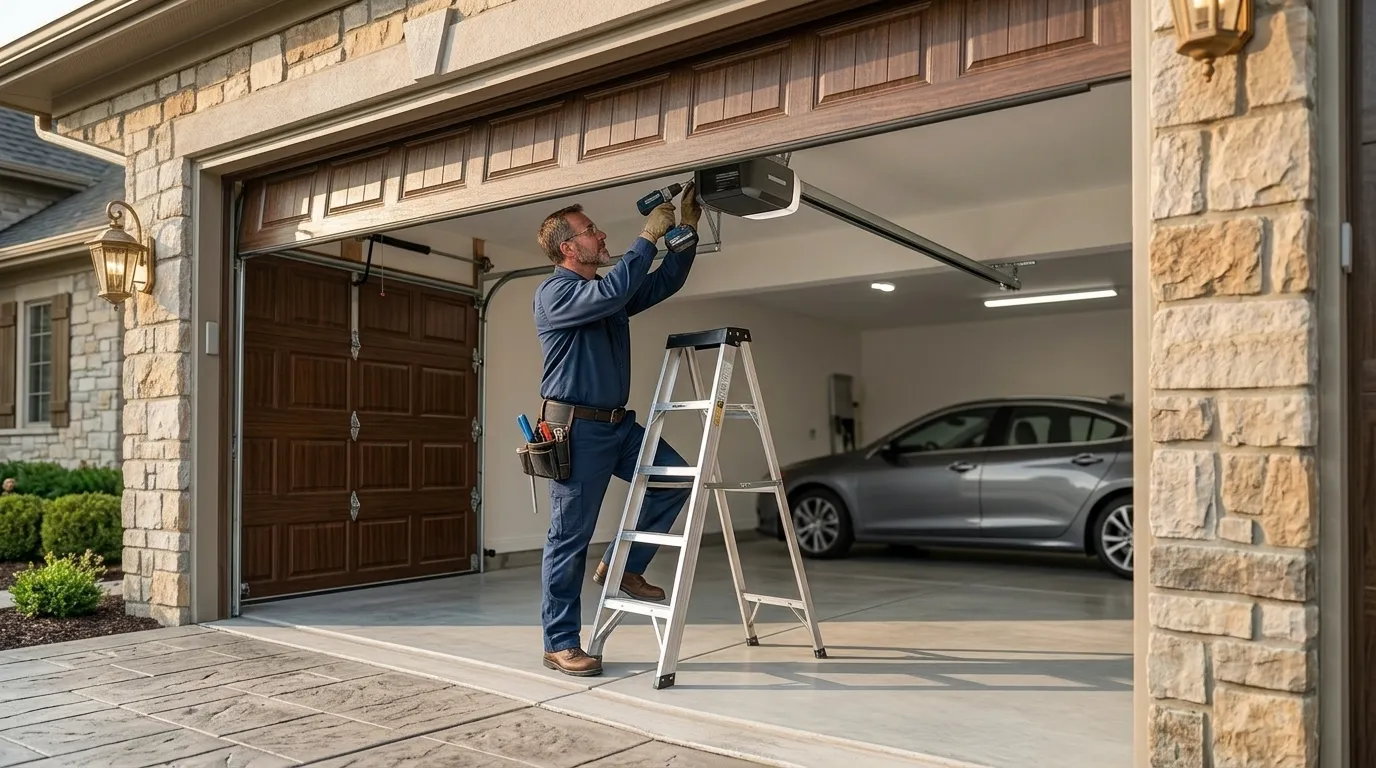
The main complication in a town with a median build year of 1959 is mismatched hardware - a torsion conversion bolted onto a track that was never designed for it, or a replacement opener mounted to a rail that's been shimmed and re-shimmed over the decades. We see it enough in older housing stock to check for it every time rather than assume the door in front of us matches the year on the house. Columbus is 15 miles out from our shop in Sun Prairie, which we plan around rather than treat as an afterthought - we don't keep a branch or a drop point in Columbus, so every job here is a dedicated trip, and we schedule accordingly rather than squeezing it in as a detour. Cold-climate swings add a second layer: metal fatigue that's been building for sixty years doesn't wait for a convenient week to finally let go, and it tends to pick the coldest morning of the year to do it.
Parts We Carry
We stock the rollers, hinges, cables, and standard torsion springs that cover most of the doors we run into across this area. What we don't carry on the truck is a shelf of discontinued extension-spring sizes or original drums for hardware that stopped being made decades ago - if your Columbus door is still running its 1959-era originals, we may need to source a part rather than swap it on the spot, and we'll tell you that up front instead of pretending otherwise. That's the honest limit of what a service truck can carry, not a reason to skip the maintenance call.