Can You Do This Yourself
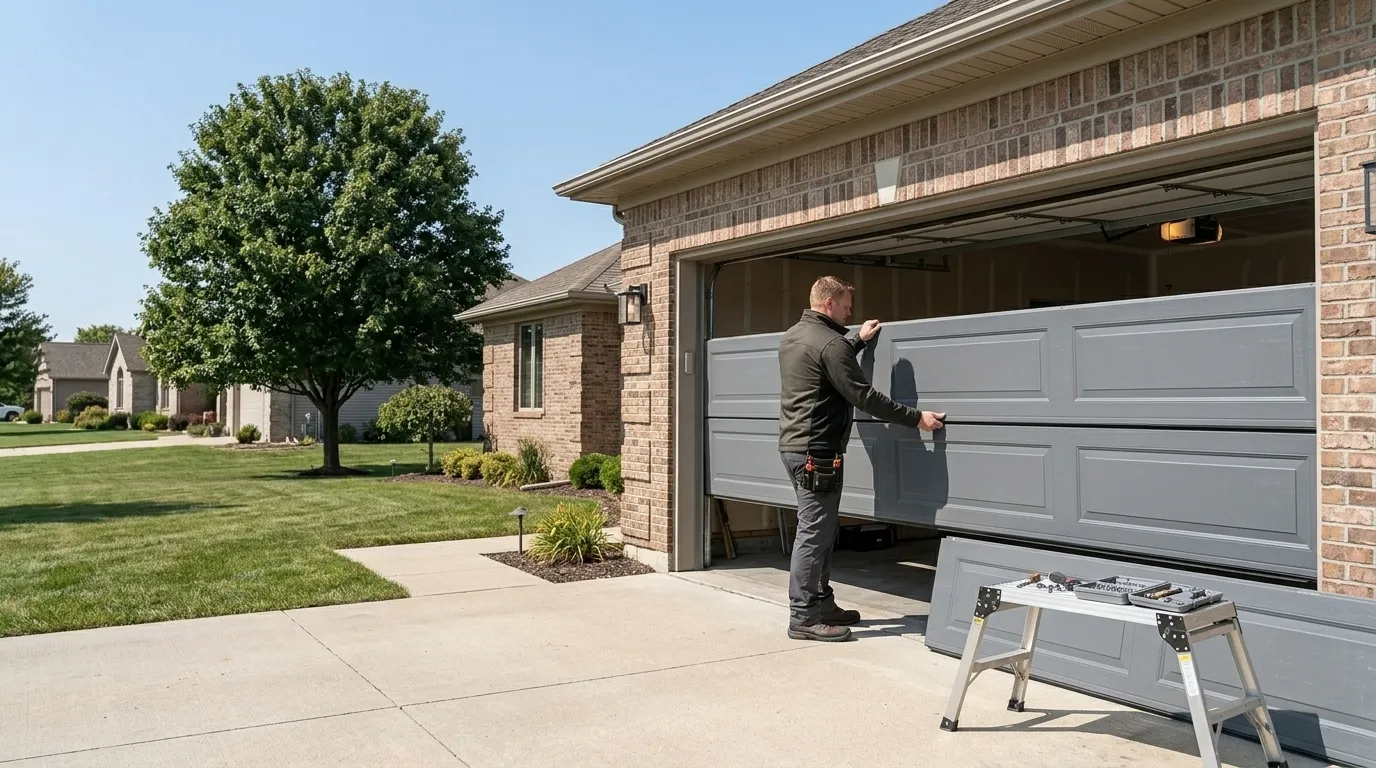
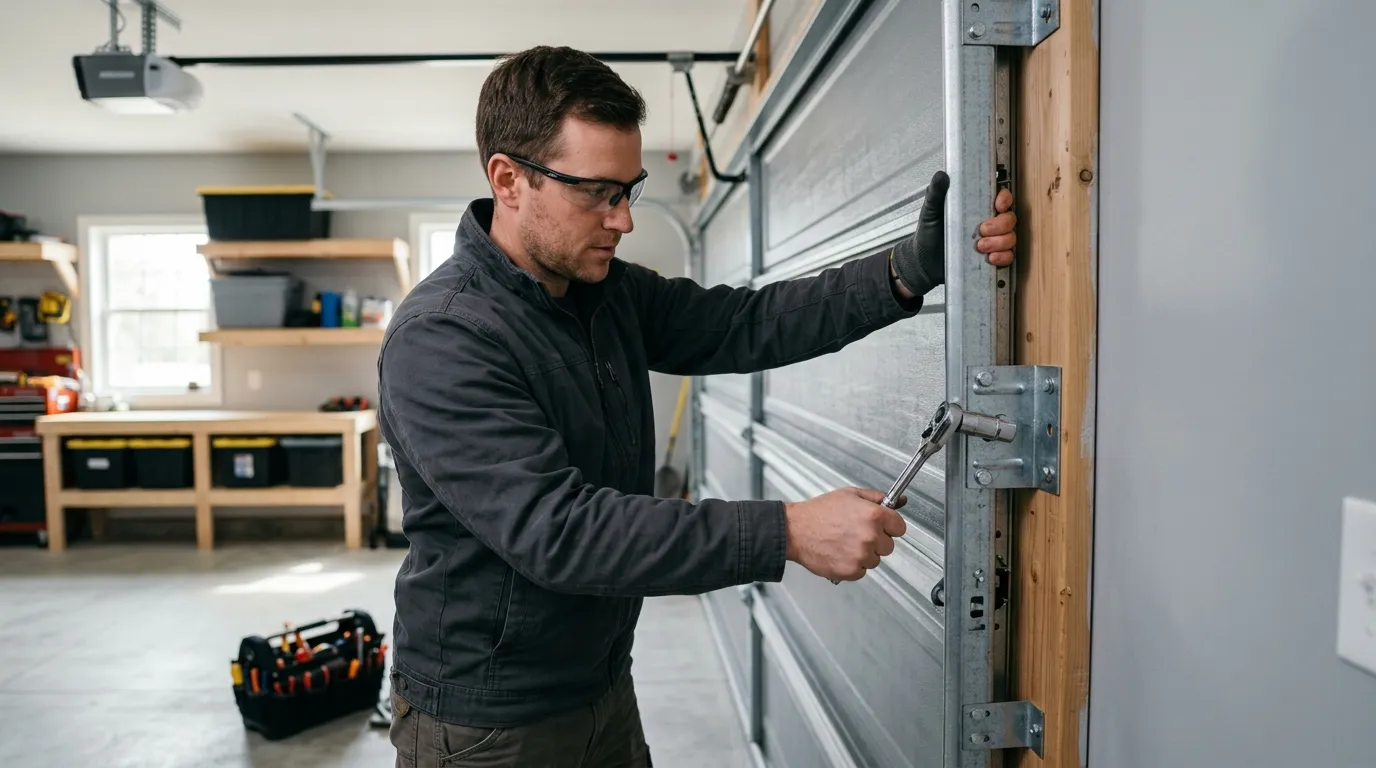
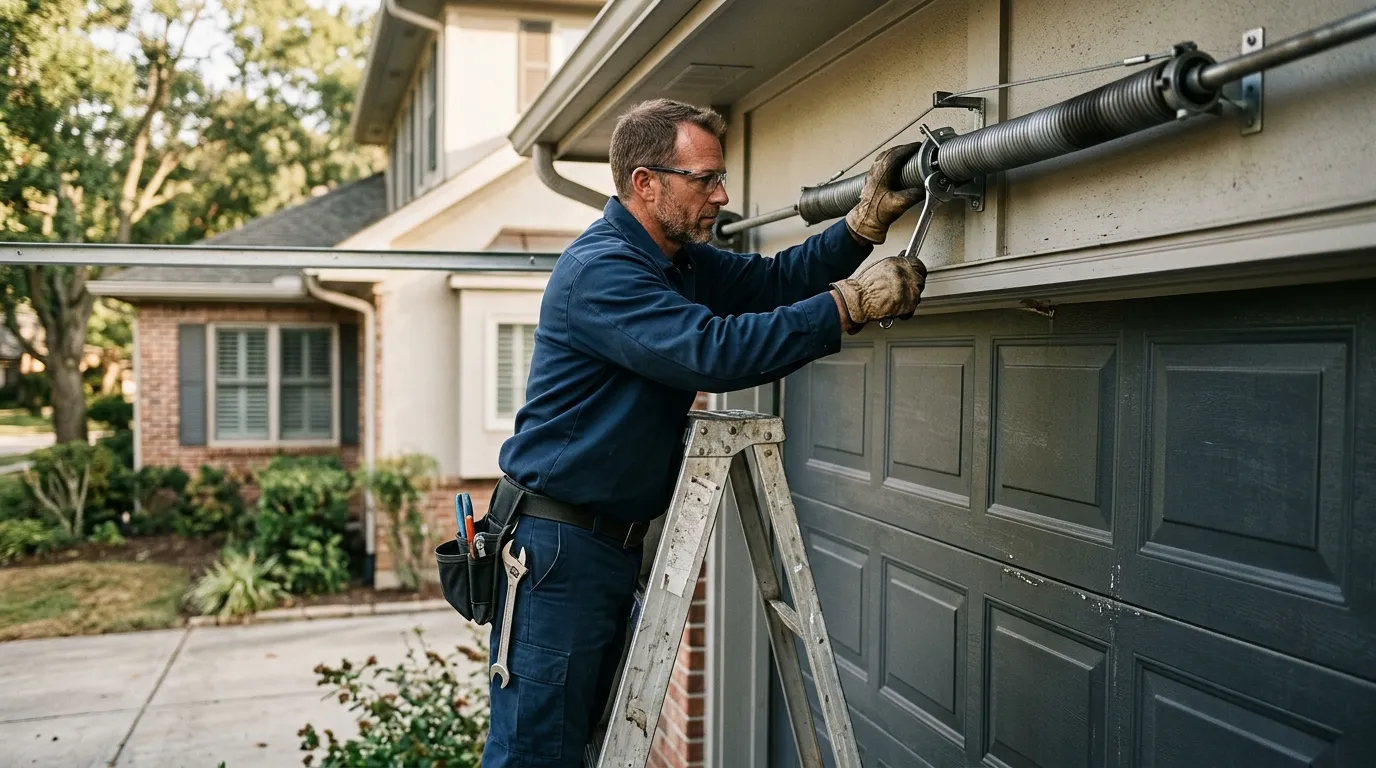
A door built to 1959-era standards doesn't behave like the ones going in across the rest of the service area today, where the median build year runs closer to 1986. Torsion springs on a house this age are usually a heavier gauge wound for a heavier one-piece or early sectional door, and winding one down without the right bar setup has put people in the ER. Rollers and hinges you can handle - a Saturday with a socket set and some silicone spray fixes a lot of noise. Springs, cables, and anything on the torsion tube, leave alone. If the opener has no auto-reverse safety sensors, which is common on installs from this era, that's not a DIY wiring fix either - it's a code question, and we'll tell you straight if it needs a full swap instead of a patch.
The honest limit here: we don't do same-day emergency calls in Columbus. We're driving out from Sun Prairie, roughly 15 miles, so if your spring goes at 7pm on a Friday, you're waiting for the next available slot, not a truck showing up in twenty minutes.
How It Shows Up
With a median build year of 1959, a lot of Columbus garage doors are original or one replacement removed from original - single-layer steel, no insulation, and hardware sized for a lighter door than what's often bolted on now after a retrofit. The fault pattern is predictable: cables that have stretched and frayed past their design life, torsion springs that have taken tens of thousands of cycles more than a 1986-built door's springs have, and center brackets worn oval instead of round.
Cold makes it worse. This area sits in a cold-severe climate band, and steel garage doors from this era don't flex the same in a hard freeze - lubricant gums up, springs lose a little tension every winter, and a door that dragged in October can bind solid by January. If your door groans on the way up and the noise gets worse as it gets colder, that's age and climate stacking on each other, not one bad part.
The Complications
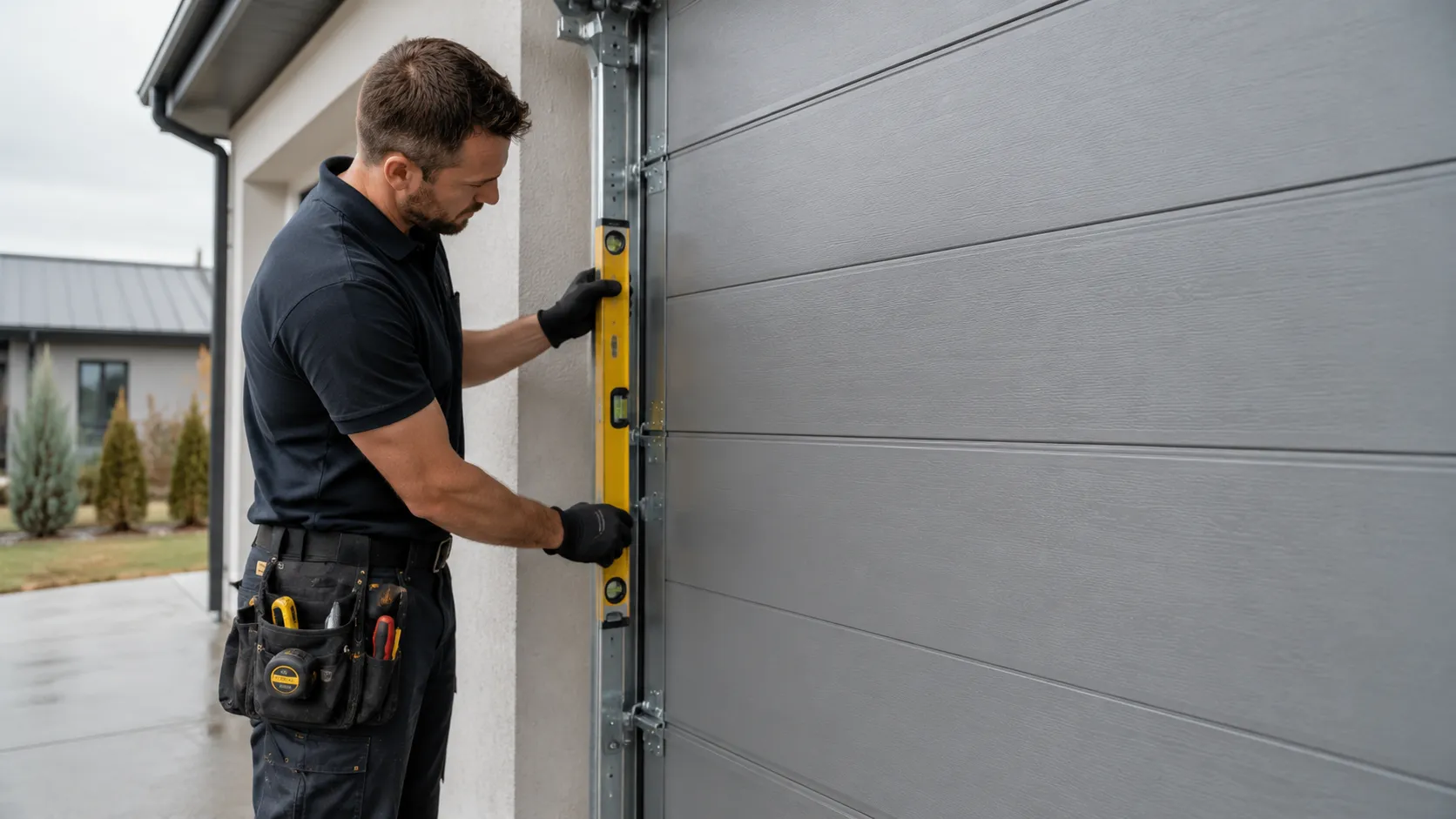
With around 2,434 households in Columbus, this isn't a huge market, and that matters for parts - older doors here sometimes carry track widths or spring drums that newer stock doesn't match exactly, so a repair can mean adapting a modern part to an old frame rather than a straight swap. Openers are another spot where age bites: a chain-drive unit installed decades ago on a heavier original door may be underpowered for a door that's had panels replaced since, and it'll burn out faster than it should.
We also see doors here where a previous owner patched a broken spring with the wrong size, or ran an opener without a working safety reversal system. Both of those we flag and fix properly rather than leave alone, even if that wasn't the original call-out reason.
Parts We Carry
On the truck we carry standard torsion and extension springs, cables, rollers, hinges, and center brackets that fit most sectional doors from the 1959-2001 range that makes up the bulk of housing stock we work on across this area. For older one-piece or heavier original doors from right around Columbus's 1959 median build year, some hardware runs a size or gauge off current standard stock, and that's the one we may need to order rather than fix on the spot.
We don't stock glass panel inserts or custom color-matched sections - those go through a supplier order regardless of which town we're in, and lead time depends on the manufacturer, not on us.