24/7 Emergency Service Open 7 days · 7am–8pm Serving Sun Prairie, WI & nearby
(608) 534-3640
Sun Prairie, WI

What the 1980s Housing Boom Means for Your Garage Door

Sun Prairie homes mostly date 1959-2001, heavy 1980s-90s stock, in a severe cold climate that hammers garage door springs, openers, and tracks each winter.

What the 1980s Housing Boom Means for Your Garage Door

The Problem

Across the 30 named areas that make up this service territory, most houses went up between 1959 and 2001, with the median landing around 1986 and the heaviest concentration of homes built in the 1980s and 90s. That matters more than people think. A door and opener installed when a house was new is now three, four, sometimes five decades old, and the torsion springs, track brackets, and drums on those original setups were sized for the steel doors and hardware standards of that era, not for what gets sold today. On top of that, this area sits in a severe cold climate band. Cold doesn't just make a spring feel stiffer, it changes how much force the spring has to give the door on a 10-degree morning versus a 60-degree afternoon, and hardware from the 80s and 90s wasn't engineered with today's insulated panel weights in mind. Put an original spring under a heavier retrofit door in a hard freeze and you've got a mismatch waiting to snap a cable or tear a bracket loose.

What Most People Get Wrong

The most common mistake is treating a stuck or noisy door as a single fix, when the real issue is a chain of small mismatches built up over 30-plus years. Someone replaces panels on a 1980s door without checking whether the spring gauge still matches the new weight. Someone swaps an opener for a stronger unit and never adjusts the travel limits for a track that's been shimmed twice already. Each change is reasonable on its own, but stacked on housing stock this old, they add up to failures that look random but aren't. People also assume a cold-weather symptom, like the door feeling heavy on a January morning, is normal wear rather than a sign the spring tension was never re-set for this climate band. It's not that homeowners are careless. It's that a door system installed in 1986 was never built to be evaluated as a whole system 35 years later, and most repairs treat it piece by piece instead.

Leaving It Alone

A torsion spring under strain in a severe cold climate doesn't fail gracefully. It goes from working to snapped, usually on the coldest morning of the week, and usually while someone's half under the door. Cables fray the same way, a little more each winter, until they let go all at once. On houses from the 1959-2001 stock this area is built on, a lot of the original hardware is no longer something a supplier keeps on the shelf, which means a broken part on an original setup can mean a longer wait than it would on a newer door. Here's the honest part: not every door from that era is worth repairing piece by piece. If the drums, track, and spring are all original and one goes, replacing the whole system is often the better call rather than chasing parts for a door that's going to need the next component in a year or two anyway. Deferring that decision doesn't save money, it just moves the failure to a worse moment.

How Local Conditions Play In

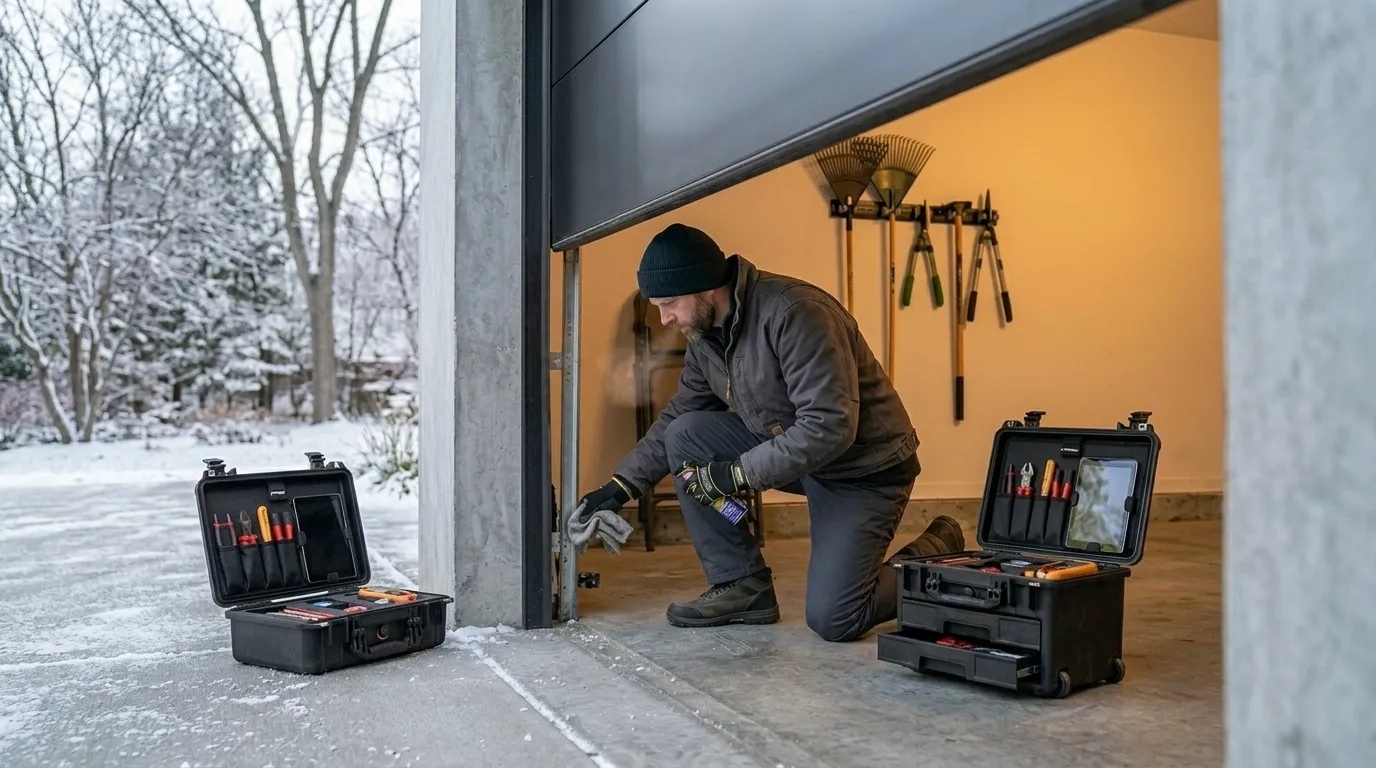
The severe cold band this area sits in is the biggest single factor in how these doors fail, because metal contracts and lubricant thickens right when the door is being asked to move the most, first thing in the morning before the garage has warmed at all. Combine that with a housing stock that's mostly 1980s and 90s vintage and you get a specific, recurring failure pattern rather than a random one. On the ownership side, this is a homeowner-heavy area, with 34,734 owner-occupied houses among 69,753 households in the service area, and a median household income of $98,943, which shapes a lot of the repair-versus-replace calls we get, since most owners here are deciding for a house they plan to keep, not flip. The service area stretches out to nearby communities like Windsor and Bristol, both about five miles out, DeForest and Cottage Grove around six, and Waunakee about ten, all sharing roughly the same housing age and climate exposure.
How it works

From “it’s stuck” to “it’s fixed”

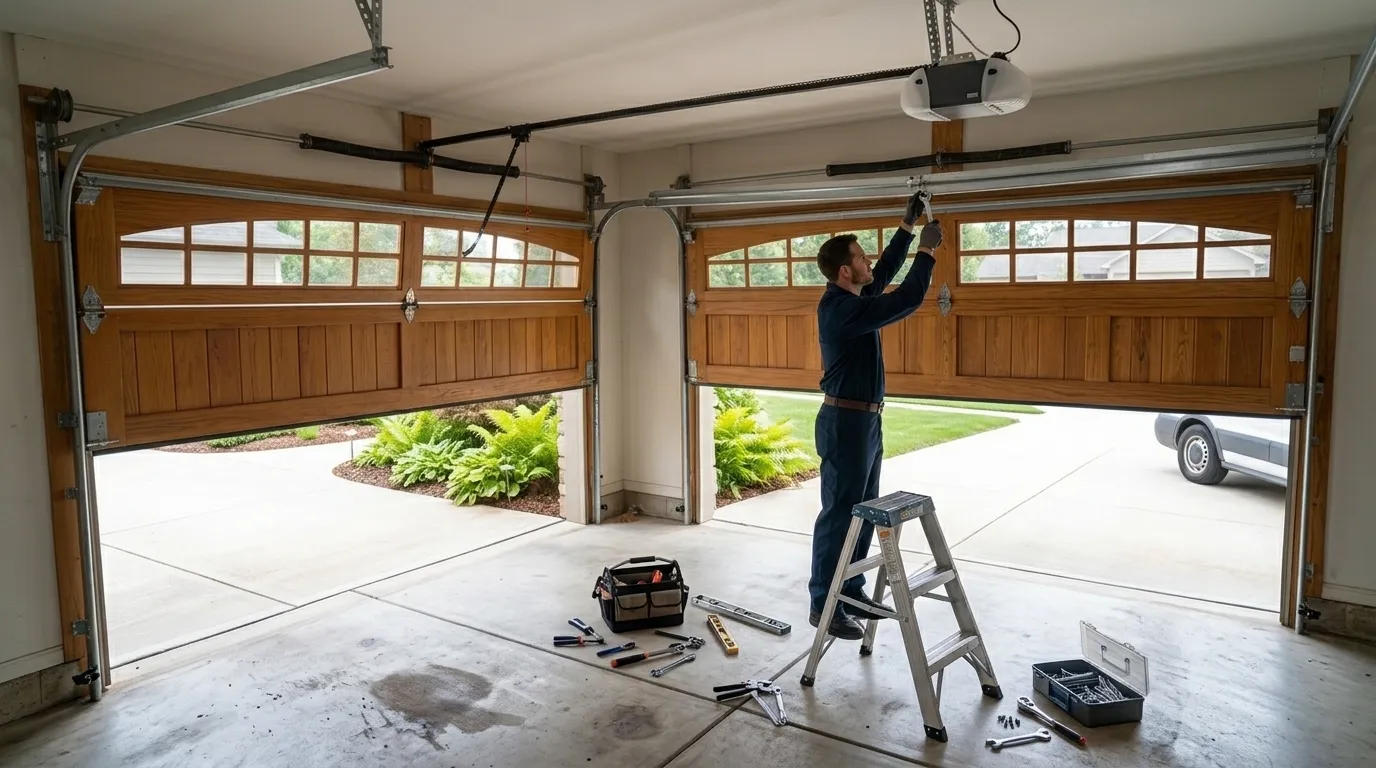
Tell us what’s wrong - Sun Prairie garage door service

Tell us what’s wrong

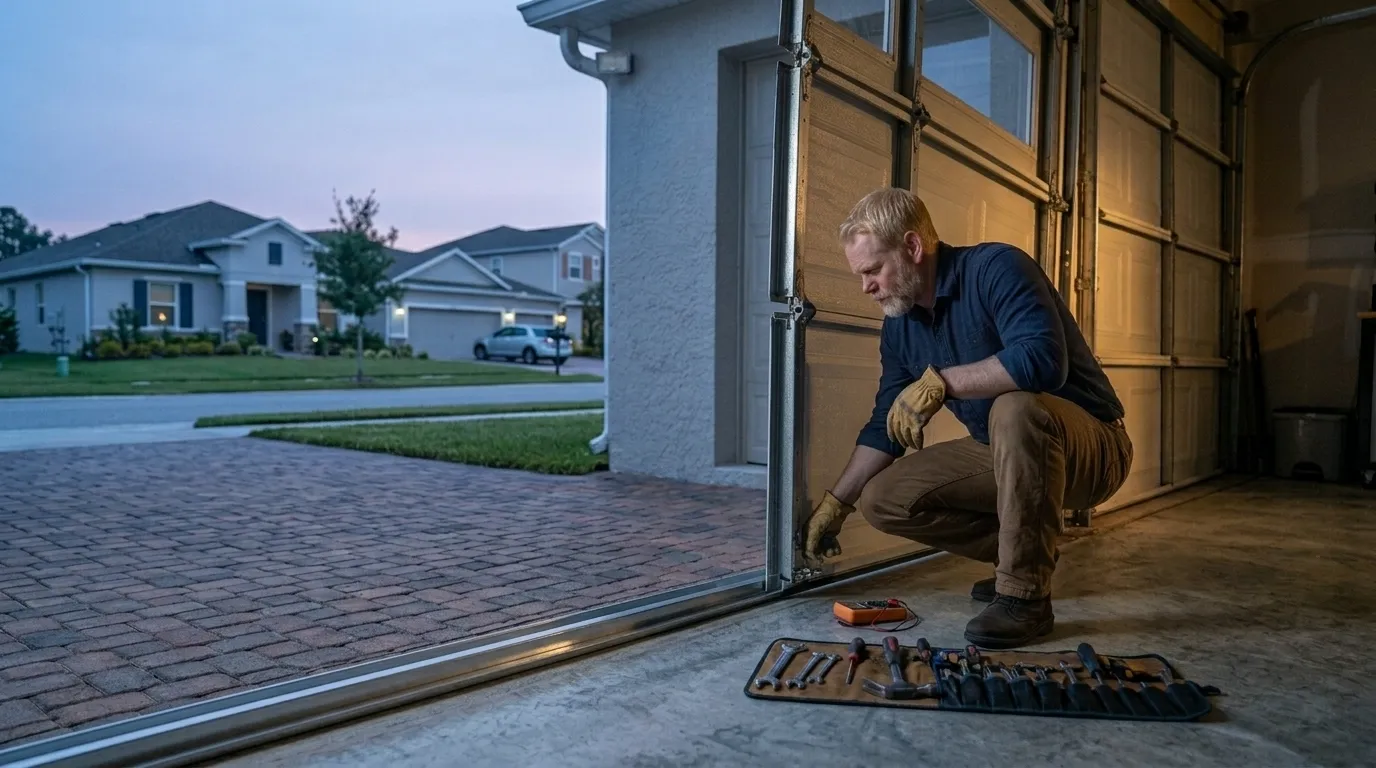
Describe the symptom - won’t open, loud bang, opener runs but the door won’t move.

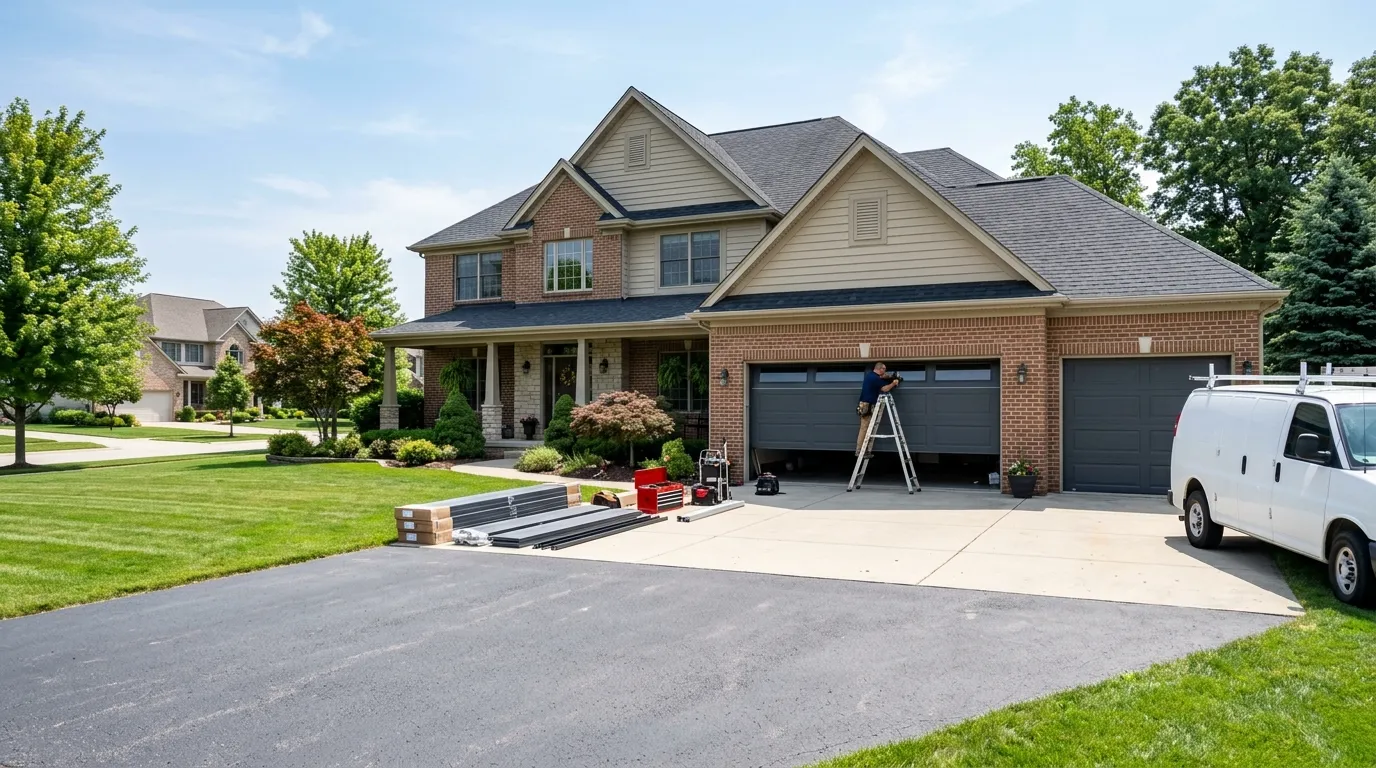
On-site diagnosis - Sun Prairie garage door service

On-site diagnosis

A technician tests the door under power and by hand and finds what actually failed.

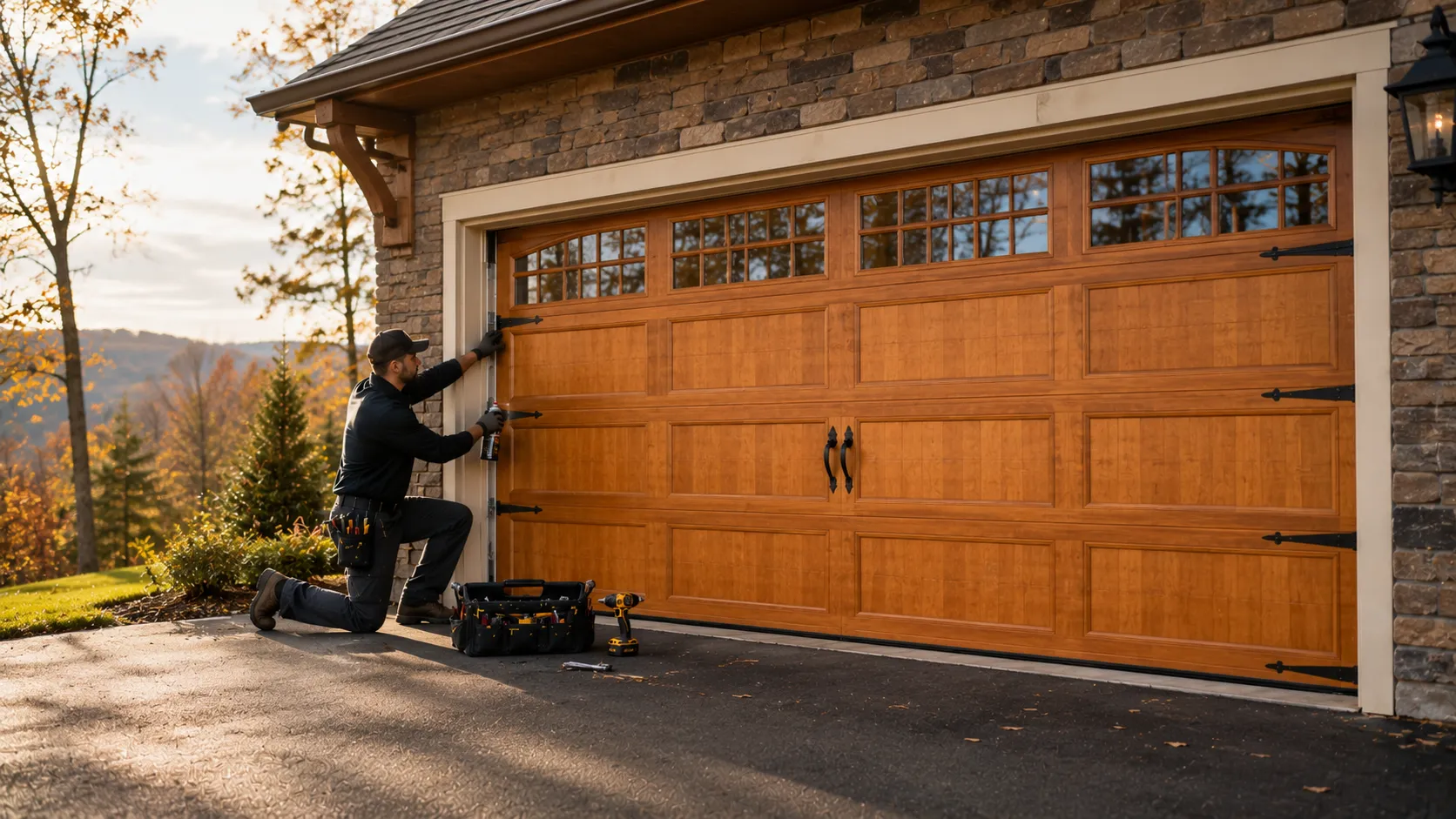
Clear, up-front plan - Sun Prairie garage door service

Clear, up-front plan

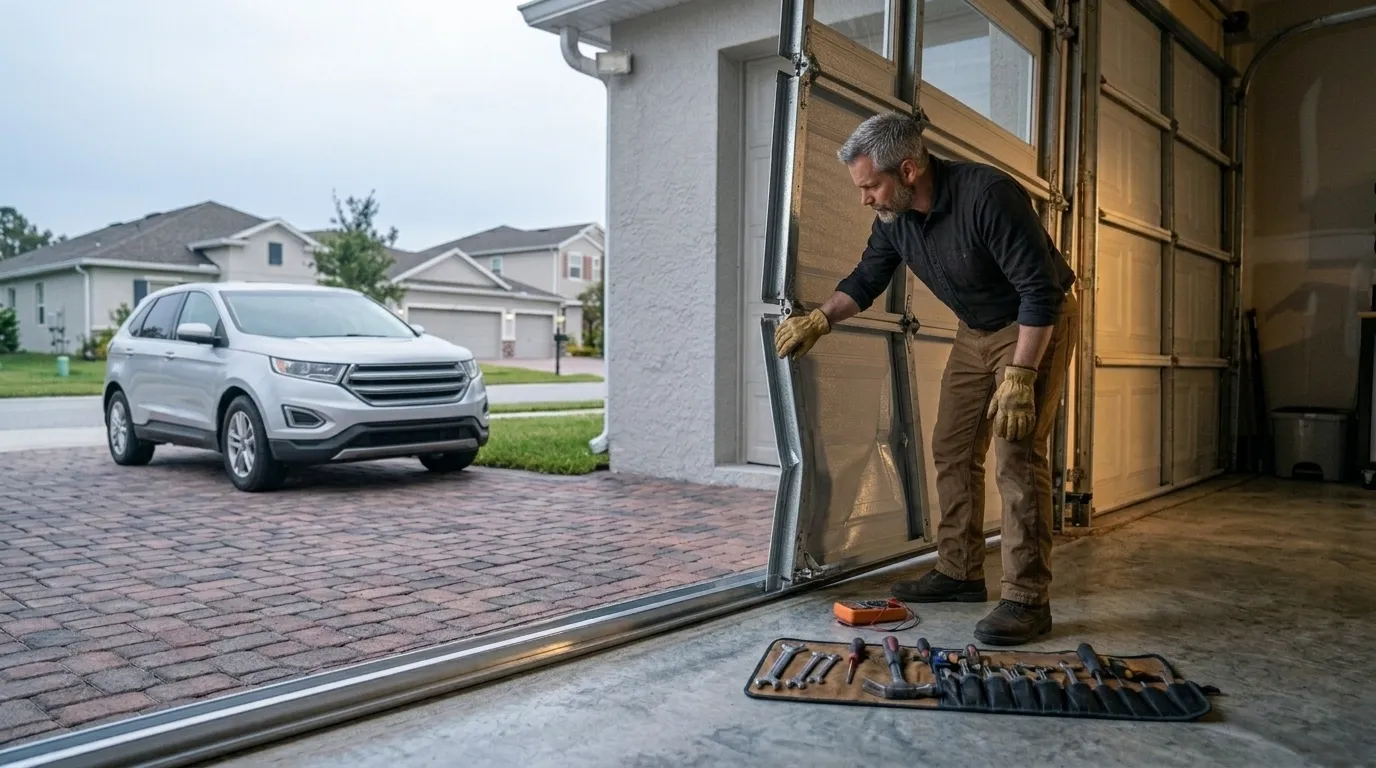
You get the fix that’s needed and what drives the cost - before any work starts.

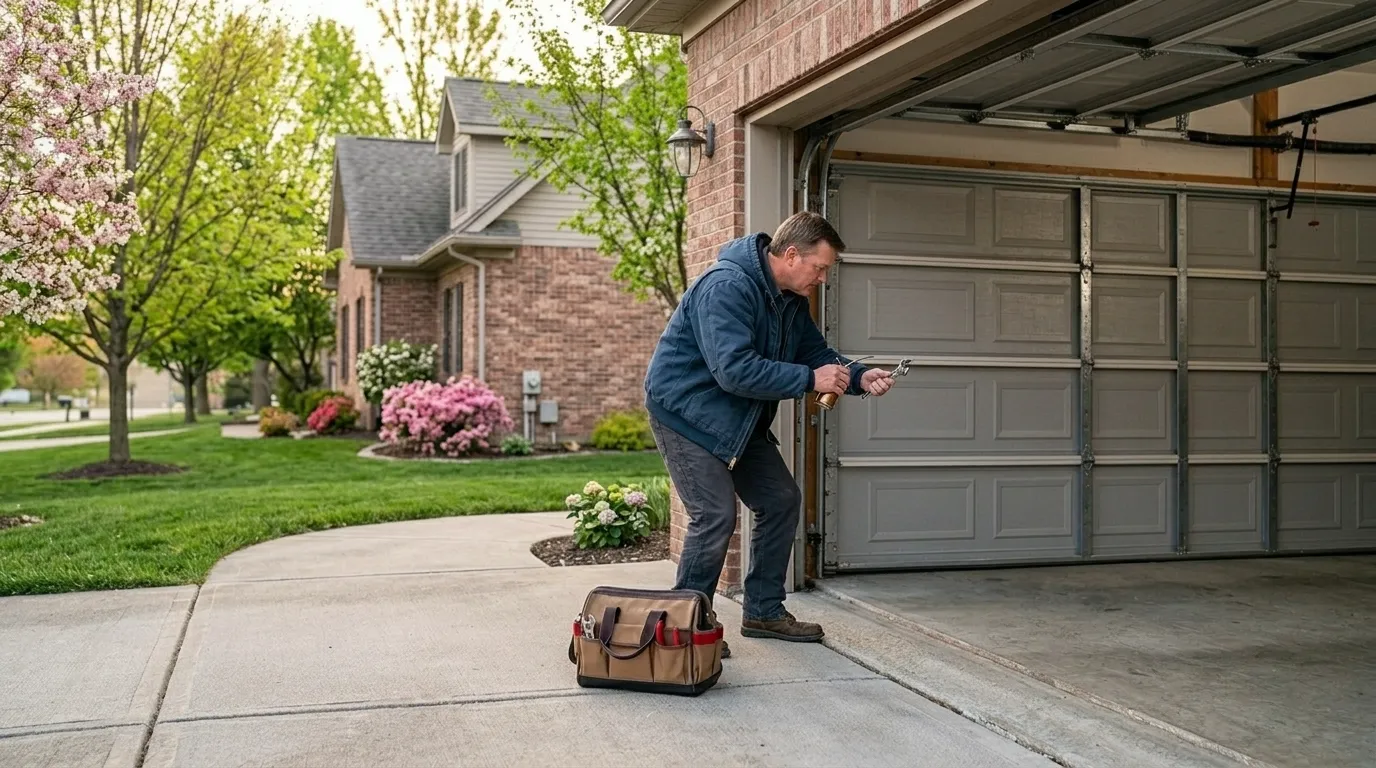
Repaired & tested - Sun Prairie garage door service

Repaired & tested

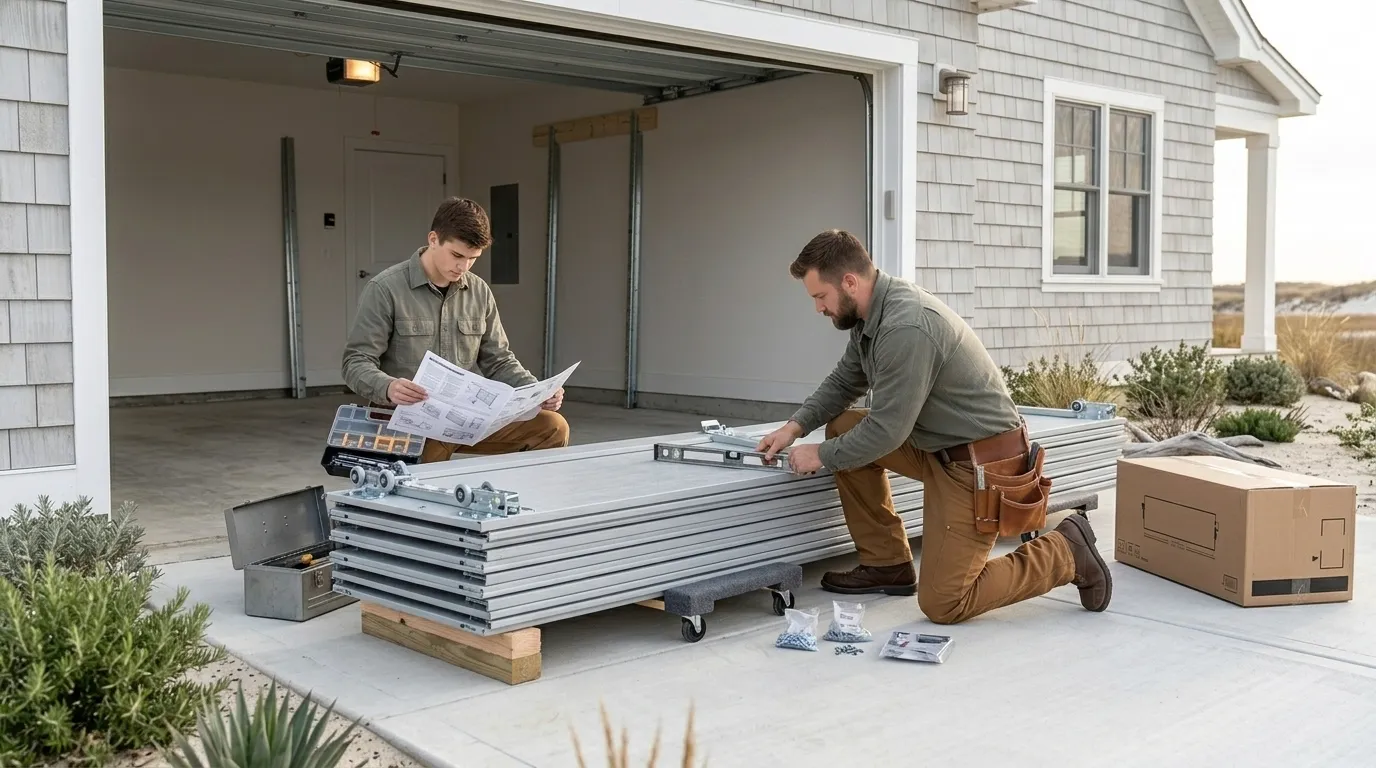
The repair is done, the door is set true and tested, and the work area left clean.

Next step

Serving Sun Prairie, WI - tell us what your door’s doing and we’ll take it from there.

How we work

What to expect

Diagnosis first

Every visit starts by finding what actually failed - not a pre-written parts list.

The right part for the door

Springs and openers matched to the door’s weight and age, so the fix holds up.

Straight answers

When a repair makes more sense than a replacement - or the reverse - you hear it plainly.

Clean, careful work

Tension released safely, hardware set true, the door tested under power before we leave.

Questions

Frequently asked

Straight answers about garage door repair in Sun Prairie. Still unsure? Ask us directly.

My garage door is original to the house, built sometime in the 80s. Is it too old to fix?

Not automatically, but age matters here. Housing in this area mostly dates 1959-2001 with a lot concentrated in the 1980s and 90s, so an original door isn't rare. If it's one part failing, repair often makes sense. If drums, track, and spring are all original and one has gone, replacing the whole system usually beats chasing parts one at a time.

Why did my spring snap in the middle of winter and not some other time?

This area sits in a severe cold climate band, and cold is exactly when a torsion spring is under the most strain, both from the metal contracting and from the door itself being heavier to lift on a cold morning. Springs that have been carrying a mismatched load for years tend to give out right when the temperature drops hardest.

Do you work outside Sun Prairie itself?

Yes, the service area extends to nearby communities including Windsor and Bristol (about five miles out), DeForest and Cottage Grove (around six miles), and Waunakee (about ten miles), among other nearby towns that share similar housing age and winter conditions.

Ready to get your garage door sorted?

Tell us what it’s doing and where you are in Sun Prairie - we’ll take it from there.

Request a QuoteCall