Parts We Carry
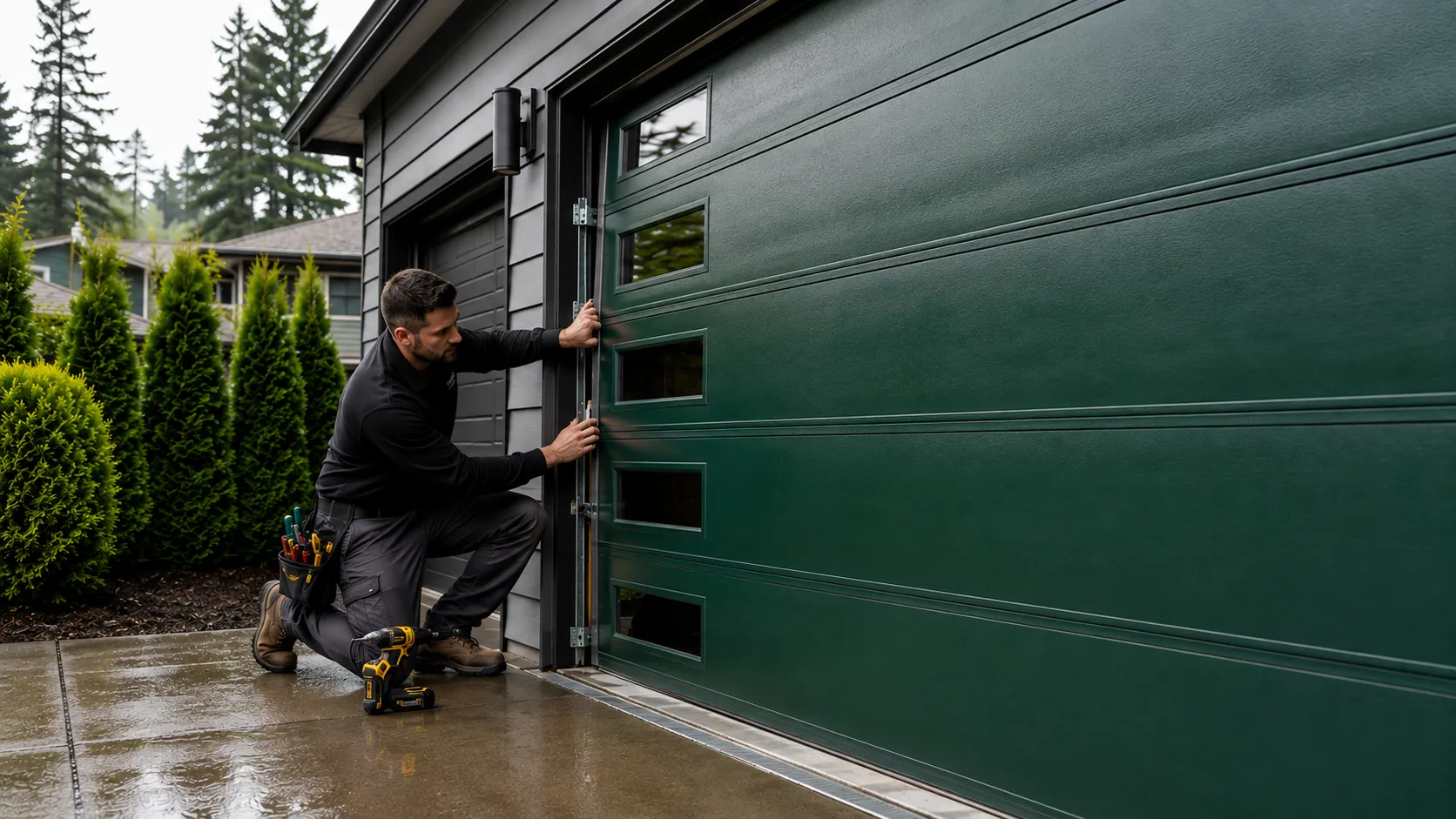
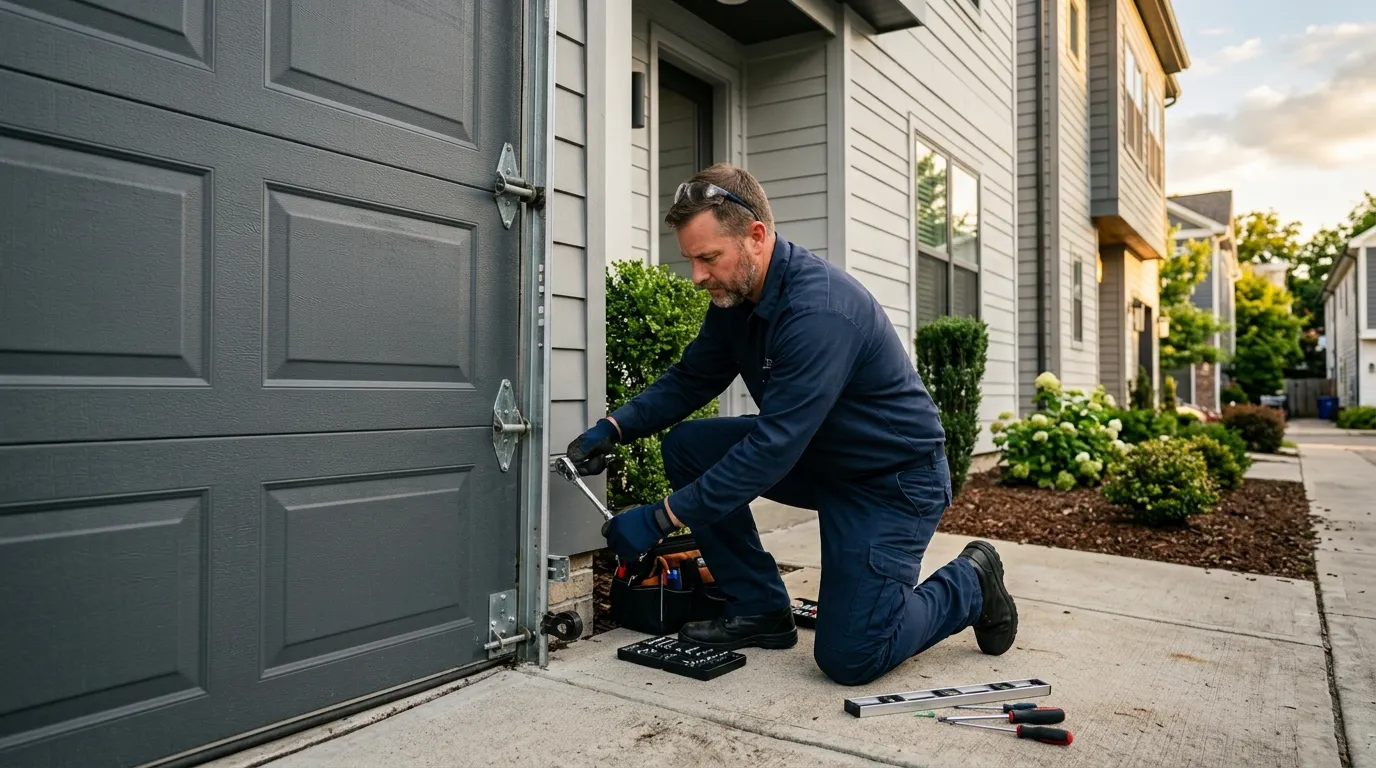
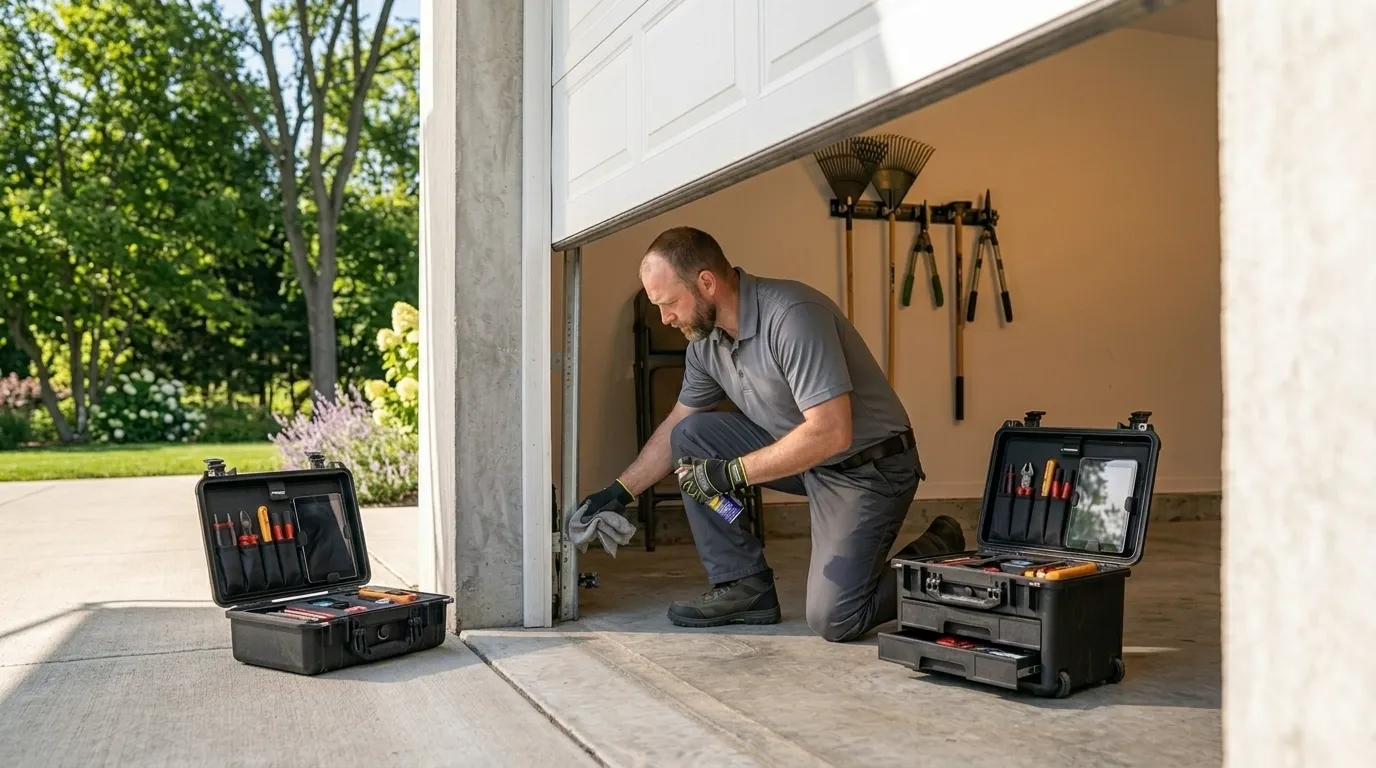
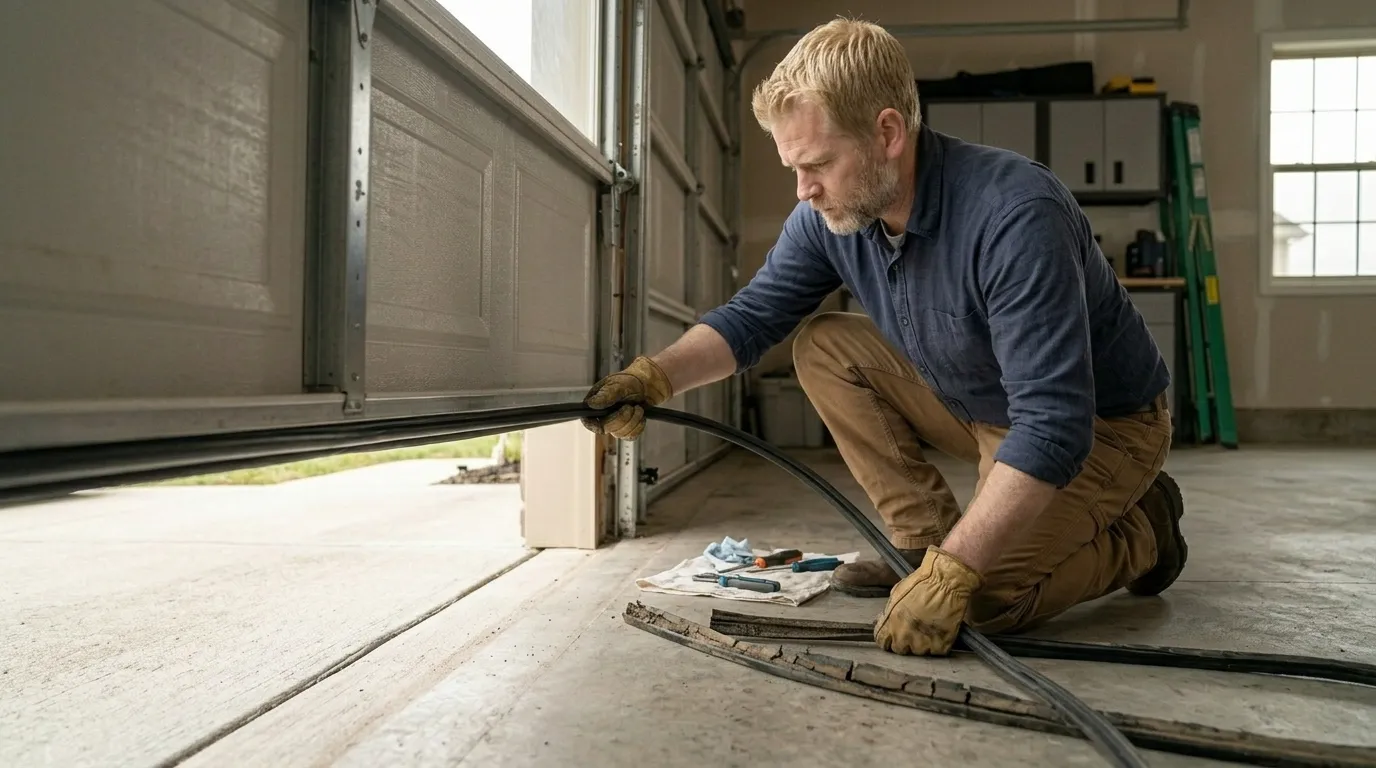
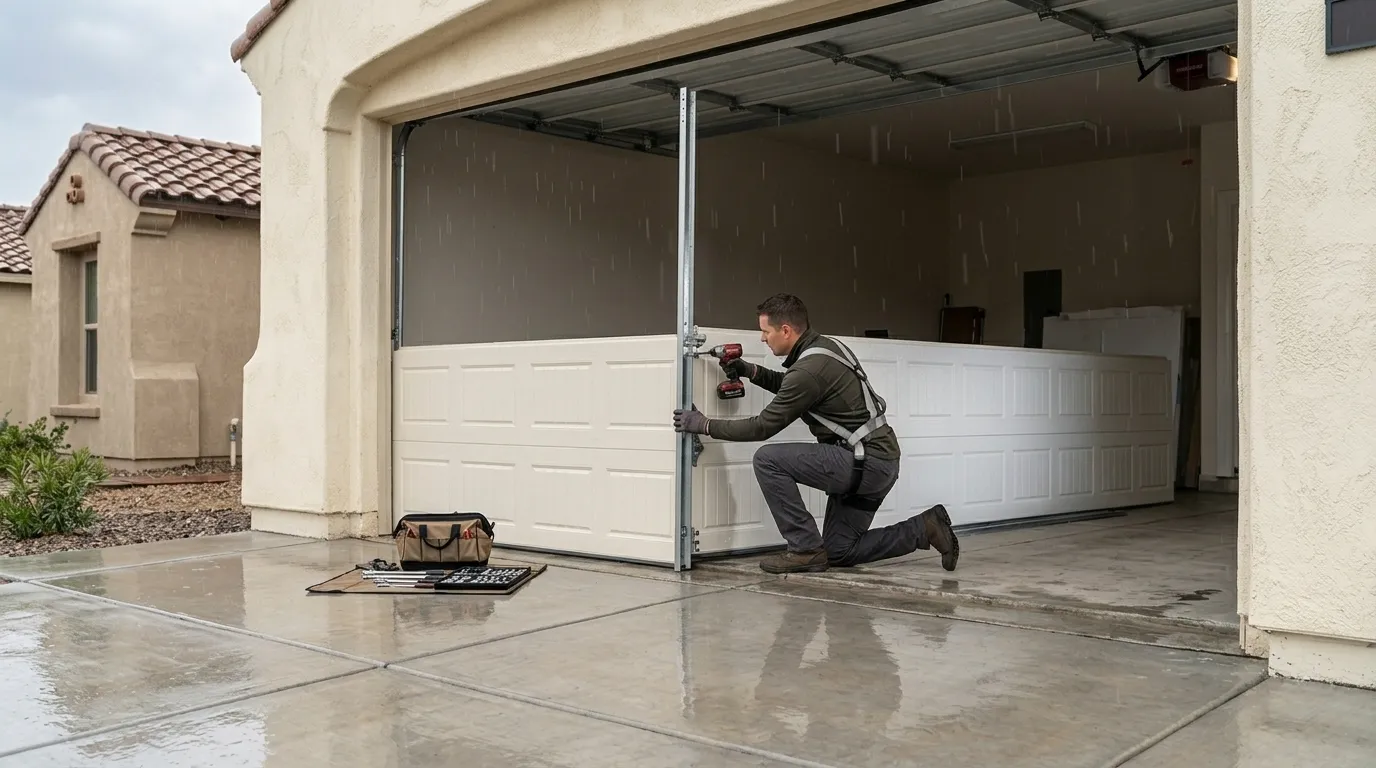
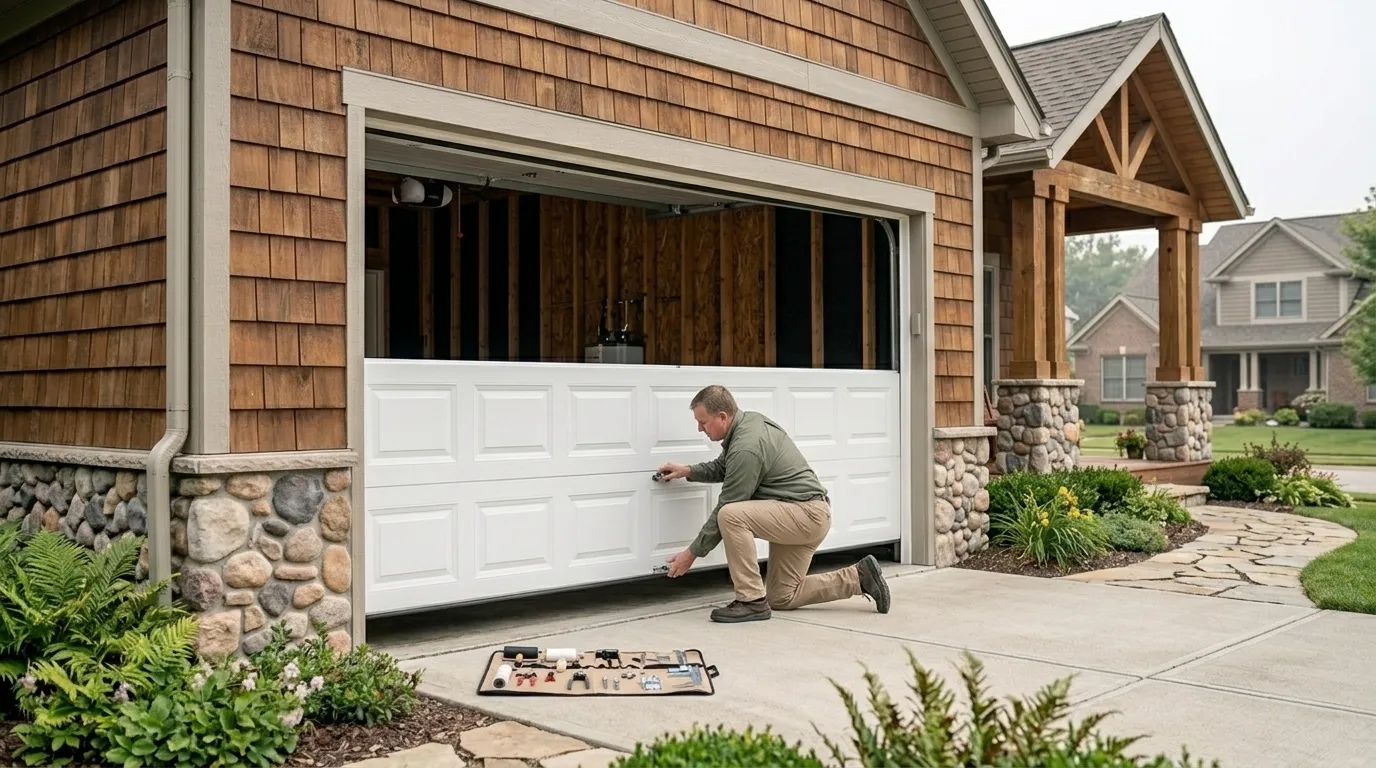
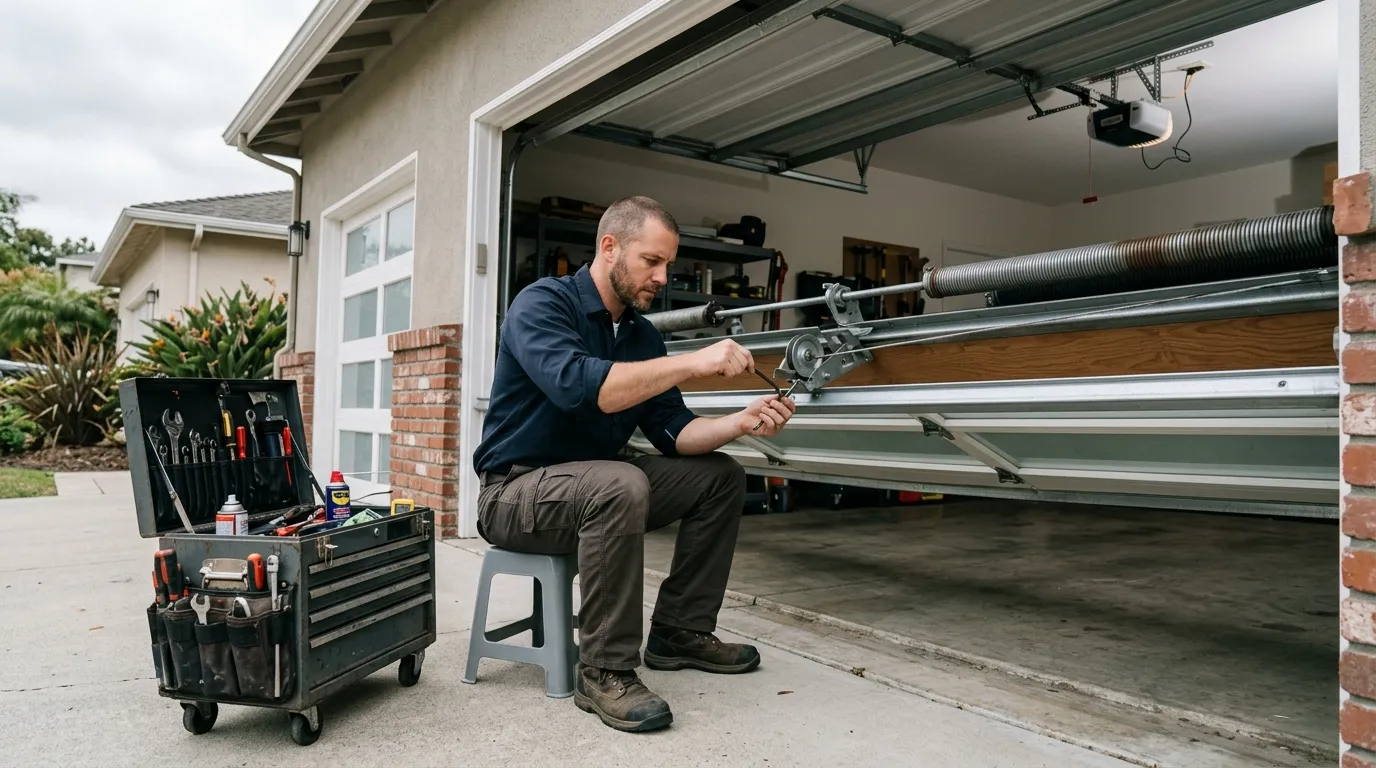
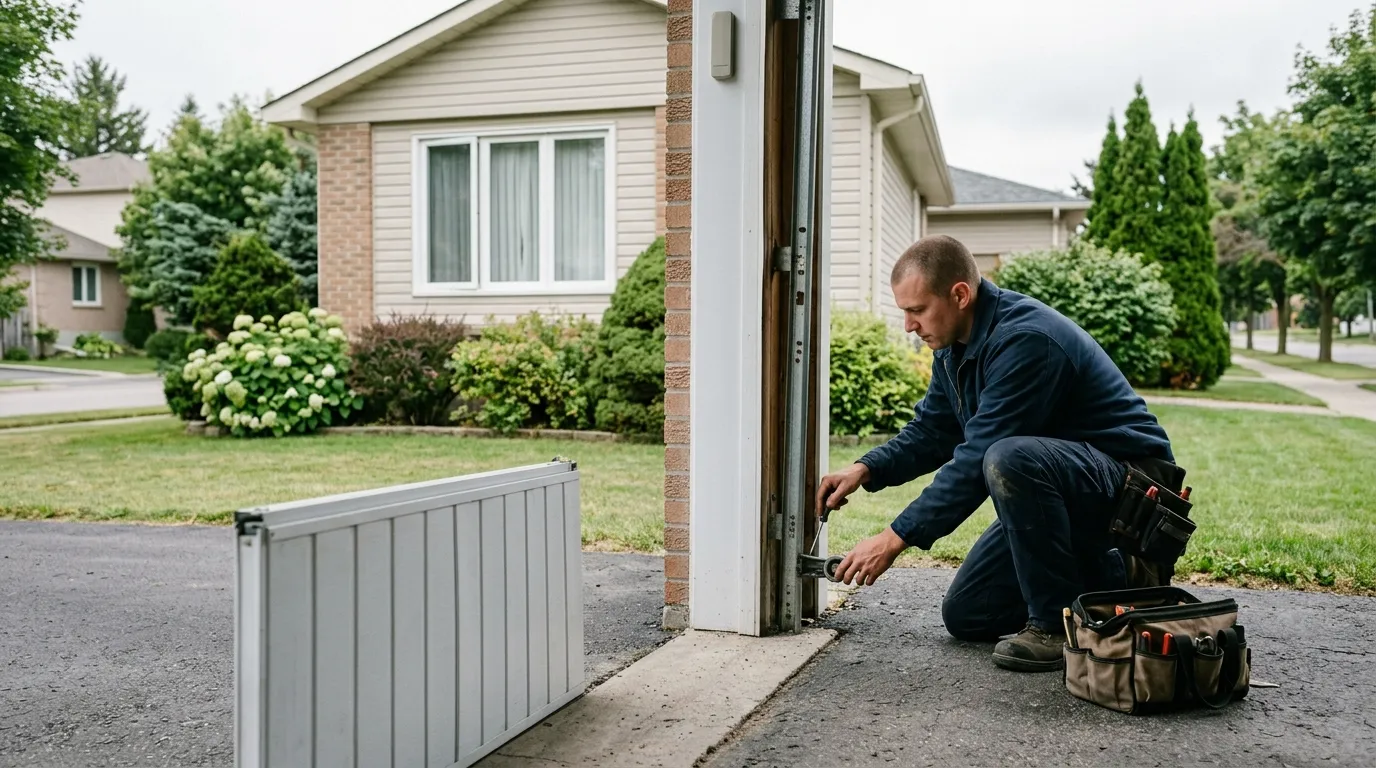
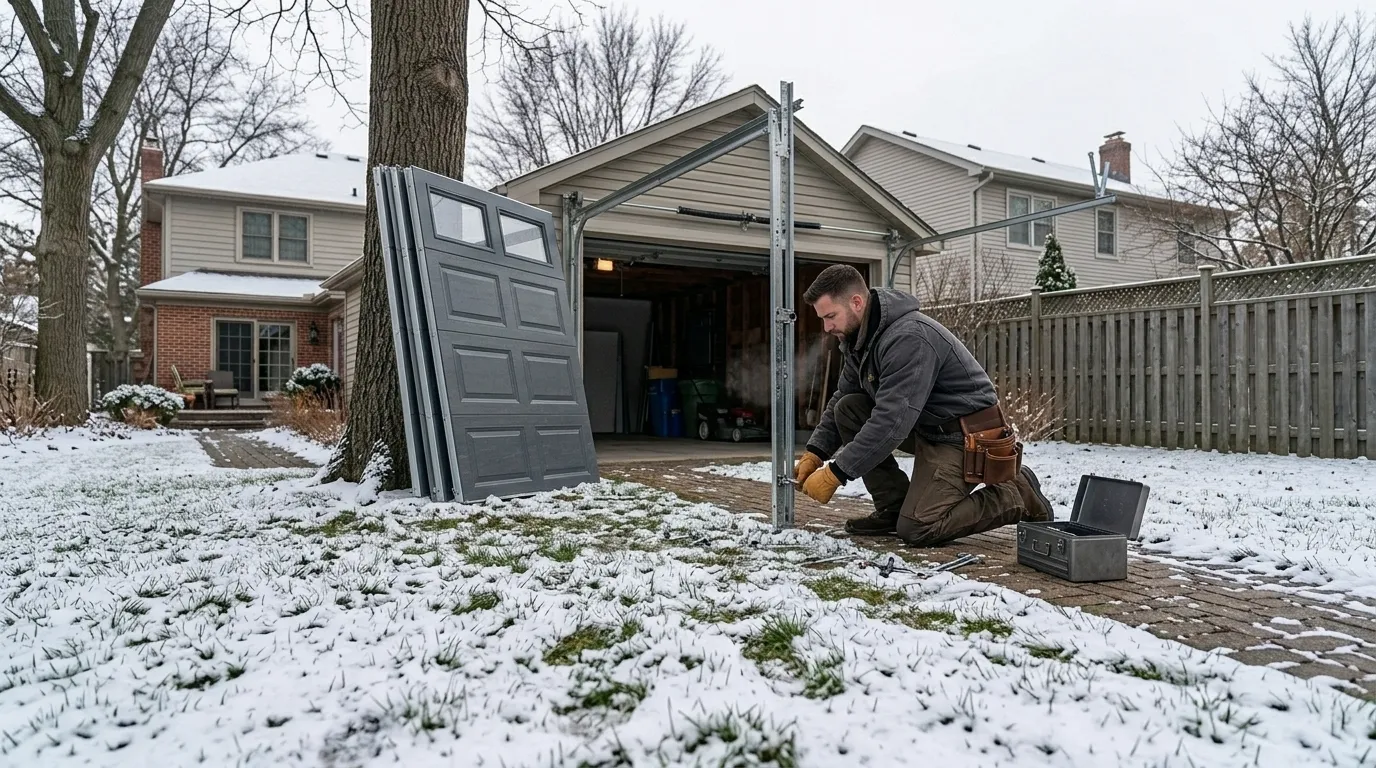
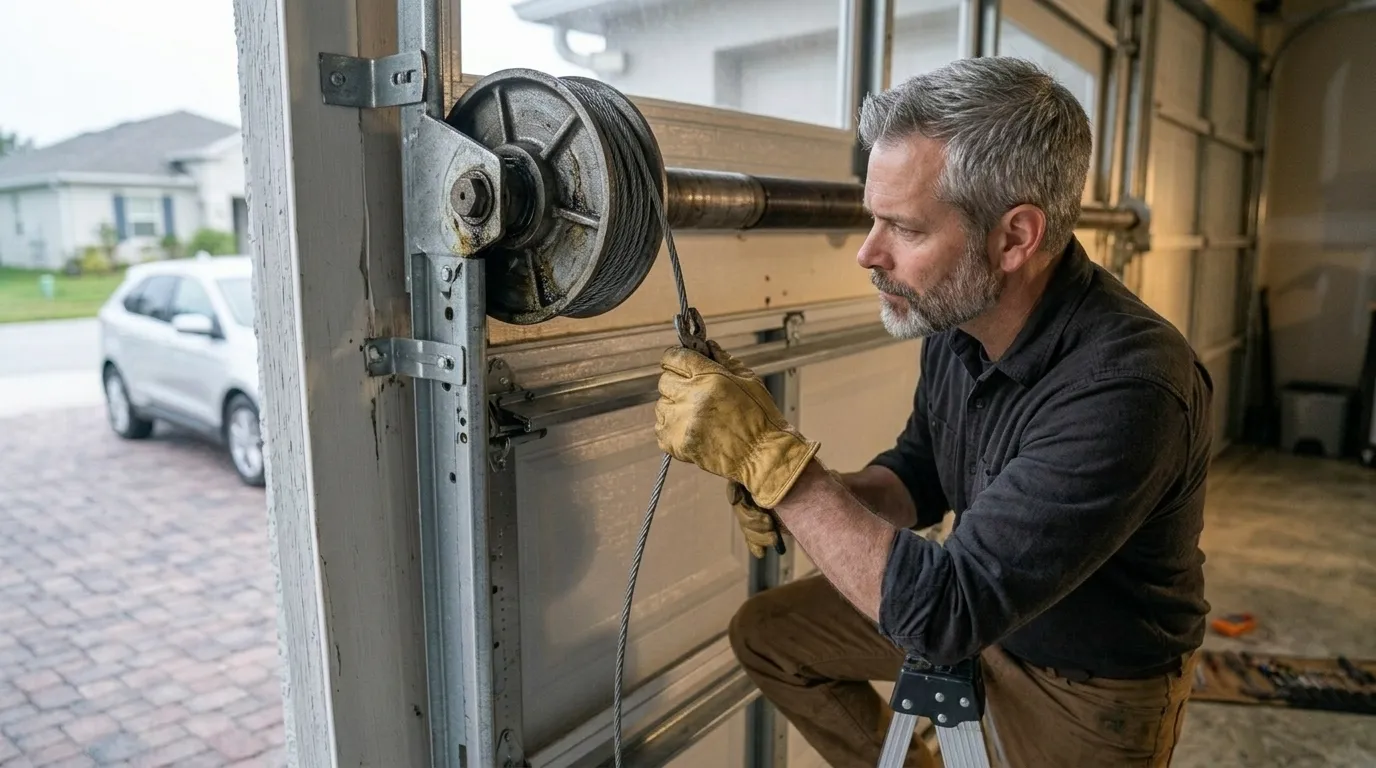
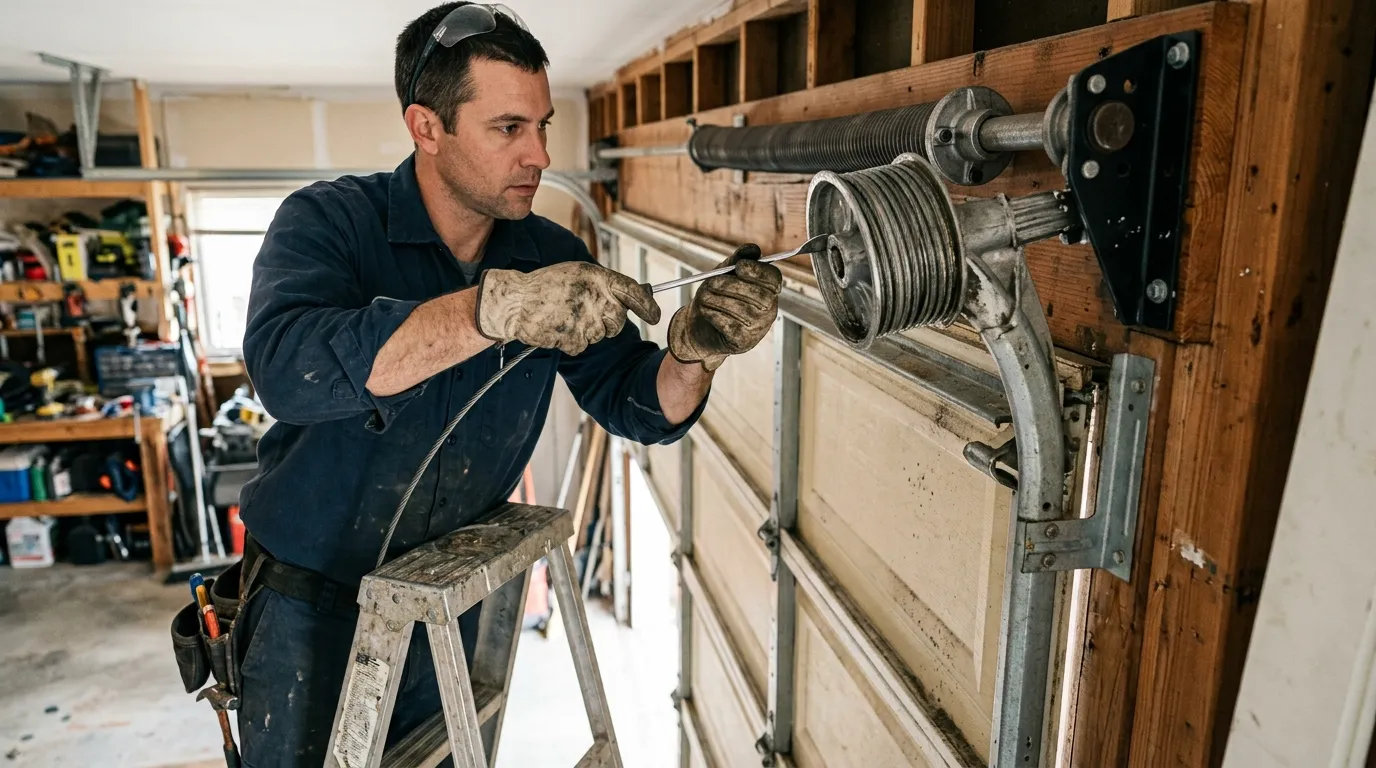
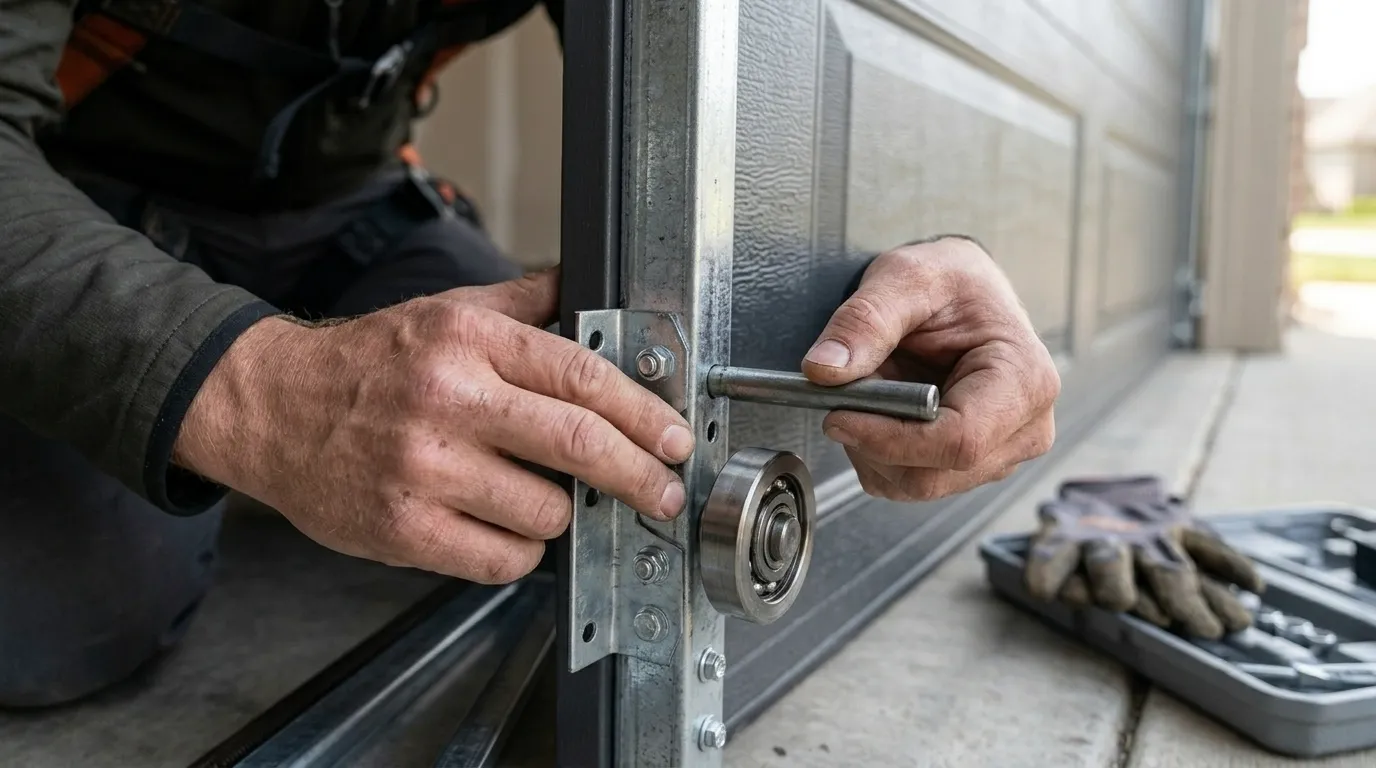
Most of what breaks on a Sun Prairie garage door falls into a short list: torsion springs, extension springs, nylon or steel rollers, cables, hinges, and the openers that came standard on houses built through the 1980s and 90s. We stock the torsion spring sizes that match the door widths common in that era of construction, along with the drums and bearing plates that wear alongside them. Openers are a mixed bag - chain-drive units from the 80s and 90s are still common, and parts for the common brands from that period are usually available, though a board or logic circuit on an older unit sometimes isn't worth chasing down. If a part isn't something we carry on the truck, we tell you that up front rather than guessing at a fix. Weatherstripping and bottom seals turn over faster here than in milder climates, since the seal itself hardens and cracks with repeated freeze-thaw cycles, so we keep several profiles on hand rather than one universal size. We don't stock every obscure opener remote or keypad model - for those we may need to order in, and we'll say so instead of pretending otherwise.
The Cost of This Job
We don't publish a flat price list here, because the range on a service call depends on what's actually failing - a single broken torsion spring on a standard double door is a different job than a cable off its drum plus a bent track. What we can say is that with a median household income of $98,943 across the service area, a lot of homeowners here treat a full opener-and-spring replacement as a planned investment rather than a patch-it-and-pray repair, especially once a door is already past 20 years old. That decision usually comes down to age: a door and opener installed when the house was built in the 1980s or 90s is often near the end of its useful life on more than one part at once, so fixing the spring today just means the roller or the cable is next. Our honest limitation is that we can't quote a number over the phone before seeing the door - spring size, door weight, and opener condition all move the estimate, and guessing wrong helps nobody. What we will tell you on the call is whether it sounds like a repair or a replacement conversation before we ever drive out.
How It Shows Up
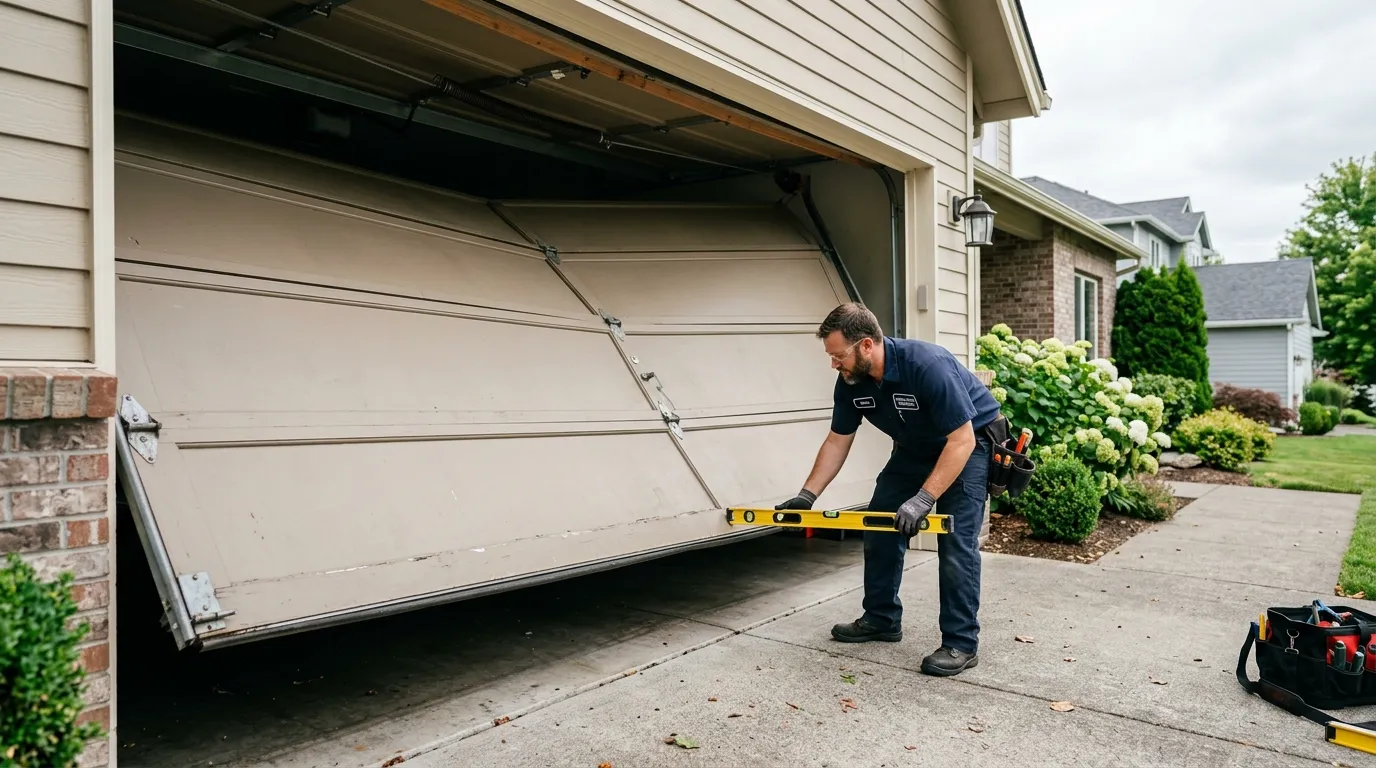
The most common call is a door that won't move at all - usually a torsion spring that's let go, which you can often confirm by looking for a gap in the coil above the door. Next most common is a door that opens but sounds rough doing it: worn rollers rattling in the track, or a cable starting to fray at the bottom bracket. On older openers, you'll sometimes get a unit that runs but doesn't fully close, which is usually a limit switch or a worn gear rather than the motor itself. In winter specifically, watch for a door that binds partway through its travel - that's often a hardened bottom seal dragging on the slab, or condensation freezing briefly around the track. None of these are emergencies on their own, but a spring that's already stretched thin from cold-weather cycling can go from rough-sounding to fully broken with no more warning than one more cold morning. If a door is dragging, grinding, or reversing without a clear reason, that's worth a call before it strands a car inside.