Getting Here
Lodi sits about 18 miles from our shop in Sun Prairie, which puts it toward the far edge of the ground we cover. We don't keep a truck stationed in Lodi and we won't pretend otherwise - every call here means a drive out from Sun Prairie, same as it does for the other towns on the west and north side of our territory. That drive doesn't change what we can fix once we're at your door, but it's worth knowing up front: if you need a same-day look on a Friday afternoon, call early. We plan Lodi visits around the rest of the day's route, not the other way around.
The upside of the distance is that we're not stretched thin trying to run a depot out here - we come prepared, with the parts we expect to need based on what Lodi's houses actually have installed, which is different from what you'd find on a newer subdivision closer to Sun Prairie itself.
How That Shows Up in the Door
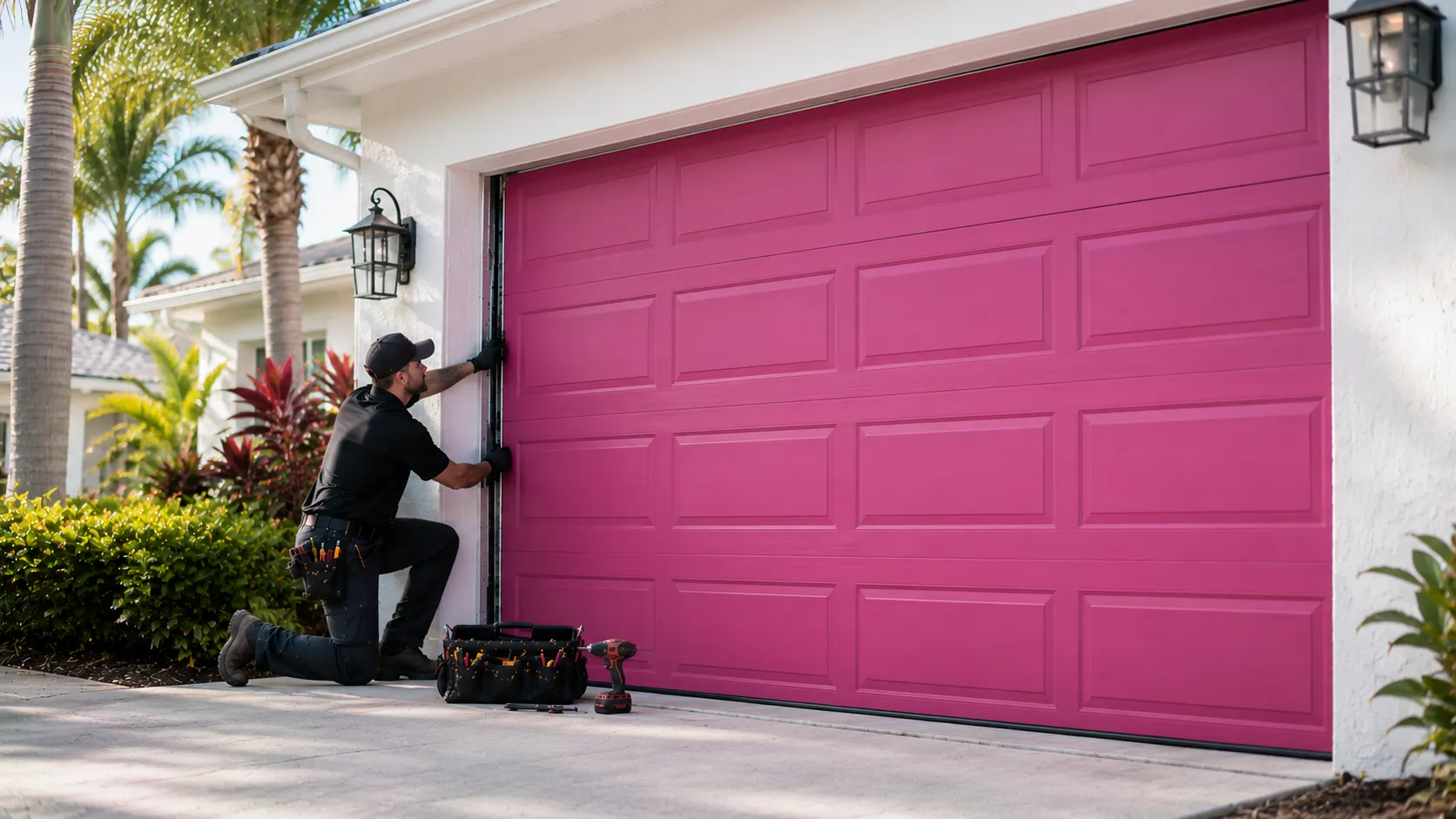
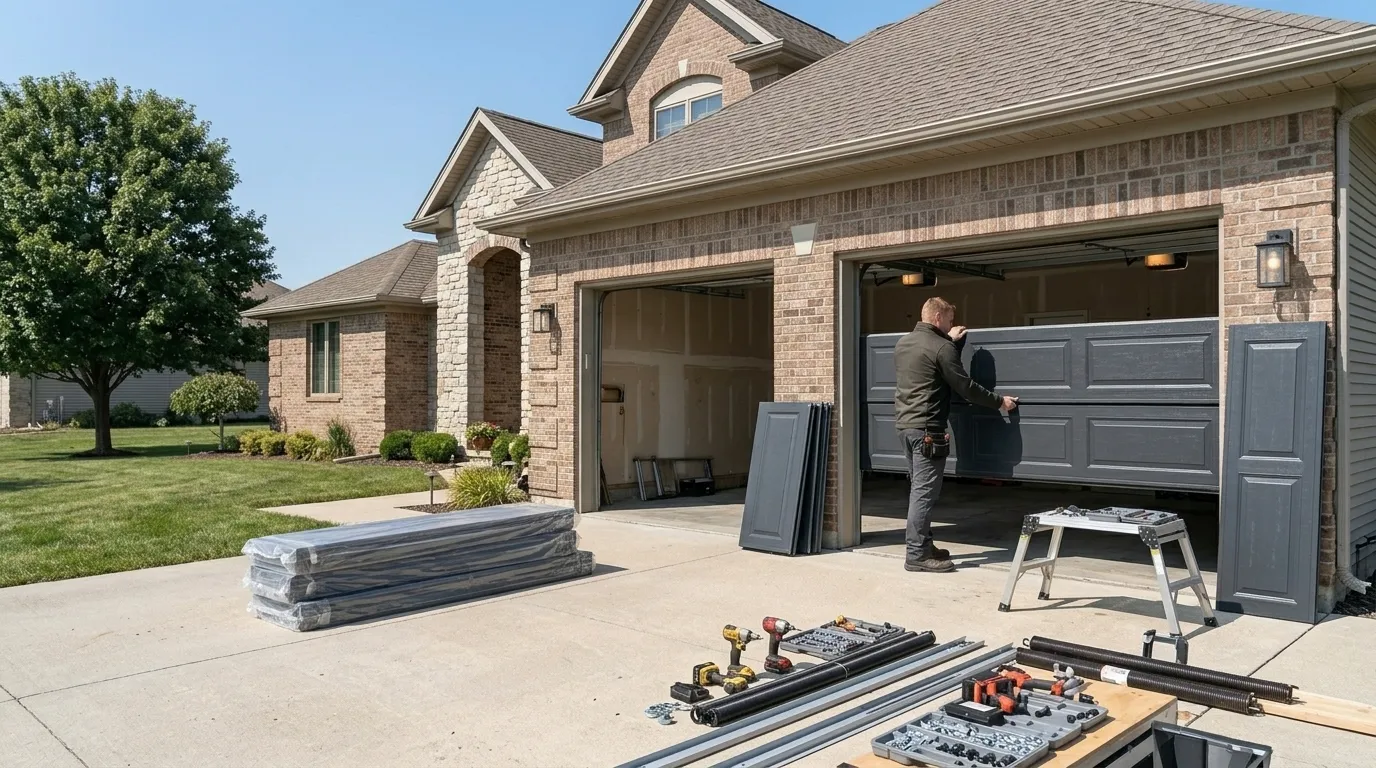
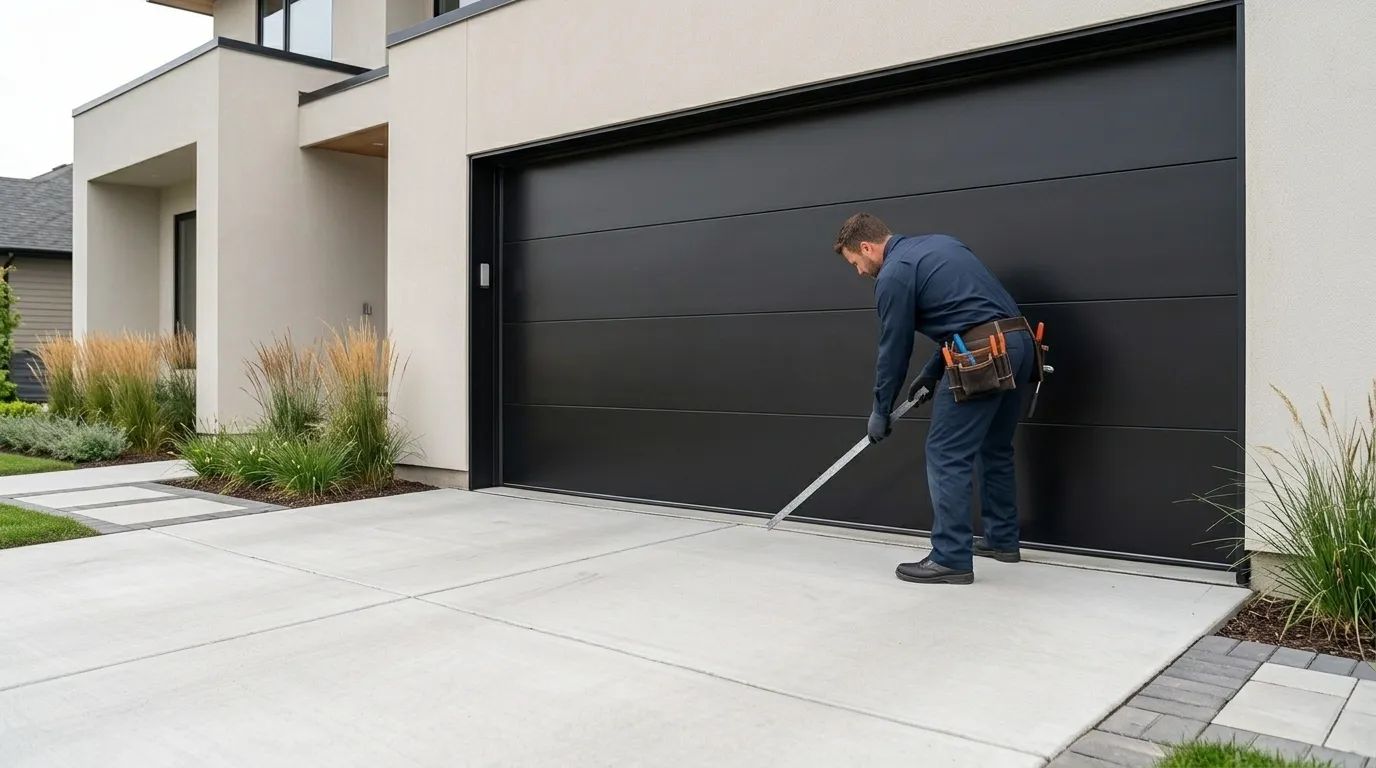
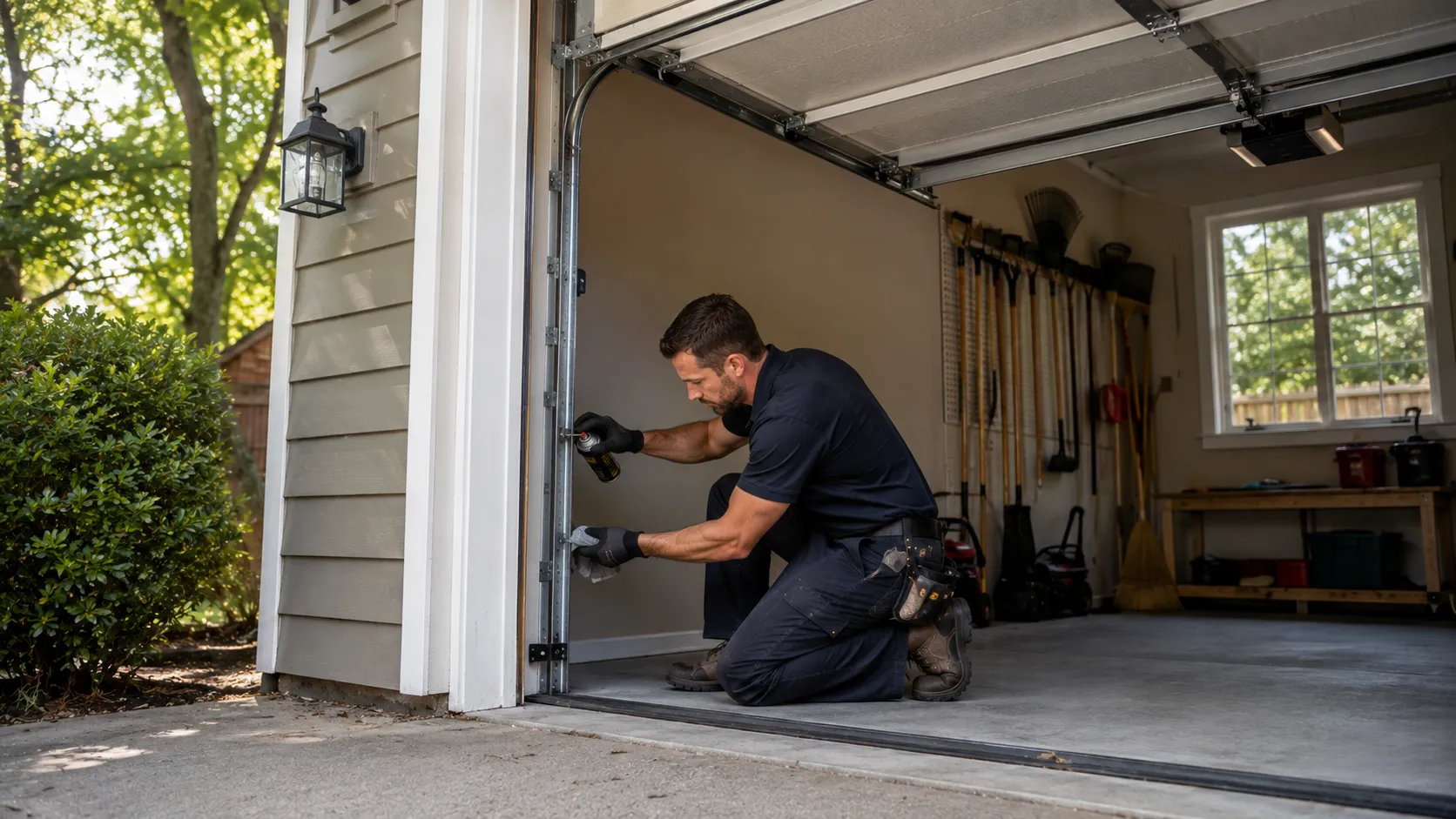
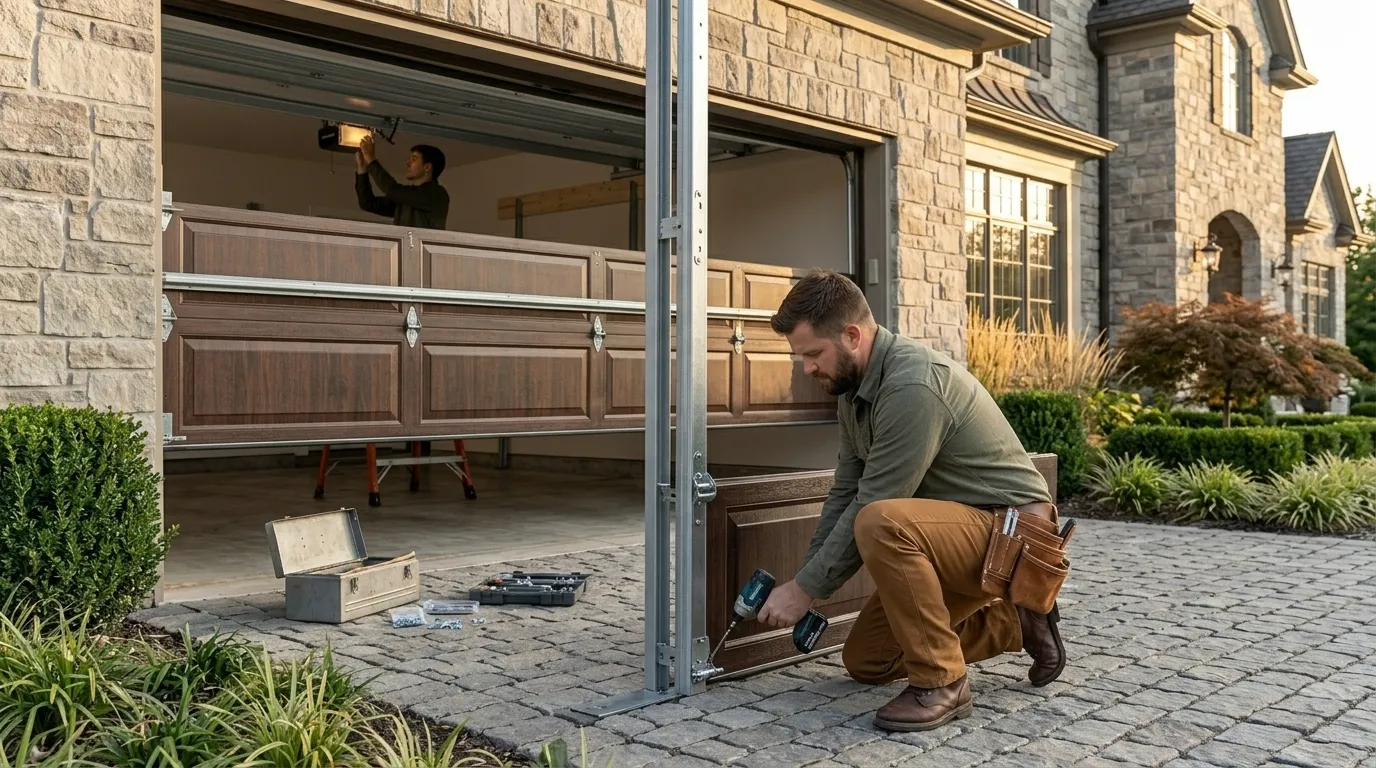
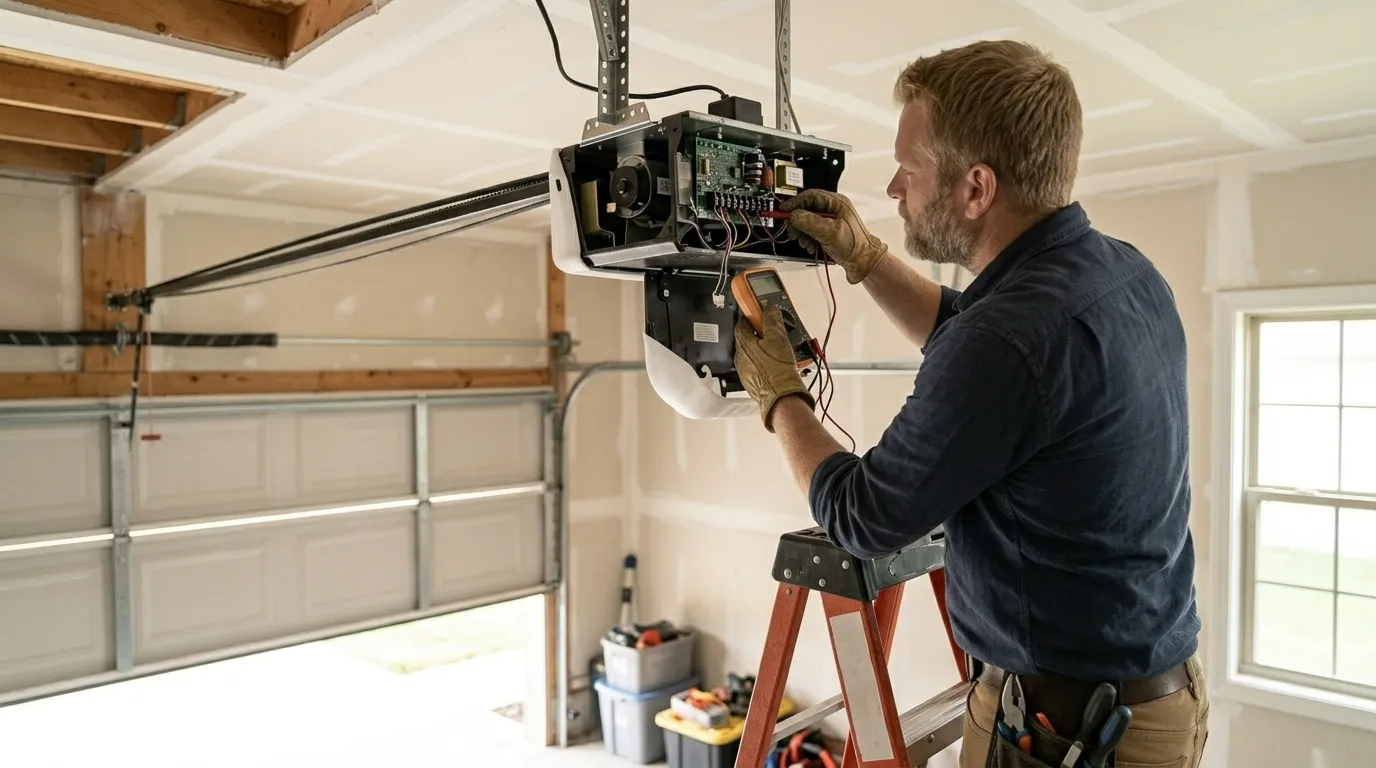
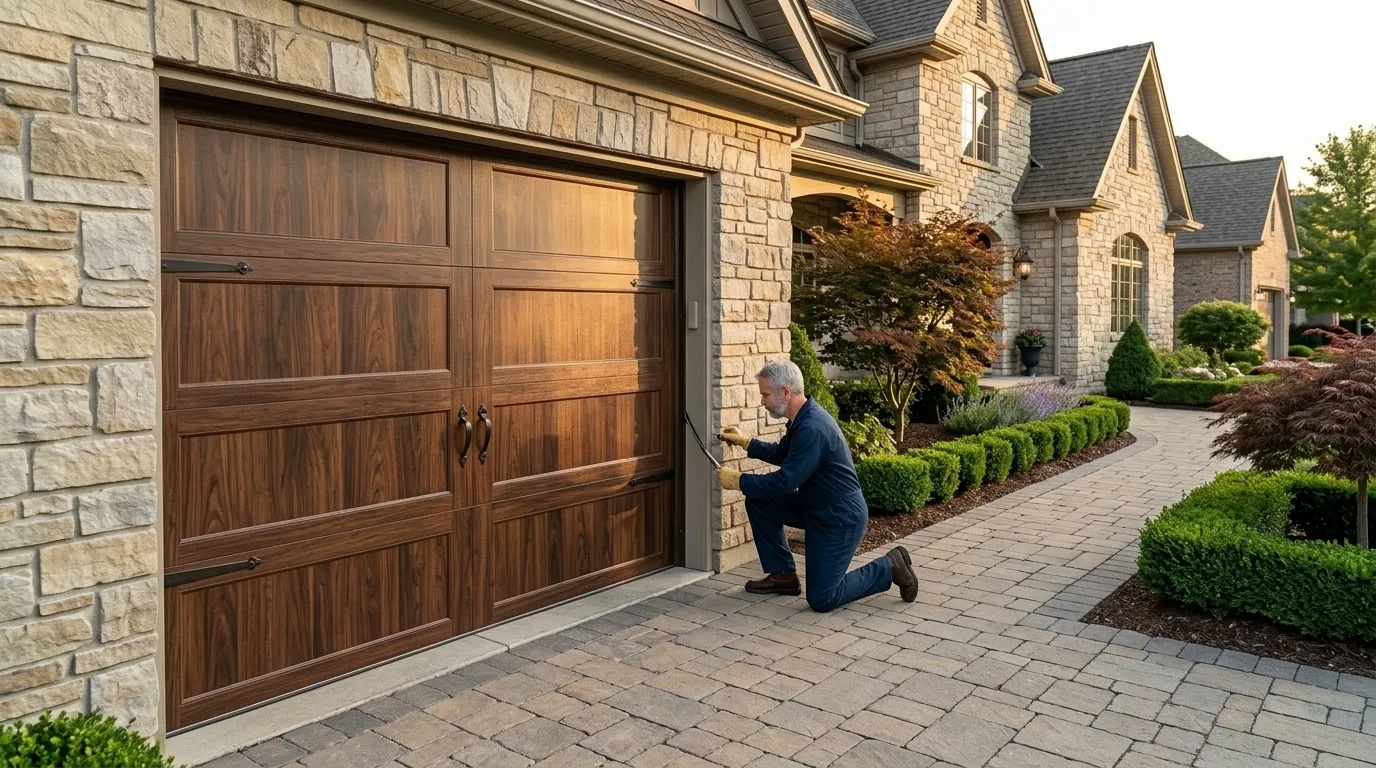
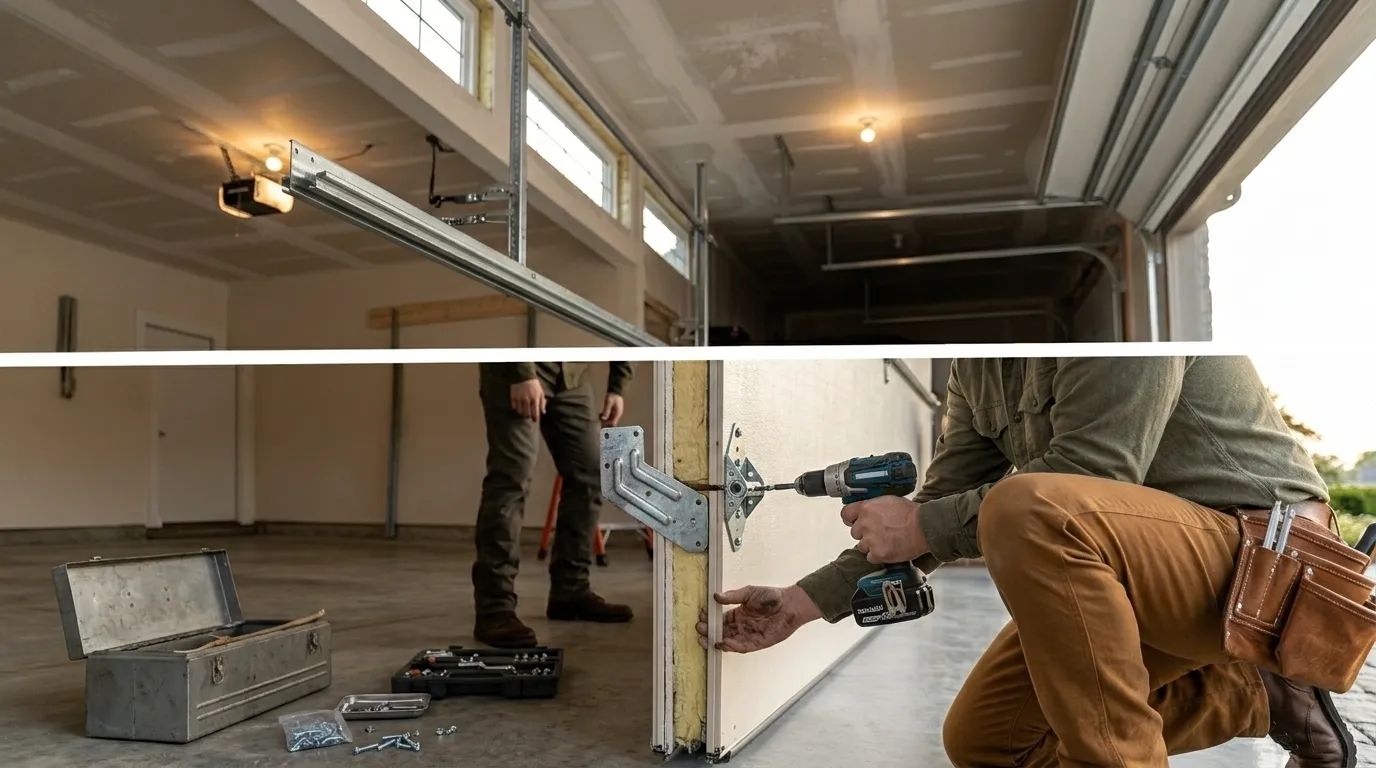
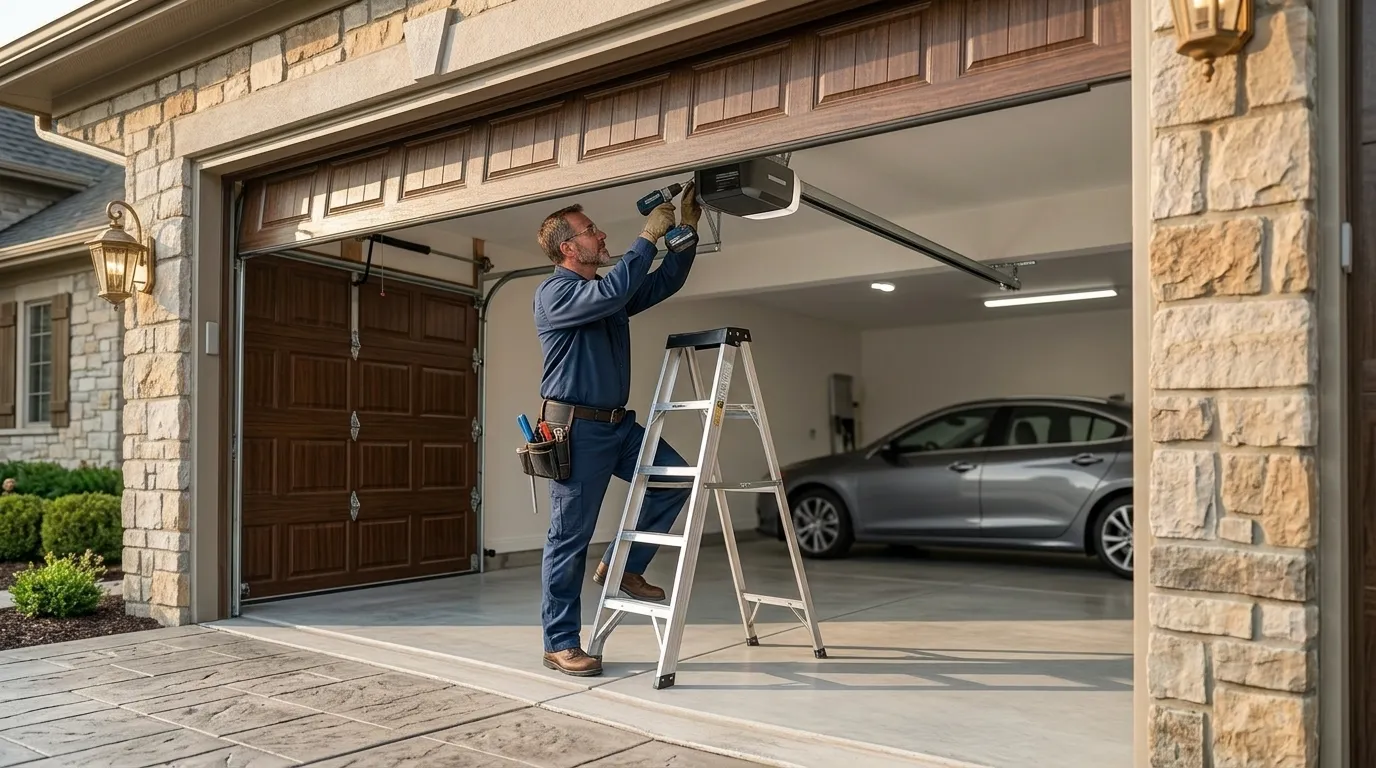
Lodi's housing runs newer than a lot of the area - median build year here is around 1990, a good stretch later than the 1986 median across the wider service area. That matters more than it sounds like it should. A house built in 1990 typically came with a steel sectional door on a torsion spring system and a chain-drive opener from that era, not the older extension-spring, one-piece doors you'll find in towns with older housing stock. The failure points are different too: 1990s torsion springs are now over three decades old on original installs, which is well past normal service life, and the openers from that period are reaching the end of their motor life even if the door itself still looks fine.
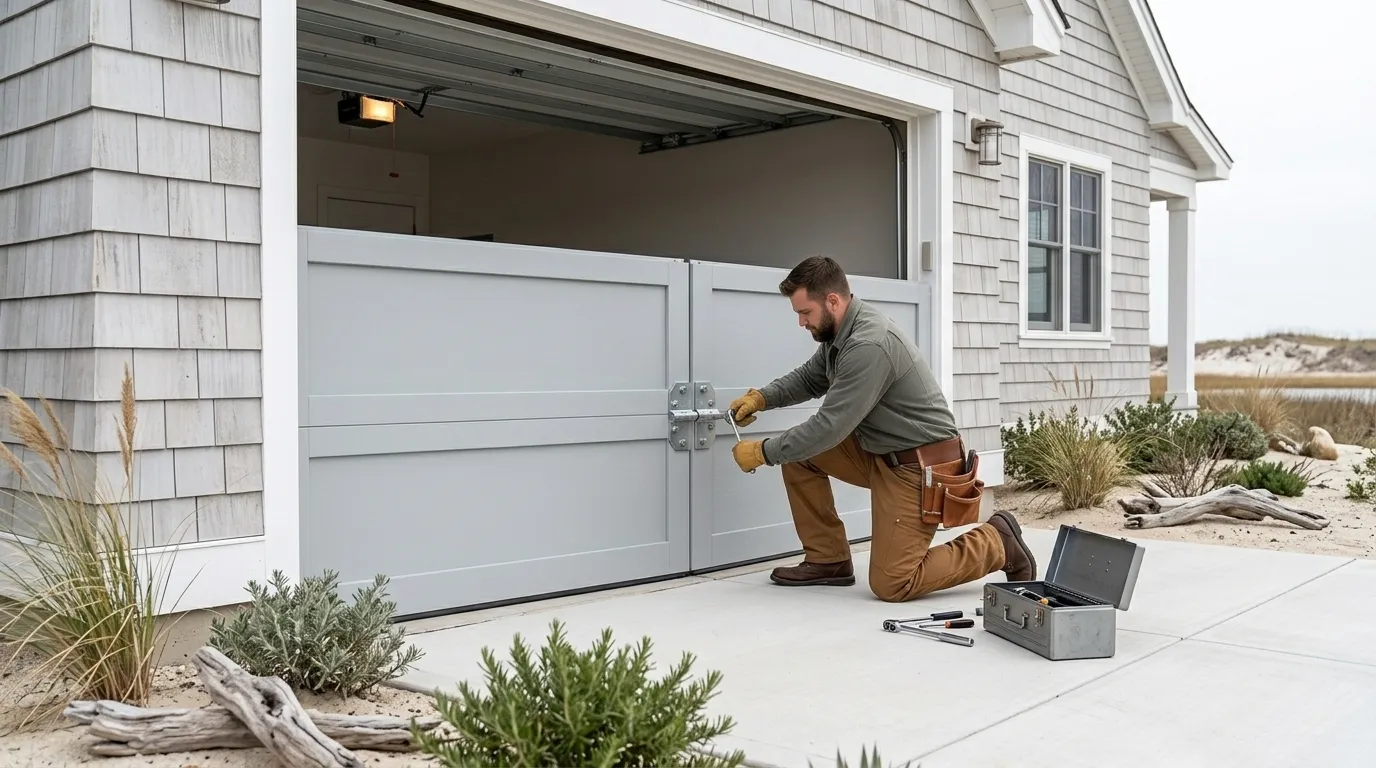
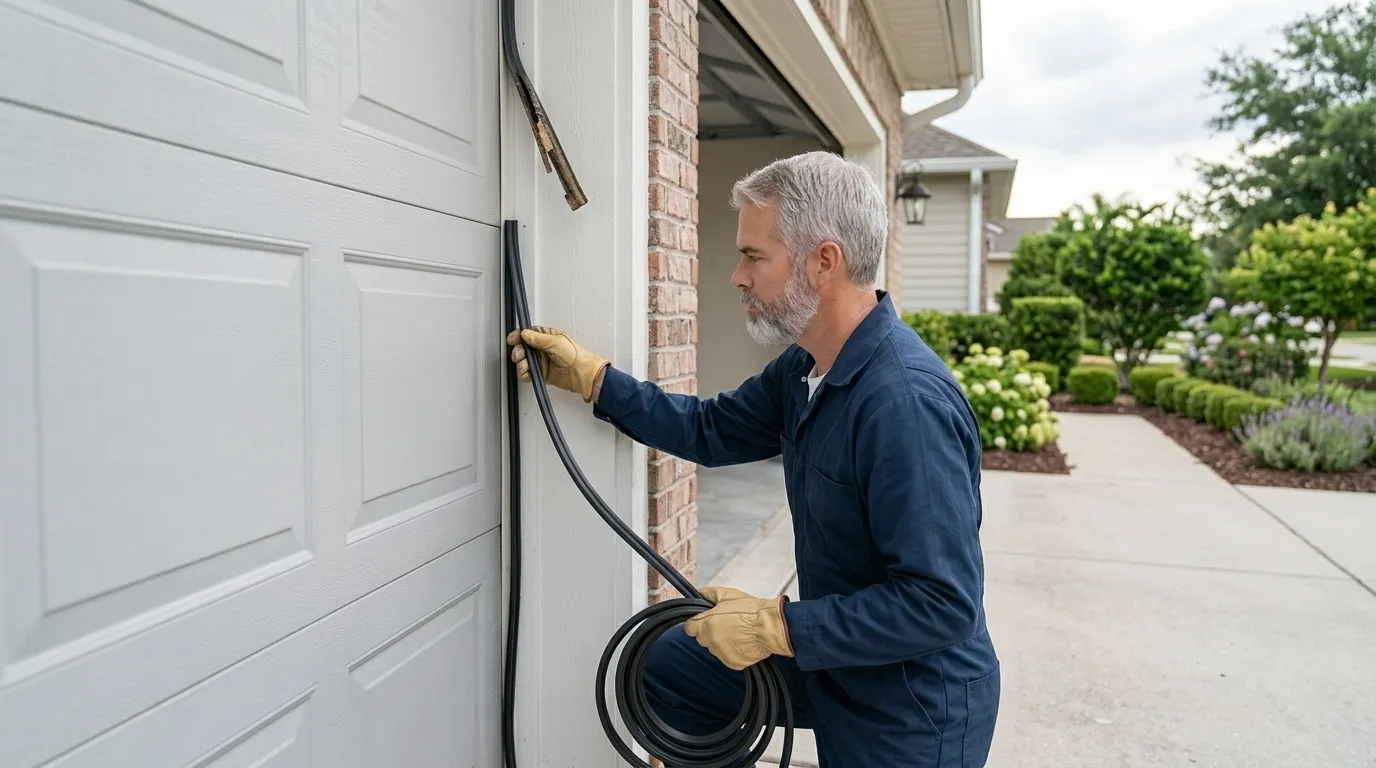
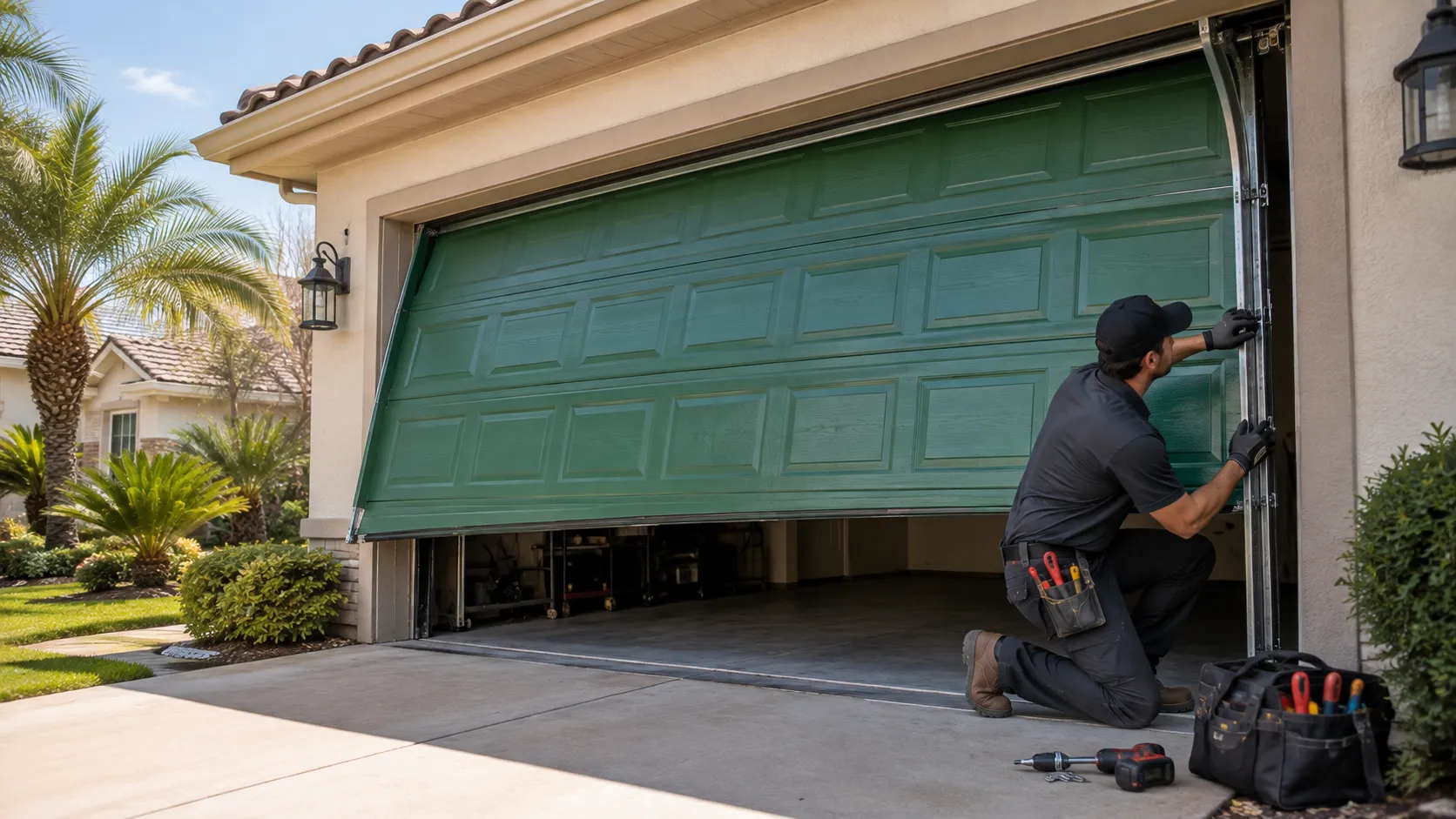
Wisconsin's cold winters put steady stress on all of it - metal contracts, lubricant thickens, and steel doors from any era can develop panel warp or seal gaps that let cold air in around the bottom edge. On a 1990s door, we're usually looking at spring replacement, roller wear, or an opener that's finally quit, not the structural issues you'd chase on a much older door.
This Area's Housing
Lodi has roughly 1,425 households, and with a median household income around $109,821, this is a stretch of the service area where people generally have the means to fix a door right rather than patch it and hope. That shows up in what we recommend: on a 1990-era house, replacing a worn opener with a current model usually makes more sense long-term than repeated repairs on a motor that's outlasted its design life. The housing here isn't uniform - some streets run a bit older, some a bit newer - but 1990 as a median tells you most doors we'll see are steel sectional units on torsion hardware, not the older wood or single-panel doors from earlier decades. That's a straightforward category of door to work on, and parts availability for it is generally good.