Parts We Carry
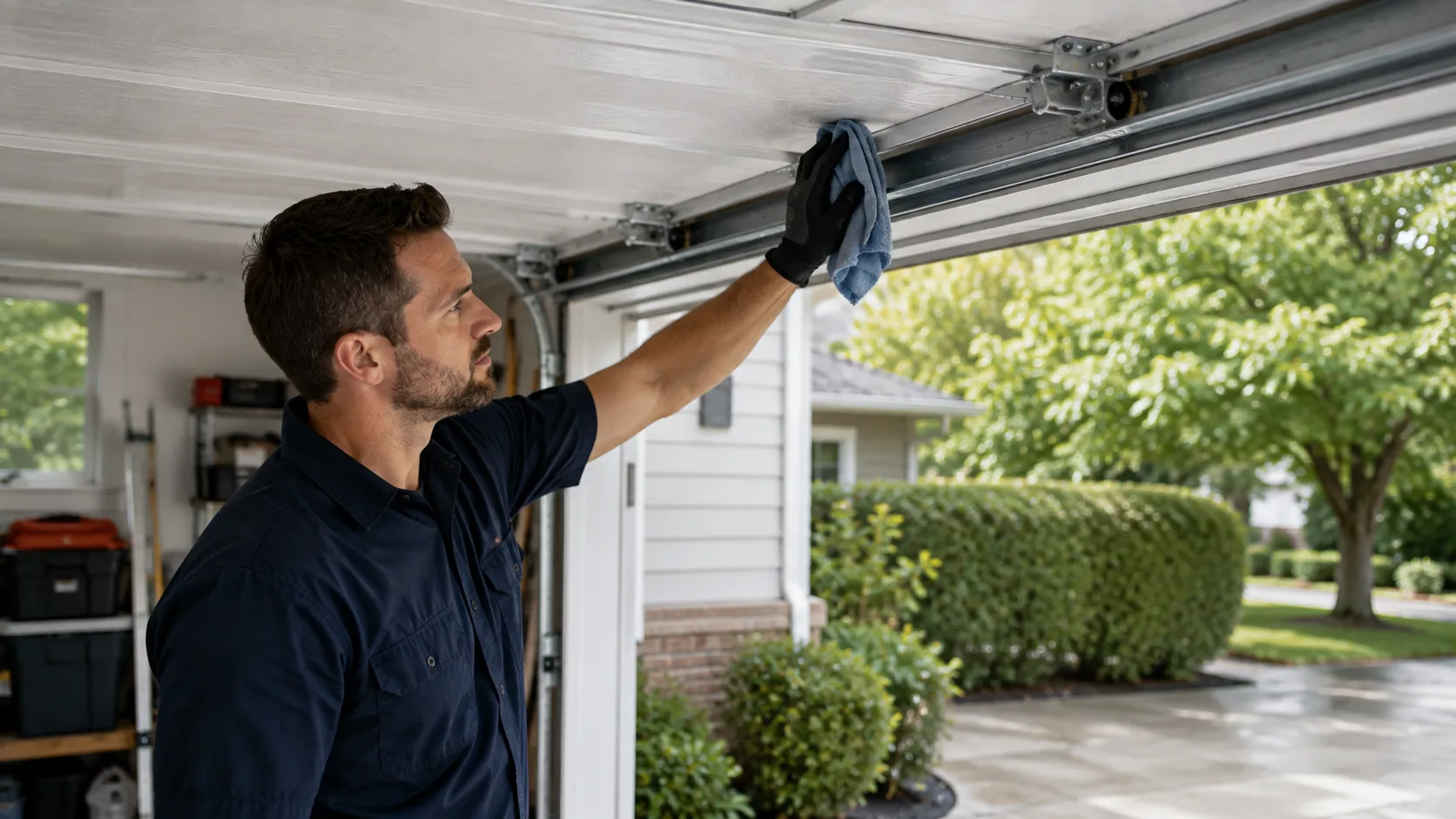
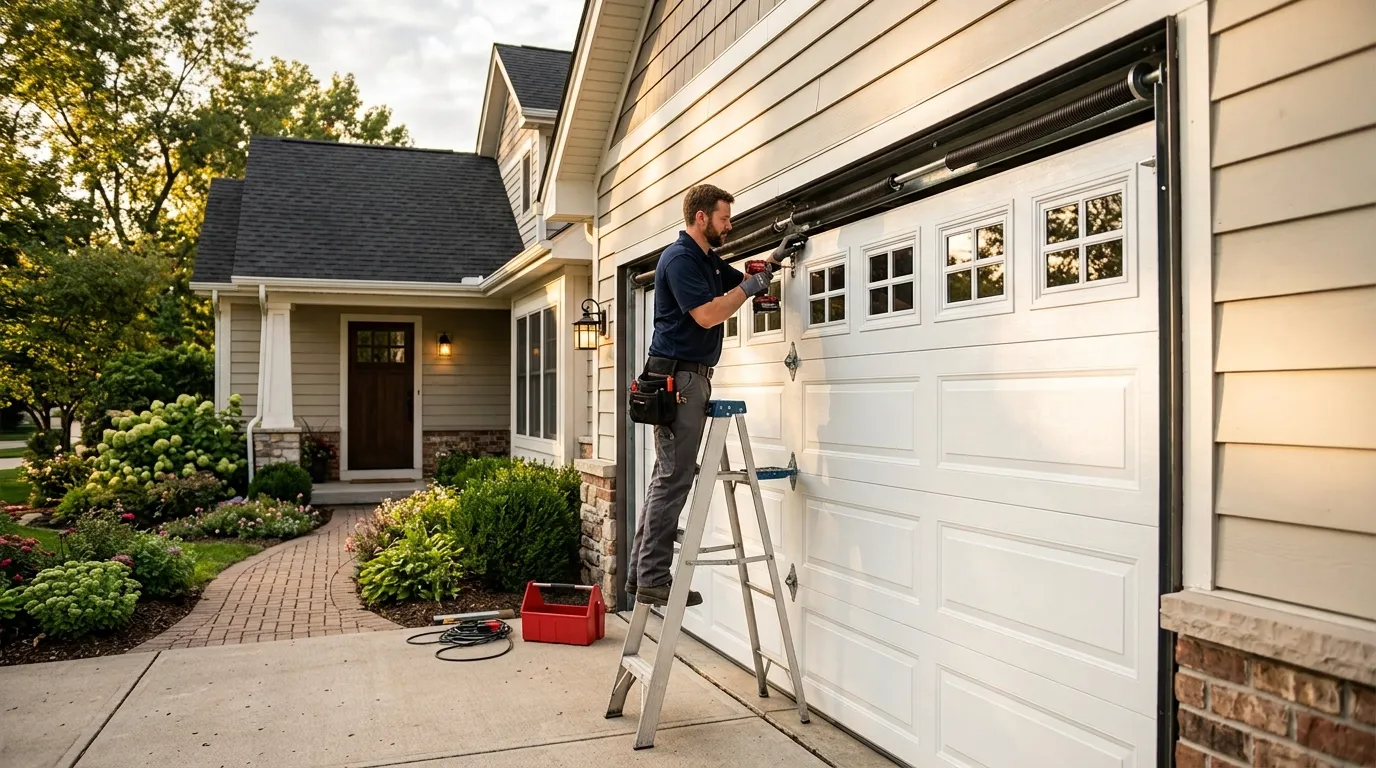
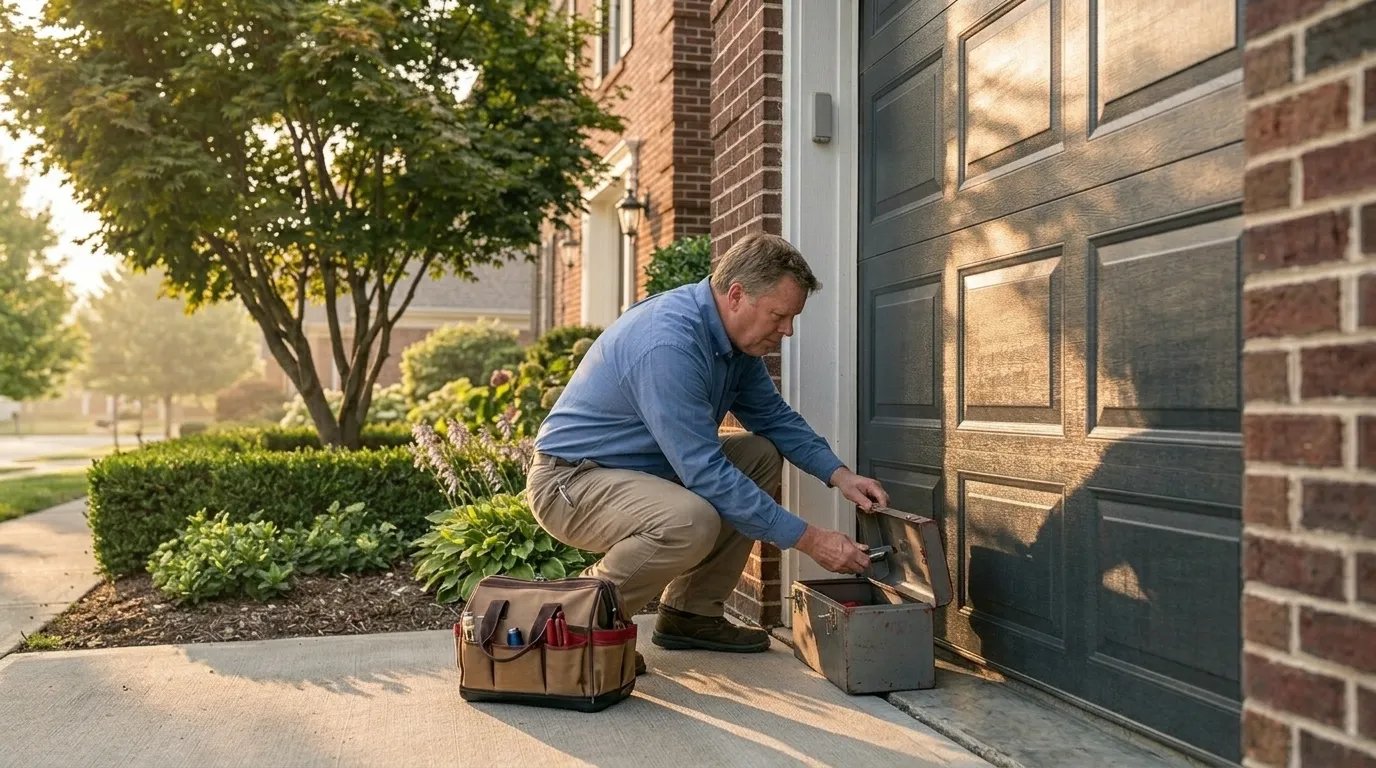
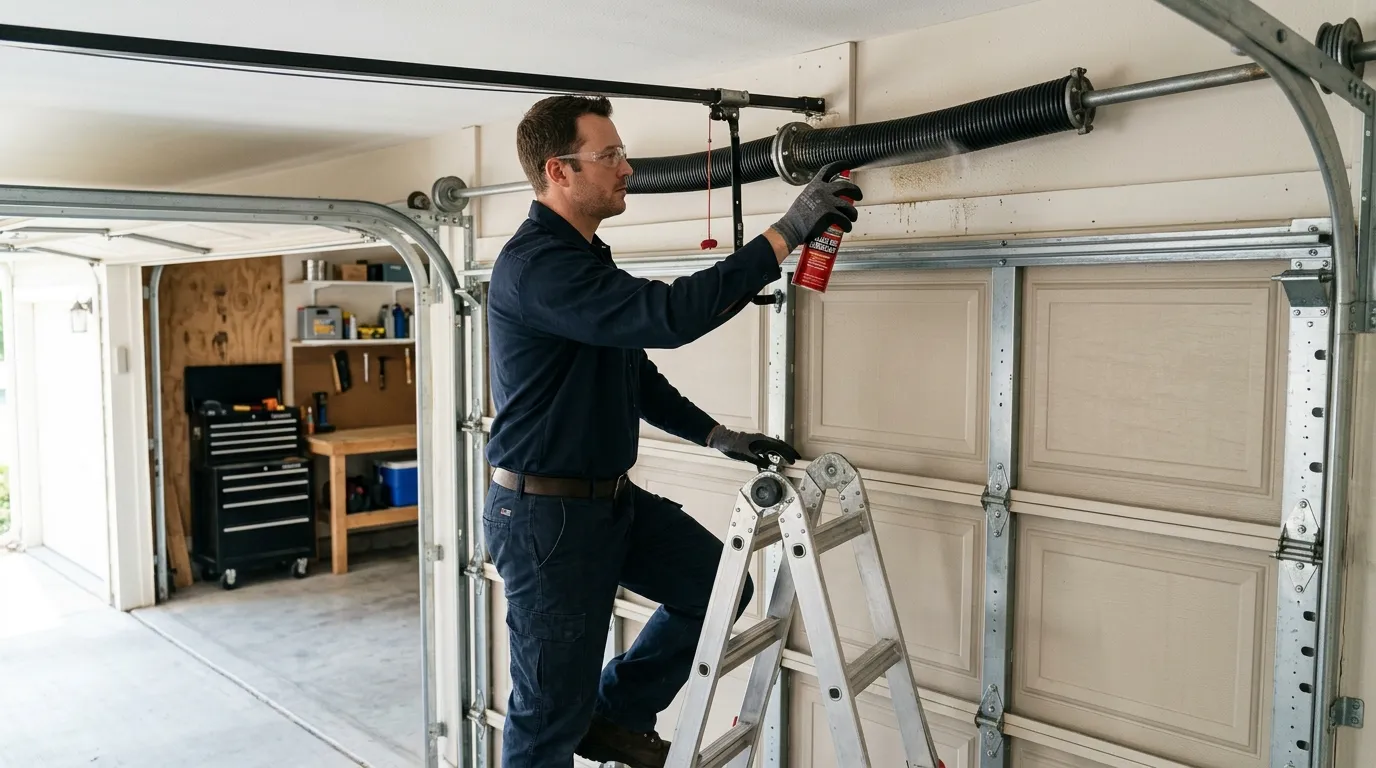
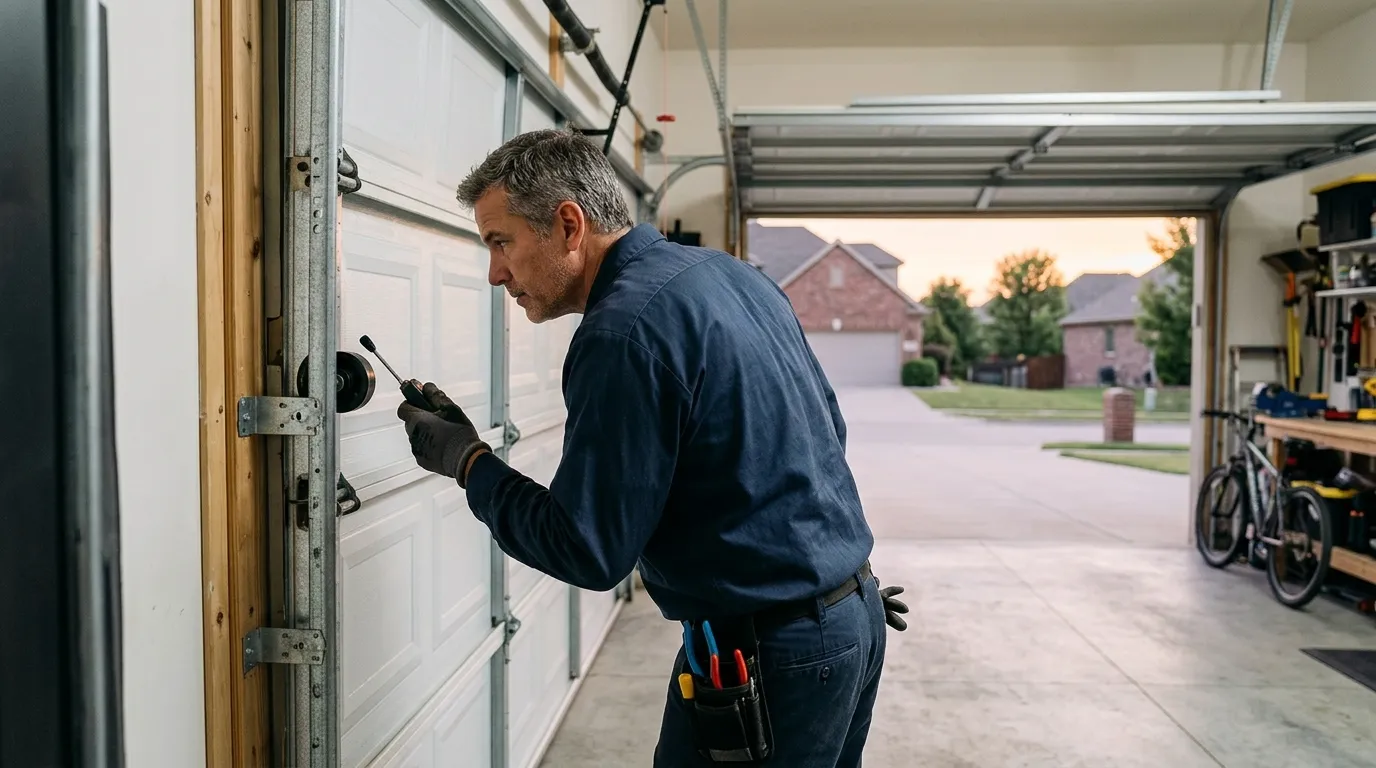
Most of Sun Prairie went up between 1959 and 2001, with the bulk of it built in the 1980s and 90s. That means a lot of doors out there are running torsion springs sized for the steel sectional doors that were standard through that stretch, plus the galvanized rollers and rolled-steel track that came with them. We stock the spring wire diameters and shaft sizes that match that era's builder-grade setups, along with the nylon and steel roller options that replace the originals when they finally wear through their bearings. We also carry the extension spring cable and safety cable kits still found on older detached garages that never got upgraded to torsion. What we don't stock on the truck is obsolete opener logic boards from long-discontinued brands - if your opener is old enough that the manufacturer no longer makes the part, we'll tell you straight that a new opener is the faster and cheaper fix than hunting down a board nobody makes any more.
The Cost of This Job
We're not going to quote a number here that doesn't hold up job to job - too much depends on whether you need a spring swapped or a full torsion conversion, and whether the track is just bent or the cable has jumped the drum. What we can tell you is how the decision usually breaks down. A single broken torsion spring on a door that's otherwise sound is almost always a repair, not a replacement. A door with rot in the bottom panel, rust through the hinges, or an opener original to a house built in the 1980s is a different conversation - at that point you're often paying to keep patching a door that's due anyway. We'll look at the whole unit before we tell you which side of that line your job falls on, not just the part that failed today.
How It Shows Up
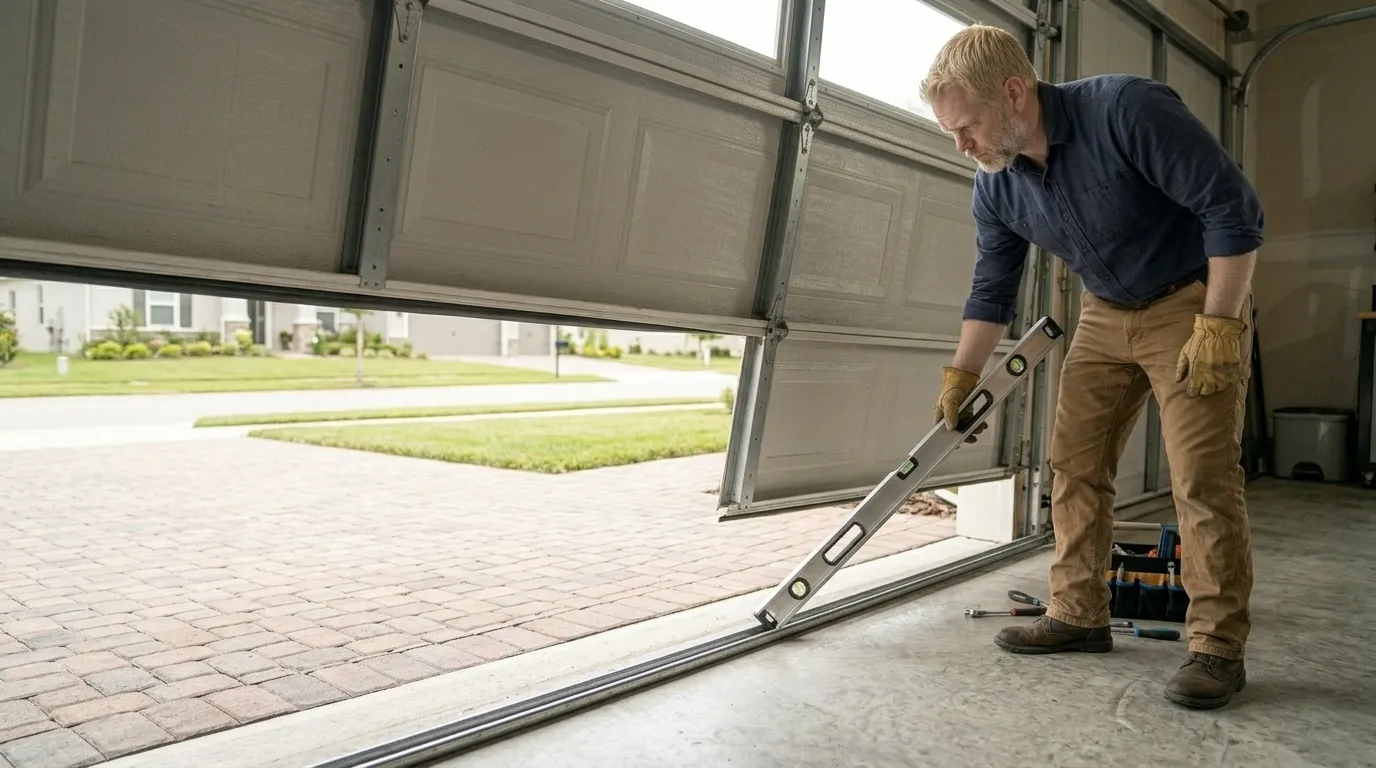
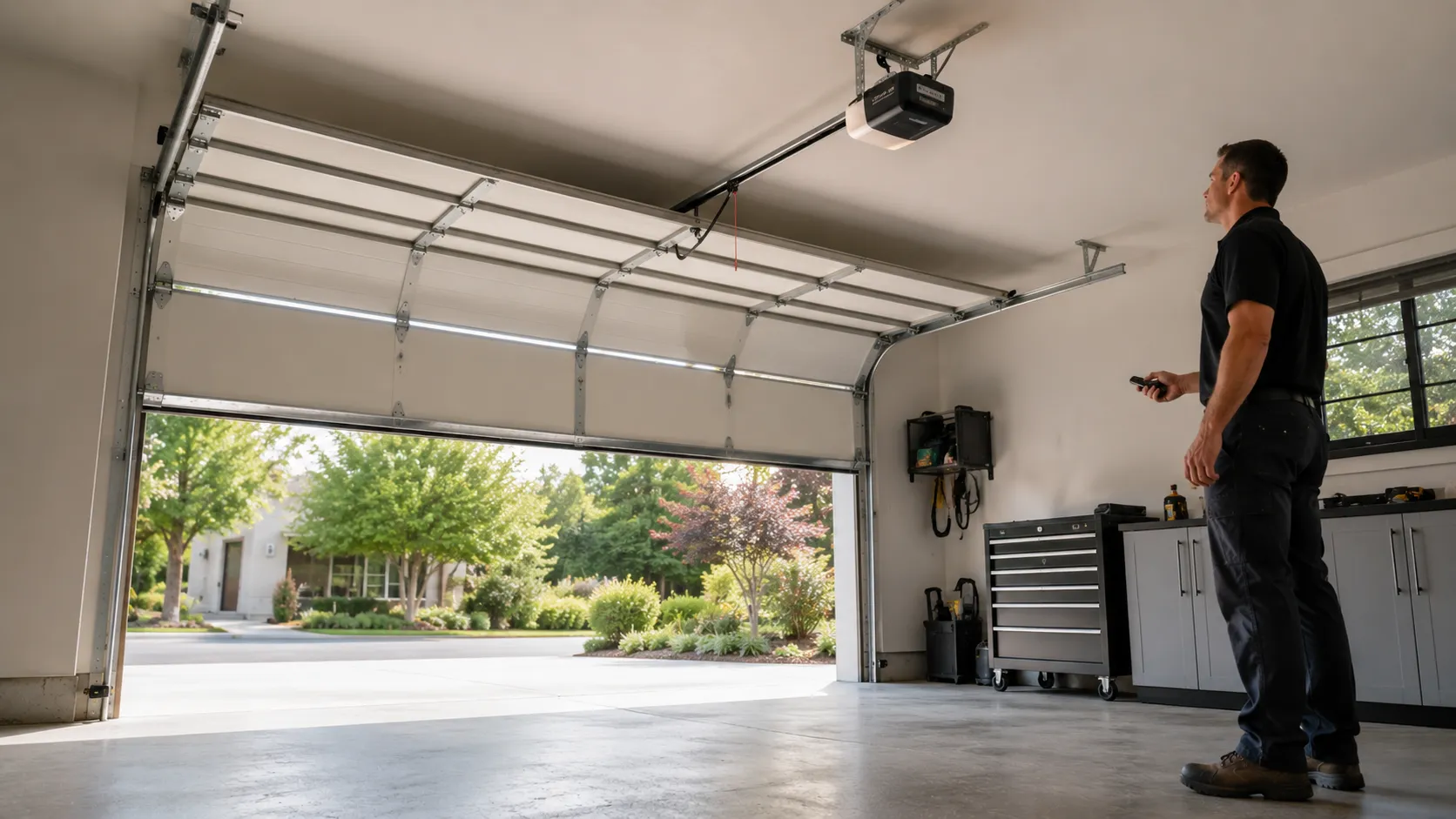
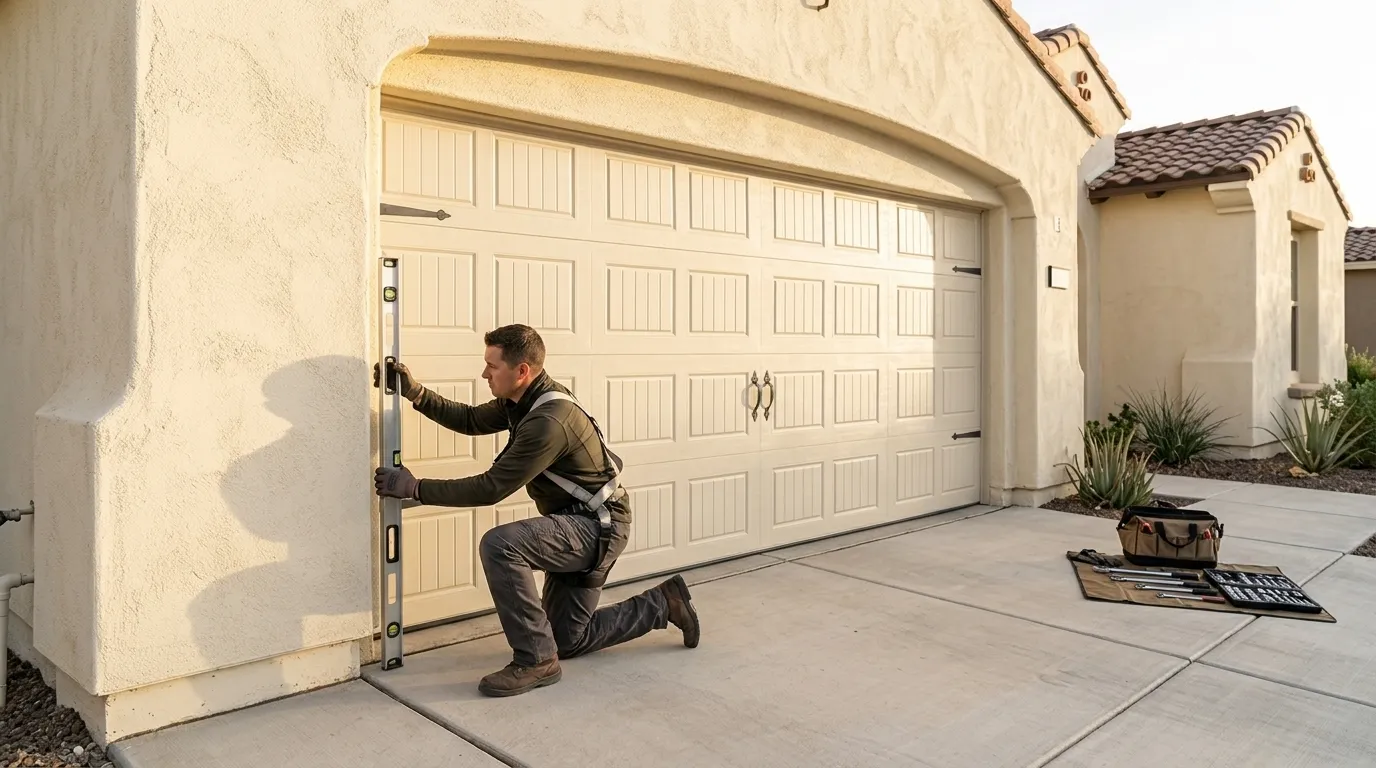
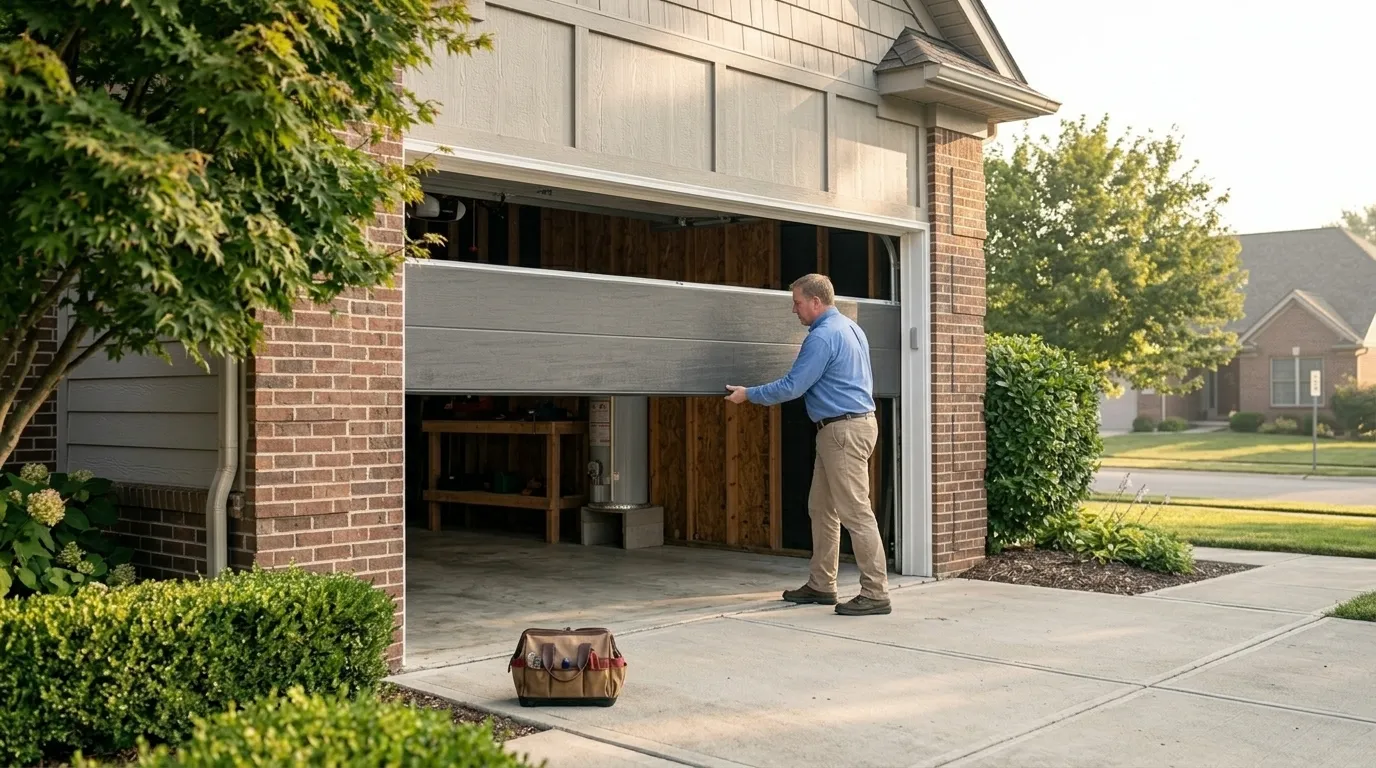
The most common call is a door that won't move at all - usually a torsion spring that let go, often with a bang loud enough to bring someone out to the garage to check. Close behind that is a door that opens partway and reverses, which on older openers is frequently a safety sensor knocked out of alignment or a cable that's started to fray on a worn drum. In real cold snaps we also see doors that groan or bind hard on the first pull of the morning - that's usually a lubrication issue meeting a track that's slightly out of parallel, and the cold just makes it obvious. Less urgent but worth a call: a door that's noticeably louder than it used to be, which is often rollers wearing out before they seize completely.