Getting Here
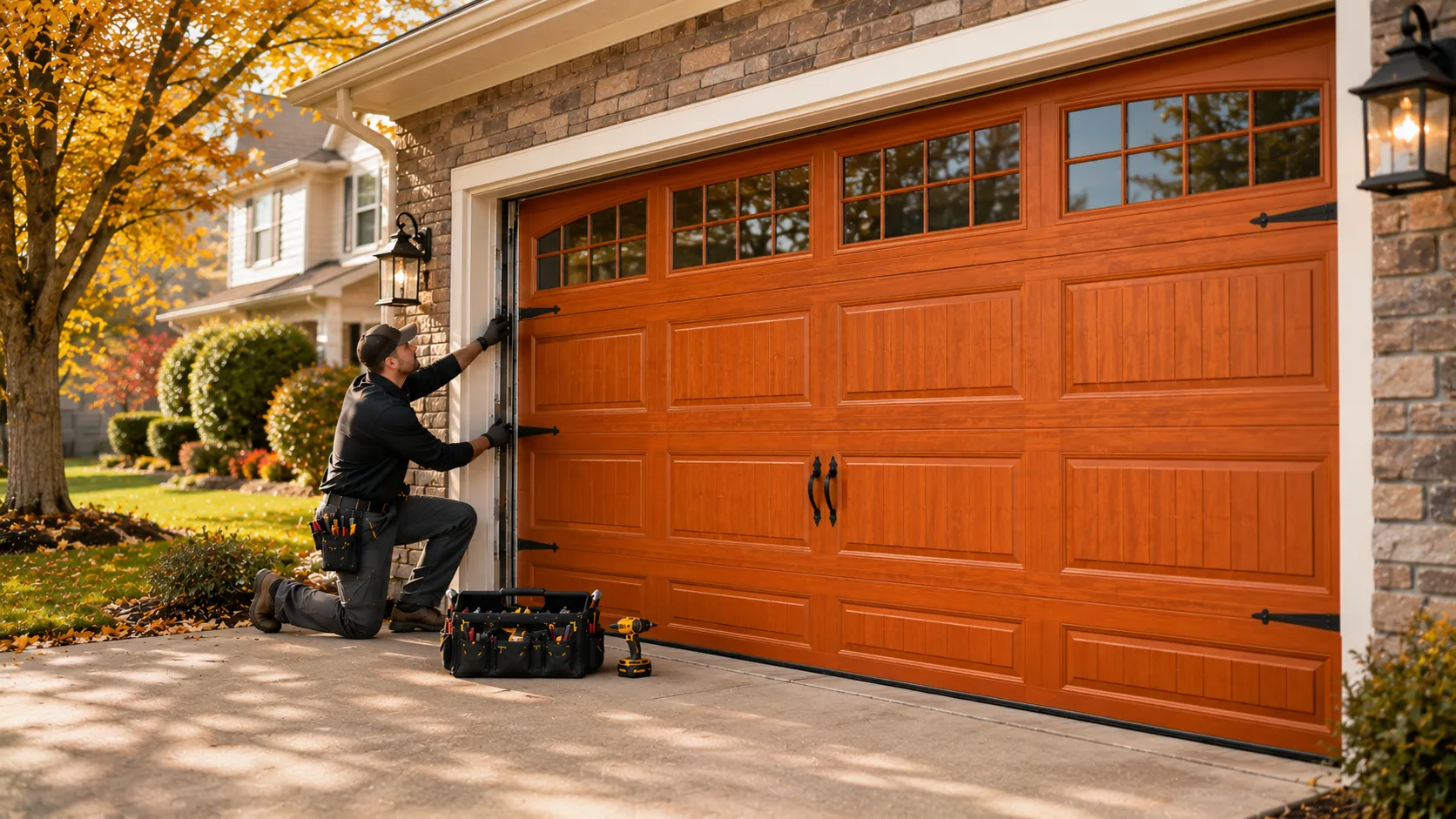
DeForest sits about six miles from our shop in Sun Prairie, a straight run that keeps drive time short on both ends of a job. That matters on a broken spring call - a door stuck shut in the morning is a door we can usually get to and back open the same day, not a next-week appointment.
We're not based in DeForest and don't run a second location here. We travel out from Sun Prairie for every call, which is standard for how we cover this part of the county. The short distance is the reason DeForest gets the same turnaround as jobs closer to the shop, not a discount version of it.
If you're comparing us to someone who claims a DeForest address, ask where their trucks actually start the day. A close, honest commute beats a storefront with nothing behind it.
We don't skip driveways or add a surcharge for the trip - six miles is six miles, and it's built into how we schedule the area, not treated as an extra.
How That Shows Up in the Door
DeForest's housing runs newer than a lot of the towns we cover - the median build year here is around 1992, later than the 1986 median across the wider service area. That decade-plus gap changes what's actually failing when a homeowner calls.
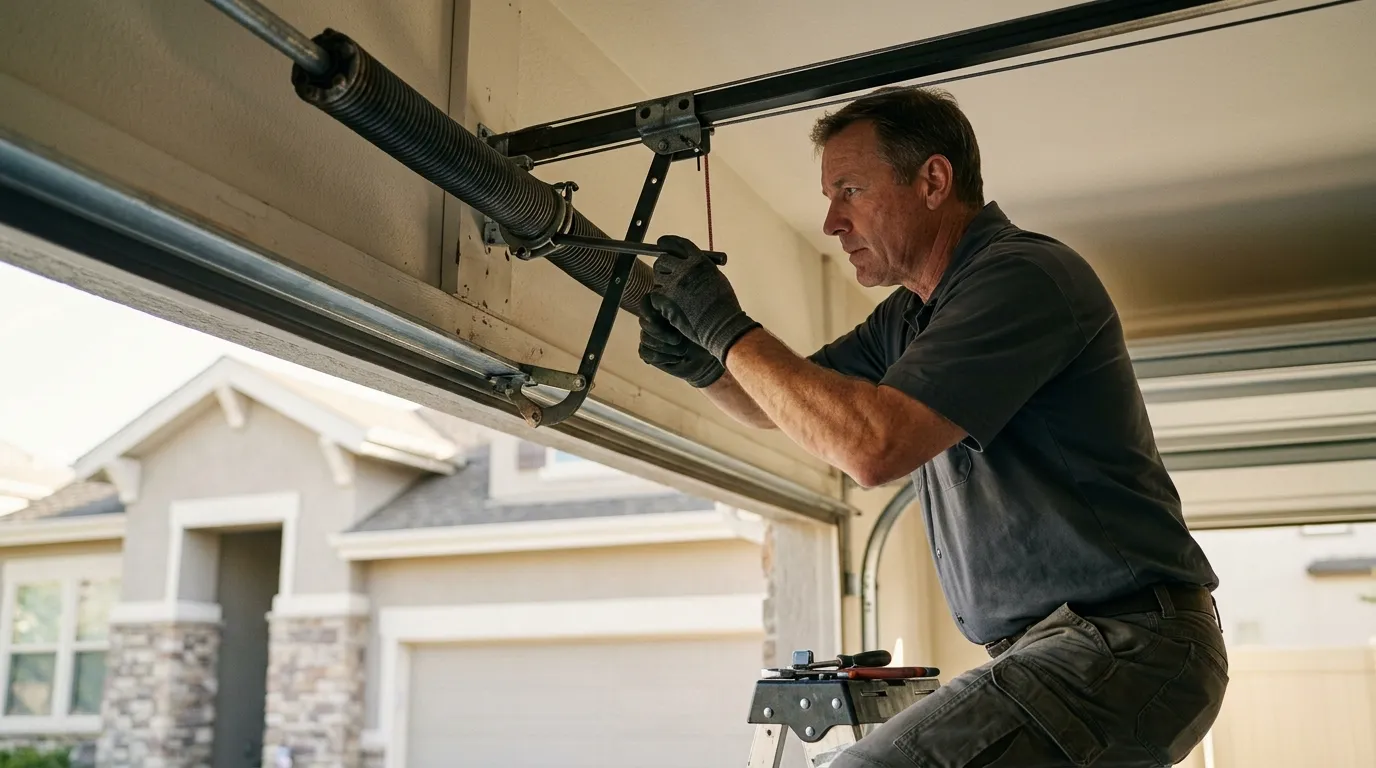
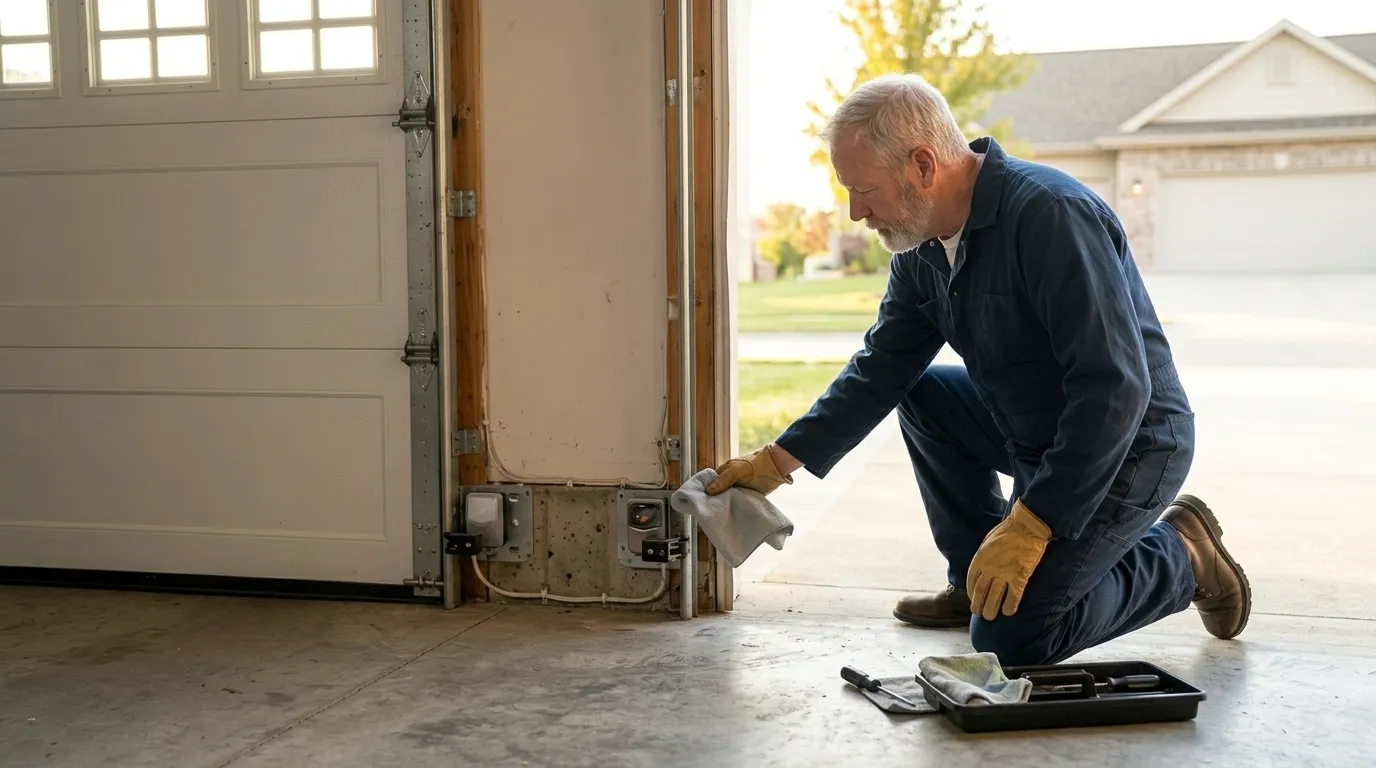
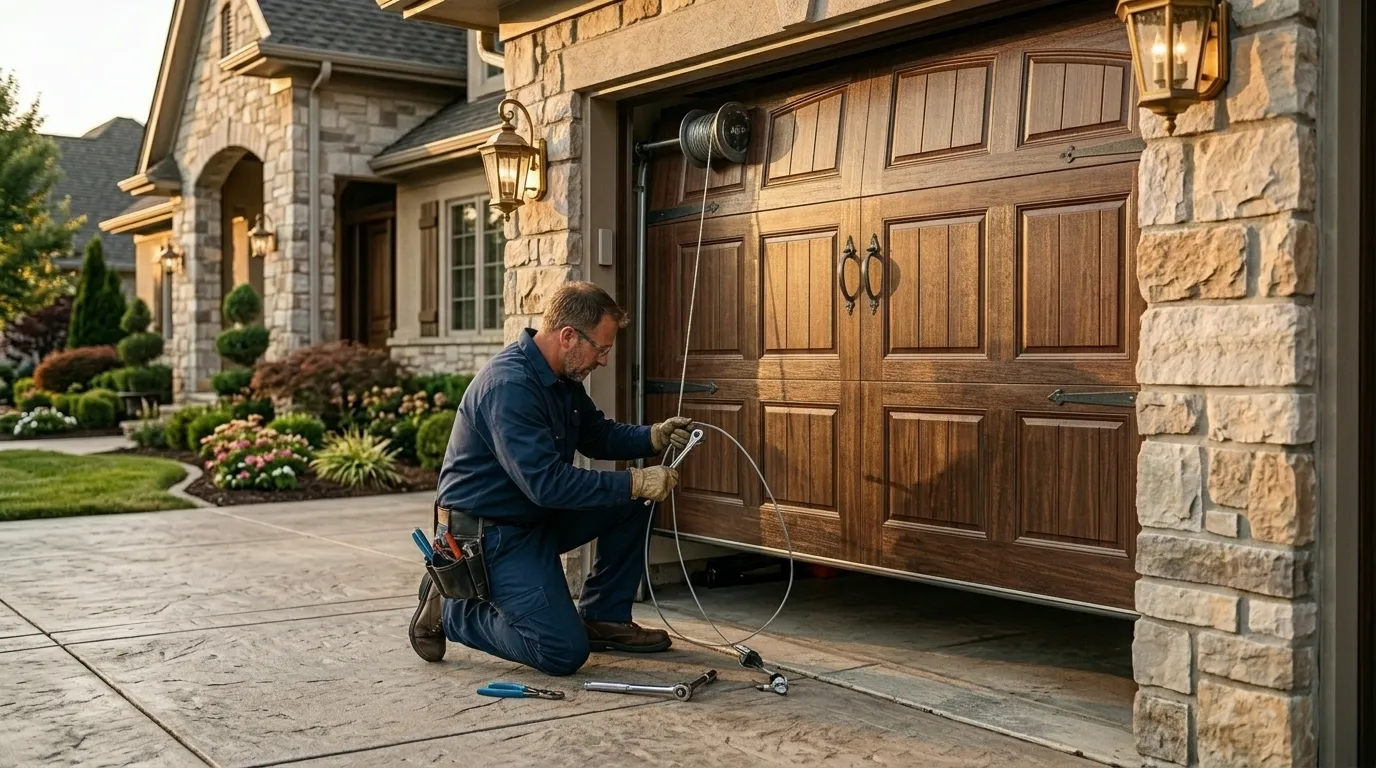
A door installed in 1992 is more likely to have a factory torsion spring setup and an early-generation chain-drive opener than the older extension-spring, side-mounted hardware you'd find on a 1960s or 1970s house elsewhere in the region. The failure points are different: opener circuit boards and drive gears wearing out, rather than obsolete spring cable systems nobody stocks parts for anymore.
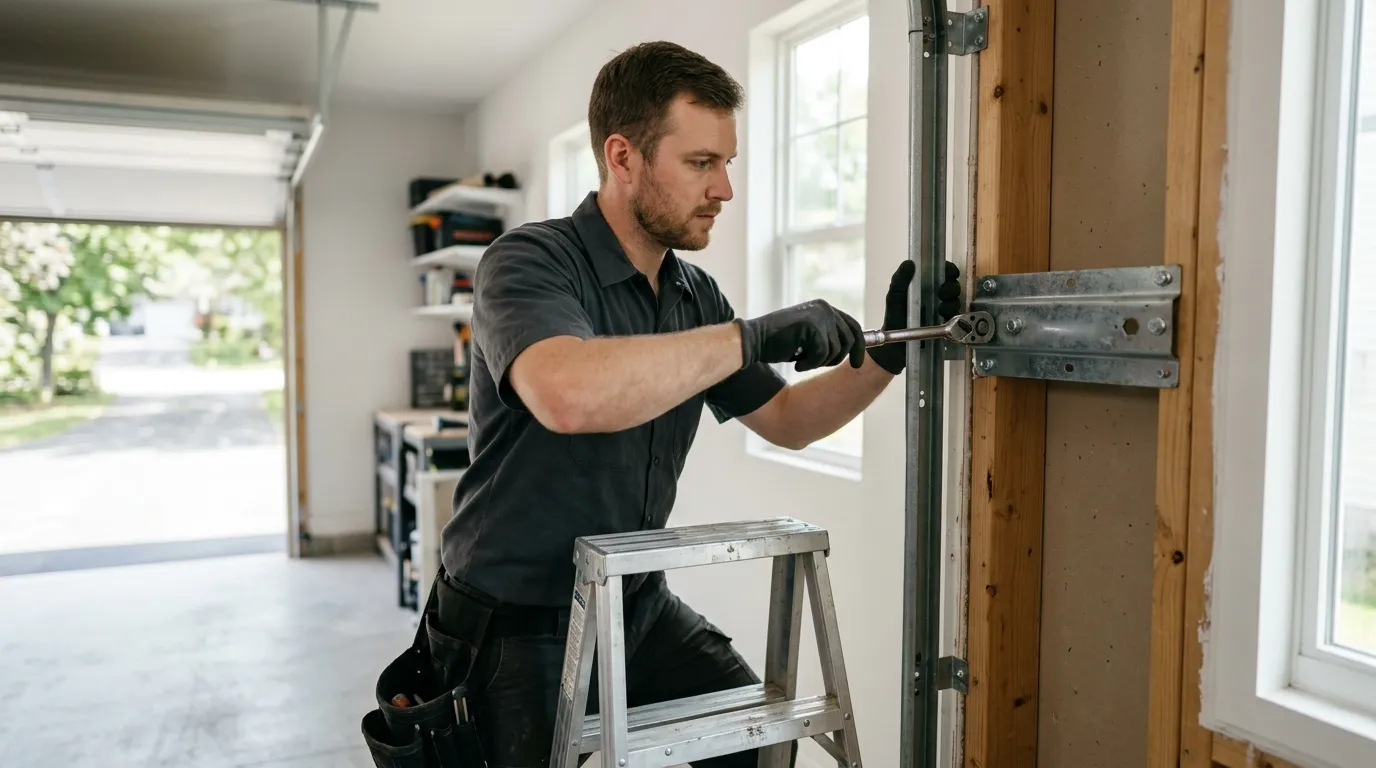
The cold-climate factor still applies regardless of build year - severe winter swings stress steel springs and nylon rollers on any door, new or old, and DeForest sees the same winters as the rest of the area. So while the hardware generation is newer here, the seasonal wear pattern isn't any gentler.
What we don't see much of in DeForest: the truly old one-piece doors and obsolete track hardware that show up on the oldest housing stock elsewhere. That's a real difference, not a marketing line.
This Area's Housing
DeForest has roughly 4,268 households, and the housing stock clusters around that 1992 median build year - noticeably later than much of the surrounding service area, where 1980s and 90s construction is common but pulled earlier by older pockets built back to 1959. That later median puts DeForest toward the newer end of what we cover.
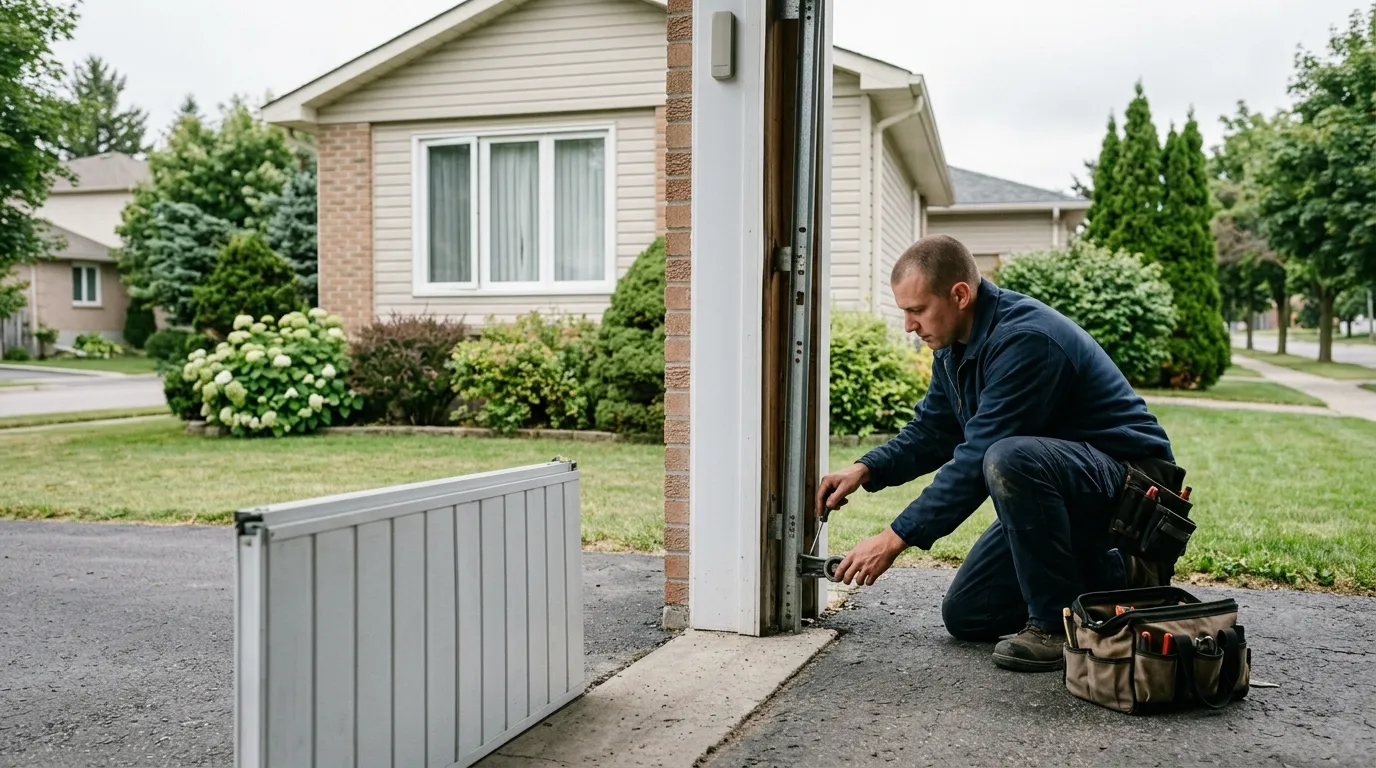
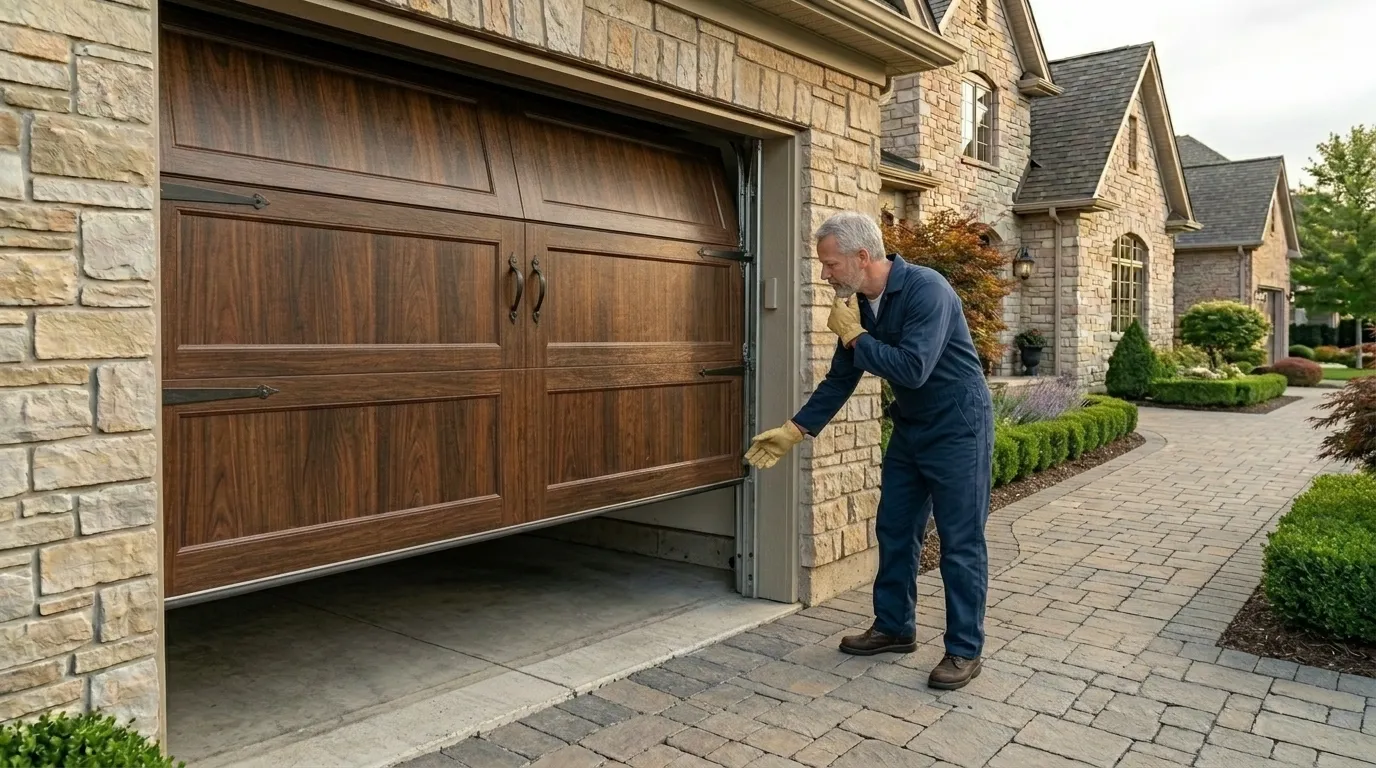
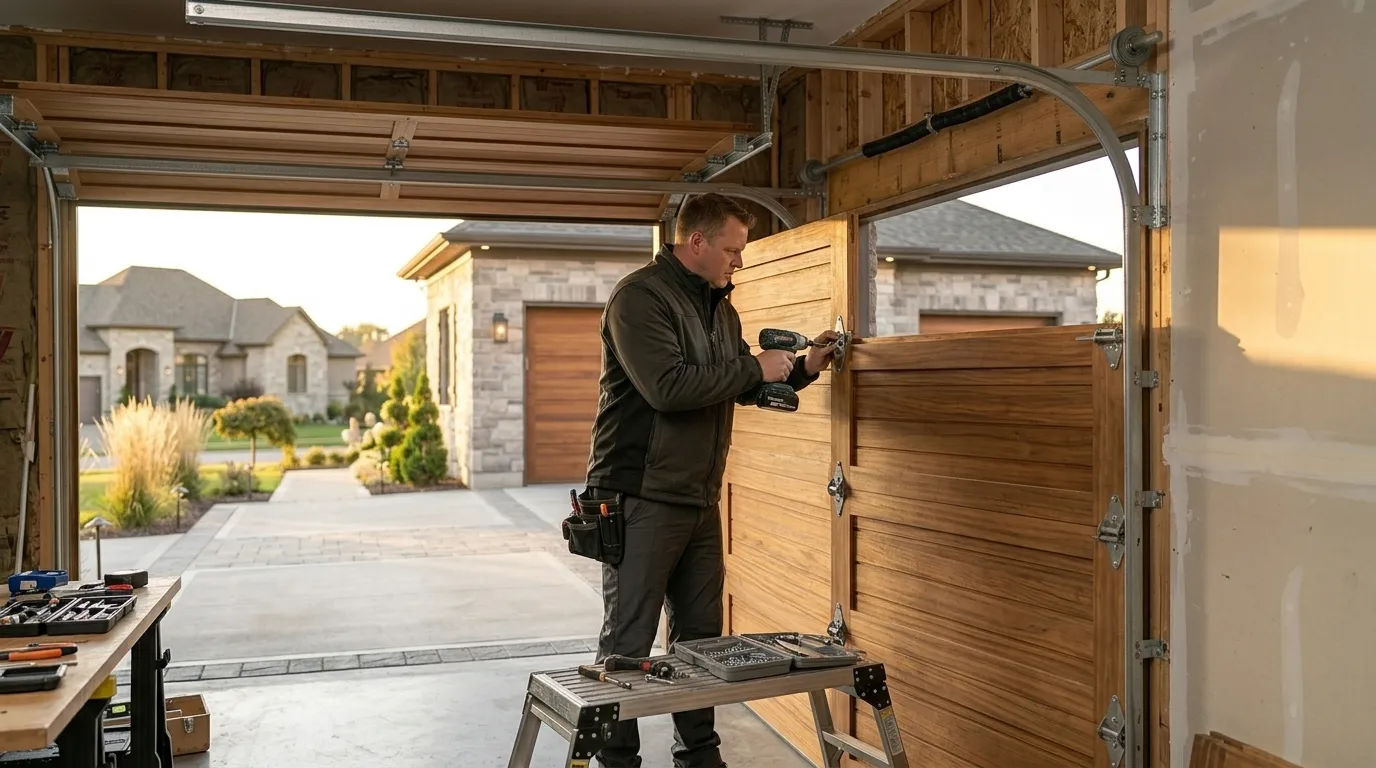
Newer construction here generally means better-sealed garages and door openings built closer to modern rough-opening standards, which simplifies replacement jobs - less shimming, fewer surprises when a new door has to fit an old frame. It doesn't mean the doors are exempt from wear; 30-plus years is still 30-plus years of a spring cycling open and shut.
Across the broader area we serve, 34,734 of the roughly 69,753 households are owner-occupied houses - the segment that calls us most, since renters usually route a garage door problem through a landlord or property manager instead. DeForest's own household count is a fraction of that regional total, but it holds to the same ownership pattern we see everywhere else on our route.