Parts We Carry
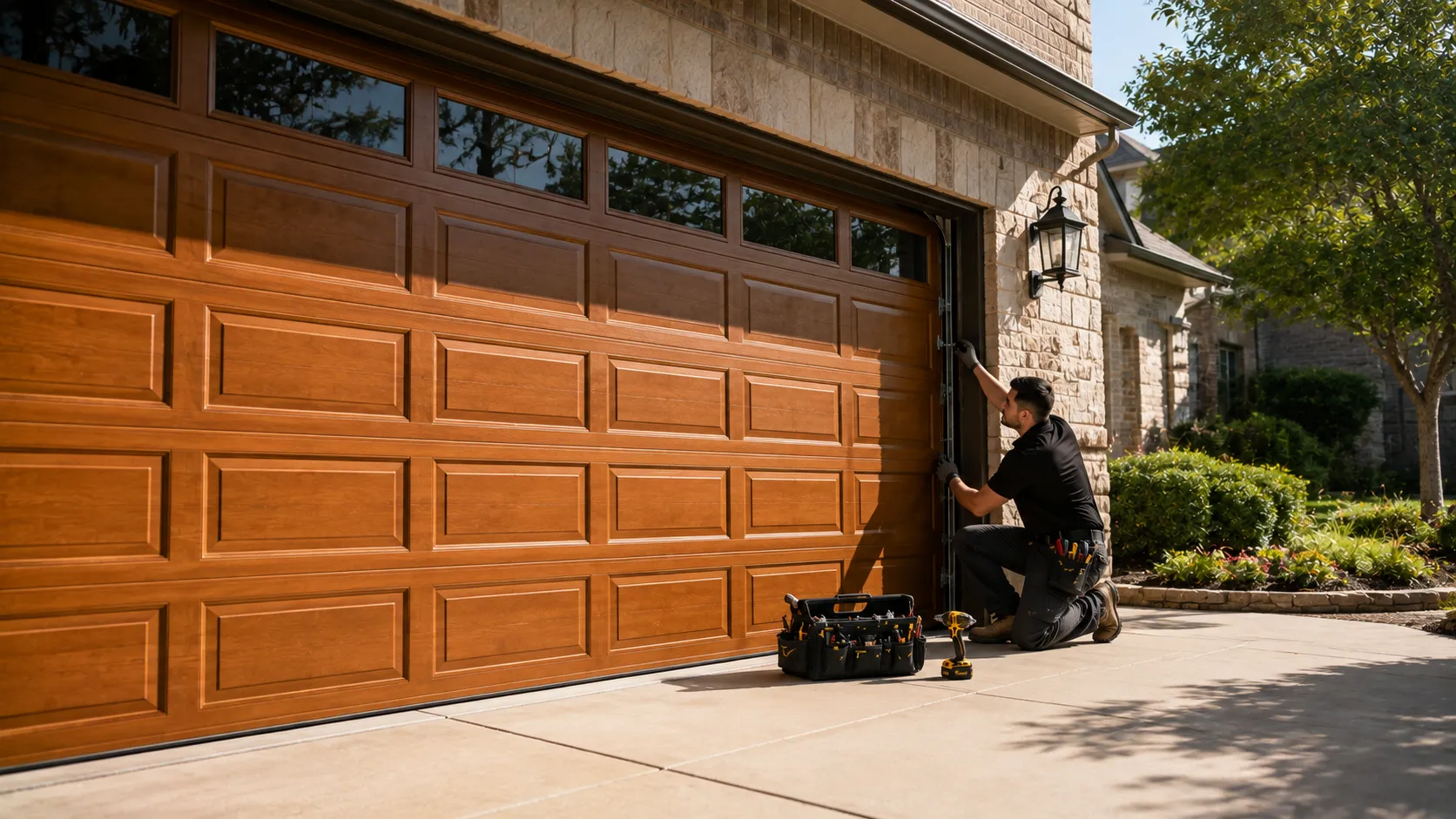
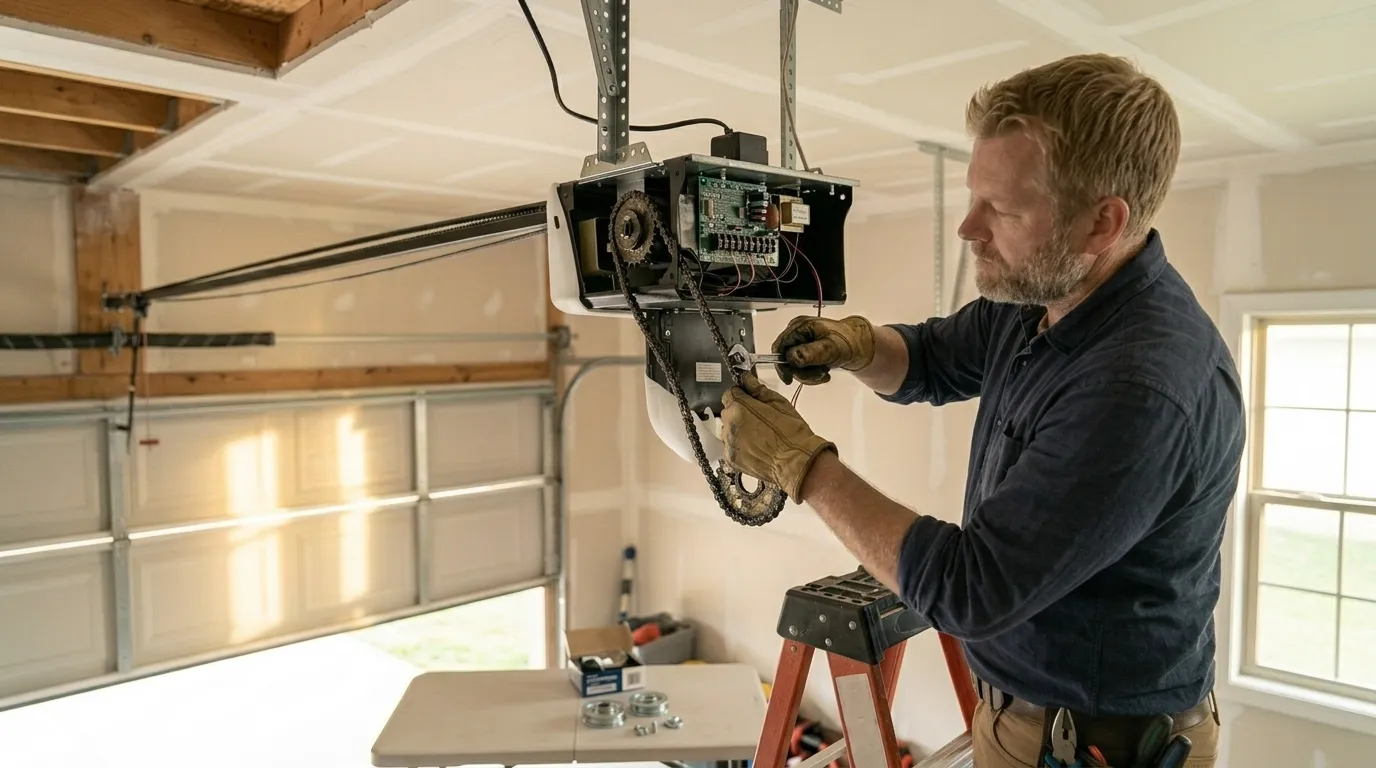
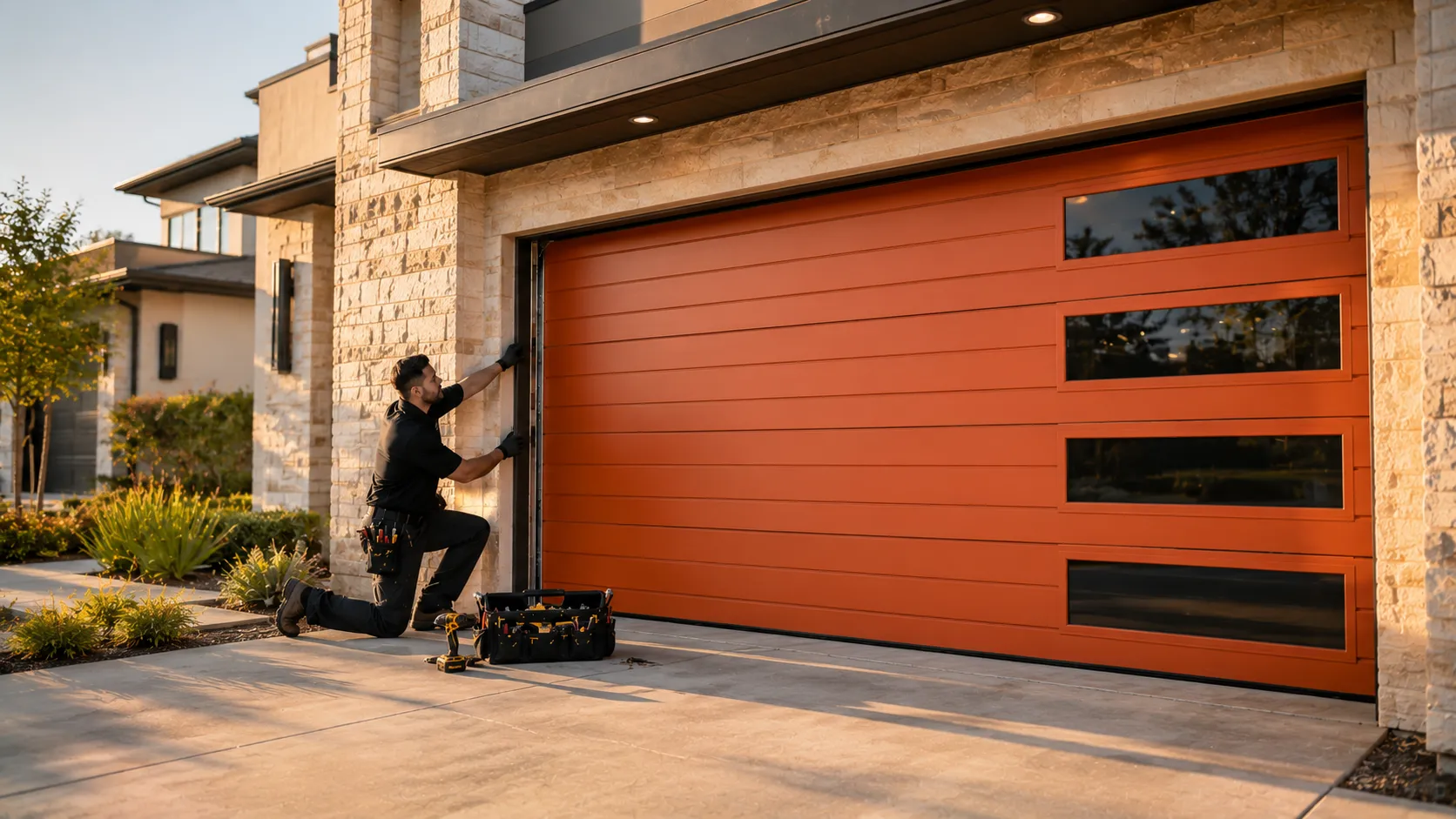
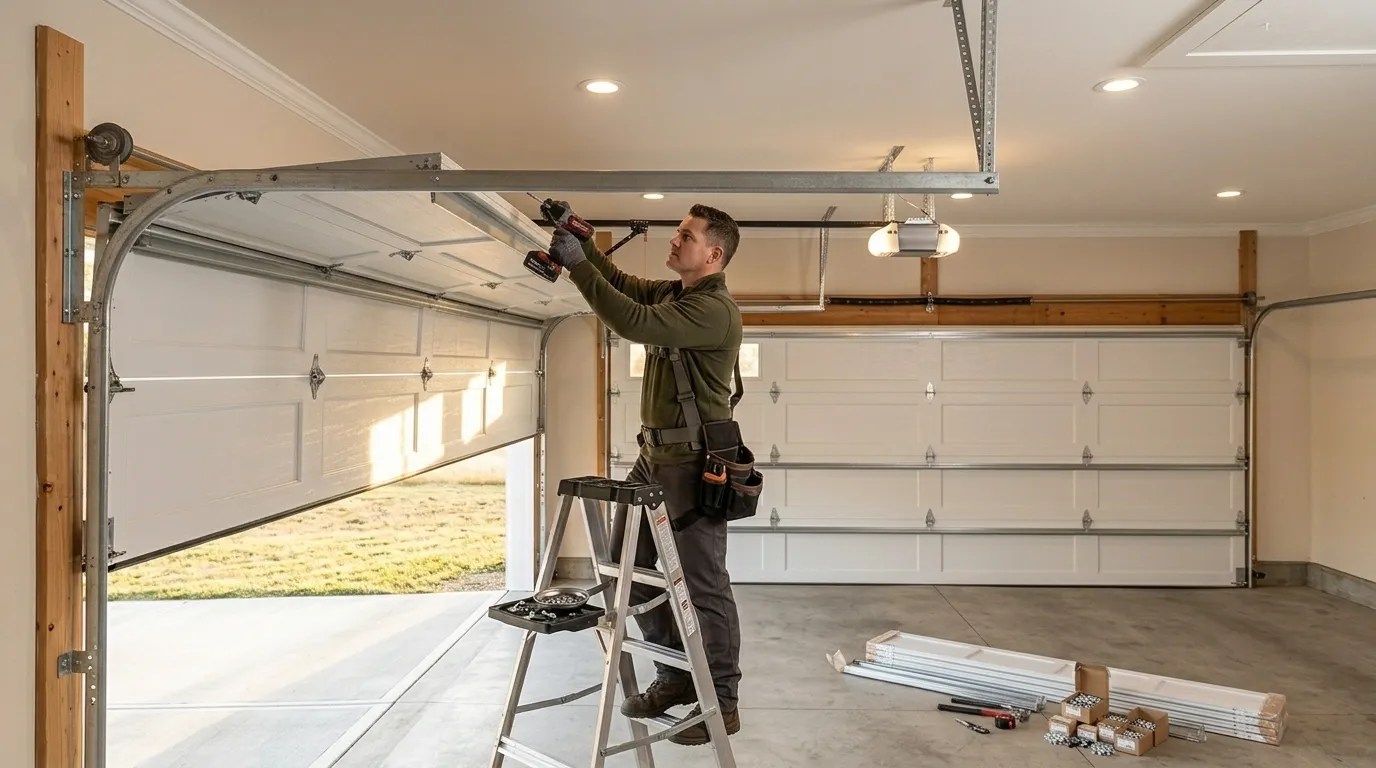
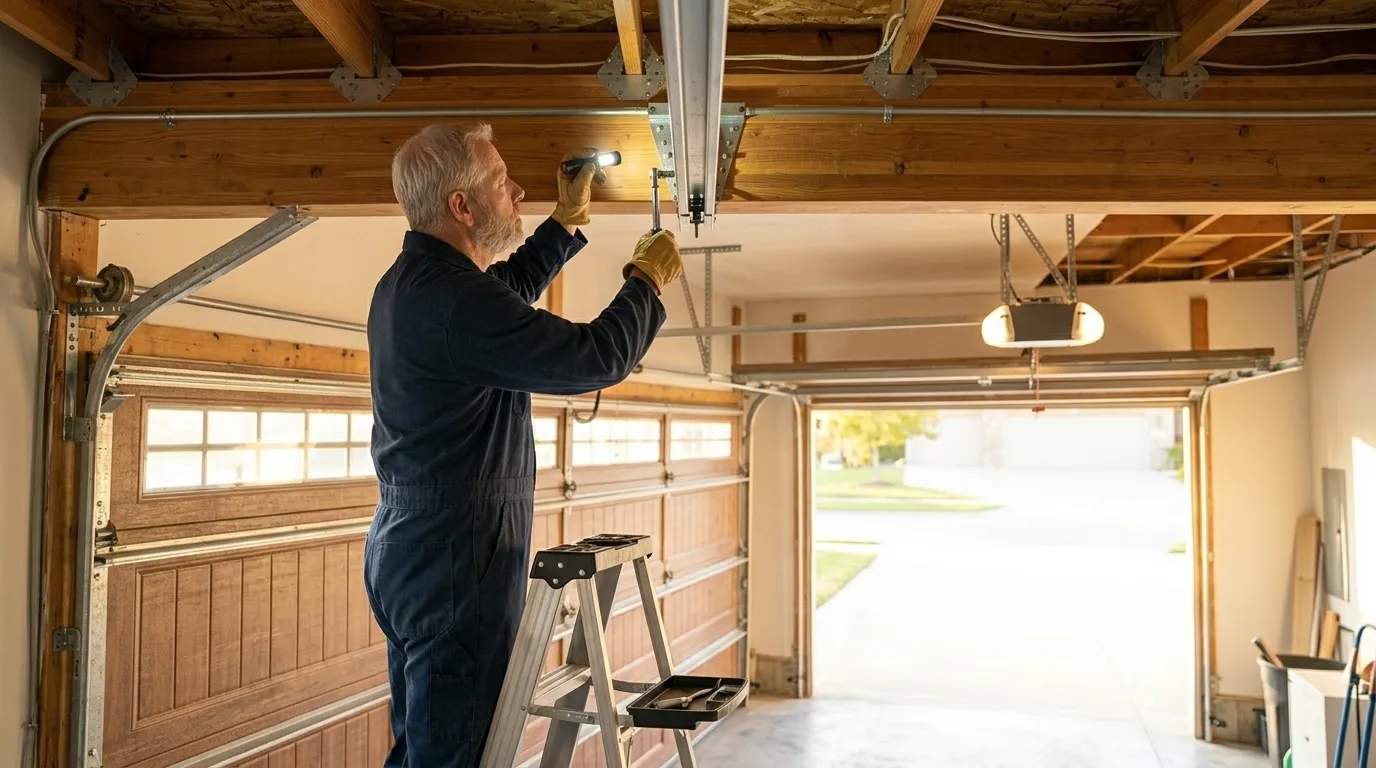
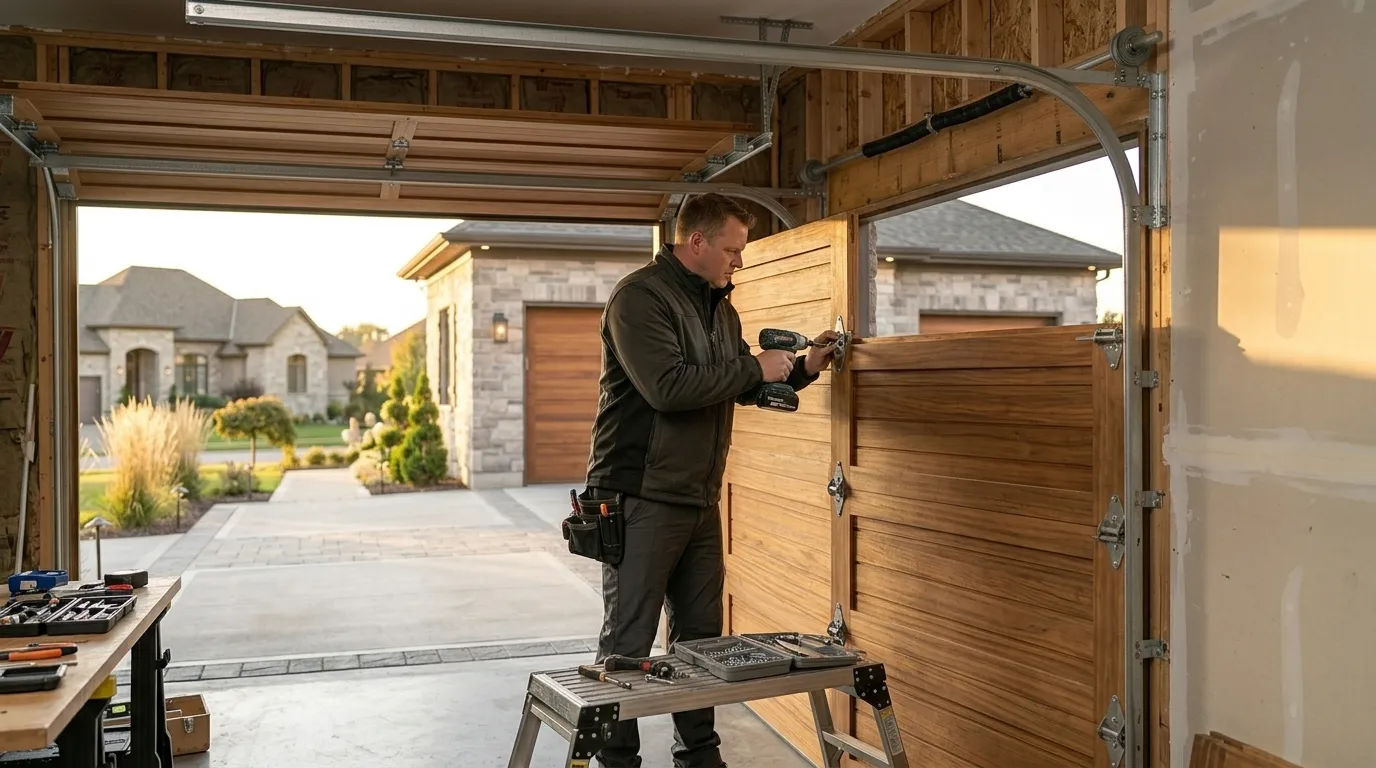
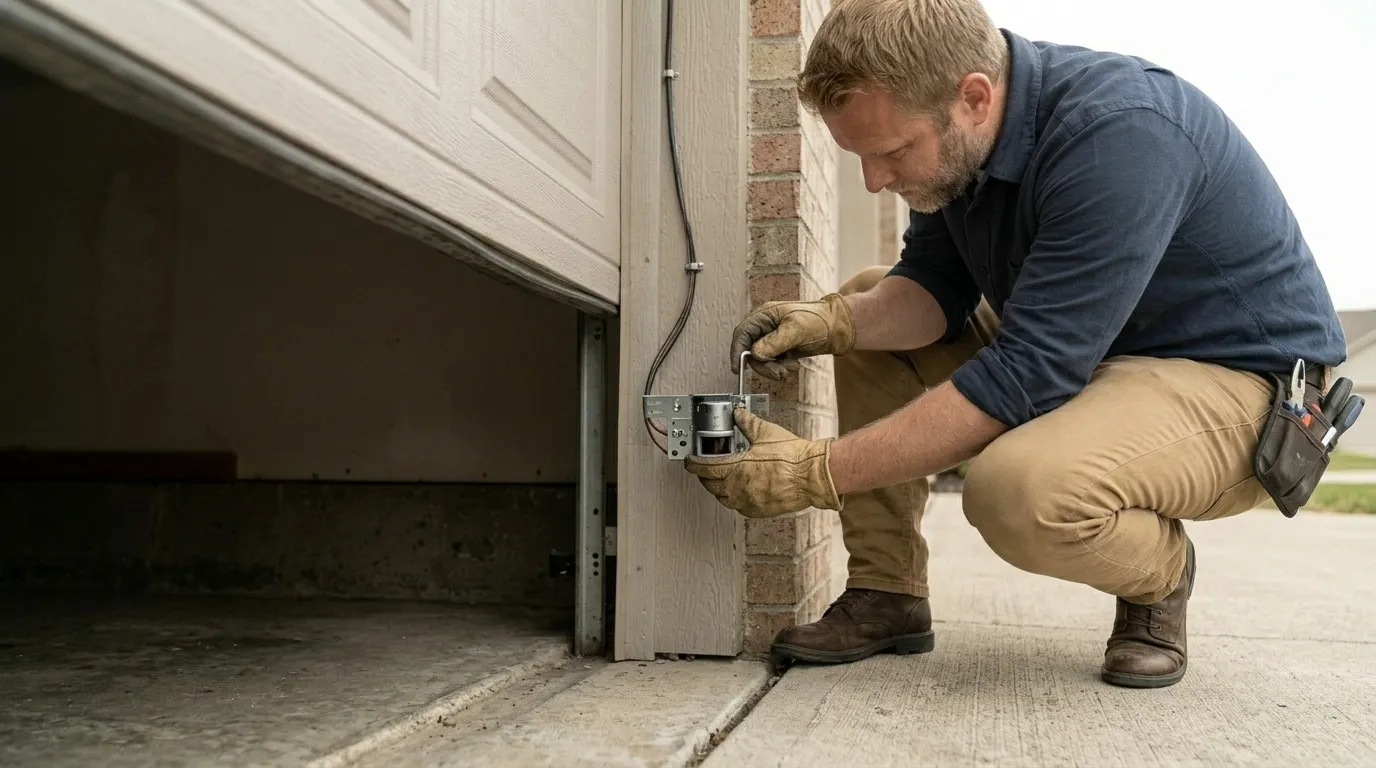
Most of the doors we pull out around Sun Prairie are original to houses built somewhere between 1959 and 1986, with a lot of that stock landing in the 1980s and 90s. That means we're usually replacing older steel sections, single-layer panels, and torsion springs sized for hardware nobody makes the same way anymore. For a new install we carry insulated steel and composite doors rated for a cold, severe climate zone, along with matching track, rollers, and torsion spring systems sized to the door and the opening - not a one-size kit. We also stock openers with cold-weather-rated motors, since a garage that sits below freezing for months at a stretch is hard on cheaper units. If your opening is non-standard for the era of your house, we measure before we order rather than guessing off a stock size. One limitation worth saying plainly: on wider double openings from older builds, some panel styles have longer lead times, and we'll tell you that up front instead of promising a date we can't hit.
The Cost of This Job
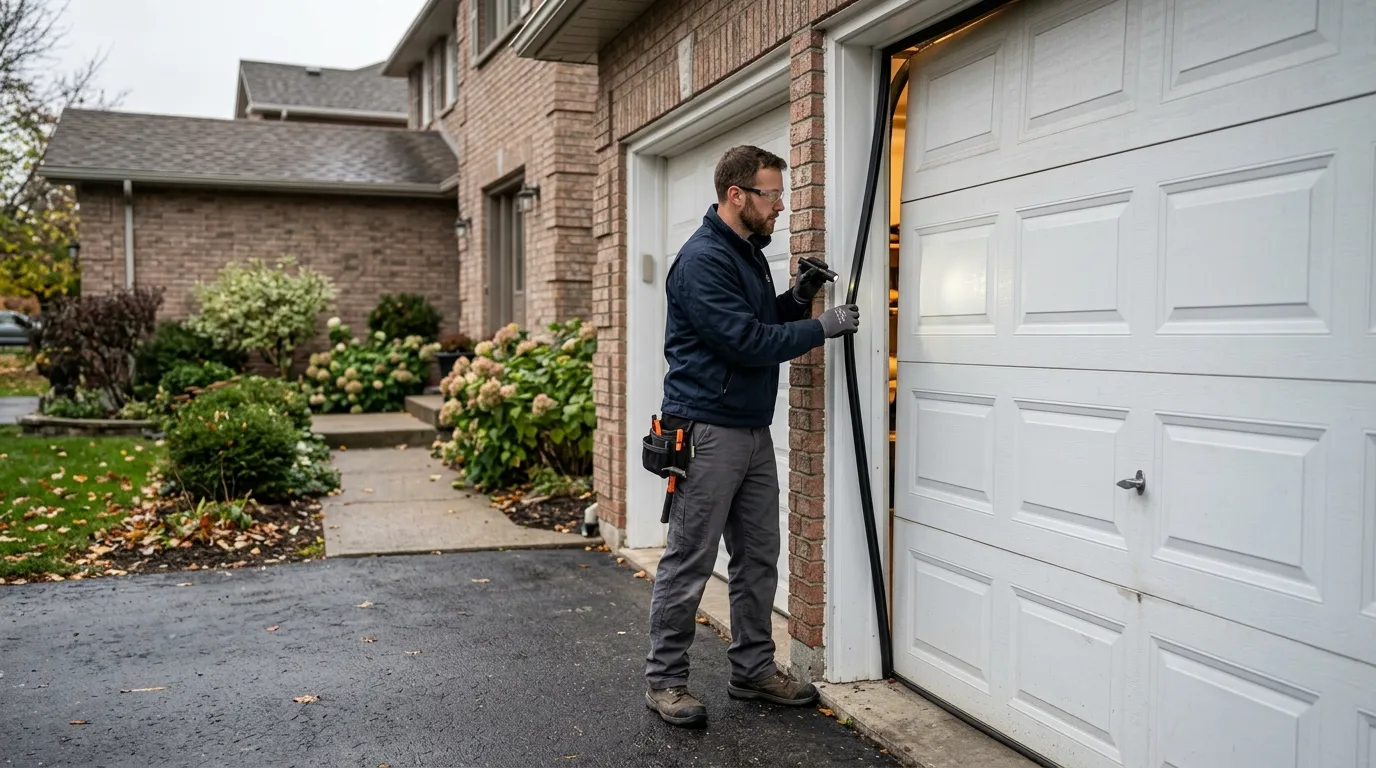
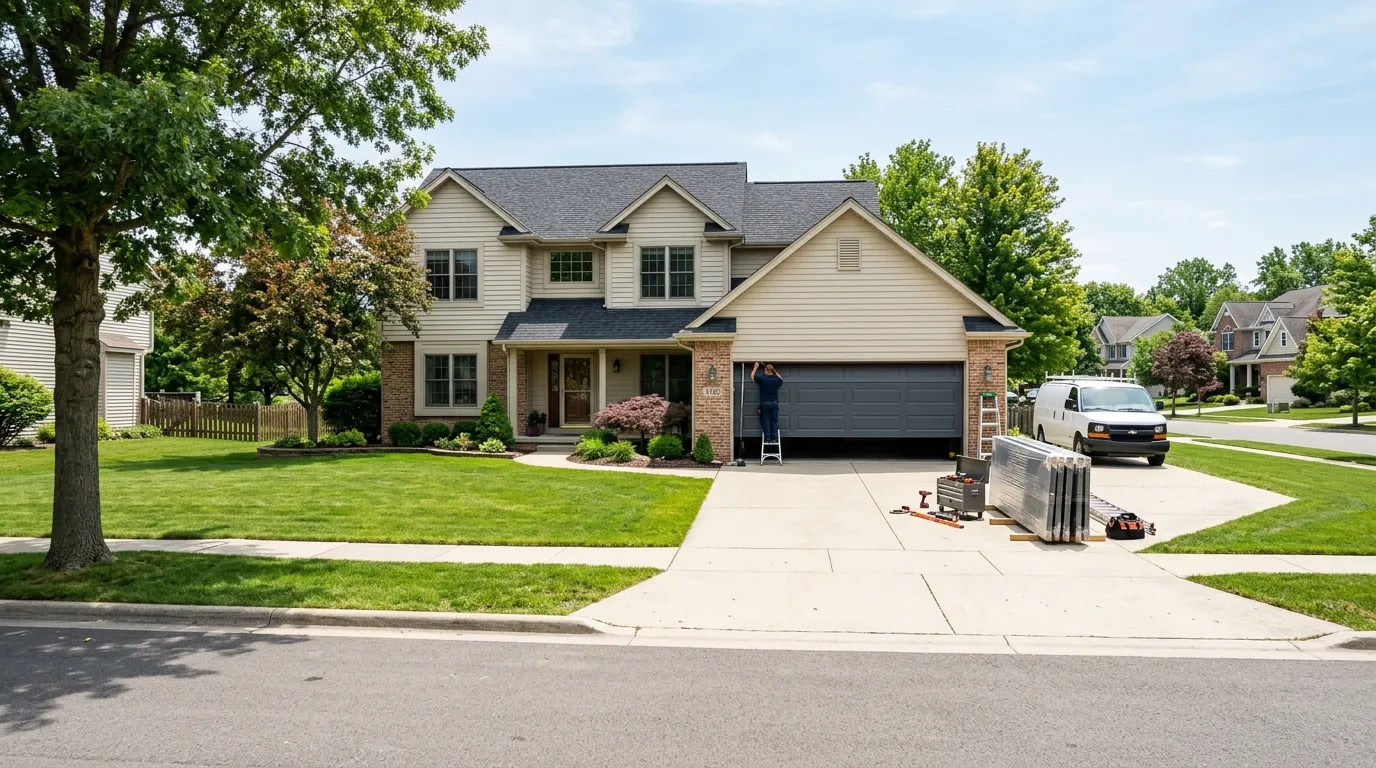
We're not going to hand you a number here that we can't back up - a fair price on installation depends on door size, insulation level, whether the opener is being replaced too, and what the existing track and framing look like once we're on site. What we can tell you is what drives cost up or down in this area: homes from the 1959-2001 build years often have openings that don't match current standard sizes, which can mean custom trim work instead of an off-the-shelf install. A straightforward swap on a standard single door costs less than a double door replacement with a new insulated opener and reinforced track for cold-weather use. We'd rather look at the opening and give you a real number than quote a range that doesn't hold up once we're standing in your driveway.
How It Shows Up
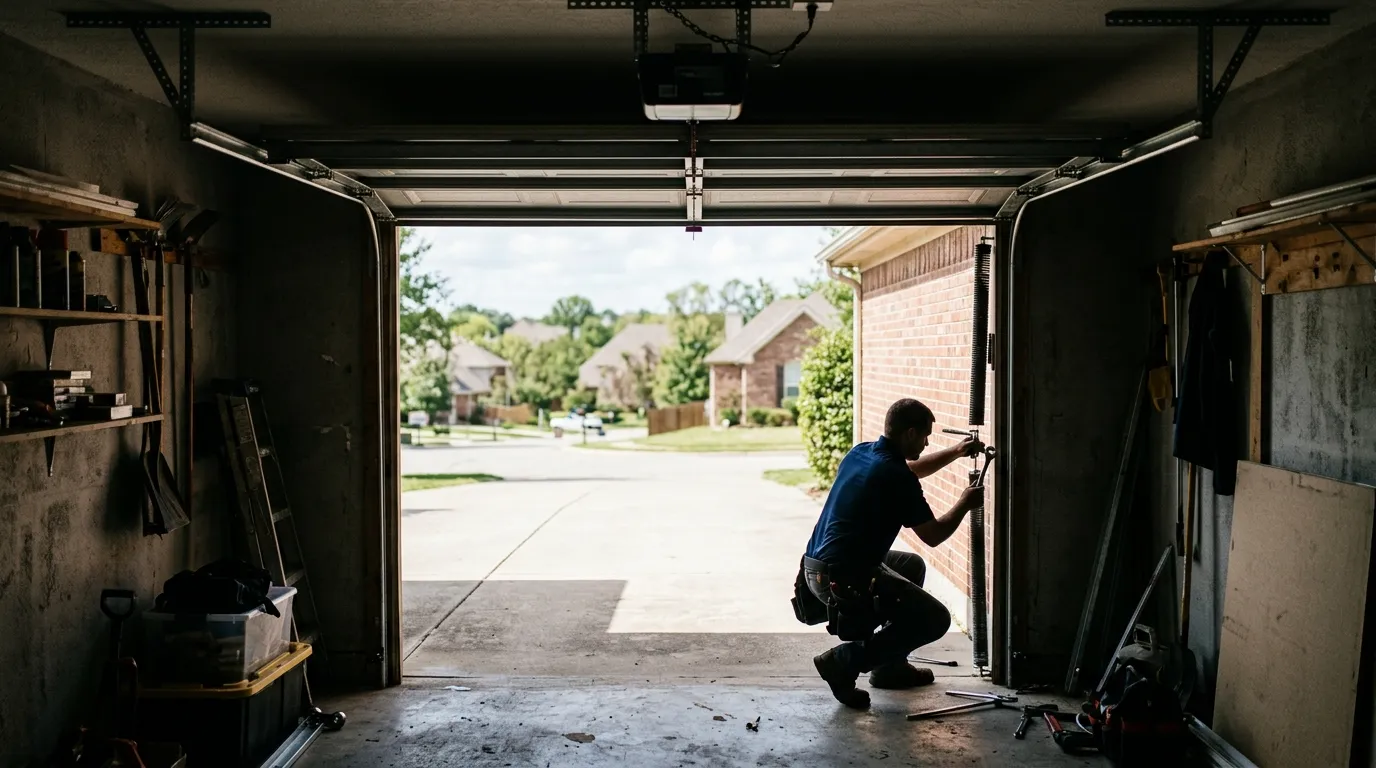
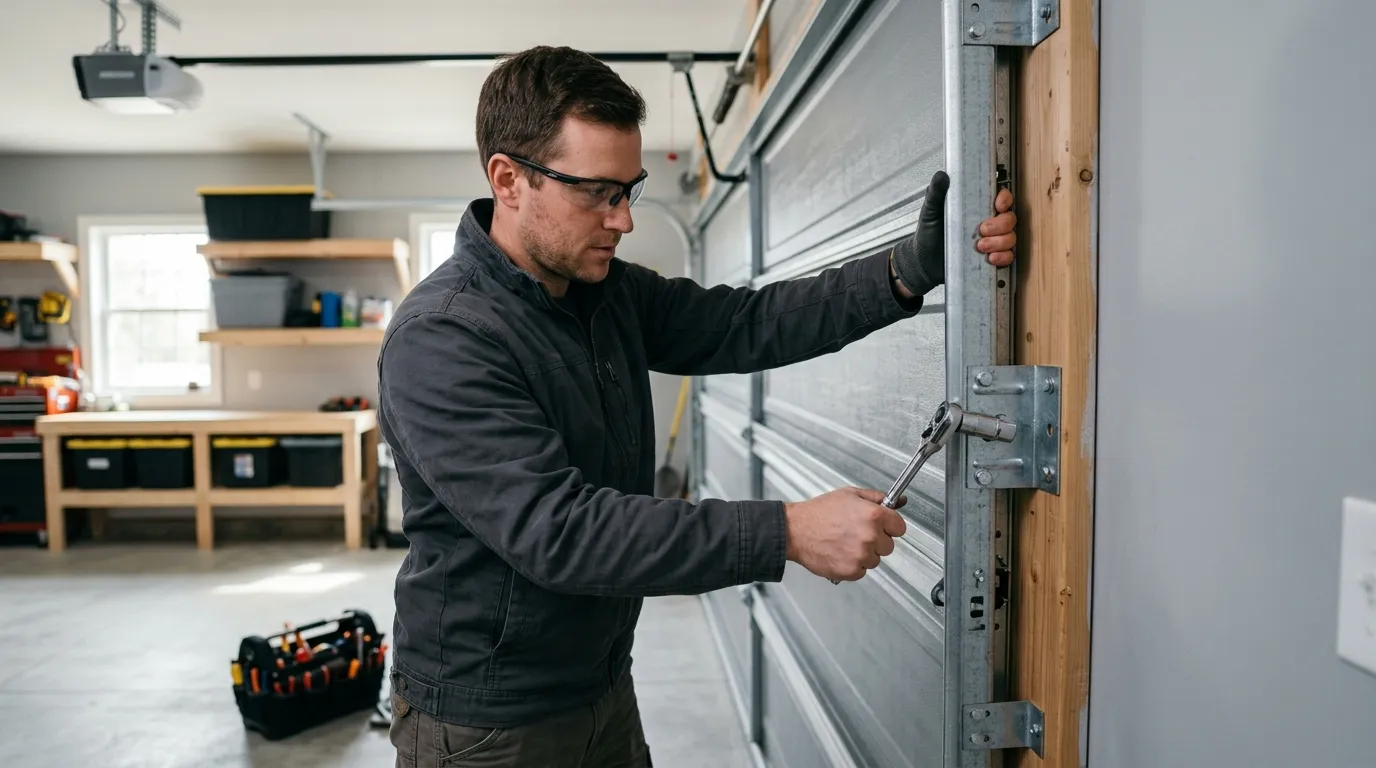
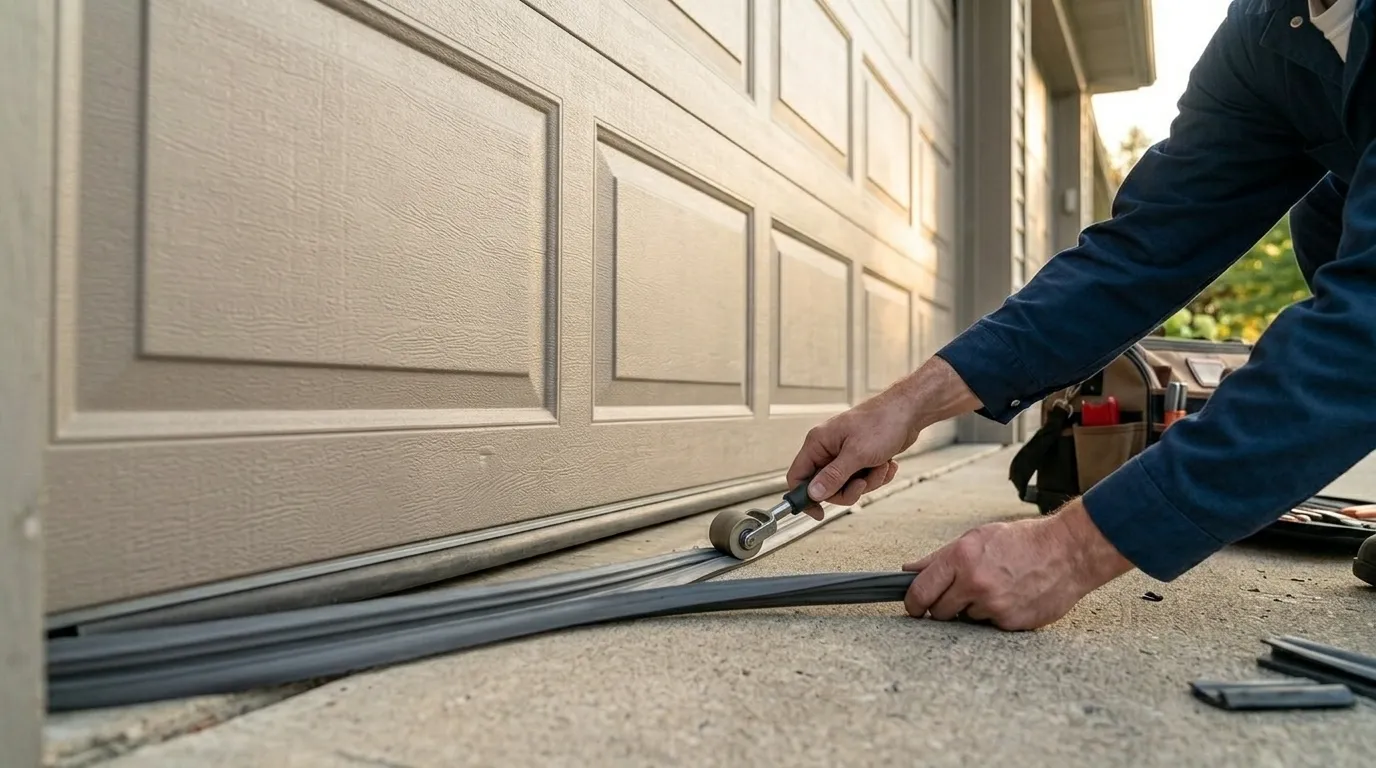
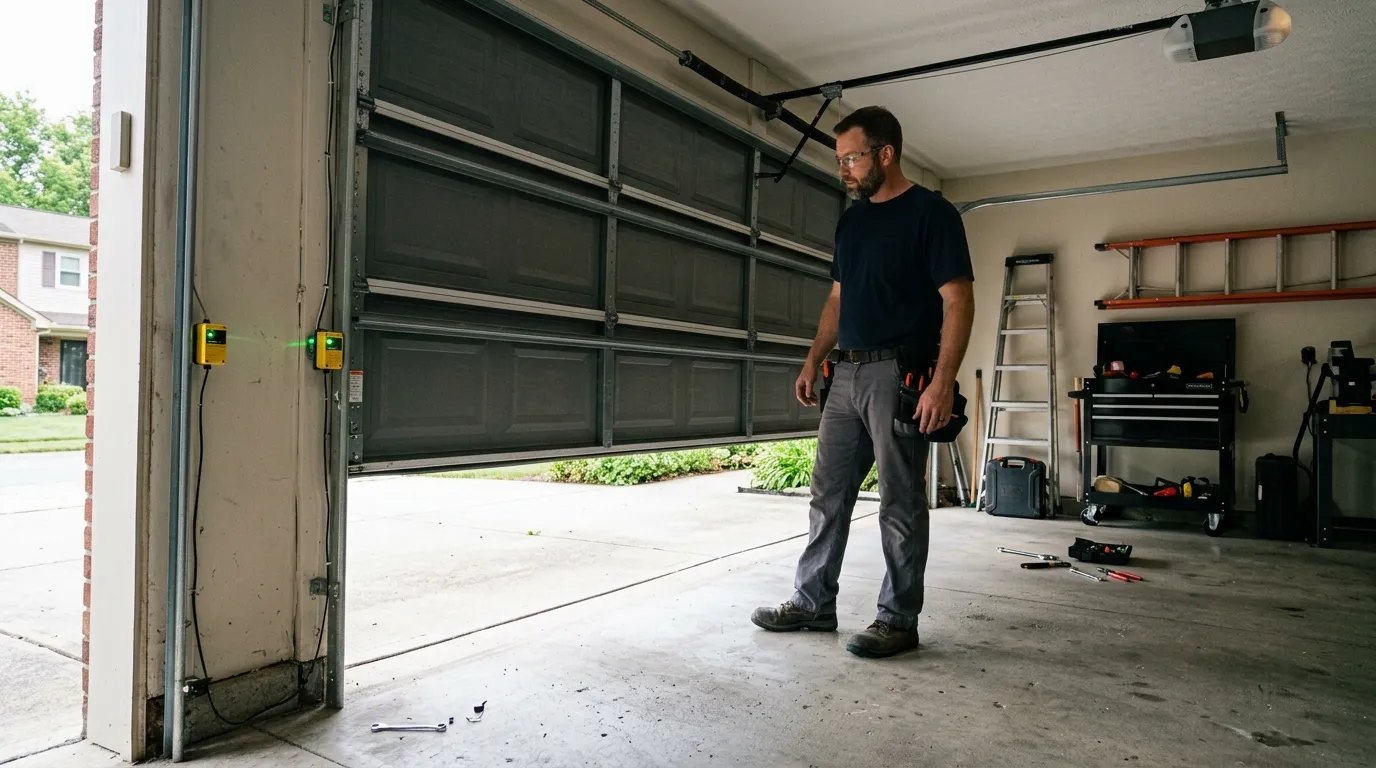
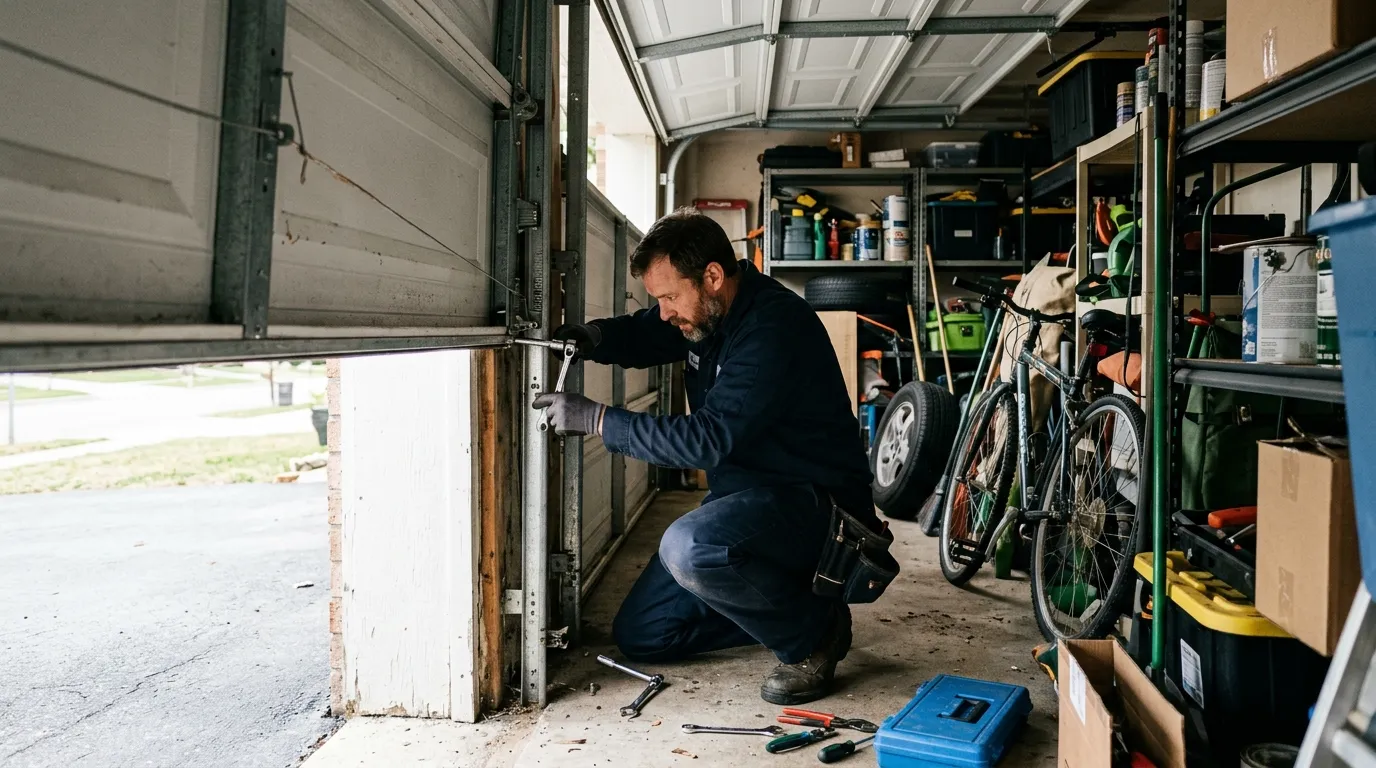
On a lot of these older Sun Prairie doors, the first sign isn't a dramatic failure - it's the door starting to lag on cold mornings, taking an extra second or two before the opener catches, or the door closing unevenly on one side. Original torsion springs from houses in the 1959-2001 build range are often undersized for today's heavier insulated replacement panels, so if you've already had one section swapped and the door still feels stiff, that's usually why. In a cold, severe climate, metal contracts and grease stiffens, so hardware that's marginal in July can bind or jump track in January. If you're noticing gaps at the bottom corners, visible daylight around the panel edges, or a door that's noticeably colder to stand next to than it used to be, that's consistent with an original single-layer door that's simply aged out, not something that gets solved with another repair call.